REVIEW · NEW ORLEANS
New Orleans Swamp and Bayou Alligator Tour
Book on Viator →Operated by Gray Line New Orleans · Bookable on Viator
Swamp time is the best New Orleans reset. This tour trades city blocks for Barataria Preserve wetlands and pairs a smooth boat ride with Cajun history storytelling you’ll hear from the captain and guide. One thing to keep in mind: in cooler months, wildlife sightings can be less active, and you may feel the chill on the water.
I like that the experience is built for real comfort and real viewing time: you’ll spend about 2 hours cruising and can choose morning or afternoon. If you upgrade to transportation, you get an air-conditioned coach bus and easy French Quarter pickup/drop-off, which is a big plus when you just want to show up and go.
In This Review
- Quick Hits Before You Go
- French Quarter Pickup to the River: Where the Tour Really Starts
- Barataria Preserve and the Jean Lafitte Link: Why This Place Feels Different
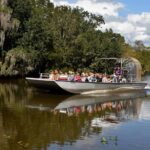
- The Pontoon Boat Cruise: Stable Viewing and Real Wildlife Chances
- Captain Narration and Cajun Stories: History You Can Hear Over the Water
- A quick note on wildlife and feeding
- What to Bring and Wear: Comfort Wins on a Bayou Day
- How the Timing and Group Size Affect Your Experience
- Is $35 a Good Deal for New Orleans Nature?
- Should You Book This Swamp and Bayou Alligator Tour?
Quick Hits Before You Go
- Barataria Preserve (Jean Lafitte system) protects 23,000 acres of bayous, swamps, marsh, and forest
- A custom-built pontoon boat feels stable, with an overhead cover and open-sided viewing
- A guided, narrated cruise focuses on wildlife and the culture that shaped this region for nearly 250 years
- Wildlife is seasonal: March through October tends to be easiest for spotting, while winter can be hit-or-miss
- Small-group feel with a maximum of 40 travelers
French Quarter Pickup to the River: Where the Tour Really Starts
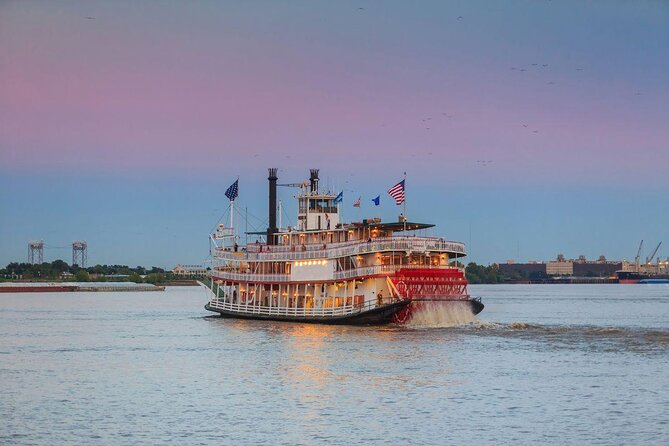
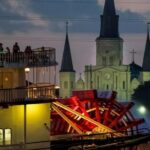
This is one of those New Orleans tours where the first leg matters. You start in the French Quarter, usually with a convenient meeting point near the Steamboat Natchez dock area, and you’ll take a coach ride across the Mississippi River toward Cajun country. On the way, you’re not just traveling—you’re setting expectations for what you’re about to see: wetlands replacing street grids.
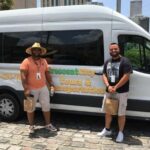
If you select transportation, you’ll be in an air-conditioned coach bus (nice during hot months). If you choose self-drive, you’ll go on your own to the designated launch area in Lafitte, and you’ll board at the assigned time window. That flexibility is practical, but transportation is the option I’d lean toward if you want the least-stress experience.
A couple details that can affect your day:
- The tour is requested to start with a short walk to reduce vehicular traffic in the French Quarter area. Plan comfy shoes.
- Electric scooters aren’t allowed, and pets aren’t permitted for safety (service animals are allowed).
- The coach typically brings you back to the French Quarter by mid-afternoon or evening, depending on the tour you book.
You can also read our reviews of more tours and experiences in New Orleans.
Barataria Preserve and the Jean Lafitte Link: Why This Place Feels Different
The star of the route is Barataria Preserve, part of the Jean Lafitte National Park & Preserve system. This isn’t just a scenic boat loop. It’s a protected stretch of the Mississippi Delta—23,000 acres of bayous, swamps, marshes, and forest.
What that means for you:
- You’re seeing a working ecosystem, not a roadside attraction.
- You’re in the kind of environment where wildlife has cover, nesting space, and food sources.
- The narration has an actual reason to exist. The guide isn’t just pointing out animals—they connect them to how people lived here and why wetlands preservation is such a big deal.
It also helps explain why the boat cruise doesn’t try to race deep into the unknown. The ride is designed to keep you in the right zone for wildlife viewing, while staying respectful of the habitat. You’ll still get a real sense of going out into Louisiana, not just “staying near the dock.”
The Pontoon Boat Cruise: Stable Viewing and Real Wildlife Chances
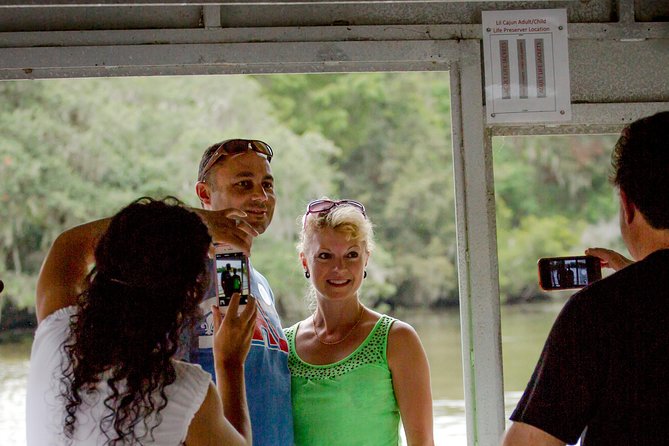
Your cruising portion is about 2 hours. You’ll transfer to an open-sided, covered boat—so you can look out comfortably without getting fully rained on or baked by sun. And yes, the ride has a stable feel, which matters when you’re trying to photograph egrets, raccoons, and alligators without fighting your balance.
Wildlife spotting is the main event, and you should know what’s realistic:
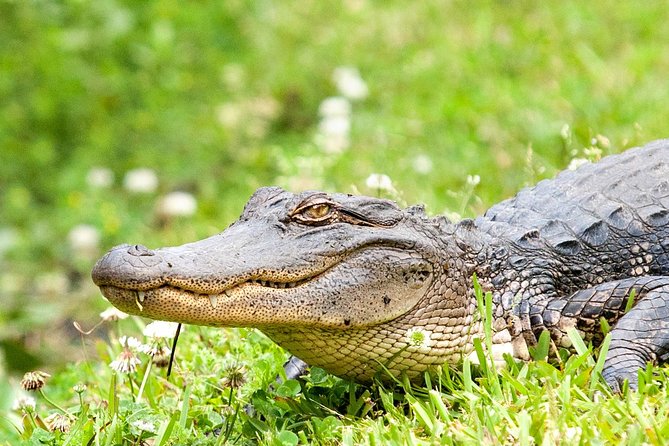
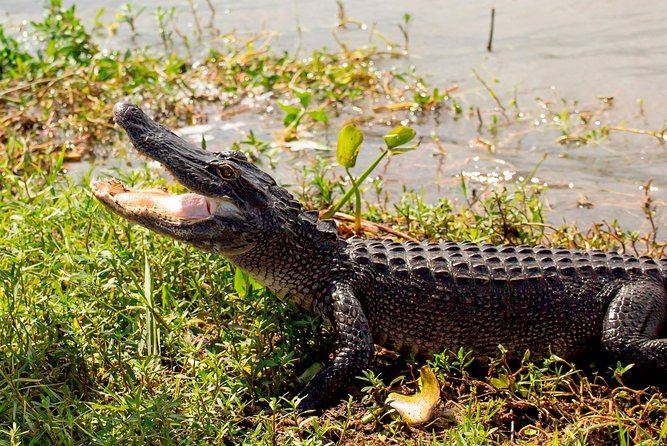
- Alligators, including nesting and sunning behavior
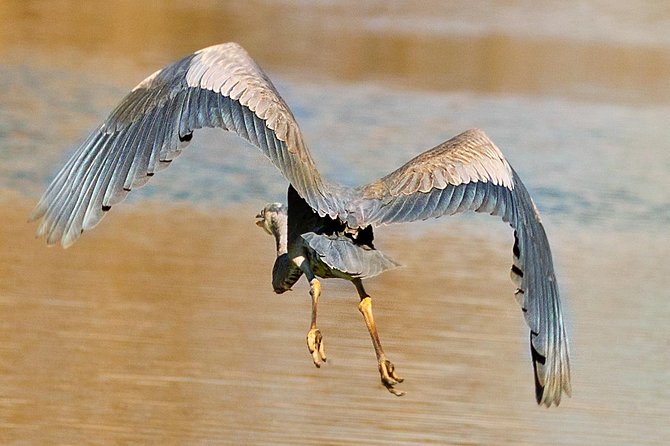
- Egrets and other birds
- Raccoons
- Snakes
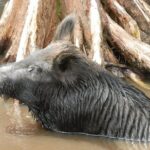
- Giant nutria
Timing changes your odds. Warmer months (especially March through October) tend to mean more active animals and easier spotting. On sunnier days you often get better viewing too. In winter, sightings can still happen, but it can be less consistent—and on colder days you might feel it more when you’re out on the water.
Photo tip that actually helps: bring your camera, but also keep a steady “scan routine.” Wildlife often appears between obvious open stretches—along the edges, near vegetation, or in spots where the boat slows briefly.
Captain Narration and Cajun Stories: History You Can Hear Over the Water
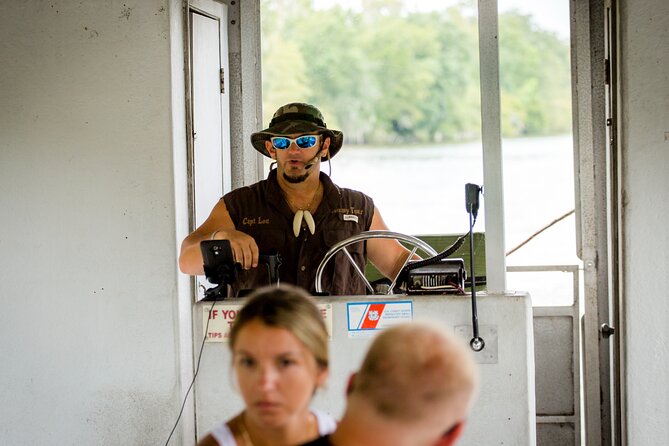
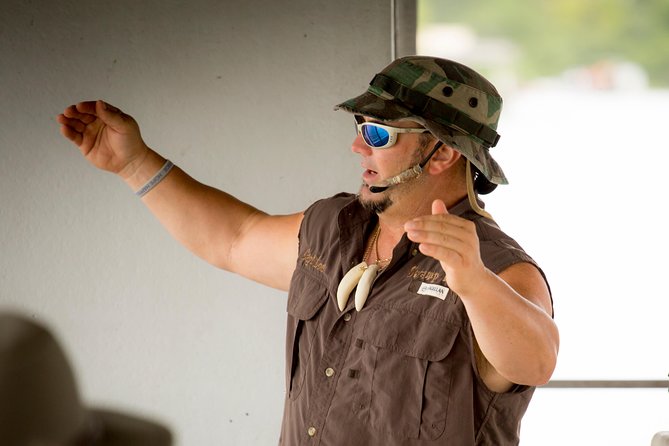
This tour is built around a narrated experience led by a local captain and supported by a guide. The storytelling isn’t just trivia. It ties together swamp life, Cajun culture, and how people made a living in a place that isn’t exactly forgiving.
On the water, expect themes like:
- The history and mystery of the swamps
- Cajun music, bayou lifestyle, and local culinary traditions
- The creation of Louisiana’s signature gumbo
- Ongoing efforts to preserve wetlands
You’ll also get interaction. Guides typically answer questions and will often adjust stops when something is spotted. In past departures, you might hear from captains named Captain AJ, Captain Ed, or Captain EJ, and you may meet bus drivers known for their friendly, funny explanations (names like Robert and Alton show up). Those names aren’t the point—what matters is the tone: practical, friendly, and focused on what you’re seeing.
One small reality check: the bayou can get noisy. If other boats are around, engine sound can sometimes make it harder to hear the narration. If you’re sensitive to noise, consider bringing earplugs. And if you do have trouble, ask for help right away—volume control can be limited depending on the boat and conditions.
A quick note on wildlife and feeding
You may see wildlife approached, and in some cases you might notice the use of a food item (for example, marshmallows were mentioned in one account). The tour operator response indicates they do not feed native wildlife items unless deemed safe for the bayou inhabitants, and that they don’t disrupt foraging patterns. Either way, the best rule for you is simple: treat animals as wild first. Let the guides do their job; keep your distance; and enjoy the show without trying to “help” nature along.

What to Bring and Wear: Comfort Wins on a Bayou Day
Swamp tours can feel deceptively casual until you’re sitting outside on the water for a long stretch. Plan like you’re going to be outdoors, not like you’re going to a museum.
Here’s what will pay off:
- Comfy shoes for walking to the departure point and boarding
- A camera ready for alligators, birds, and close-up moments
- Bug spray, especially in warmer months
- A water bottle (and expect you can buy snacks and refreshments on the boat)
Clothing-wise, I’d go with casual layers. One common practical tip is a light jacket for colder days, because it can get pretty chilly out on the bayou during winter. Also, wear things that are easy to move in; avoid tank tops, cut-offs, or very short shorts as requested.
Weather matters too. This experience requires good weather, and if it’s canceled due to poor conditions, you’ll be offered another date or a full refund.
How the Timing and Group Size Affect Your Experience
The tour runs on two big rhythms: the coach ride time and the 2-hour cruise. Your total duration is listed as roughly 1 hour 15 minutes to 4 hours depending on the option you choose and the day’s schedule.
The practical takeaway: don’t pack your day too tightly afterward, especially if you’re booking the afternoon return. The mid-afternoon/evening return gives you a buffer, but bayou tours can shift with conditions.
Group size is capped at 40 travelers. That’s usually small enough for questions and attention from the guide, but big enough for the boat ride to still feel like a shared experience. If you’re the type who gets overwhelmed in huge crowds, this cap is another value point.
Is $35 a Good Deal for New Orleans Nature?
At $35 per person, this tour competes well with other New Orleans excursions because you’re paying for more than transportation. You’re buying:
- a guided, narrated wildlife cruise
- a pontoon boat ride designed for viewing
- local taxes included
- and, if you choose transportation, an air-conditioned coach bus from the French Quarter
You don’t have to add much except snacks (available for purchase) and tipping. If your priority is wildlife in a real wetland setting, you’re getting a focused, time-efficient outing. And if you’re traveling with kids, the total commitment is manageable: about 2 hours on the water is enough to feel like an adventure without becoming a whole day ordeal.
The main reason the price might feel less appealing to some people is uncertainty. Wildlife sightings are never a guaranteed menu. Season plays a role, and conditions matter. But the same is true for birding anywhere. The difference here is that you’re in the right habitat, with a local captain who knows where wildlife tends to show up.
Should You Book This Swamp and Bayou Alligator Tour?
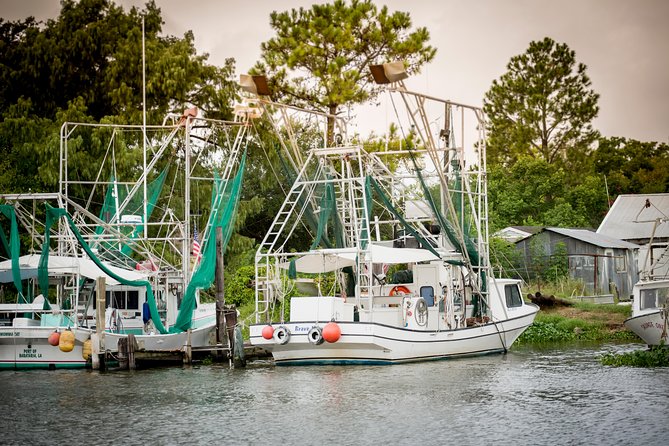
I’d book this if you want a clear switch from French Quarter life to Louisiana wetlands, and you’re excited by the idea of spotting alligators and birds in a protected area. It’s also a strong pick if you value strong narration and a smooth, organized flow—especially with transportation included.
I’d think twice if:
- you’re visiting in the coldest part of the year and wildlife sightings being less active would disappoint you
- you know you struggle with outdoor cold and long open-air time (a jacket helps, but it’s still the bayou)
- you’re extremely sensitive to noise from other boats, since the water can be active
If your goal is a hands-on, nature-and-culture day that actually changes your view of Louisiana, this is a solid use of time.