REVIEW · NEW ORLEANS
Storyville Red-Light District Museum: All Access Ticket
Book on GetYourGuide →Operated by New Orleans Storyville Museum · Bookable on GetYourGuide
New Orleans history gets a shocking angle. You’ll walk through a museum built around the Storyville red-light district, with room-sized scenes and period details that make the 1800s feel close and real. I like the fact that it’s all about what people did and why, not just headlines. And I like that it’s based in the French Quarter, so you can fold it into an easy day of walking.
My favorite part is the all-access ticket, which lets you see every exhibit in more than 7,000 square feet of displays and multimedia. You get great photo and video opportunities, which helps you remember what you saw without needing a tour guide to explain every corner.
The one big consideration: this is adult-only material. If you prefer a family-friendly New Orleans stop, the themes of prostitution and vice may feel heavy rather than fun.
In This Review
- Key points before you go
- Storyville Museum in the French Quarter: what you walk into
- The all-access ticket: how to plan a 1–2 hour visit
- From French colony roots to New Orleans vice
- Recreated Basin Street: walking the neighborhood in period form
- Inside an opulent brothel recreation: what the museum wants you to notice
- The sex-crib experience: learning the human reality of work
- Early jazz connections: why Storyville shows up in music history
- Photo and video tips: how to capture without killing the mood
- Price and value: is $35 a fair deal for an adult-only museum?
- Who should book the Storyville all-access stop
- Quick FAQ
- FAQ
- How long should I plan to spend at the Storyville Museum?
- Is the All Access Ticket self-guided?
- Where is the museum located?
- Is there an age requirement?
- Is the museum wheelchair accessible?
- Can I smoke inside?
- Is free cancellation available?
- Should you book this all-access ticket?
Key points before you go
- All exhibits included: your all-access ticket means you don’t have to pick and choose.
- Plan 1–2 hours: the museum is self-guided, so you can move at your own pace.
- Storyville Basin Street is recreated: you’re walking through a designed slice of the past.
- Sex-crib work is shown: the museum addresses what it was like to work in that era.
- Early jazz has a place here: you’ll learn how Storyville shaped early music.
- 18+ entry only: it’s not suitable for anyone under 18.
Storyville Museum in the French Quarter: what you walk into
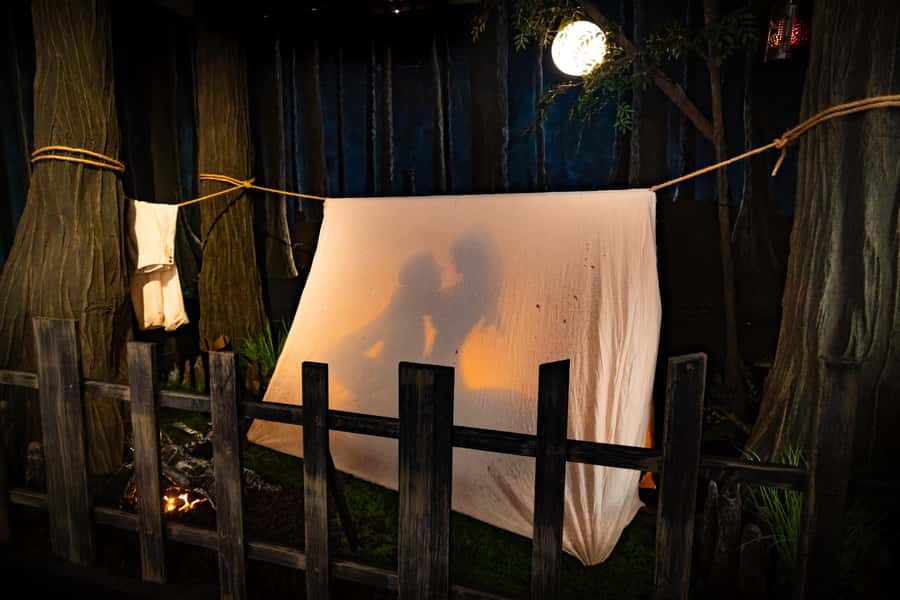
Storyville is New Orleans’ notorious red-light district, tied to a time when gambling, prostitution, and vice were part of the city’s economy and social life. The Storyville Red-Light District Museum is the only museum in New Orleans focused specifically on this chapter of the city’s past, and it’s located in the French Quarter, which makes it a practical stop for a first visit.
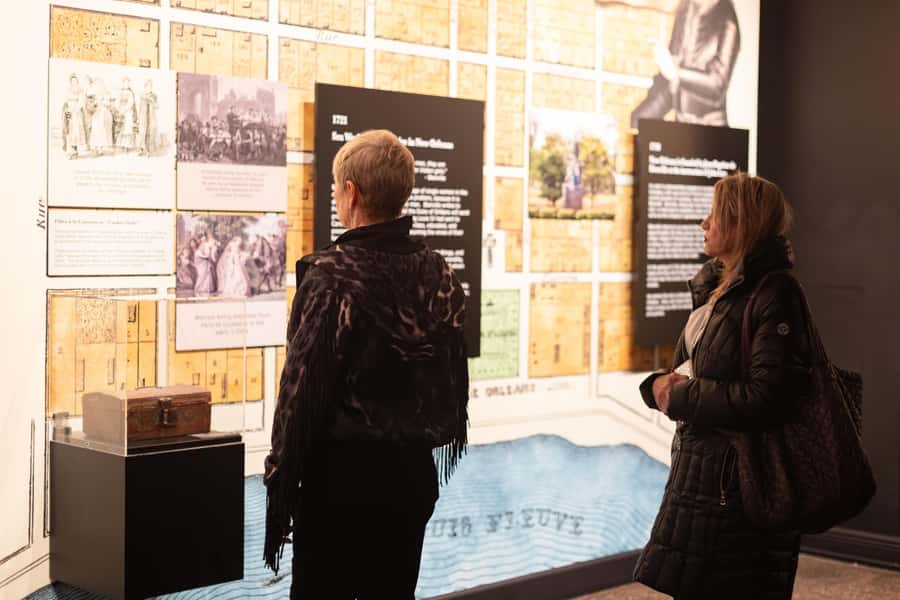
When you arrive, the whole point is to move from modern New Orleans into the world that came before. Instead of a quick history film and a few placards, you’ll see a set of exhibits and multimedia experiences meant to help you picture how this neighborhood worked. You’re not just reading history—you’re seeing scenes.
Because it’s self-guided, you also control the pace. You can skim if you’re short on time, or slow down for the room recreations and artifacts if you like context.
You can also read our reviews of more tours and experiences in New Orleans



The all-access ticket: how to plan a 1–2 hour visit
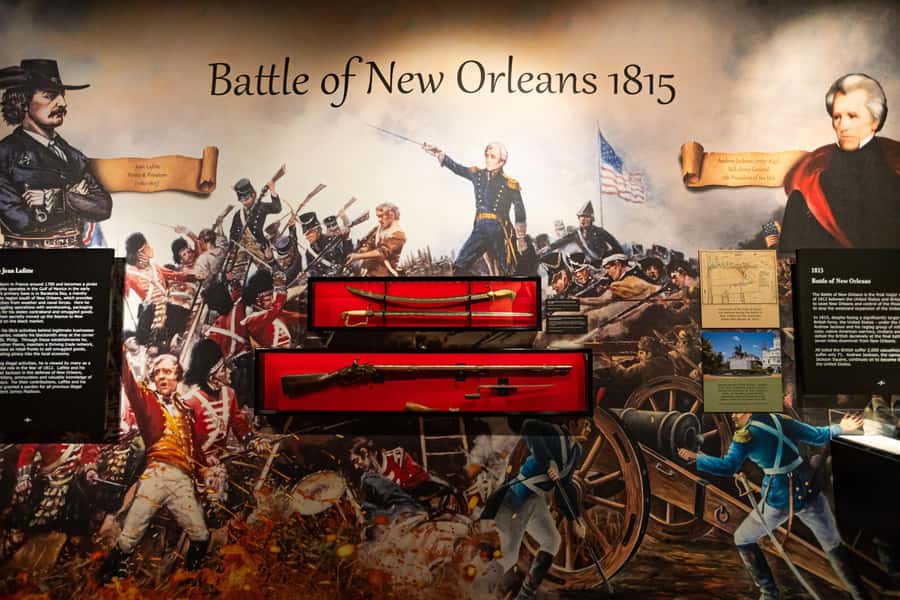
The All Access Ticket is straightforward: it’s valid for one day and lets you explore all exhibits within the museum. There’s no assigned tour route, so it helps to walk with a simple plan: decide what you want more of—Storyville’s social history or the early jazz angle.
Most people will fit everything in about 1–2 hours. If you love photography, the time can stretch a bit because the museum is designed for photo and video opportunities. If you’re someone who hates lingering in indoor exhibits, go with the hour mark and keep it moving.
Also, you’ll likely appreciate skipping the ticket line. That matters in the French Quarter, where your day can fill up fast with other stops and long waits. The museum is wheelchair accessible too, so the layout is built to be visitable for different needs.
One more practical note: the museum is adult-only. You must be 18+ to enter, and children under 18 aren’t the target audience.
From French colony roots to New Orleans vice
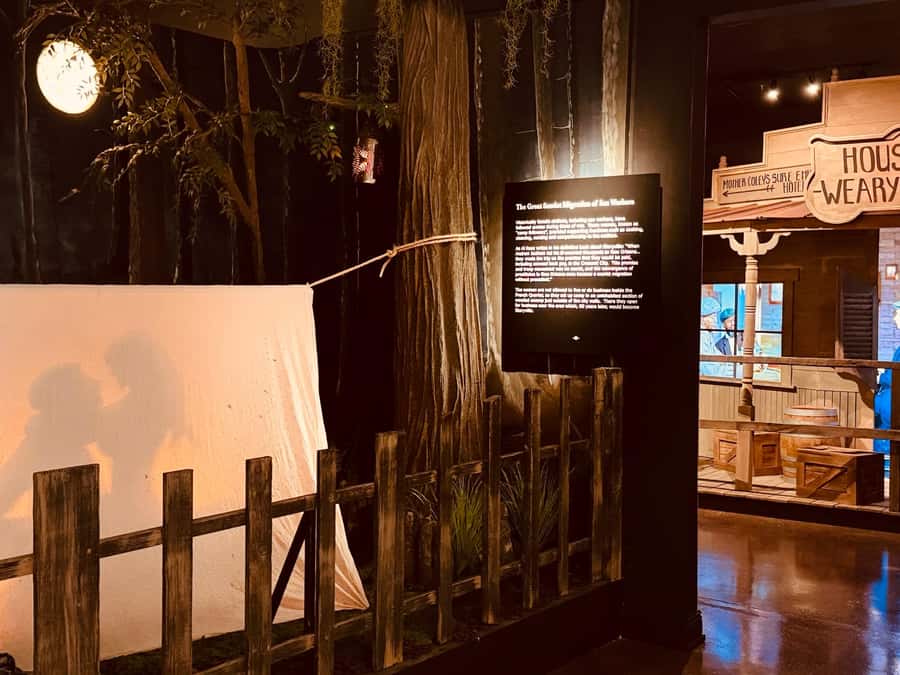
One of the smarter parts of this museum is the way it doesn’t start with scandal. It starts with the origins of the city’s story, tracing how New Orleans’ “sinful” reputation ties into its development as a French colony. That context matters, because it shows that vice didn’t appear out of nowhere—it grew with the city.
As you move through the exhibits, you’ll relive New Orleans’ golden age of gambling, prostitution, and vice in the 1800s. The museum’s tone stays historical rather than sensational, but it still doesn’t soften the reality of what was happening in that district. You’ll get a sense of how nightlife and money interacted, and how the city became known for this kind of adult entertainment.
For you, the value here is understanding the system, not just the rumors. It helps you interpret Storyville as a place shaped by law, economics, and culture—rather than as a cartoonish bad neighborhood.
Recreated Basin Street: walking the neighborhood in period form
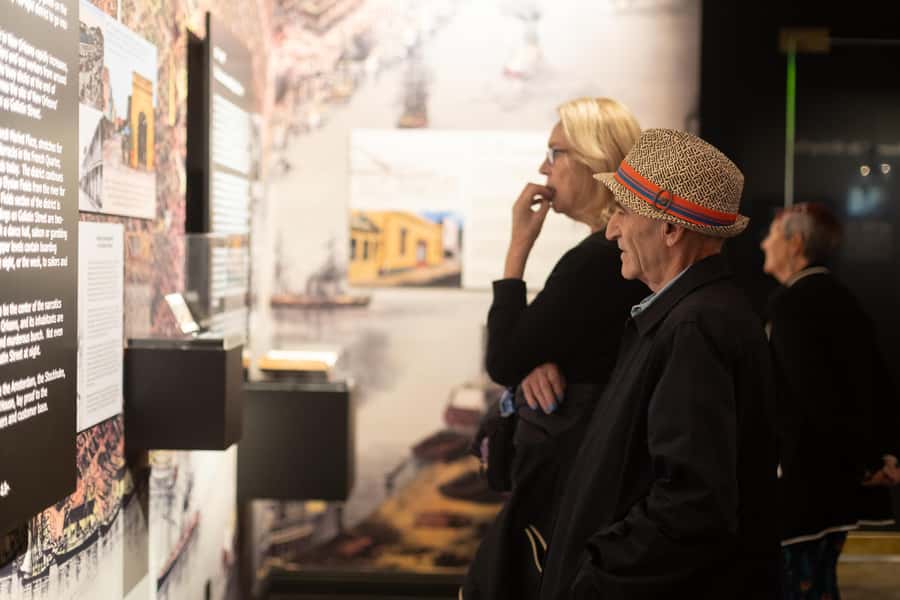
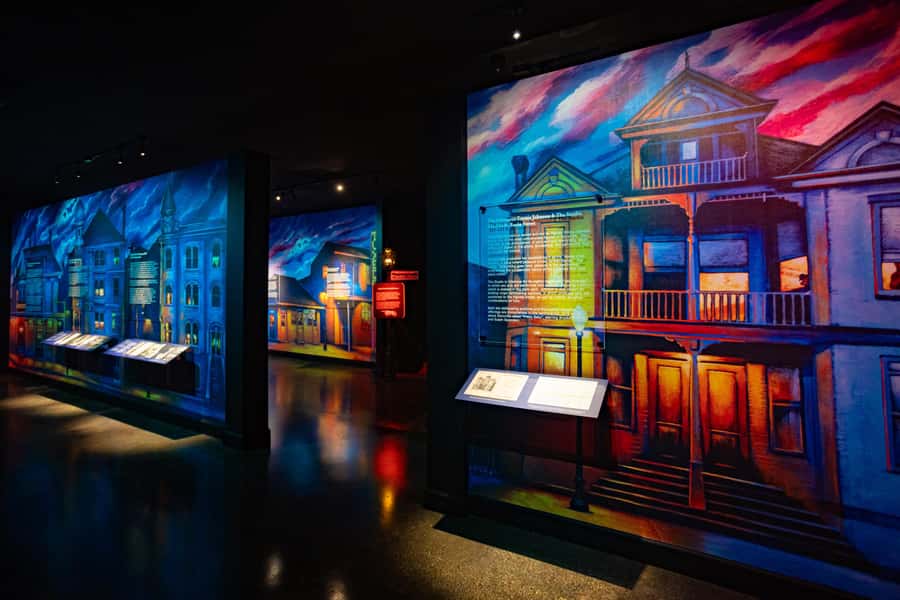
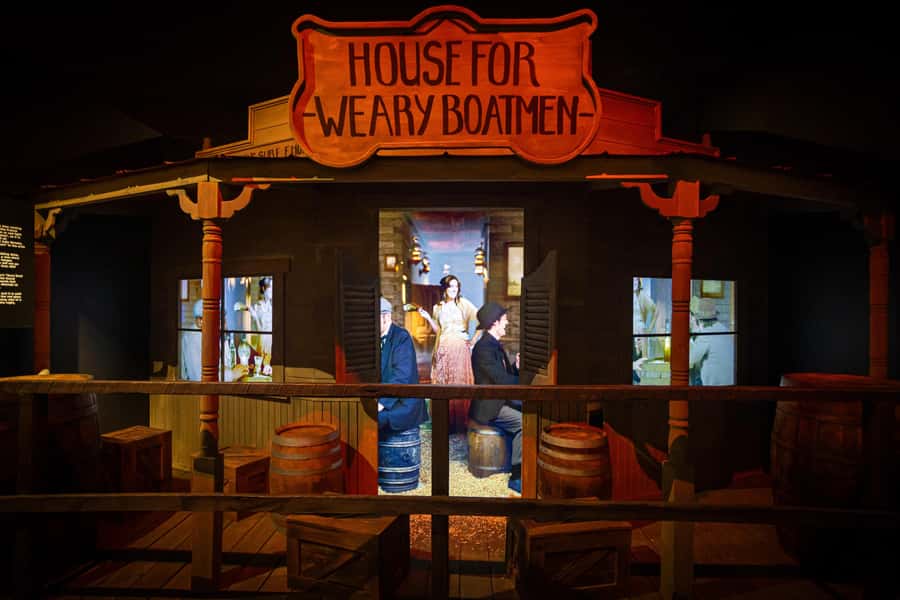
A major highlight is visiting the recreation of Storyville’s Basin Street. Instead of treating the district as a concept, the museum gives you a designed space that feels like you’re walking through the area at the time.
This is where the museum’s size helps. With over 7,000 square feet of exhibits, you’re not stuck in one room. You can shift perspective and see how different parts of the district connected. The recreation also makes it easier to understand how people moved through the space—where you’d look, where you’d linger, and how the neighborhood’s feel changes as you go deeper.
Look out for the way the museum uses “ghosts” and atmosphere around an opulent brothel recreation. The idea is to show how luxury and exploitation existed side by side. You may find this part more emotionally intense than the earlier history sections because it focuses on specific spaces where people worked and lived.
If you’re the type who likes setting the scene before jumping to facts, this is a great order to follow: start with origins, then walk the recreation, then connect it back to the bigger cultural outcomes like early jazz.
Inside an opulent brothel recreation: what the museum wants you to notice
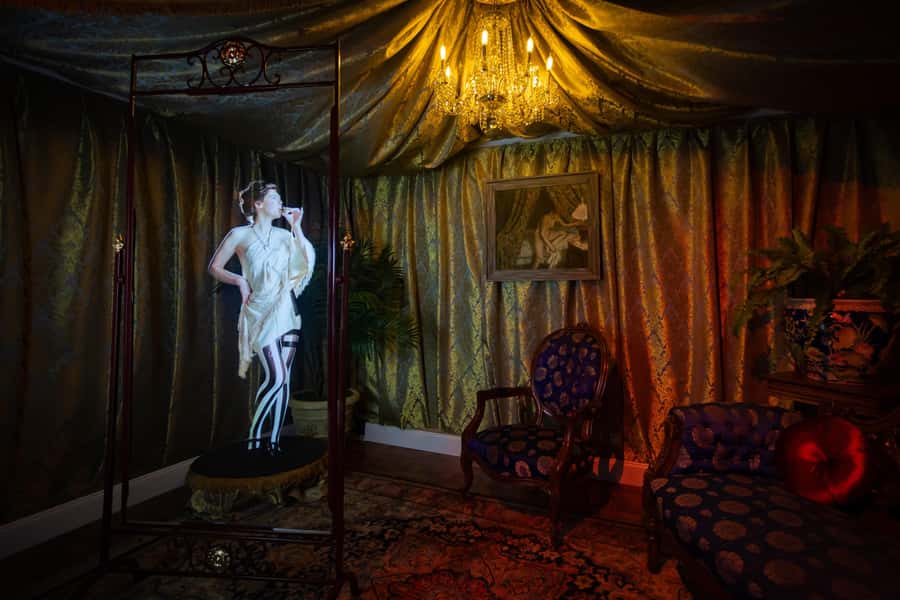
The brothel portion is intentionally dramatic. You’ll visit the ghosts of an opulent brothel in a recreated setting, which tries to capture how the place would have looked to visitors—glamour on the surface, human cost underneath.
This section is especially good for helping you understand that Storyville wasn’t only about street-level vice. It included staged environments meant to attract and entertain. That contrast is key to why this museum is worth your time: it doesn’t just show the world as raw; it shows it as performance.
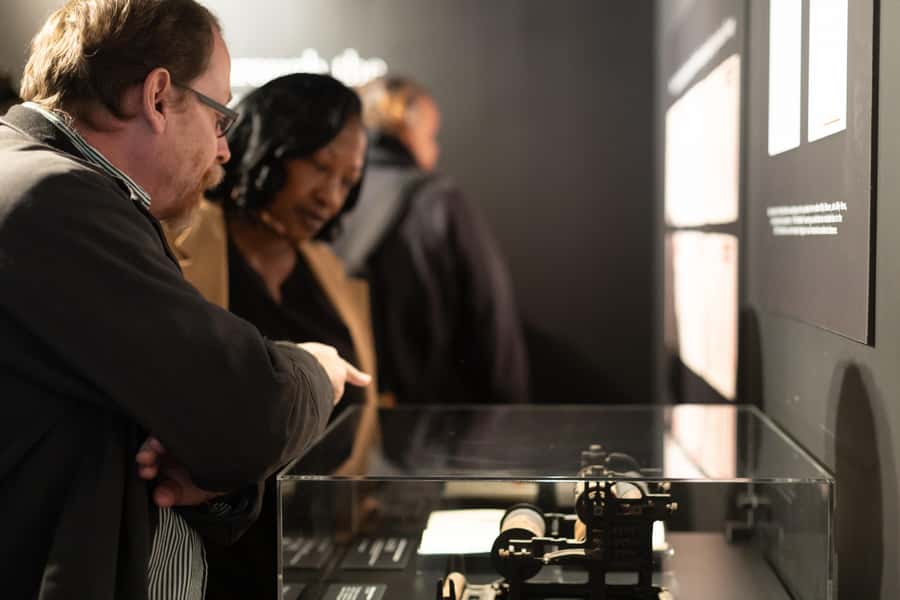
You’ll likely spend extra time here if you like details. The museum is set up to give you plenty of photo and video opportunities, which can help you slow down and actually look. I’d treat that as a tip, not a chore: pause, take a couple shots, and then step back to watch how your perspective changes when you move a few feet.
You can also read our reviews of more museum experiences in New Orleans



The sex-crib experience: learning the human reality of work
The museum also aims to help you feel what it was like to work in a sex-crib at the turn of the century. That phrasing matters because it signals the museum isn’t trying to turn sex work into a themed attraction. It’s presenting it as labor inside a very restricted system.
This is the section that can be most uncomfortable for some visitors. Not because it’s graphic in a sensational way (the provided info doesn’t say that), but because the subject is personal and adult. If you have a low tolerance for tough social history, you’ll want to skim and move on rather than linger.
But if you’re open to the reality of the era, this part adds the missing piece: who worked, what working meant, and how the district operated day to day. You come away with more than gossip. You come away with a sense of how narrow choices were—and how that shaped the lives of the people involved.
A good approach: go in with respect. Let the museum’s seriousness guide your pacing, and don’t treat the setting like a backdrop.
Early jazz connections: why Storyville shows up in music history
Here’s the unexpected part that makes the museum useful even if you’re not chasing dark history for fun. The museum includes information about the history of early jazz and Storyville’s role in its development.
In practical terms, it means the stop isn’t only about gambling and sex. It connects Storyville to the city’s cultural output. That gives you a fuller picture of New Orleans, because music is one of the city’s biggest exports.
For you, the value is in seeing how adult entertainment districts sometimes function as cultural engines. Whether you’re a jazz fan or you just want a better New Orleans story to tell friends, this part helps you connect the dots between nightlife and the kinds of sounds and scenes that spread.
Photo and video tips: how to capture without killing the mood
The museum explicitly notes lots of photo and video opportunities, and it’s set up to support that. You’ll probably want to take pictures because the recreations and multimedia setups are visual.
Here’s how to do it without turning the museum into a distraction:
- Take a few wide shots to remember layout and atmosphere.
- Then focus on one or two details per scene, rather than spraying everything.
- If you notice a more serious section, step back and spend time looking first, then shoot.
Also remember the basic vibe: this is adult material. Keep it respectful, and don’t post anything that feels like it’s mocking the people or the hardship the museum is describing.
Price and value: is $35 a fair deal for an adult-only museum?
The ticket price is $35 per person, and the experience is designed as a 1-day self-guided visit with all-access entry. Whether it’s a good value depends on how you like to travel.
If you enjoy history museums where you walk through scenes and you want time to look around, $35 can make sense. You’re getting access to every exhibit, you’re getting a museum space over 7,000 square feet, and you’re getting multimedia experiences—not just static displays.
If you only want a quick overview, you might feel the cost more sharply. In that case, your best move is to commit to the full 1–2 hours, not 20 minutes. This isn’t a “pop in and out” type of ticket if your goal is to actually learn and absorb.
So here’s my practical take: for adults who like context and scenes, $35 buys a focused indoor experience that’s easier to fit than a guided tour with a strict schedule. For anyone who gets uncomfortable with adult themes, it may be worth saving that budget for a different New Orleans museum.
Who should book the Storyville all-access stop
This is a great fit for adults who want:
- A French Quarter activity that adds a different angle on New Orleans.
- A self-guided museum visit where you control the pace.
- History that connects to early jazz, not just scandal.
It’s not a great fit if:
- You want a kid-friendly outing. The museum requires 18+ entry and is not suitable for children under 18.
- You’re trying to keep things light and cheerful. The content involves prostitution and vice, and it’s presented as serious adult social history.
If you’re traveling with someone who loves museums but hates long walking, note that this is indoor. You still walk between exhibits, but the structure is tight and contained.
Quick FAQ
FAQ
How long should I plan to spend at the Storyville Museum?
Plan on about 1 to 2 hours to see all of the exhibits with the all-access ticket.
Is the All Access Ticket self-guided?
Yes. It’s a self-guided experience, and the ticket lets you explore all exhibits within the museum.
Where is the museum located?
It’s conveniently located in the French Quarter.
Is there an age requirement?
Yes. You must be 18+ to enter, and it is not suitable for children under 18.
Is the museum wheelchair accessible?
Yes, it is wheelchair accessible.
Can I smoke inside?
No. Smoking is not allowed.
Is free cancellation available?
Yes. Free cancellation is available up to 24 hours in advance for a full refund.
Should you book this all-access ticket?
Book it if you want a focused adult-only museum visit that mixes New Orleans origins, Storyville’s street-and-brothel recreations, and the museum’s connection to early jazz. The $35 price can feel fair because you’re getting access to everything in one go, with enough space to make the 1–2 hour visit feel complete.
Skip it if adult themes make you uncomfortable or you’re traveling with anyone under 18. And if you only have a strict schedule, remember that the museum is best when you actually use the full time. This one works when you slow down, look closely, and let the scenes do the teaching.