REVIEW · NEW ORLEANS
Small-Group New Orleans Jazz Tour
Book on Viator →Operated by WeVenture · Bookable on Viator
Jazz in New Orleans starts before the first bar. This small-group walking tour turns street-level music culture into an easy story, starting at Louis Armstrong Park and ending in the French Quarter with live jazz at two different clubs. I like that the route is built around places you can see, not just names you hear.
The second thing I like is how the tour pairs famous landmarks with specific themes, including Congo Square and the way the city’s gospel and performance world connects to jazz. One drawback to consider: the tour is more guided history than a free-for-all of street performers, and club seating can be tight once you’re inside.
In This Review
- Key Things You’ll Notice on This New Orleans Jazz Tour
- A Two-and-a-Half-Hour Jazz Walk That Lands You in the French Quarter
- Starting at Louis Armstrong Park: Jazz Origins in Stone and Sound
- Congo Square: A Short Stop With Big Meaning
- Mahalia Jackson and Post-Katrina Storytelling Along the Route
- Two Jazz Clubs Later: Live Music With a Drink
- Price and Value: Is $204 Fair for This Tour?
- Who This Tour Fits Best (and Who Should Skip It)
- Timing and Practical Tips for the 5:00 pm Start
- Should You Book This Small-Group New Orleans Jazz Tour?
- FAQ
- How long is the Small-Group New Orleans Jazz Tour?
- Where does the tour start and where does it end?
- What time does the tour start?
- What’s included in the tour price?
- Is this tour private?
- What is the cancellation policy?
Key Things You’ll Notice on This New Orleans Jazz Tour
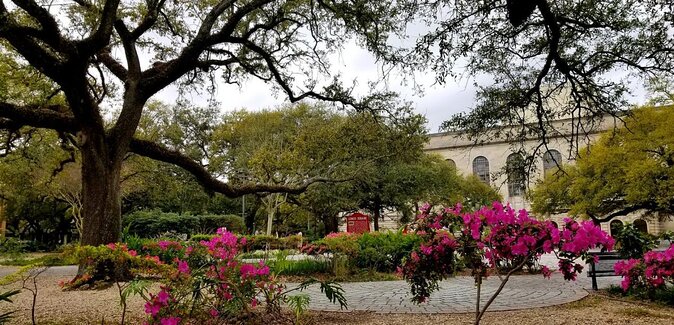
- Louis Armstrong Park sets the tone with sculptures, monuments, and jazz origin stories.
- Congo Square gets real context fast, tied to African American history and music.
- You’ll see performance landmarks along the way, including a stop connected to Mahalia Jackson and the impact of Hurricane Katrina.
- Two club stops mean live music you can hear, not just photos in passing.
- One drink is included, so the tour starts feeling like evening, not homework.
- It ends in the French Quarter, which makes it simple to continue on your own.
A Two-and-a-Half-Hour Jazz Walk That Lands You in the French Quarter
This is a classic New Orleans idea done in an organized way: follow the music through the city, with a guide to point out what matters and why it matters. The tour lasts about 2 hours 30 minutes and is paced as a walking experience, with the evening naturally shifting from outdoor landmarks to two jazz clubs.
For the price of $204 per person, you’re paying for three things at once: a local guide, structured storytelling, and the chance to catch live jazz in actual venues instead of only window shopping for sound. And yes, you also get a drink included—one beer, wine, or cocktail option—which helps the tour feel like part of your night.
The walking part matters because you’re covering more than one vibe. You start with the roots of jazz in park form, then you hit a music-and-community landmark, then you move into club settings where jazz is the main event. If you want a plan that’s more than just wander-and-hope, this format is strong.
You can also read our reviews of more tours and experiences in New Orleans.
Starting at Louis Armstrong Park: Jazz Origins in Stone and Sound
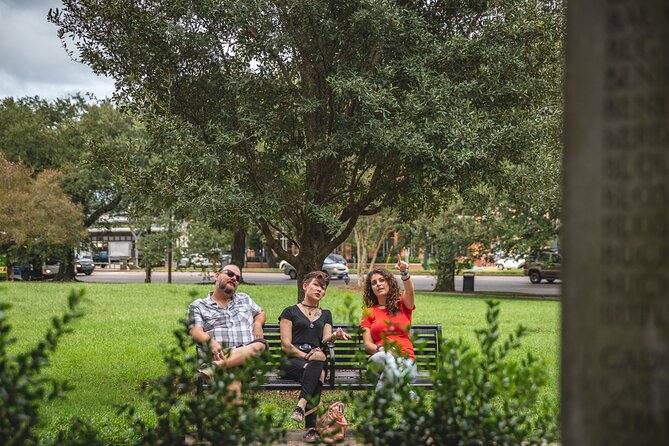
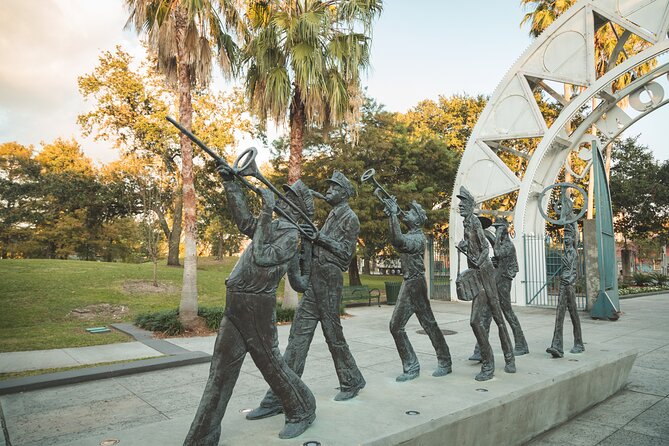
The tour begins at 701 N Rampart St at 5:00 pm, and your first stop is Louis Armstrong Park. This isn’t a quick photo stop. You’re there long enough—about 1 hour 50 minutes—for the guide to connect the dots between Armstrong’s influence and how New Orleans music grew into the jazz we recognize today.
What I like about this start is that it gives you a baseline before you walk into club music. You’ll see sculptures and monuments, plus historic buildings in the area, and the guide explains why those details fit into the larger jazz story. It’s the kind of stop where you can almost picture the sound the city is talking about.
There’s also a practical bonus: Armstrong Park is the kind of place where you might hear street musicians or local musical groups as you tour. That means you’re not stuck waiting for the clubs to feel alive. You get small hits of music early, then the tour builds toward bigger performances later.
Possible drawback? If you’re expecting lots of street performance the whole time, this first phase is more about guided landmarks. One review note that this can feel more like a history walk than a nonstop street-jazz parade. If that’s your dream, keep your expectations realistic and plan to do extra wandering after.
Congo Square: A Short Stop With Big Meaning

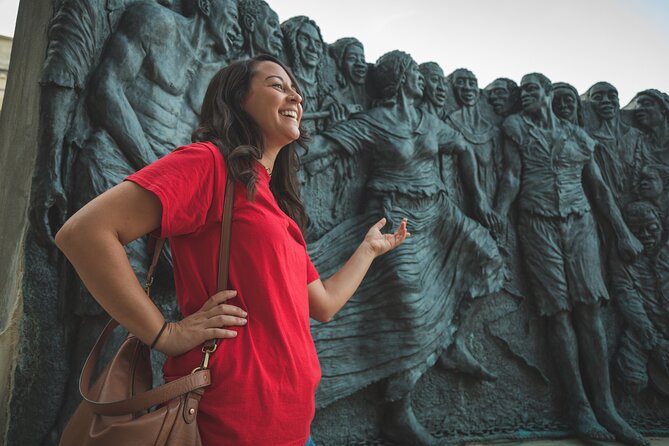
Next comes Congo Square, and you’ll spend about 10 minutes there. It’s a brief stop, but it’s also one of those places where the time feels purposeful. The guide explains how Congo Square connects to African American history and how the musical gatherings there helped shape what we now call jazz.
This matters because jazz isn’t just a style—it’s also a story of community, rhythm, and cultural survival. The tour’s value here is that it doesn’t treat Congo Square as trivia. It frames the square as a cultural meeting point, so when you hear music later at night, you understand the deeper thread you’re following.
If you like your tours to be short on stopping and long on understanding, this is a good design choice. You don’t get stuck for ages in one spot, and you don’t rush past it either.
Mahalia Jackson and Post-Katrina Storytelling Along the Route
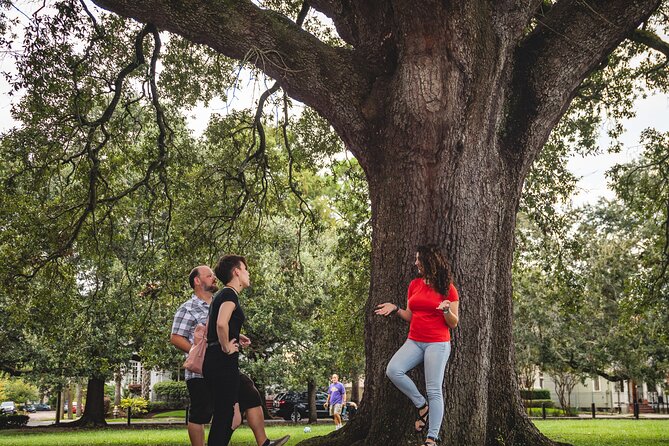
After Congo Square, the tour moves into the next phase: passing by a performing-arts hub in New Orleans. The guide brings up Mahalia Jackson’s gospel career and also talks about the building’s history, especially what happened after Hurricane Katrina.
Even though this is a pass-by moment rather than a full museum-style stop, it still adds something important. It reminds you that jazz didn’t grow in isolation. New Orleans music lives in overlap—gospel energy, performance culture, and the city’s survival story all feeding into what you hear later that evening.
One practical point: since this phase is mostly about what you see while you walk, wear shoes that can handle uneven pavement and short waits. This tour is paced to keep moving, so you want to be comfortable enough to focus on details rather than your feet.
Two Jazz Clubs Later: Live Music With a Drink
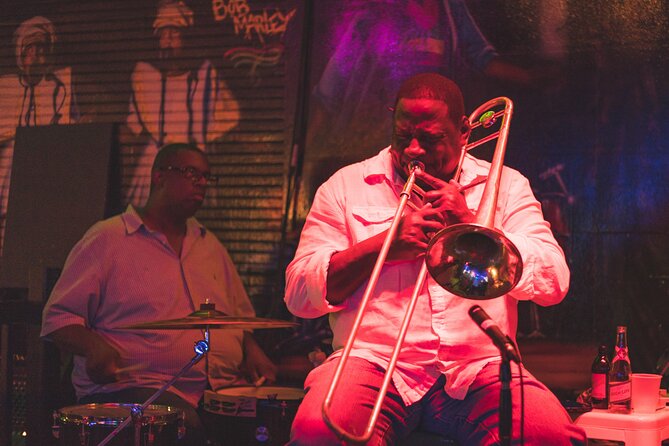
The tour’s finale is where it all cashes out: you end up at two different jazz clubs for live music. This is the part that’s easiest to enjoy even if you don’t know every jazz term. You can feel the difference in styles when the music starts in a real room with real musicians.
An included drink—one beer, wine, or cocktail—helps you settle in. It also makes the whole experience feel less like a classroom outing and more like an actual night out.
Now for the honest caution from the real-world experience: club seating can vary a lot. One common theme in feedback is that one venue may have limited places to sit, and the other may feel more crowded depending on where you stand. If you hate the idea of standing to listen, consider this a potential downside.
My advice: treat the clubs as part of the show, not a sit-and-stare concert. Go in with the mindset that you’ll be shifting positions, watching the band, and listening closely. And if you’re able, arrive ready to order your drink once inside so you can comfortably enjoy the set.
This is also where the guide’s role really matters. A good guide doesn’t just point you to the club—they help you notice what to listen for. That’s how the music becomes more than background noise.




Price and Value: Is $204 Fair for This Tour?
At $204 per person, this isn’t a budget impulse buy. But it’s also not just paying for walking and a few facts. You’re getting:
- A local guide for the full structured walk
- A route anchored by major stops like Louis Armstrong Park and Congo Square
- Two live jazz club performances
- One included alcoholic beverage
What makes it feel like value is that the tour does two hard-to-fake things for visitors. First, it uses local context to make the music make sense. Second, it delivers live jazz on schedule, rather than leaving you to guess which clubs will work out and whether you’ll find a decent place to listen.
Where you might feel less satisfied is if your ideal New Orleans evening is mostly street performers and casual hopping between venues on your own. This tour is structured, and at least part of the time is spent on parks and storytelling rather than constant street music.
A good compromise strategy: if you’re not sure, do the tour early in your trip. It gives you a jazz foundation and helps you understand the area so your later nights can be more relaxed and more spontaneous.
Who This Tour Fits Best (and Who Should Skip It)
This is a strong match if you:
- Love jazz and want the origin stories tied to real places
- Like a plan with a guide instead of wandering without context
- Want two chances to hear live jazz without gambling on open-mic luck
It may be less ideal if you:
- Want nonstop street performances for the whole 2.5 hours
- Hate standing in crowded rooms (club seating can be limited)
- Prefer to pick clubs yourself and don’t want structured history stops
One small positive from the feedback patterns: guides on this route seem to bring real personality. Names that have come up include Cayge, Bill, Sage, Walter, and Valerie. Each is described as enthusiastic about jazz, with a gift for connecting music, culture, and religion.
Timing and Practical Tips for the 5:00 pm Start
With a 5:00 pm start and a French Quarter end point, this fits nicely as an early evening plan. You can get your jazz dose, then keep the night going after the tour finishes.
A few practical tips that help you enjoy it more:
- Wear shoes you can walk in for a solid stretch; this is a walking-focused experience.
- If you’re sensitive to tight club spaces, go in expecting some standing and plan to shift where you listen.
- Bring a little curiosity. The guide’s job is to help you connect the dots, so asking yourself what you’re hearing while you walk makes the live sets hit harder.
Also, you’ll use a mobile ticket, so have your phone charged enough for check-in. The tour runs as a private tour/activity for your group, and service animals are allowed, which can matter if you travel with a companion animal.
Should You Book This Small-Group New Orleans Jazz Tour?
Book it if you want a guided, music-first introduction to New Orleans that ends with live jazz in clubs. The best part of the design is that it gives you context at Louis Armstrong Park and Congo Square, then pays it off with two club performances. The included beer, wine, or cocktail makes it feel like a real evening rather than a museum outing.
Skip it (or plan around it) if your top priority is street performers everywhere and minimal structure. This tour is built around guided stops and two venues, so it won’t be the same as spending two hours doing your own Frenchmen Street wander with no schedule.
My quick decision rule: if jazz history makes you happy and you want live music as part of the plan, this is worth considering. If you mainly want freestyle nightlife, treat this as one piece of your evening rather than the entire plan.
FAQ
How long is the Small-Group New Orleans Jazz Tour?
It lasts about 2 hours 30 minutes.
Where does the tour start and where does it end?
You meet at 701 N Rampart St, New Orleans, LA 70116 and the tour ends at a central location in the French Quarter.
What time does the tour start?
The start time listed is 5:00 pm.
What’s included in the tour price?
The tour includes a local guide and one alcoholic beverage (beer, wine, or cocktail option).
Is this tour private?
Yes. It’s listed as a private tour/activity, meaning only your group participates.
What is the cancellation policy?
You can cancel for a full refund up to 24 hours before the experience start time. If you cancel less than 24 hours before, the amount you paid is not refunded.