REVIEW · NEW ORLEANS
Private French Quarter Walking and City Surrounding Neighborhoods Driving Tour
Book on Viator →Operated by New Orleans Private Tours · Bookable on Viator
New Orleans clicks when you walk it with a guide. This private French Quarter and nearby-neighborhoods combo tour pairs a slow, history-filled stroll with an afternoon driving route through real-life districts that many first-timers miss. It’s a great way to learn how the city works, not just what to photograph.
I love that the group stays tiny (up to four), so you can ask questions and actually get answers. I also like the built-in round-trip hotel pickup, which saves time and keeps the morning stress low. One watch-out: admission fees for specific stops aren’t included, so a few sights may cost extra if you choose to go inside.
The walking portion covers the Quarter’s big landmarks and the stories behind them at a relaxed pace. You’ll move through atmospheric streets around Jackson Square, the St. Louis Cathedral area, and the sites that connect the city’s French, Spanish, and Creole threads into one place. The other half of the day uses a private vehicle to reach neighborhoods shaped by change, growth, and rebuilding—especially after Katrina.
Still, it’s not a “stand still and listen” tour. You should expect a fair amount of walking and sitting in a car, and the day works best if you’re comfortable with both.
In This Review
- Key Points at a Glance
- Why This Combo Works: Quarter Icons Plus Real Neighborhoods
- The 9:00 AM Start at 619 St Peter: An Easy Launch Into the Quarter
- Jackson Square and the Surrounding French Quarter: Where the Stories Begin
- Inside the Cathedral Area: St. Louis Cathedral and the Choice to Go In
- The Cabildo and Louisiana Purchase Context: History With Actual Teeth
- Audubon Park Stop and the Sugar Story: A Break From Only Looking at Buildings
- Faubourg Marigny and the Placage Connection: Where the City’s Social Systems Show Up
- Tulane and Loyola Universities: Education as a City Force
- The Neighborhood Drive: 50 Miles That Explain How New Orleans Rebuilds
- Optional Lunch: How to Use the Guide’s Food Advice Smartly
- Private Guide Value: When Dominic Musso Sets the Tone
- Price and What You’re Actually Paying For
- Practical Tips Before You Go
- Who This Tour Best Fits
- Should You Book This Private French Quarter and Neighborhood Tour?
- FAQ
- How long is the tour?
- How big is the group?
- What does the tour include?
- Are meals included?
- Are admission tickets included?
- Where do we meet and when does it start?
- Do I need to wear a mask?
Key Points at a Glance
- Tiny private group (up to 4) makes it feel like a conversation, not a lecture
- Hotel pickup and drop-off keeps logistics easy for a full 7-hour day
- French Quarter history on foot covers the major icons and the why-behind-the-views
- A 50-mile neighborhood drive takes you beyond the usual tourist streets
- Optional lunch suggestions help you match classic Creole/Cajun or modern Southern-style choices to your tastes
- A licensed local guide adds context and practical, local-level explanations
Why This Combo Works: Quarter Icons Plus Real Neighborhoods
New Orleans has a way of pulling you in fast. But it also gives you a lot to look at—so without context, you can end up with great photos and only half the meaning. That’s what I like about this format: you get the famous French Quarter sights first, then you get the city around them.
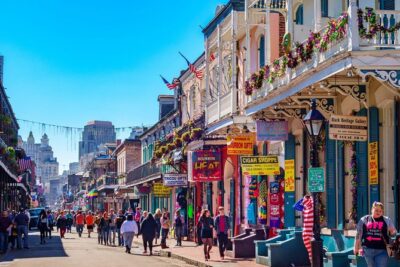
The morning is a walking tour built for orientation. You cover about 1.5 miles on foot at a leisurely pace, with stops like Jackson Square, St. Louis Cathedral, and the Cabildo. This is the part that helps you understand why the Quarter looks the way it does—architecture, power, religion, and trade all stitched together.
The afternoon is where you start to feel the city’s “everyday New Orleans.” You don’t just ride past landmarks; the guide points out the long-term effects of major events and the patterns that keep shaping the city. Hurricane Katrina and the ongoing rebuilding aren’t treated like trivia here; they’re part of how the neighborhoods developed after the storm.
One more reason this tour feels smart: it’s private. With up to four people, you’re not stuck waiting for a big group pace. When something sparks your curiosity—an odd street name, a historical detail, a building style—you can slow down and ask.
You can also read our reviews of more walking tours in New Orleans


The 9:00 AM Start at 619 St Peter: An Easy Launch Into the Quarter
You meet at 619 St Peter, New Orleans, LA 70116, with a 9:00 am start time. If you’re staying in the French Quarter area, that timing is useful because it gets you into the heart of things before the day feels crowded.
The guide meets you at the start point, then you set off at a walking pace that doesn’t feel rushed. The tour uses a mix of short stops for photos and short pauses for context, so you don’t end up sprinting from one landmark to the next.
Also, the plan includes hotel pickup and return, which matters more than it sounds. New Orleans traffic and parking can be annoying, and a long day works better when you aren’t trying to manage transportation on your own.
Jackson Square and the Surrounding French Quarter: Where the Stories Begin
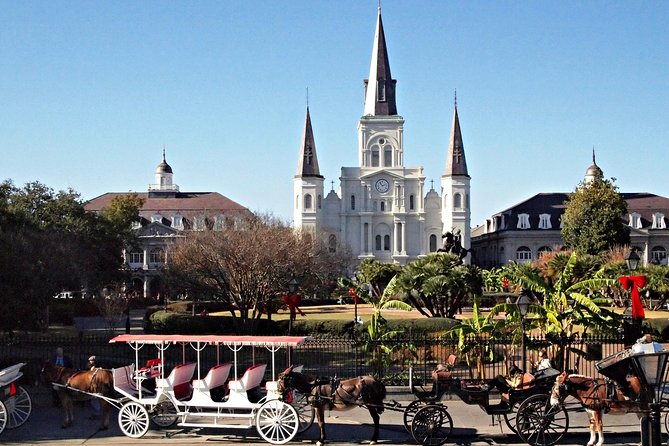
The tour starts in the French Quarter and quickly orients you around Jackson Square. Here you get more than the postcard view. The guide explains the factors that helped shape the city’s founding and the cultural forces that came together to make New Orleans unusual.
Jackson Square is one of those places where it’s easy to look around and think you already get it. You don’t. The guide’s job is to show you how the architecture and institutions connect—how people lived, worshipped, traded, and governed in earlier eras.
From there, the walking flow moves you through key sights without turning the day into a scavenger hunt. You also get a sense of the Quarter as a neighborhood rather than a stage set. The tour’s pace helps you slow down enough to notice details like street layout and the way certain landmarks anchor the area.
Inside the Cathedral Area: St. Louis Cathedral and the Choice to Go In
At St. Louis Cathedral, the tour stops for people who want to go inside. Admission for interior visits isn’t included, so you’ll decide based on your interests and timing.
What I like about this optionality is that it keeps the group moving. If you’re the kind of traveler who loves cathedrals and art, you can take the inside time. If you prefer to focus on the streets and buildings outside, you won’t feel forced to choose the long line.
Even if you don’t go inside, this stop still works because it gives you religious and civic context—how the city built a center that reflected its values and power.
The Cabildo and Louisiana Purchase Context: History With Actual Teeth

Next up is the Cabildo, where you’ll learn why the Louisiana Purchase mattered and how it played out inside the building. This is a standout kind of stop because it connects global events to local spaces you’re actually standing in.
The Cabildo story helps you see the Quarter as a hinge point in history. New Orleans wasn’t just a pretty port city. It was a place where major decisions had consequences for real people, and those consequences show up later in culture and architecture.
If you like history that feels specific—history tied to walls, documents, and institutions—this is the kind of stop that makes the morning worth it.
You can also read our reviews of more city tours in New Orleans




Audubon Park Stop and the Sugar Story: A Break From Only Looking at Buildings
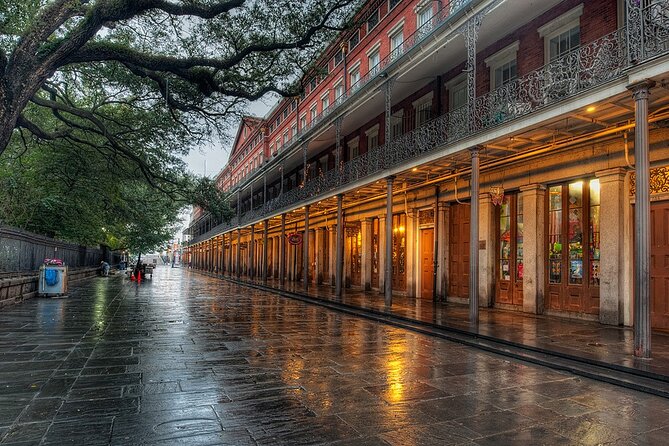
After the walking segment, you switch to the vehicle and head toward Audubon Park. One of the fun context points here: the process of granulating sugar was invented in the area. That’s the sort of detail that makes New Orleans feel less like a theme park and more like a place connected to real industry.
Audubon Park also gives you a mental reset from the dense streets of the Quarter. It’s a chance to see how the city creates breathing room—green space, long views, and a different rhythm than narrow blocks.
This stop is also a practical pause. You get a break from foot traffic and the constant looking upward, which matters if you’re taking photos or you’re traveling with someone who appreciates comfort in the middle of a long day.
Faubourg Marigny and the Placage Connection: Where the City’s Social Systems Show Up
The drive continues to Faubourg Marigny, introduced here as the first suburb of the city and a major setting for the placage system of matchmaking and slavery.
That’s heavy subject matter, and it can be easy for tours to either skim it or avoid it. Here, it’s framed as part of the city’s development—social structures tied to who lived where, who had access, and how relationships were shaped by law and custom.
I appreciate this approach because New Orleans history isn’t just costumes and music. It includes power, unequal systems, and people navigating those realities. When a guide handles that in a direct way, the whole day becomes more meaningful.
Tulane and Loyola Universities: Education as a City Force
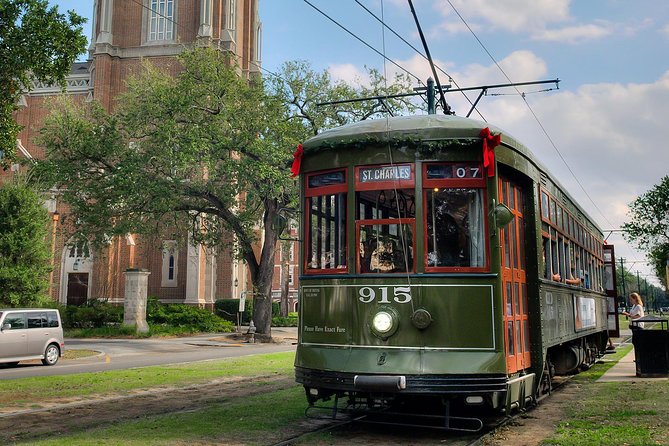
Another drive stop is Tulane and Loyola Universities. The guide also outlines the 8 universities in town and explains how they contributed to development in New Orleans.
This is one of those sections that can surprise you. A lot of visitors come expecting only old-world architecture and food. Universities are part of the modern engine: research, students, cultural life, and economic ripple effects.
If you want New Orleans as it is now—not only as it was—this kind of stop gives you a useful lens. It helps you connect the past to the city’s ongoing identity.
The Neighborhood Drive: 50 Miles That Explain How New Orleans Rebuilds
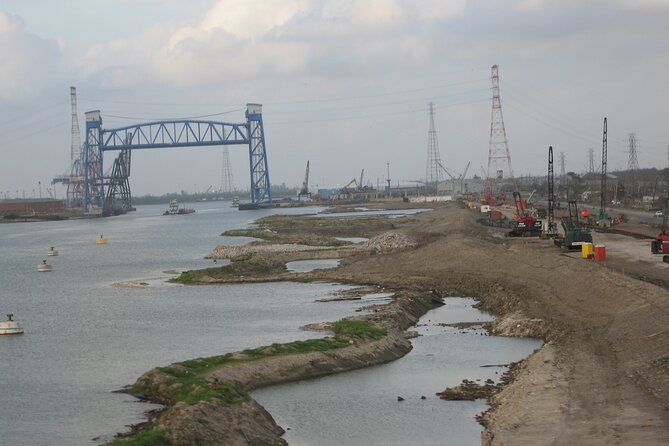
The driving portion covers about 50 miles (80 km) and goes beyond the main tourist route. You’ll see areas like Bayou St. John, St. Charles Avenue, Esplanade Ridge, and the 17th Street Canal, plus more streets and districts that help you understand how the city is laid out.
Here’s the part that makes the driving tour feel valuable: it ties the scenic stops to real city change. The guide discusses the legacy of Hurricane Katrina and the continued rebuilding efforts shaping modern New Orleans.
Even when you’re just passing by, you start noticing patterns:
- where development feels older vs. more recent
- how certain corridors lead to specific neighborhoods
- how waterways and infrastructure influence planning
That’s the kind of thinking you usually miss if you only do walking loops and a few photo stops.
The day also includes St. Charles Avenue, followed by the Garden District, and then time ending back at the Central Business District. That arc gives you a nice “from old to refined to working city” feel.
Optional Lunch: How to Use the Guide’s Food Advice Smartly
After the walking tour, you have time to recharge with an optional lunch at a restaurant of your choice (your own expense). The guide can recommend places depending on what you want—classic Creole or Cajun fare or modern Southern-style cooking—and they can take into account dietary restrictions.
I like optional food time built into a tour like this because it lets you avoid the most common problem: everyone ends up eating something that’s convenient, not something they really want. With a guide’s recommendations, you’re more likely to pick a place that matches your trip goals.
Practical tip: if you have dietary needs, say them early. The guide can steer you toward choices likely to fit, and that reduces stress when you reach the table.
Private Guide Value: When Dominic Musso Sets the Tone
This tour lives or dies on the guide. Based on what I know about the experience, the guides here are local, licensed, and organized—and that shows in how the day flows.
One guide name that stands out from past tours is Dominic Musso. People rate him highly for knowing both early and more recent New Orleans history, and for bringing personal, local-style anecdotes that make the facts feel less like a script. That kind of storytelling matters on a combo tour, because you’re not just collecting landmarks—you’re building a mental map of how New Orleans evolved.
If your travel style is the “ask questions” type, this private format is where it pays off. A group tour moves on. A private tour can slow down when your curiosity kicks in.
Price and What You’re Actually Paying For
The price is $695.00 per group for up to 4 people, for about 7 hours total. If you fill all four spots, that comes out to about $173.75 per person.
That may sound steep until you break down what’s included:
- a private 3-hour French Quarter walking tour
- a private 3-hour driving tour
- licensed local guide
- hotel pickup and return
- private transportation
You’re paying for access and time, not just information. A local guide who can connect the Quarter to the neighborhoods—and do it in one day without you arranging transit—can be better value than stacking two separate tours.
Also note what isn’t included: admissions to unplanned attractions and certain entrances like cathedral or Cabildo interior visits if you choose to go inside. Lunch is optional too.
If you’re traveling as a couple or small family, the price can still make sense if you want privacy and a full-route day. If you’re a solo traveler, the cost is higher per person unless you book with up to three others.
Practical Tips Before You Go
- Wear comfortable walking shoes. The Quarter is textured and uneven in places, and you’ll be on your feet for hours.
- Bring water. Even with stops, New Orleans weather can change fast, and you’ll appreciate staying hydrated.
- Plan for some indoor entry fees. The stops offer the option to go inside, and those admissions aren’t included.
- If you still care about health rules, check ahead. As of March 2022, masks aren’t required by the city, but some venues may still require masks and/or proof of vaccination.
- If you’re sensitive to traffic timing, this tour’s vehicle stops help, but you’ll still be doing normal driving conditions—so keep your day flexible.
Who This Tour Best Fits
This is a strong first-time choice. It gives you orientation in the morning and context for how neighborhoods work in the afternoon.
It also fits well if:
- you want authentic neighborhood context, not only a checklist
- you like guides who connect history to places you can see
- you’re traveling with someone who prefers comfort (pickup, vehicle use) over long solo wandering
It’s less ideal if you want only one kind of experience—like purely art-and-photo stops with minimal walking. This is active and explanatory.
Should You Book This Private French Quarter and Neighborhood Tour?
I’d book it if you want a New Orleans day that makes the city feel coherent. You start with the famous landmarks that set your bearings, then you finish with neighborhoods that show how the city lives, changes, and rebuilds.
Skip it if you’re on a tight budget or you only want the Quarter at walking speed with no interest in infrastructure and neighborhood stories. You can do the Quarter on your own, of course—but you’ll miss the “why” that a local guide threads through both halves of the day.
If you do book, go in ready to ask questions and slow down. This tour works best when you treat it like a guided conversation with a local, not a racing clock of sights.
FAQ
How long is the tour?
It runs for about 7 hours.
How big is the group?
It’s a private tour with a maximum of 4 people per booking.
What does the tour include?
You get a private 3-hour French Quarter walking tour, a private 3-hour driving tour, a licensed and insured local guide, hotel pickup and return, and private transportation.
Are meals included?
Lunch is optional and not included in the price. Food and drinks are your own expense.
Are admission tickets included?
Admission tickets are generally not included, and some stops offer the option to go inside for those who want to.
Where do we meet and when does it start?
The meeting point is 619 St Peter, New Orleans, LA 70116, and the start time is 9:00 am. The tour ends back at the meeting point.
Do I need to wear a mask?
As of March 2022, masks are no longer required by the city, but some venues may still require masks and/or proof of vaccination. It’s best to confirm before your tour.