REVIEW · NEW ORLEANS
New Orleans French Quarter and More Carriage Ride
Book on Viator →Operated by Royal Carriages · Bookable on Viator
New Orleans has a way of grabbing you fast. This small-group carriage ride gives you an easy first look at the French Quarter and Marigny while your guide ties the sights to stories, legends, and local know-how. I especially love the covered carriage comfort and the way you glide past major stops without the stress of parking or heavy walking.
One possible consideration: if you’re not seated where you can hear clearly, the narration can feel harder to catch—and that’s more noticeable during longer stops when cars pass close.
You’ll start on Decatur Street and come back with a tighter sense of where things are and what’s worth your next visit. I like that the tour stays small (max 8), which keeps the guide focused and the pace relaxed. The hour also feels like a good “set the stage” move for people who want the architecture and atmosphere, but don’t want a long walking day.
In This Review
- Key Highlights Worth Planning For
- Horse and Mule Carriage Comfort in the French Quarter
- Decatur Street Start: What You Need to Know Before You Go
- French Quarter Main Sights: St. Louis Cathedral to French Market
- Spanish Cabildo and the Napoleon House Death Mask Connection
- Marigny Views: Why This Extra Neighborhood Changes the Story
- Guide Style That Makes the Hour Feel Worth It
- Value: Is $65 a Smart Use of Your New Orleans Time?
- Who This Carriage Ride Fits Best
- Should You Book This French Quarter and Marigny Carriage Ride?
- FAQ
- How long is the carriage ride?
- What does the tour cost and what’s included?
- Where do I meet the guide?
- How big is the group?
- What ticket format do I get?
- Is the tour affected by weather?
Key Highlights Worth Planning For
- Max 8 people means you get a calmer ride and more room to ask questions as you roll through the Quarter
- French Quarter + Marigny in one loop helps you see both the iconic core and the adjacent neighborhood vibe
- Major stops you’ll recognize fast like St. Louis Cathedral, French Market, Spanish Cabildo, and Napoleon House
- Stories with specifics tied to events and places, from the Great Fire of 1788 to the Battle of New Orleans
- Included local recommendations for what to eat, drink, and do after the ride
Horse and Mule Carriage Comfort in the French Quarter
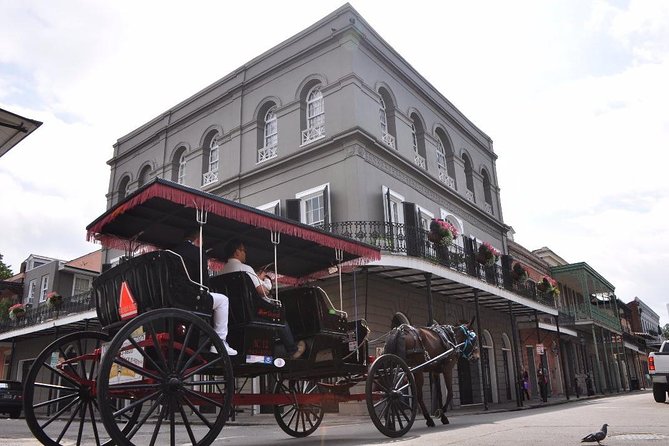
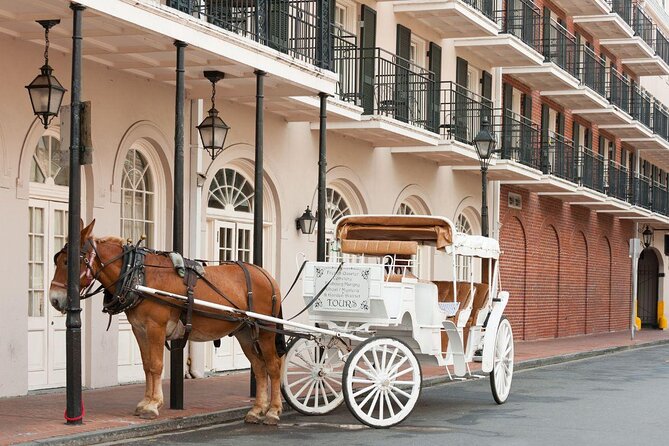
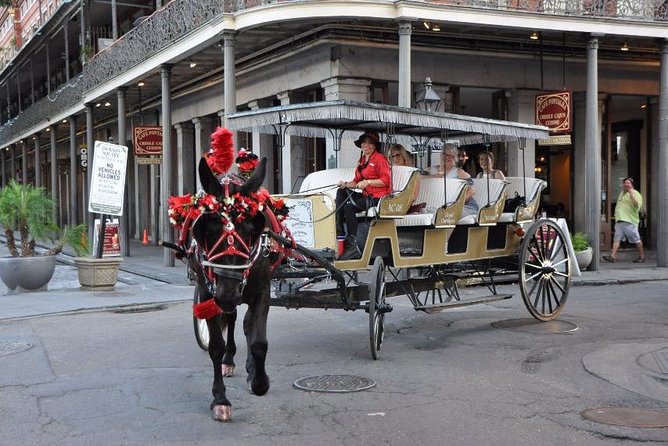
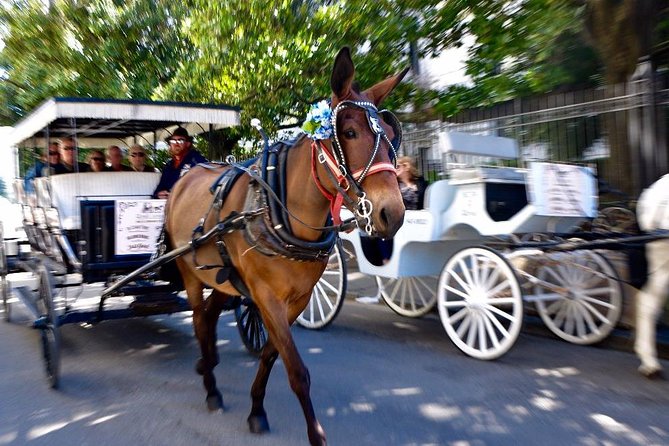
This is built for a slow, comfortable look at New Orleans. You’re on a mule-drawn carriage with a covered top, so sun and light rain won’t instantly end the fun. At about one hour, it’s long enough to feel like you got something real, without wearing out your feet.
Royal Carriages runs the show, and the operation clearly aims for a clean, cared-for experience—carriages get deep cleaning between tours. That matters in a city where you’re constantly choosing between walking in humidity and finding ways to stay comfortable.
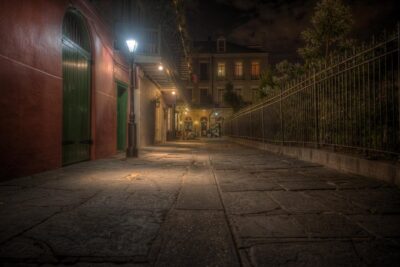
The ride itself is relaxed. You’re not rushing to dozens of stops. Instead, you move through the French Quarter sights in a way that lets you actually look—balconies, façades, street corners—without feeling like you’re sprinting.
You can also read our reviews of more tours and experiences in New Orleans.
Decatur Street Start: What You Need to Know Before You Go
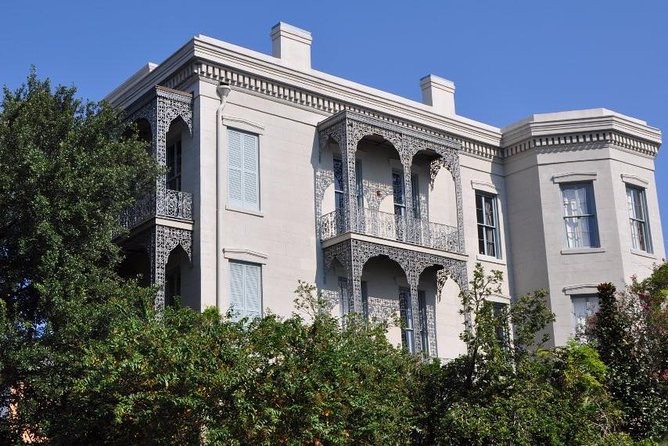
The meeting point is at 700 Decatur St, New Orleans, LA 70116. The tour ends back at the same spot, so you’re not stuck figuring out your next step halfway across town. You’ll get a mobile ticket, and confirmation comes at booking, which makes it easier to show up and get settled.
It’s also offered in English, so you don’t have to worry about language switching. Service animals are allowed, and it’s near public transportation—handy if you plan to pair the carriage ride with other parts of your day.
One practical tip: think about where you’ll sit. Some riders note that sound can be tougher in the back, especially when the carriage pauses and street noise ramps up. If you’re the type who likes every word of the narration, pick a seat that puts you closer to the guide.
French Quarter Main Sights: St. Louis Cathedral to French Market
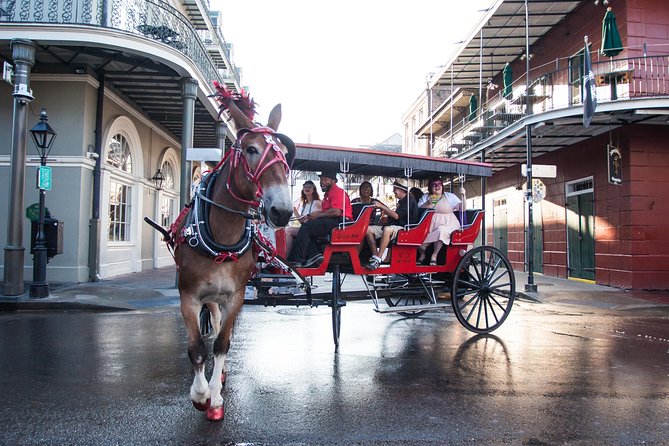
This is the French Quarter “greatest hits,” told with the kind of details that help the place stick in your mind. The tour centers on the Vieux Carre and points out key landmarks tied to New Orleans’ layered past.
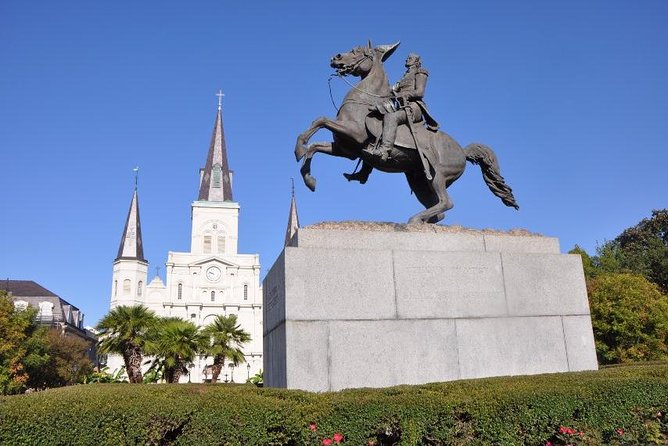
You’ll see St. Louis Cathedral, noted as the oldest continuously active cathedral in the U.S. That’s not just a trivia flex—when your guide connects it to why the Quarter developed the way it did, the building stops being a postcard and starts feeling like an anchor point for the whole neighborhood.
Next up, you’ll get time with the French Market area. It sits with a view toward the Mississippi, so even if you’re not shopping, it gives you a sense of how trade, food, and river life shaped what the Quarter became.
You’ll also pass landmarks including the Spanish Cabildo and the Pontalba Buildings, plus the Place D’Armes area and the area around Napoleon House. The guide ties architecture to historical events, including the Great Fire of 1788 and the Battle of New Orleans. Those two events are huge in how the city rebuilt and what it chose to value after disaster.
Along the way, the commentary covers architectural styles and smaller-but-telling elements too: Creole Esplanade, Old Slave Quarters, French coffee houses, Spanish patios, and ironwork balconies. That mix is exactly why a carriage ride is more than just transport—it turns your visual observations into something you understand.
Spanish Cabildo and the Napoleon House Death Mask Connection
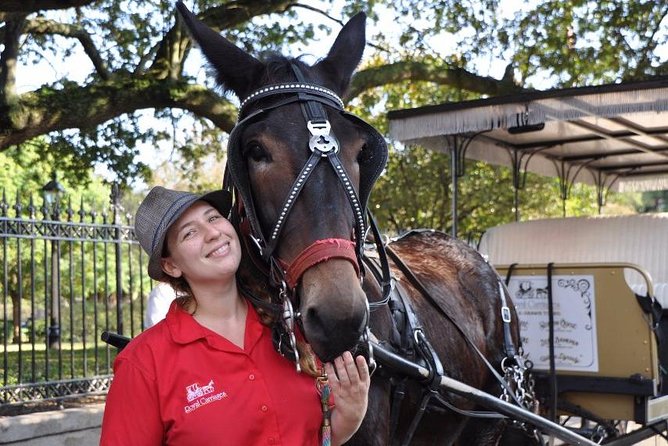
If there’s one stop that feels uniquely New Orleans, it’s the Spanish Cabildo and the Napoleon House story linked to it. You’ll hear about how a mold made by Dr. Francesco Antommarchi—Napoleon Bonaparte’s physician at the time of Napoleon’s death—helped shape what you see today. The museum is now home to Napoleon’s death mask.
This isn’t just a famous name dropped for effect. The payoff is how the guide explains why New Orleans holds onto details like this—how legends, science, and politics end up mixed into the physical cityscape.
You’ll also hear about Place D’Armes, including a viewpoint around the hotel area and the broader sense of what this space meant in the Quarter’s daily life. When your guide points out what survived, what changed, and what’s symbolic, you start recognizing patterns: plazas for gathering, buildings for commerce and power, and streets that evolved from necessity.
Marigny Views: Why This Extra Neighborhood Changes the Story
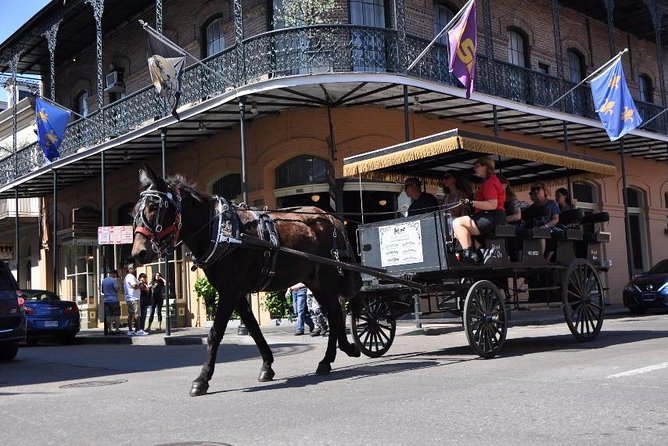
The ride doesn’t stop at the French Quarter border. It also takes you into Marigny, which helps you understand the city as more than one photogenic zone.
Marigny is a good contrast because it feels adjacent but different. You’ll get to see the kind of homes and street character that make people talk about New Orleans’ color, textures, and architecture in the first place. One rider especially liked seeing how the homes looked and even heard explanations for the vivid colors.
This part is valuable because it changes the way you plan the rest of your day. After a carriage loop, you’re less likely to stay trapped in a single radius. You’ll have a clearer sense of where to head next if you want to keep exploring beyond the busiest corners.





Guide Style That Makes the Hour Feel Worth It
The biggest “make-or-break” factor for any carriage tour is the guide. Here, the guide experience is clearly a major reason people rate this so highly.
I like that the narration tends to feel local and personal, not scripted. Some guides you might meet include people named Sarah, Nate, Marty, Tony, Mike, Erma, Trish, and Desire. That variety matters because it suggests the company leans on real neighborhood knowledge rather than a one-size-fits-all script.
You’ll also hear a mix of humor and detail. Multiple riders mention funny commentary and smooth, safe driving, plus guides who take time to point out special places along the way. In practice, that means you’re not just passing buildings—you’re learning what to look for when you return on foot later.
And yes, you should expect specific suggestions, not vague advice. Recommendations are included for nightclubs, jazz, museums, and other must-sees. If your goal is to map out your evening while you’re still energized, this included guidance can save you a lot of decision fatigue.
Value: Is $65 a Smart Use of Your New Orleans Time?
For $65 per person, you’re paying for a few things at once: a one-hour guided carriage ride, a small-group setup, and built-in local recommendations. It’s not a “snack included” kind of tour, and gratuity isn’t included either, but the structure still makes sense for many budgets.
Here’s why the value can be strong:
- You get a guided introduction to the Quarter and Marigny, so you’re not starting your trip blind.
- You cover multiple major landmarks in a short time span.
- You get practical after-the-ride direction for food, music, and museums.
Where you’ll want to be realistic: it’s still about an hour. If you love long, slow conversations or you want extra stops like a cemetery, you may wish the ride lasted a bit longer. But as a first-day or early-evening orientation, it’s a smart use of time because it helps you choose where to spend your next few hours.
A good strategy is to book this earlier in your trip. Then you can use the guide’s “where to go next” ideas to plan dinner and music with confidence.
Who This Carriage Ride Fits Best
This tour is a strong fit if you want:
- A comfortable way to see a lot without long walking
- A first-time orientation to French Quarter landmarks
- A relaxing pace with storytelling and city pointers
- A family-friendly option—some riders even mention a 4-year-old enjoying the horse and the ride
It’s also a great choice if you’re traveling in a small group and want the guide to keep your experience personal. The max group size of eight helps keep the vibe calm rather than chaotic.
If you’re the type who wants every stop to be a photo shoot, you’ll like the carriage format because it gives you natural viewing windows. If you’re hard of hearing, consider choosing a seat where you’re closest to the driver/guide so you can catch the narration.
Should You Book This French Quarter and Marigny Carriage Ride?
I’d book it if you want a smooth, efficient, guided introduction to New Orleans that doesn’t require you to “research first.” The best reason is simple: you’ll leave with both landmark knowledge and a sense of where to go next—plus included tips for food, jazz, and museums.
Book it if:
- You want the French Quarter highlights plus a Marigny look
- You’d rather ride than walk for an hour
- You like history explained in plain, story-driven chunks
- You appreciate small-group experiences
Hold off if:
- You’re expecting a super long tour with lots of extra add-ons
- You tend to struggle hearing narration from farther back in vehicles
FAQ
How long is the carriage ride?
It runs for about 1 hour.
What does the tour cost and what’s included?
The price is $65 per person. You get the mule-drawn carriage ride and recommendations for nightclubs, jazz, museums, and other must-sees. Snacks and gratuity are not included.
Where do I meet the guide?
The meeting point is 700 Decatur St, New Orleans, LA 70116, USA. The tour ends back at the meeting point.
How big is the group?
The tour is limited to a maximum of 8 travelers for a more comfortable experience.
What ticket format do I get?
You’ll use a mobile ticket.
Is the tour affected by weather?
Yes. This experience requires good weather, and if it’s canceled due to poor weather, you’ll be offered a different date or a full refund.