REVIEW · NEW ORLEANS
New Orleans Voodoo, Storyville, Treme, Walking Tour
Book on Viator →Operated by Historic New Orleans Tours · Bookable on Viator
Some neighborhoods in New Orleans come with straight-up backstory. This walking tour links Storyville jazz roots with Tremé survival and memory in one focused 2+ hour loop.
I especially like how the route gives you built-in context, from the last surviving Storyville buildings to the church history on the way to Congo Square. I also like that you’re not just pointed at landmarks, you’re guided through what they meant—plus you end at a memorial that you can’t really skip. One thing to keep in mind: the day moves at a walking-tour pace, and you’ll want comfortable shoes and moderate stamina.
In This Review
- Key Highlights You’ll Actually Feel on the Walk
- A 2-Hour Walk That Connects Storyville, Tremé, and Voodoo
- Price and Value: Why $29 Often Feels Fair Here
- Meet at Backatown, End at St. Augustine
- Stop-by-Stop: What Each Place Gives You (and What to Watch For)
- Storyville District: The Last Buildings of a Loud, Dangerous Chapter
- Our Lady of Guadalupe Church: Oldest Surviving Church Energy
- Congo Square: Where Culture, Music, and Resistance Met
- Louis Armstrong Park: A Music Name in a Real Neighborhood
- St. Augustine Church: Oldest Predominantly Black Catholic Parish
- Backstreet Cultural Museum Area and the Tomb of the Unknown Slave
- Your Guide Matters: Names You’ll Hear on This Route
- How to Prepare: Timing, Weather, and What to Wear
- Who This Walking Tour Is Best For
- Should You Book This New Orleans Voodoo, Storyville, Tremé Tour?
- FAQ
- What is the duration of the New Orleans Voodoo, Storyville, Treme walking tour?
- How much does the tour cost?
- Where does the tour start and end?
- Is this tour offered in English, and do I get a ticket on my phone?
- Are admissions included for the stops?
- How physically demanding is the walk?
- What is the group size limit?
- Are service animals allowed?
- Is dinner included?
- What if the weather is bad or I need to cancel?
Key Highlights You’ll Actually Feel on the Walk
- Storyville’s surviving buildings: you see what’s left of the city’s early red-light district, tied to the birth of jazz
- Congo Square context: learn how African enslaved communities shaped New Orleans culture through gathering and resistance
- Two major churches in one tour: Our Lady of Guadalupe and St. Augustine each anchor different parts of the city’s story
- Louis Armstrong Park stop: a named tribute that connects music history to a lived neighborhood
- Tomb of the Unknown Slave: a rare memorial stop that adds weight and perspective
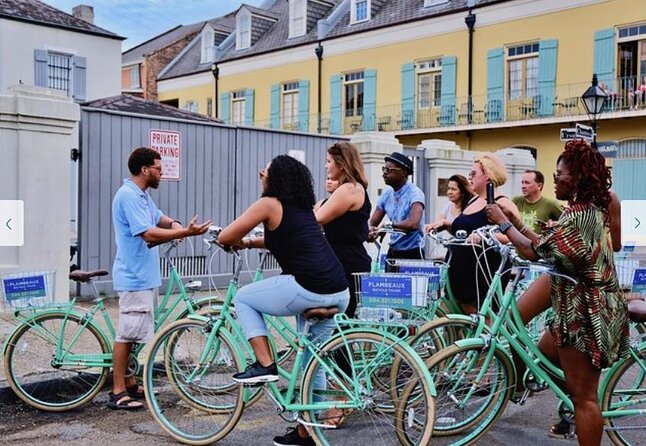
- Small group size (max 20): easier questions, less rushing, more time to hear your guide
A 2-Hour Walk That Connects Storyville, Tremé, and Voodoo
This tour works because it ties together three New Orleans ideas people often treat like separate topics: jazz, faith, and voodoo. You start in Storyville, where the city’s nightlife history intersected with early jazz. Then you slide into Tremé, where African-descended communities kept culture alive—sometimes openly, sometimes under pressure.
The voodoo element isn’t just name-dropped. You get cultural framing: how belief systems, music, and community memory lived side by side in the same streets and institutions. That’s what makes the walk more than sightseeing. It helps you understand why certain places feel different when you finally know what happened there.
And the format is simple: a guided walk with several short stops. You’ll get quick explanations at each point, plus enough discussion to ask follow-ups when something really grabs you.
You can also read our reviews of more walking tours in New Orleans

Price and Value: Why $29 Often Feels Fair Here
At $29 per person for about 2 hours 15 minutes, the value comes from what’s included and what isn’t.
Included: expert licensed guides. That matters on a history-heavy walk, because New Orleans has plenty of plaques and plenty of legends—and you’ll get clarity on what’s documented versus what’s commonly repeated.
Also included: the tour’s stop admissions are listed as free, so you’re not piecing together extra entry fees while you’re already paying for the guide. You’re basically paying for interpretation plus the guided route through several important sites.
What’s not included: dinner. That’s normal for a morning/afternoon-style walk. Plan to eat before or after on your own, ideally while the tour is still fresh in your mind.
Finally, max group size is 20. In this kind of neighborhood, that number is a real advantage. You’re more likely to hear the guide, and the group doesn’t turn into a marching wall.
Meet at Backatown, End at St. Augustine
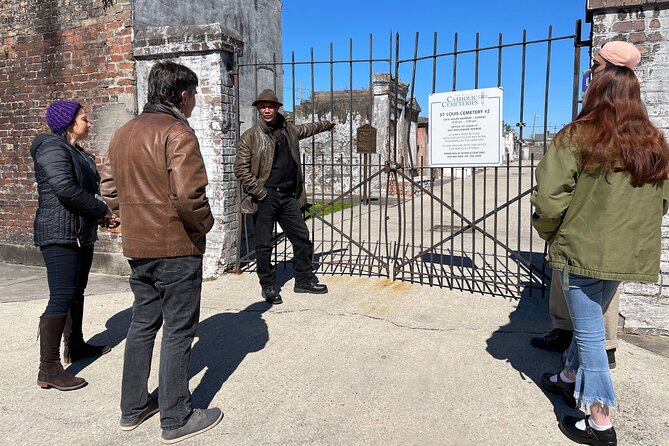
You meet at Backatown Coffee Parlour, 301 Basin St #1. That’s a practical anchor point—easy to find and convenient before you start walking. The tour ends at Saint Augustine Catholic Church, 1210 Governor Nicholls St, with the Tomb of the Unknown Slave located on the side of the church.
This matters because the tour isn’t built like a loop that sends you back where you started. You’ll finish in a spot you can keep exploring. If you want to extend the day, you’re already in a dense, historically meaningful area rather than being dropped in the middle of nowhere.
Stop-by-Stop: What Each Place Gives You (and What to Watch For)
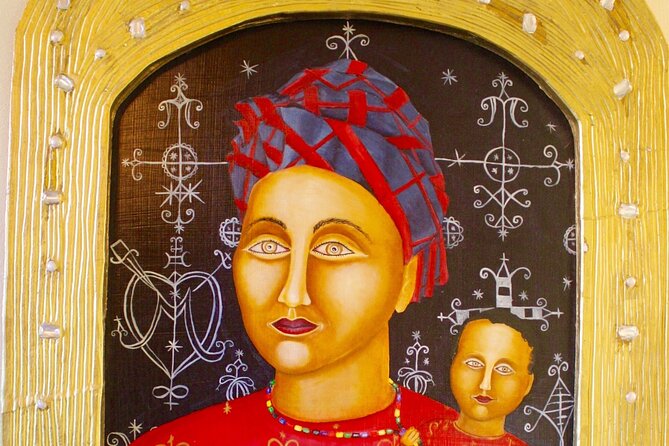
Storyville District: The Last Buildings of a Loud, Dangerous Chapter
Your first stop is the Storyville District, specifically the three remaining buildings of what became famous (and notorious) as the city’s red-light district. This is where early jazz development gets tied into the story.
What makes this stop worth your time is scale and contrast. Storyville was bigger than what’s left today. So the guide’s job here is to help you mentally rebuild the missing parts—how the nightlife economy and cultural exchanges shaped the music scene that later became world-famous.
Practical note: because this is a small set of remaining structures, the discussion is the main event. Listen closely to how your guide explains the connections to jazz rather than just the physical buildings.



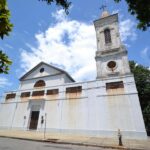
Our Lady of Guadalupe Church: Oldest Surviving Church Energy
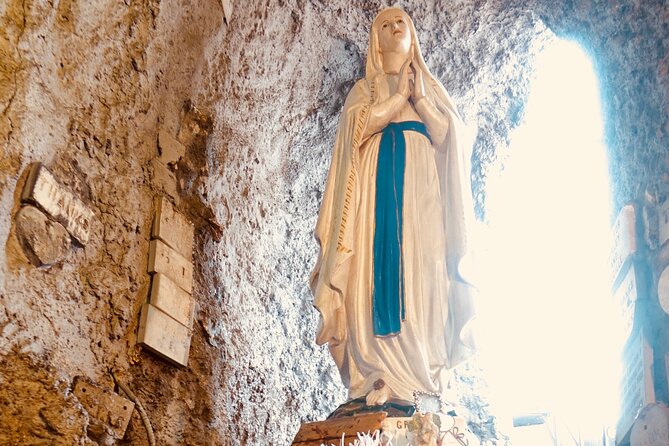
Next you visit Our Lady of Guadalupe Church. The key detail here is that it’s described as the oldest surviving church in New Orleans, and your guide will walk you through why it matters.
This stop is about continuity. In a city where much has changed, churches can act like time anchors. You’ll likely hear how the church connects community life, historical change, and religious tradition in a way that keeps showing up in New Orleans culture long after the original circumstances fade.
Consideration: churches can mean slower pace, standing for parts of the explanation, and sometimes echoey sound. If you’re sensitive to noise, don’t assume you’ll always hear every word from a distance. Move closer when your guide asks the group to gather.
Congo Square: Where Culture, Music, and Resistance Met
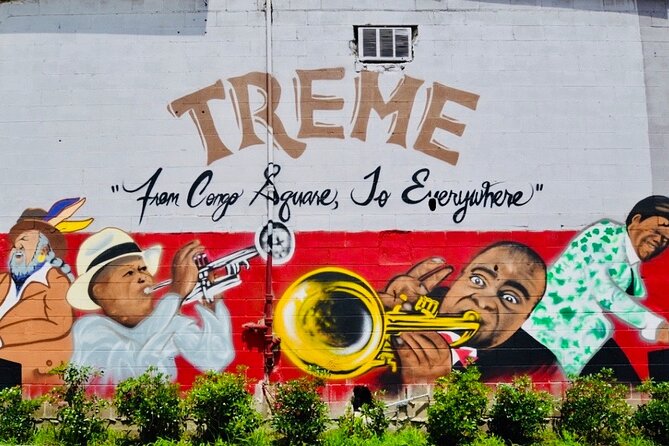
Then you reach Congo Square, described as a historic gathering place of African slaves—where much of New Orleans culture was born.
This is one of the most important stops on the entire route because it reframes what you think you know about “culture.” You’re not just visiting a landmark. You’re walking into the idea that community gathering can be an act of survival and identity.
In plain terms: the stories at Congo Square help you connect music and tradition to real human pressure and real choices. That makes the later music references feel less like trivia and more like context.
Tip for you: take your photos quickly, then look up again. The best part is often the explanation, not the shot.
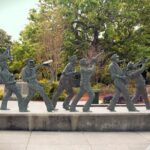
Louis Armstrong Park: A Music Name in a Real Neighborhood
Next comes Louis Armstrong Park, named for one of New Orleans’ most famous sons. You’ll spend time in the park and connect the name to the broader neighborhood story you’ve been building.
This isn’t just a “famous person” stop. It’s a reminder that music legends didn’t fall from the sky. They came out of communities shaped by history, hardship, and creativity.
If you like music, this stop helps you understand why Armstrong is more than a brand. It’s a way to connect jazz history to the physical city.
Practical note: parks can be windy or hot depending on the day. Bring water if you know you’ll run warm.
St. Augustine Church: Oldest Predominantly Black Catholic Parish
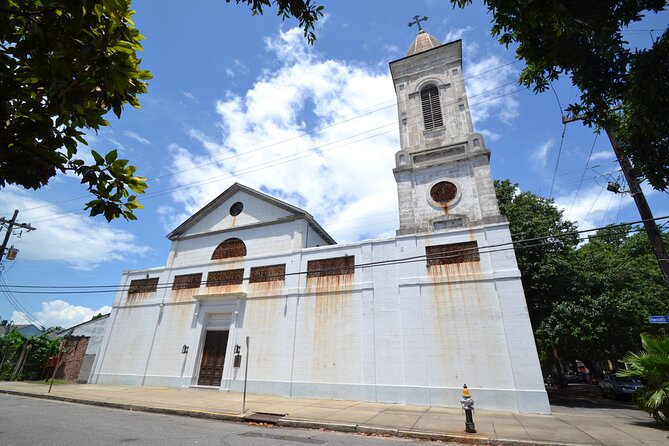
You then visit St. Augustine Church, described as the oldest predominantly Black Catholic parish in the country.
This stop adds another layer to the tour’s mix of faith, community, and survival. It helps you see how New Orleans history didn’t happen in just one setting. It happened in churches, too—where identity and belonging were maintained through institutions.
This is also a powerful lead-in to the final memorial stop.
Backstreet Cultural Museum Area and the Tomb of the Unknown Slave
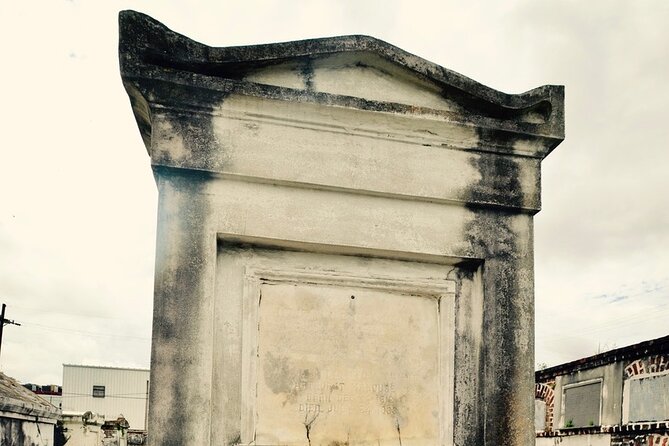
The last stop is across the street from the now-closed Backstreet Cultural Museum, where you’ll see the Tomb of the Unknown Slave. The tour describes it as the only memorial of its kind in America.
Even if you usually skip memorials on trips, don’t treat this as a quick photo stop. The point is recognition—naming the unnamed experience in a place designed to make you slow down and think.
Also: since the tomb is on the side of St. Augustine Catholic Church, you’ll already be in the emotional “neighborhood” created by the church stop. The sequence helps. It moves from identity and community to memory and acknowledgement.
Your Guide Matters: Names You’ll Hear on This Route
This tour leans hard on guide storytelling. When it clicks, it’s because your guide knows how to connect local history to what you’re seeing in front of you.
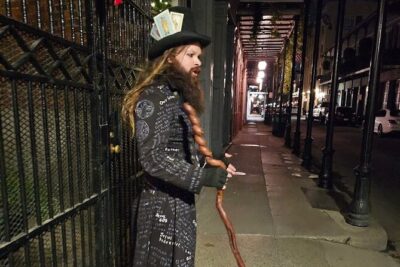
In the guide names you may encounter, New Orleans Nate shows up often. People highlight his energy and his habit of backing up stories with specific historical references (the idea of receipts comes up in the way he explains things). Another recurring name is David Higgins (also listed as Dave Higgins). Folks describe him as charismatic and funny, with animated stories that turn the walk into something you remember later.
There are two things to watch for based on past experiences:
- Some days, a substitute guide may shift the emphasis more toward music and musicians than the voodoo angle. If voodoo topic depth is your top priority, keep that possibility in mind.
- Sound can vary on the street. If you’re at the edges of the group, you might miss parts. Step in closer when your guide talks, especially during open-street sections.
How to Prepare: Timing, Weather, and What to Wear
This is a walking tour with multiple short stops, roughly totaling 2 hours 15 minutes. That means you’re on your feet longer than a “stroll past landmarks” style tour.
I’d plan for:
- Comfortable walking shoes (the route crosses uneven sidewalks at minimum, and you’ll want grip)
- Water if it’s warm, especially with park time
- A light layer if the day turns breezy in open areas
- Ear attention: New Orleans streets can be noisy, so listen with your whole brain rather than expecting perfect audio at all times
Weather is a factor. The experience requires good weather, and if conditions are poor, you’ll be offered a different date or a full refund.
Who This Walking Tour Is Best For
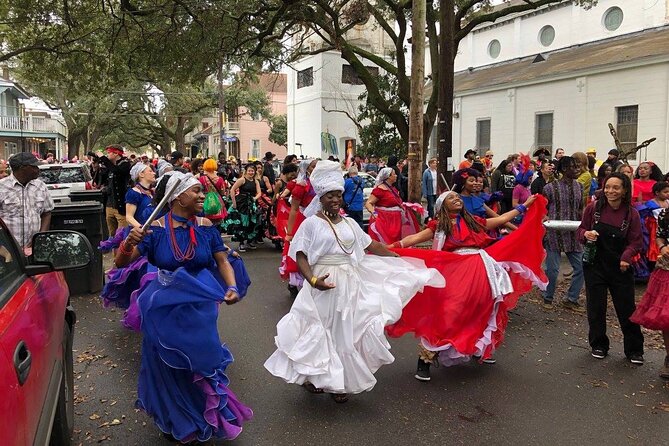
This works best if you want more than surface-level tourism.
You’ll like it if:
- You care about how jazz history links to specific neighborhoods, not just famous musicians
- You want a respectful look at the voodoo side of New Orleans culture alongside churches and community history
- You prefer small-group walking tours with conversation and context
- You want one outing that hits several key sites without wasting half your day in transit
You might skip it if:
- You want a long, detailed museum-style experience at one location rather than multiple stops
- You’re only interested in voodoo as spectacle. This tour is more about cultural and historical framing than showy entertainment
Should You Book This New Orleans Voodoo, Storyville, Tremé Tour?
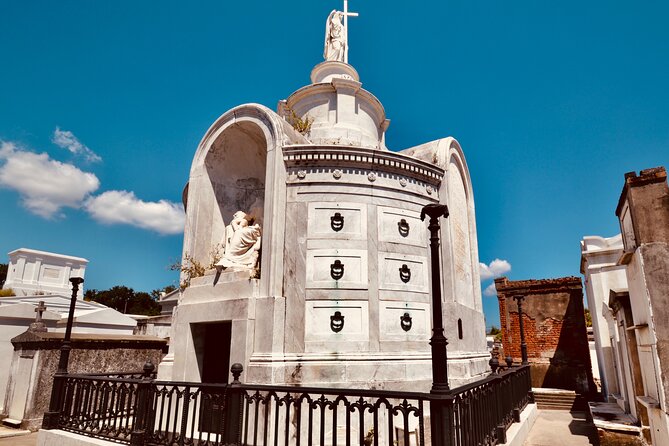
I think it’s an easy yes for first-timers who want real context fast. For $29, you get a tight route through Storyville’s remaining buildings, Congo Square, major churches, and the Tomb of the Unknown Slave, all with a licensed guide running the show.
Book it early in your trip if you can. The explanations help you navigate the city afterward with better instincts about what to look for—and what to ignore.
One caution: if voodoo depth is your top goal, you may want to keep expectations flexible. The voodoo topic can be guided in different ways depending on who’s leading that day. Still, the route itself is strong even if your guide leans more on music and documented history.
FAQ
What is the duration of the New Orleans Voodoo, Storyville, Treme walking tour?
It runs for about 2 hours 15 minutes.
How much does the tour cost?
The price is $29.00 per person.
Where does the tour start and end?
It starts at Backatown Coffee Parlour, 301 Basin St #1, New Orleans, and ends at Saint Augustine Catholic Church, 1210 Governor Nicholls St. The Tomb of the Unknown Slave is on the side of St. Augustine Catholic Church.
Is this tour offered in English, and do I get a ticket on my phone?
Yes, it is offered in English. You receive a mobile ticket.
Are admissions included for the stops?
Admission is listed as free for the stops on the route.
How physically demanding is the walk?
The tour is rated as requiring a moderate physical fitness level.
What is the group size limit?
The tour has a maximum of 20 travelers.
Are service animals allowed?
Yes, service animals are allowed.
Is dinner included?
No, dinner is not included.
What if the weather is bad or I need to cancel?
The experience requires good weather. If it’s canceled due to poor weather, you’ll be offered a different date or a full refund. You can cancel for a full refund up to 24 hours in advance.