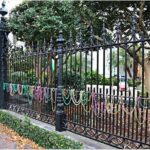
REVIEW · NEW ORLEANS
French Quarter History and Landmark Waking Tour
Book on Viator →Operated by Livery Tours · Bookable on Viator
One of the best ways to understand New Orleans fast is on foot. This French Quarter walking tour pairs street-level stories with a visit to the above-ground St Louis No. 1 cemetery, including Marie Laveau’s final resting place. I love how the tour ties the city’s French-colonial roots to what you see today, and I also love that it’s led by a professional historian guide rather than a casual stroll.
The main thing to plan for is walking in sun and heat, especially once you reach the cemetery where shade is limited. Also, you won’t be fed on this one, so build in time for snacks on your own afterward.
In This Review
- Key highlights to look forward to
- A $30 French Quarter walking tour that earns its money
- Where you meet and how the timing actually works
- Getting the Catholic thread: from the Square to the Cabildo and Presbytere
- Royal Street: where the shops and galleries sit on old ground
- Bourbon Street, then and now: history alongside the noise
- Congo Square: pre-colonial origins and how a space evolved
- French Market and Café du Monde: big landmarks that feel lived-in
- St Louis No. 1 Cemetery: above-ground tombs and Marie Laveau
- How the guide style shapes the whole tour (and your enjoyment)
- What you’ll actually do in two hours
- Best for who? And the one group that might feel bored
- Should you book this French Quarter History and Landmark Walking Tour?
- FAQ
- How long is the French Quarter History and Landmark Walking Tour?
- Where does the tour start?
- What time does the tour begin?
- What is the price per person?
- Is a tour guide included?
- Are food and drinks included?
- Is the tour ticket mobile?
- How big is the group?
- Is there free cancellation?
Key highlights to look forward to
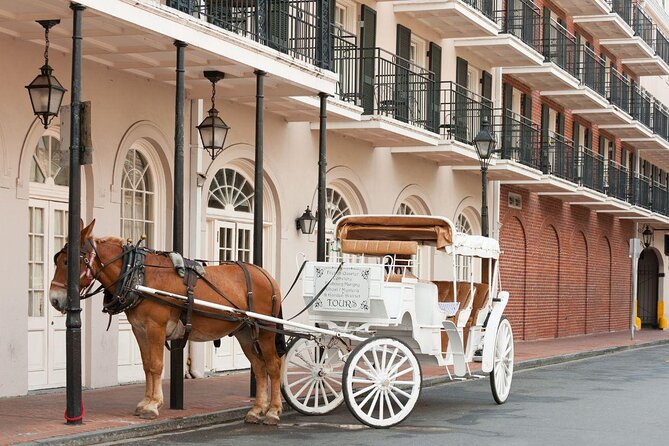
- Professional historian guide for clear context and real place-based storytelling
- Small group size (max 16), so it’s easier to ask questions and keep your pace
- Cemetery access at St Louis No. 1, including Marie Laveau’s site
- Congo Square (20 minutes) focused on pre-colonial origins and how that cultural space changed over time
- Icon stops in one loop like Jackson Square, the French Market, the Cabildo, the Presbytere, and Café du Monde
A $30 French Quarter walking tour that earns its money
At $30 per person for about two hours, this isn’t the kind of tour that relies on you buying extras. You’re paying for two big things: a guided interpretation of iconic landmarks and a guided visit inside the St Louis No. 1 cemetery experience (the kind you don’t just wander into on your own).
The value gets even better if you’re a first-timer. The French Quarter can feel like sensory overload. This tour gives you a mental map: who lived here, what institutions shaped daily life, and why certain places matter beyond the postcard version.
You can also read our reviews of more historical tours in New Orleans



Where you meet and how the timing actually works
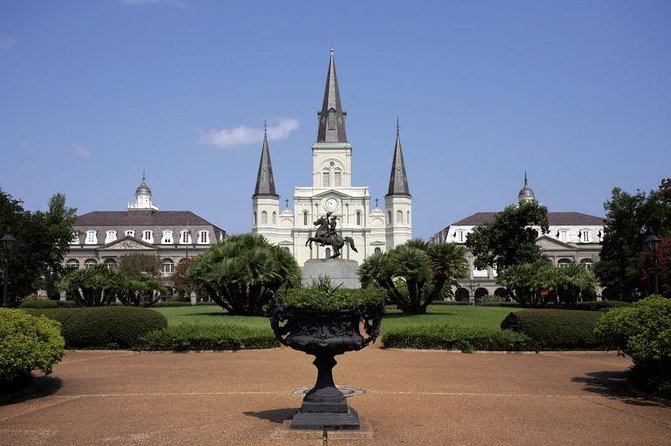
You’ll start at 540 Chartres St in the French Quarter. The start time is 10:00 am, and the tour runs about 2 hours to the end point back in the neighborhood.
Two details matter here. First, it’s a walking tour, so comfortable shoes aren’t optional. Second, it includes a cemetery visit, and cemeteries do not care about your schedule or your comfort level—heat and sun are a real factor.
If you’re thinking of booking, note that this one is usually snapped up ahead of time. The average booking window is about 46 days in advance, so plan early if your dates are fixed. The good news: you get a mobile ticket, so you’re not hunting for paper.
Getting the Catholic thread: from the Square to the Cabildo and Presbytere
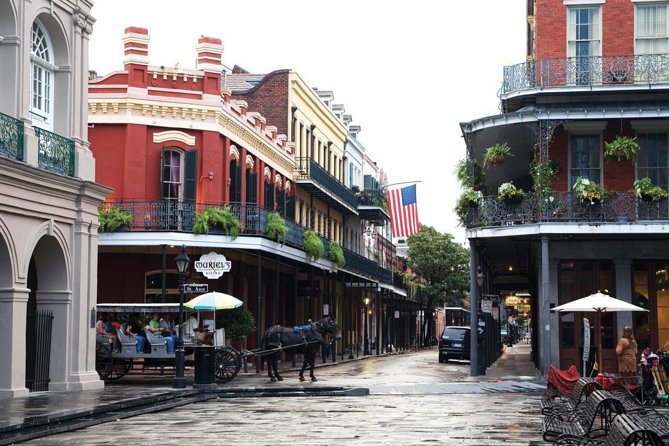
Early on, the tour centers on the Catholic influence that helped shape New Orleans. In a place like the French Quarter, Catholicism isn’t abstract. It’s built into the way public space and civic buildings developed, and the tour uses landmarks to explain how that played out over time.
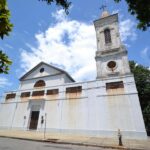
You’ll also move through the Jackson Square area, which is one of the easiest places to connect “the city’s past” with “the city you’re walking in.” From there, the Cabildo and the Presbytere come into focus as part of the same story: the city’s French-colonial beginnings, the institutions that followed, and how the Quarter became a stage for both politics and everyday life.
One consideration: if your tolerance for church-related history is low, you might want to mentally switch from facts-only to “why this location matters.” This tour works best when you’re open to the idea that even a landmark façade can explain how power and community formed.
Royal Street: where the shops and galleries sit on old ground
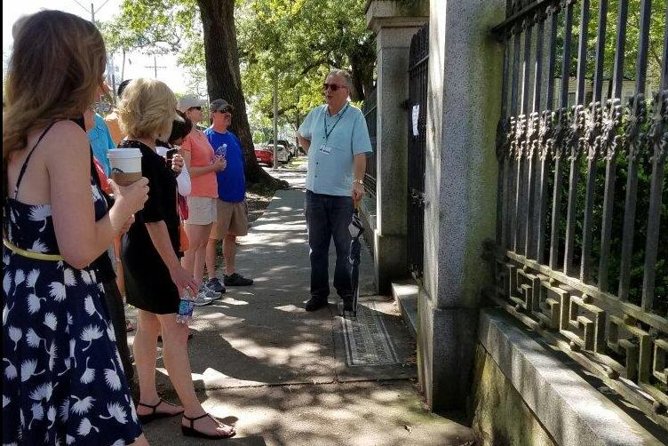
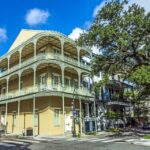
Next comes Royal Street, known for its upscale shops and galleries. The tour doesn’t just point at storefronts; it connects the street to the kind of society that grew around this part of town.
This is one of those stops where the timing is great. You’re walking, the area is easy to navigate, and the guide’s stories give you a better eye for what you’re seeing. Even if you don’t buy anything, you’ll leave with a stronger sense of how the Quarter became a place where art, commerce, and status were all tied together.
Practical tip: if you do want to browse, don’t count on deep shopping time. This is a “walk and learn” format, not a “shop for hours” format.
Bourbon Street, then and now: history alongside the noise
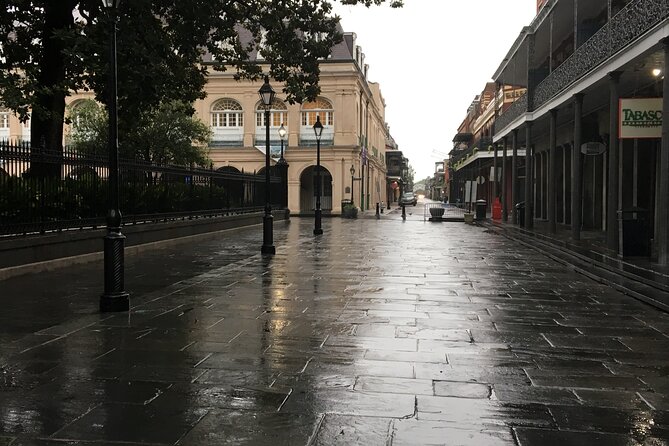
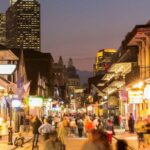
The tour also takes on Bourbon Street—its history and the current Bourbon Street scene. This is where New Orleans can feel like it has two personalities at once: older rhythms underneath, and a modern party atmosphere on top.
The value here is balance. You get a sense of why the street became what it is, without pretending the present scene is the whole story. If you’re concerned about Bourbon Street’s reputation, I’d treat this as a controlled introduction. You’ll understand the context before you decide whether you want more of that nightlife later.
Small caution: Bourbon Street can be loud and crowded, and it can affect how well you catch details. The best move is to lean in during the guide’s talk, then decide after whether you want to linger.





Congo Square: pre-colonial origins and how a space evolved
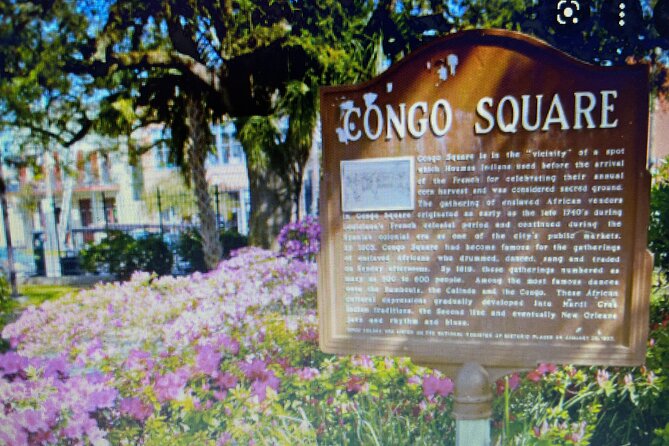
One of the most compelling stops is Congo Square. The focus here is on pre-colonial origins and how the space evolved across empire and time. It’s not just a “point of interest.” The tour frames it as a place that changed meaning while still carrying deep cultural weight.
You’ll spend about 20 minutes at this stop, and there’s no admission ticket mentioned for that portion. That makes it a strong use of time within a tight two-hour schedule.
If you like your history with real geography, Congo Square is where it clicks. You’re standing in a named public space that has gone through major layers of history, and the guide’s job is to help you see the continuity beneath the change.
French Market and Café du Monde: big landmarks that feel lived-in
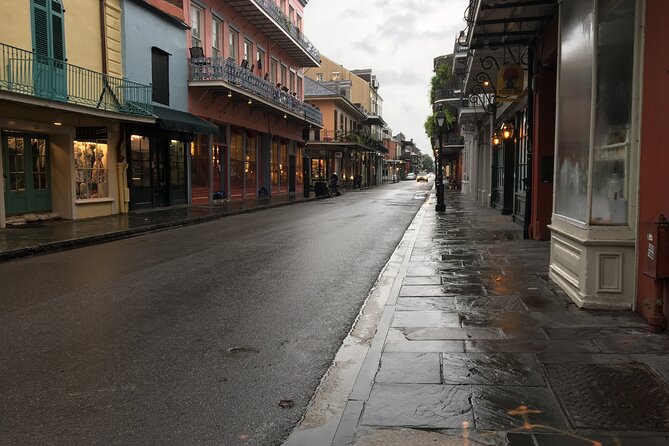
From Jackson Square into the market area, you’ll hit stops including the French Market and Café du Monde. These are the kinds of places that draw visitors because they’re famous, yes—but they also function as meeting points where locals and travelers overlap.
The tour’s approach is useful: you learn the backstory behind the landmarks while you’re still in the middle of the action. It prevents the common problem of seeing the French Quarter as scenery only. Instead, you start linking the built environment to human routines and long-running traditions.
Two things to keep in mind. First, food and drinks aren’t included, so treat these as photo-and-context stops. Second, if you want to eat, plan it around the tour’s schedule rather than trying to multitask mid-walk.
St Louis No. 1 Cemetery: above-ground tombs and Marie Laveau
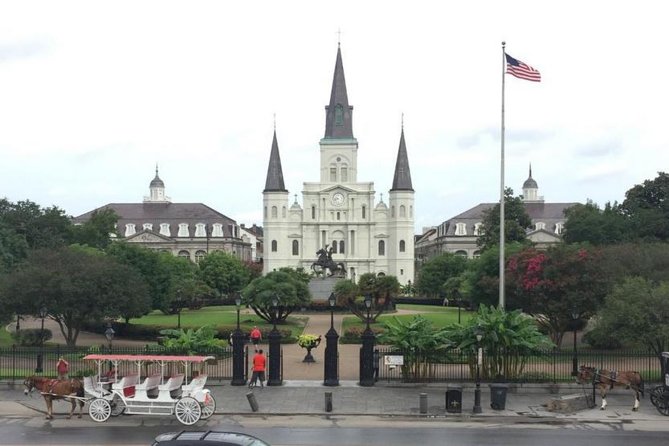
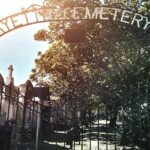
Then you reach the part many people remember most: St Louis Cemetery No. 1. What’s unusual here is the above-ground tomb layout, and the guide uses that setting to explain why the cemetery is such a powerful part of the city’s identity.
This is also where the tour highlights the final resting place of voodoo queen Marie Laveau. The cemetery visit gives you a focused, respectful way to learn about legend and belief as part of New Orleans culture—not as a spooky gimmick.
One practical point is huge: the cemetery experience can be hot. Comfort matters. Wear breathable clothing, bring water if you can, and consider a hat. Shade is limited in areas like this, so even when the rest of the Quarter feels manageable, the cemetery may not.
Another important note for your expectations: the cemetery is the kind of place where a licensed guide makes a real difference. People specifically credit the fact that you only get access through a proper guide, and the tour is built to provide that.
And yes—this is the moment where you should keep your voice calm and your behavior respectful. That doesn’t kill the vibe. It makes the stories land.
How the guide style shapes the whole tour (and your enjoyment)
A big reason this tour gets strong ratings is the guide quality. Names that show up repeatedly in guide feedback include David, Dane, Graham, Tara, Randy, Mike, Mark, and Michael Naughton. The consistent theme is that the guides keep the walking tour engaging, answer questions, and adapt the pace to the group.
You’ll feel it most when the tour shifts from “what is this building” to “why did this matter.” That transition is where a good guide earns their keep. If you ask questions, you’ll likely get answers that connect the dots between French colonial roots, Catholic influence, and the city’s later cultural layers.
What you’ll actually do in two hours
If you’re trying to decide whether this tour fits your trip, here’s the practical reality: you’ll spend two hours moving through classic French Quarter landmarks, with the cemetery visit as the deeper anchor.
Expect a format like:
- Start near Chartres Street and move into the Quarter’s civic and religious framework.
- Walk past major “people watch” streets and major landmark sites.
- Stop briefly at Congo Square for a focused history lesson.
- Finish with St Louis No. 1 and the Marie Laveau site, spending real time with the cemetery setting.
Photo note: you can take pictures, but the cemetery section is not a free-for-all. Keep your camera use respectful, and let the guide finish their key explanations.
Best for who? And the one group that might feel bored
This tour is a great fit if you’re:
- A first-time visitor who wants a quick way to understand the Quarter
- A history fan who likes stories tied to specific streets and buildings
- Someone who wants Marie Laveau and St Louis No. 1 as part of your trip plans
It’s not ideal if you hate walking, hate hearing about religion-influenced civic history, or expect a food-and-drink outing. This is context first. Food comes later, on your own.
Should you book this French Quarter History and Landmark Walking Tour?
Book it if you want an efficient, guided introduction that covers both the “icon landmarks” side of the French Quarter and the cemetery side most people can’t access properly without a guide. The price feels fair for what’s included: a professional historian, a compact two-hour route, and entry access to St Louis No. 1 with the Marie Laveau focus.
Skip (or consider another option) if you’re dealing with mobility issues, heat sensitivity, or you’re the kind of traveler who wants long free time at markets and cafés. This one is intentionally structured and time-tight.
If you do book, bring comfy shoes, plan for sun in the cemetery, and save room after the tour to grab a drink or snack. You’ll leave with a clearer sense of how the Quarter got to where it is today.
FAQ
How long is the French Quarter History and Landmark Walking Tour?
It runs for about 2 hours.
Where does the tour start?
The tour starts at 540 Chartres St, New Orleans, LA 70130.
What time does the tour begin?
The start time is 10:00 am.
What is the price per person?
The price is $30.00 per person.
Is a tour guide included?
Yes. The tour includes a professional historian tour guide.
Are food and drinks included?
No. Food and drinks are not included.
Is the tour ticket mobile?
Yes. You’ll use a mobile ticket.
How big is the group?
The tour has a maximum of 16 travelers.
Is there free cancellation?
Yes. You can cancel for a full refund up to 24 hours in advance. If you cancel within 24 hours of the start time, the amount paid is not refunded.