REVIEW · NEW ORLEANS
New Orleans: Voodoo Legends, Vampires & Magic Walking Tour
Book on GetYourGuide →Operated by Junket · Bookable on GetYourGuide
New Orleans has a way of turning legends into walking routes. This Voodoo Legends, Vampires & Magic tour strings together West African roots at Congo Square, Marie Laveau’s lifelong home, and the LaLaurie Mansion’s haunted shadow. I especially like the focus on real-world practice and names you can research later, plus the stop time to shop at Voodoo Authentica for a blessed gris-gris bag. One drawback: a couple of recent reports mention problems with guide timing, including a no-show and a tour running short.
You’ll move through the French Quarter’s most story-heavy corners with a local guide from Junket, keeping it factual where it can be and spooky where history turns ambiguous. You’ll also have a practical rhythm to the walk—enough stops to make the magic feel concrete, not just a pile of scary photos. This is rain or shine, and you’ll need comfortable shoes for about a mile of walking (or less, if you’re careful with pacing).
If you want New Orleans lore explained in plain language—and you don’t mind that some parts are strange by design—this can be a great way to get your bearings. If you’re sensitive to occult-themed content, or you need very reliable start times above all else, think twice and double-check your expectations.
In This Review
- Key things I’d watch for on this tour
- Starting at Congo Square: where the story has real roots
- Marie Laveau’s lifelong home: why one figure still pulls the threads
- Bloody Mary’s and the darker side of the Quarter
- LaLaurie Mansion: standing in the shadow of America’s most haunted house
- Vampire lore at Boutique du Vampyre: when myth gets a business address
- Inside the voodoo shop: Voodoo Authentica and the gris-gris take-home
- How the walking tour format works in real life
- Value check: is $38 for two hours a fair deal?
- Finding your guide fast at Congo Square
- A balanced take: the best moments versus the possible headache
- Who should book this walking tour (and who should skip)
- FAQ
- FAQ
- Where does the tour start?
- How long is the walking tour?
- How much does it cost?
- What major stops are included?
- Is the tour only about vampires?
- Is there time to shop?
- Do I get anything to take home?
- Does the tour run in bad weather?
- What should I bring or wear?
- Are there rules during the tour?
- Should you book this tour?
Key things I’d watch for on this tour
Congo Square sets the tone with West African dance tradition tied to voodoo practice
Marie Laveau’s lifelong home and LaLaurie Mansion give you anchors beyond generic ghost stories
You visit a named vampire meeting spot: Boutique du Vampyre
You get time to shop at Voodoo Authentica, including a chance to take home a blessed gris-gris bag
There are a few red flags in feedback about guide reliability and tour length staying on schedule
It’s a straightforward walking tour: no transportation, comfortable shoes matter
Starting at Congo Square: where the story has real roots
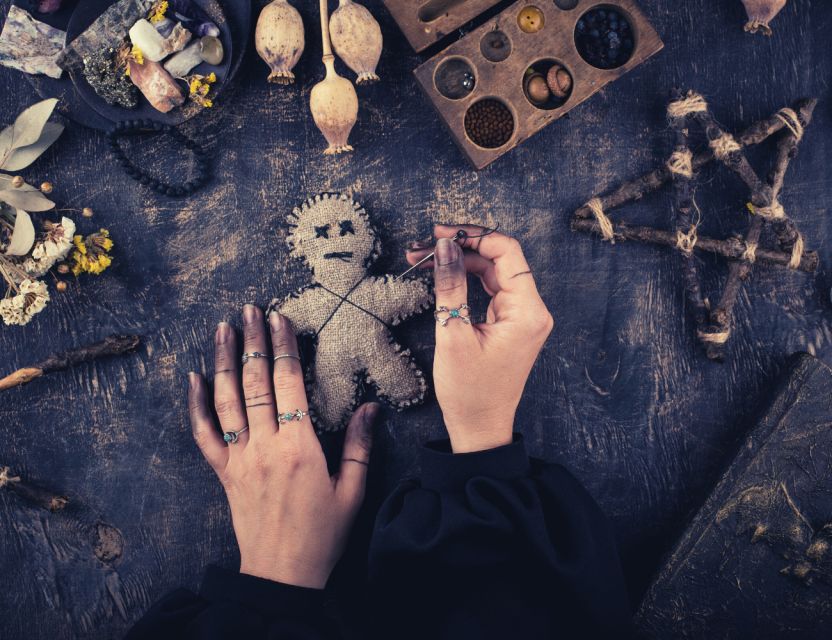
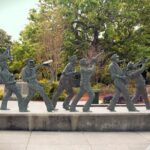
Your tour begins in the center of Congo Square, and that choice matters. A lot of ghost-and-vampire tours skip the “why” and jump straight to spectacle. Here, you start with the idea that New Orleans voodoo traditions are connected to West African cultural practice. The tour frames it through the West Africans who performed dances to appease voodoo spirits—an origin story that feels older than the tourist era.
This is also a smart way to orient yourself. Congo Square is a landmark that helps you understand the geography of the French Quarter as you walk, rather than just rattling off dates. If you’ve only heard voodoo described as a spooky costume, this start pushes back and gives you a more grounded entry point.
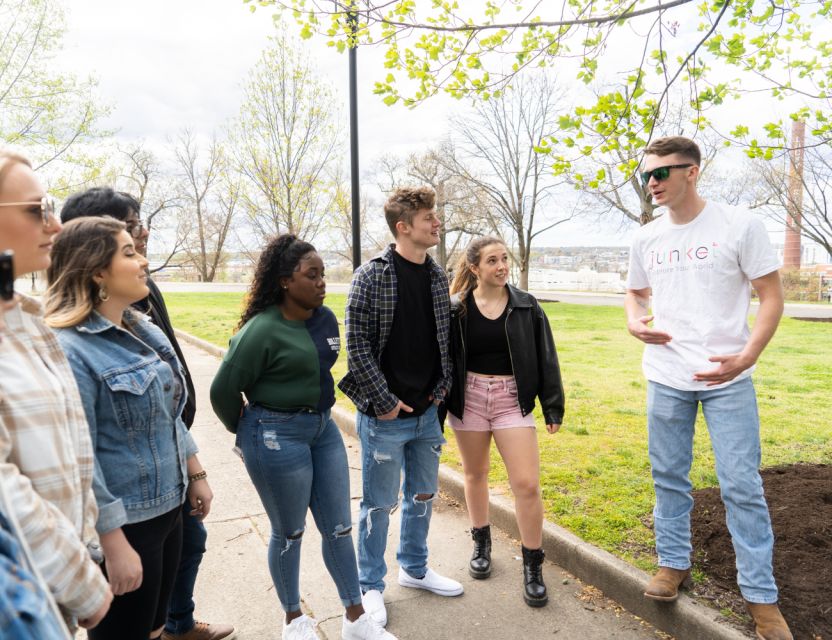
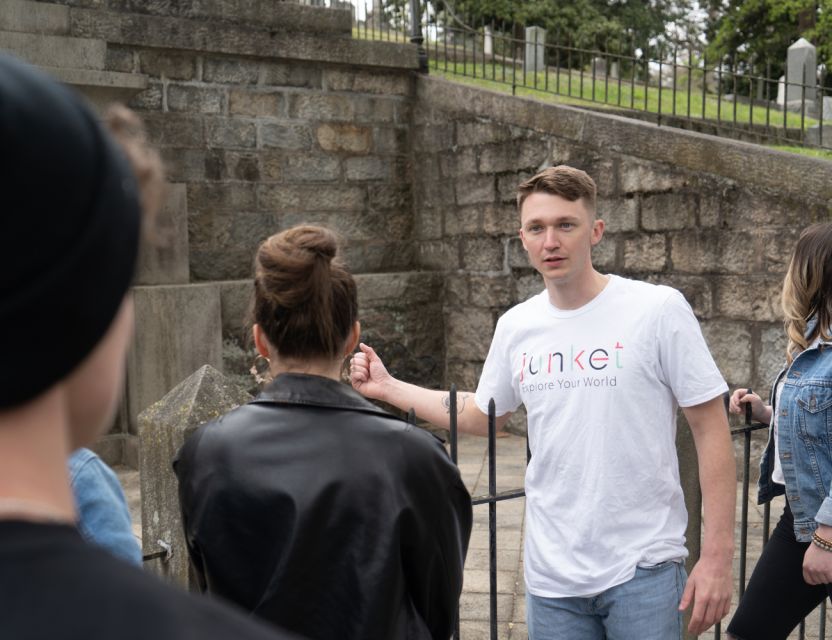
Practical note: your guide is easy to identify—wearing a white Junket t-shirt and carrying a flag. That’s helpful in a crowded square.
You can also read our reviews of more walking tours in New Orleans

Marie Laveau’s lifelong home: why one figure still pulls the threads
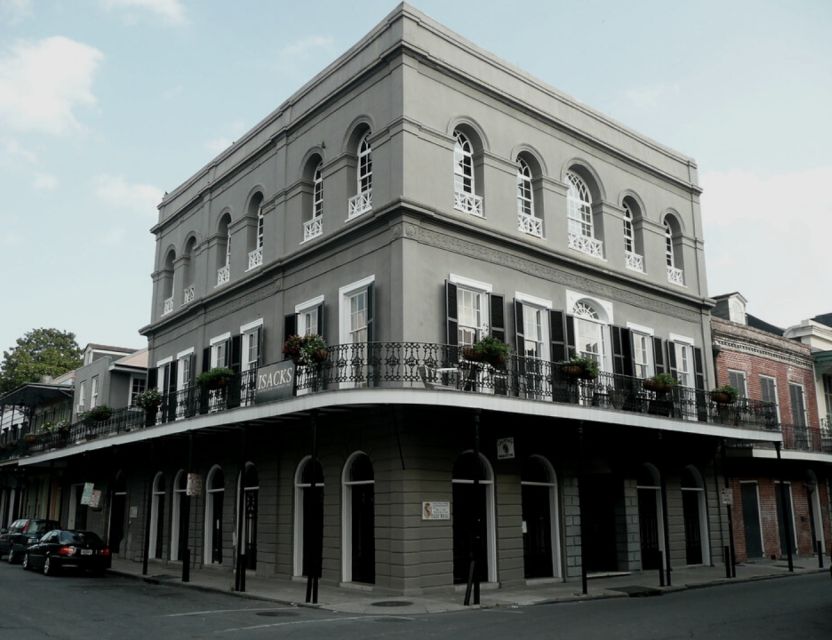
One of the tour’s core stops is the lifelong home of famed voodoo queen Marie Laveau. Marie Laveau is the name most people connect to New Orleans voodoo, but this stop is about more than name recognition. You’re not just told she existed—you’re given a physical place in the French Quarter that helps explain why her legacy got so durable.
What I like about this kind of stop is that it turns mythology into something you can picture. You stand where people say important history happened, and your guide’s job is to connect that location to the practices people linked to her.
A realistic expectation: some details about historical occult figures blend documentation with interpretation. The tour’s pitch emphasizes credible, well-researched history, so you’ll likely get explanations that separate what’s known from what’s rumored. That’s the right approach when you’re dealing with a topic that attracts both belief and exaggeration.
Bloody Mary’s and the darker side of the Quarter
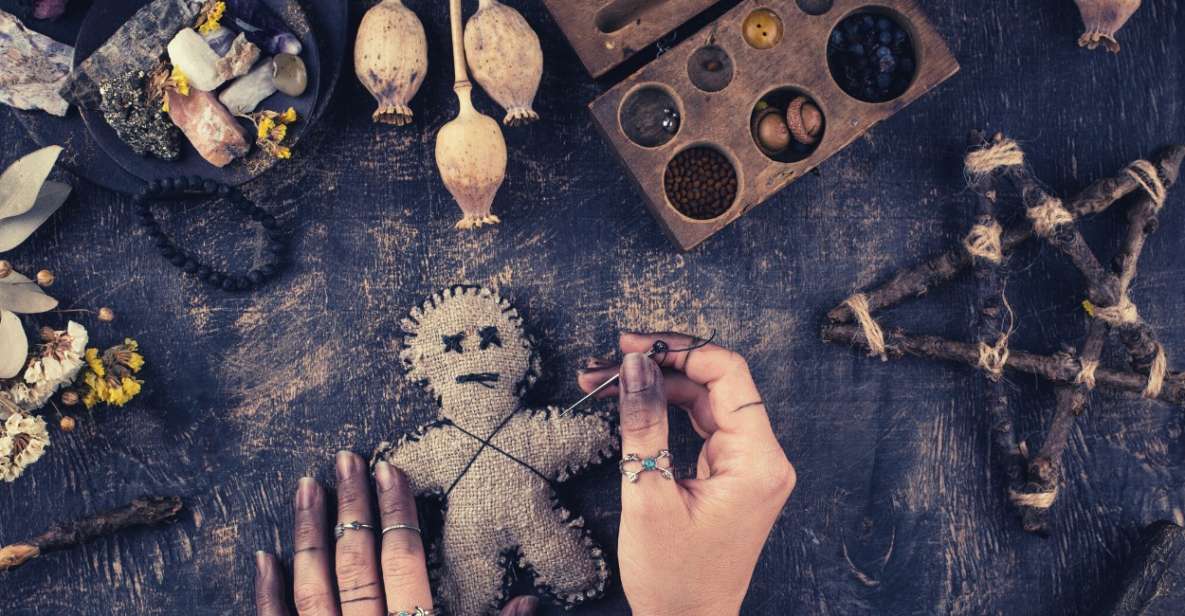
Next you head to Bloody Mary’s for a tale described as involving murder and betrayal. Even if you’ve visited the French Quarter before, this kind of stop changes the feel of a place. It takes the area’s daily-life look and overlays it with a story people still repeat.
This is where the tour’s structure earns its keep. You’re not just “doing attractions.” You’re building a narrative thread: origins, influential figures, then the grim human stories that often sit under ghost lore. In New Orleans, those two worlds—social history and supernatural storytelling—are hard to separate.
Also, this helps you understand why haunted-house lore sticks. People don’t create scary stories in a vacuum. They attach stories to real names, real places, and real crimes, then those stories keep evolving.
LaLaurie Mansion: standing in the shadow of America’s most haunted house
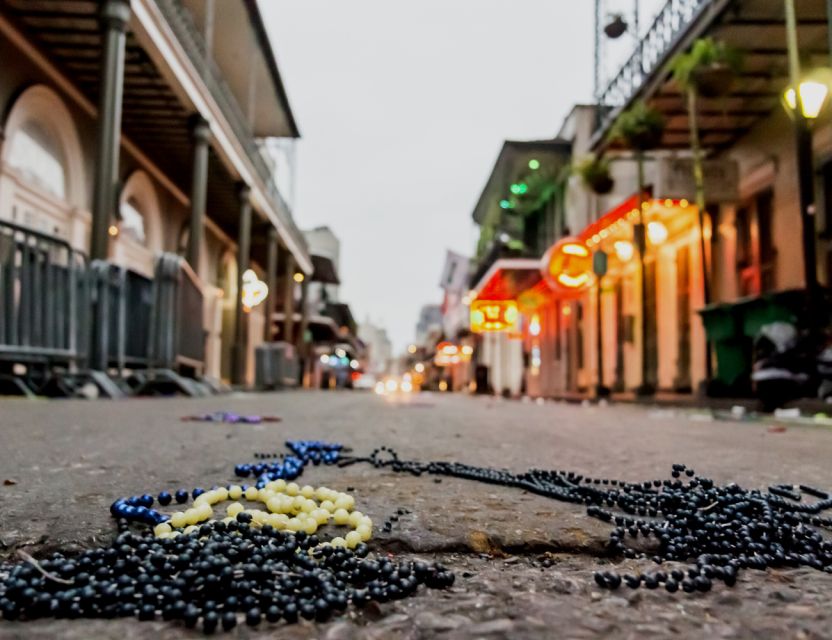
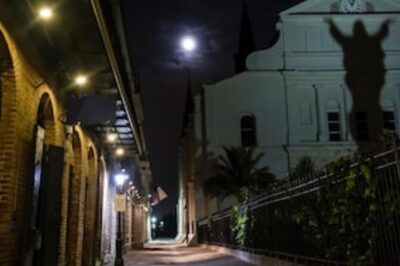
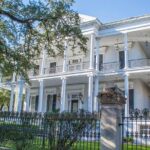
One of the standout stops is LaLaurie Mansion, billed as America’s most haunted house. Whether you’re a believer or not, this location has a built-in gravity. The mansion is one of those places where even without the supernatural packaging, the history and reputation make you slow down.
What you get from a guided format here is context. The tour doesn’t treat the mansion like a random haunted set; it positions it as part of the Quarter’s darker legend machine—where real-life cruelty, gossip, and later “haunting” narratives all feed each other.
If you’re booking this, I’d come with two mindsets:
- You can take the story seriously without taking every supernatural detail literally.
- You’re there for place-based history and atmosphere, not for a jump-scare experience.
Vampire lore at Boutique du Vampyre: when myth gets a business address
One of the tour’s most unusual claims is that New Orleans has real, practicing vampires—and the tour uses that idea to guide you to Boutique du Vampyre, described as a favorite meeting spot.
This stop is important because it’s the tour’s bridge from classic Gothic fantasy into modern subculture. Even if you don’t share the belief, it’s a chance to learn how the city’s myth-making can turn into identity and community. The tour frames it as vampires quenching their thirst for blood without violence, which is a specific detail that keeps the story from staying generic.
If you’ve only ever seen vampires as fiction, this is the moment where you either lean in or check out. Either way, it’s a memorable contrast to the more traditional cemetery/ghost-house stops.



Inside the voodoo shop: Voodoo Authentica and the gris-gris take-home
You’ll also walk through a genuine voodoo shop, including time to shop at Voodoo Authentica. This is where the experience becomes practical. The tour includes a chance to take home a blessed gris-gris bag—something small, but meaningful in the context of what the tour is exploring.
Even if you’re skeptical, I think this shop stop is valuable because it shows you how ritual objects function in everyday life. The tour isn’t asking you to buy into everything; it’s giving you a reason to observe how people treat symbolism, blessings, and luck as part of their personal routine.
A few reminders from the tour rules:
- No video recording
- No smoking
- No alcohol or drugs
(If you’re the type who likes to document everything, plan to use notes and memory instead.)
How the walking tour format works in real life
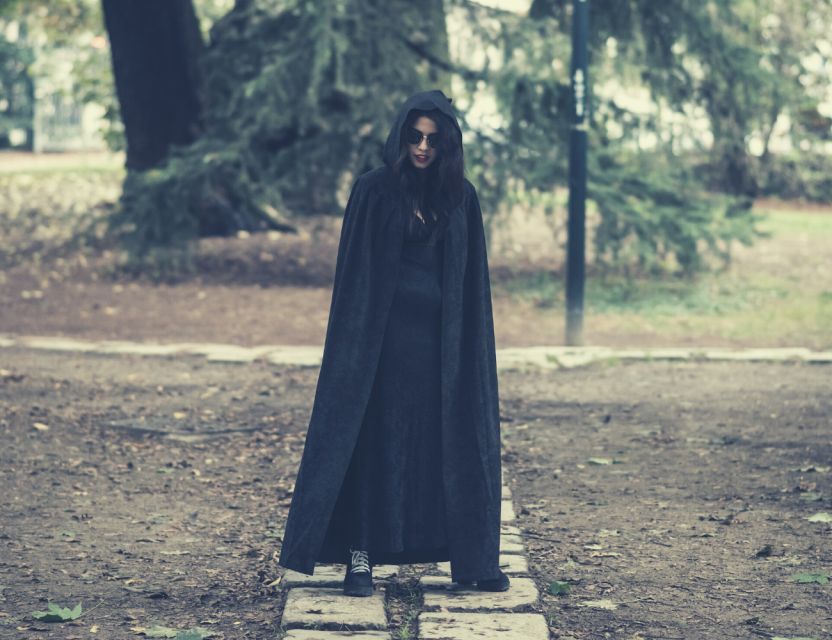
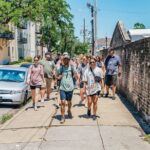
This is a 2-hour walking tour with no transportation included. That sounds simple, but it affects everything:
- You’ll want comfortable shoes because you’re on your feet for most of the experience.
- You’ll also want weather-appropriate clothing since it runs rain or shine.
The tour isn’t recommended for people who can’t walk more than about a mile. That doesn’t mean you have to power-walk. Just don’t expect a lot of long sit-down breaks.
One more small but useful detail: the tour includes an express security check. That suggests you may pass through at least one area with screening. If you’re traveling with a bag or you’re sensitive about delays, it’s worth letting that be a benefit rather than worrying about it.
Value check: is $38 for two hours a fair deal?
At $38 per person for about two hours, you’re paying for guided storytelling plus access to several named stops that cost you nothing to enter on your own—except for the fact that you’d have to figure out the context yourself.
Here’s where the value likely lands best:
- You get a guide to connect Congo Square origins to specific French Quarter locations.
- You get named stops like Marie Laveau’s lifelong home, LaLaurie Mansion, Bloody Mary’s, and Boutique du Vampyre, instead of vague “haunted vibes” claims.
- You get dedicated time at Voodoo Authentica rather than a rushed storefront glance.
The one thing that can break value is if the tour fails to run as advertised. Feedback includes reports of a guide not arriving and another report of the tour running about 1 hour 10 minutes instead of the full 2 hours. If you book, treat the first minutes seriously. Show up early at Congo Square, confirm you’re at the right meeting point, and be ready to wait a short period if that’s the company’s normal rhythm.
Finding your guide fast at Congo Square
Meeting point is the center of Congo Square. Your guide should be wearing a white Junket t-shirt and carrying a flag. In a city full of tour groups, that detail reduces guesswork.
If you arrive and don’t see them, don’t drift off for long. Stay in the meeting area so you don’t miss the handoff. It’s also a good moment to check the route you want to cover: this tour is clearly built around voodoo, vampires, and haunted lore in the French Quarter, so decide early if that theme matches what you want that day.
A balanced take: the best moments versus the possible headache
The best moments of this tour, based on the experience design, come from place-based stops:
- Congo Square gives roots, not just spooky talk.
- Marie Laveau’s lifelong home gives you a named anchor in a city that loves anonymity.
- LaLaurie Mansion provides real-world haunted reputation.
- Boutique du Vampyre adds a modern twist to vampire lore.
- Voodoo Authentica adds a take-home element through the blessed gris-gris.
The potential headache is timing and execution. Feedback includes:
- A no-show situation where the group waited from about 16:30 to 18:00 with no guide.
- A second issue where the tour reportedly ran shorter than the 2-hour contract.
I can’t sugarcoat that. If you’re trying to fit this around dinner plans or another timed activity, you should build in a buffer. And if you’re the kind of traveler who needs dependable punctuality to enjoy anything at all, choose this tour carefully.
Who should book this walking tour (and who should skip)
Book it if:
- You want New Orleans folklore with specific locations and names.
- You like your spooky stories with context and credible framing.
- You’d enjoy visiting both a historic voodoo landmark and a named shop experience.
- You’re comfortable walking a bit in the French Quarter.
Skip it if:
- You need guaranteed punctuality above all else due to the issues reported with start time and duration.
- You can’t comfortably walk about a mile.
- You dislike occult-themed content in a direct, shop-and-history format.
FAQ
FAQ
Where does the tour start?
You meet in the center of Congo Square. The guide is described as wearing a white Junket t-shirt and carrying a flag.
How long is the walking tour?
The tour duration is 2 hours.
How much does it cost?
The price is $38 per person.
What major stops are included?
The tour highlights include Congo Square, Bloody Mary’s, Marie Laveau’s lifelong home, LaLaurie Mansion, Boutique du Vampyre, and time to shop at Voodoo Authentica.
Is the tour only about vampires?
No. It mixes voodoo roots, vampire lore, and haunted history in the French Quarter.
Is there time to shop?
Yes. The tour includes time at Voodoo Authentica.
Do I get anything to take home?
The tour notes that you can head home with a blessed gris-gris bag.
Does the tour run in bad weather?
It takes place rain or shine.
What should I bring or wear?
Bring comfortable shoes and weather-appropriate clothing.
Are there rules during the tour?
Yes. Smoking is not allowed, and alcohol and drugs are not allowed. Video recording is also not allowed.
Should you book this tour?
I’d book it if you want a themed, location-heavy French Quarter walk that connects voodoo, vampires, and haunted history to named places like Congo Square, Marie Laveau’s lifelong home, LaLaurie Mansion, and Boutique du Vampyre. The $38 price makes sense when you value guided context and the shop time at Voodoo Authentica.
I’d be cautious if your schedule is tight. Some reported experiences raise concerns about whether guides always start on time and stick closely to the 2-hour duration. If you go, build in slack around your day, show up at Congo Square early, and go in expecting a story-forward walk—not a “set it and forget it” ticket.