REVIEW · NEW ORLEANS
New Orleans: Tombs and Mansions of the Garden District
Book on GetYourGuide →Operated by Junket · Bookable on GetYourGuide
New Orleans turns serious history into street-level theater. This Garden District walk mixes above-ground tombs with celebrity-and-pop-culture mansion stories you can actually see in the neighborhood. I love how the guide keeps the pace fun without ditching the facts, and I especially like the way Lafayette Cemetery and the surrounding streets connect into one haunting, readable timeline.
One thing to think about: it’s only 2 hours, so if you want to linger forever at every stop, you may wish it had more time.
In This Review
- Key things you should know before you go
- Meeting at Colonel Short’s Villa: where the tour starts and why it matters
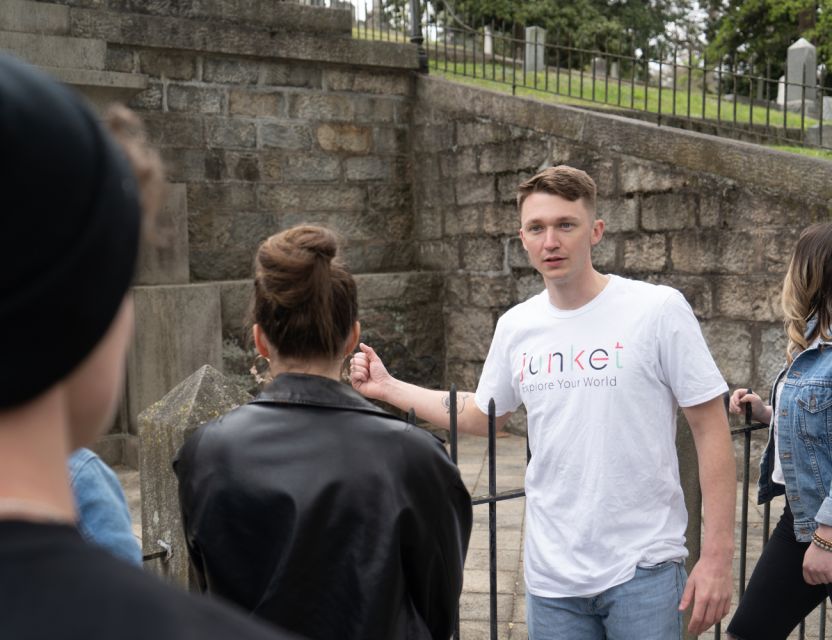
- Lafayette Cemetery’s above-ground tombs: a chilling start done respectfully
- Prytania Street: Nicolas Cage’s blank checks and the swill milk scandal
- Greek and gothic architecture: what you’ll notice as you walk
- Jackson Avenue and American Horror Story: Robichaux Academy for Witches
- The Merrick-Jones House and the Manson Murders connection
- Bonus detours: the Eiffel Society Building and a restaurant once at the top of the Eiffel Tower
- Price and time: is $38 for 2 hours actually good value?
- Who should book this tour (and who should skip it)
- Practical tips so your Garden District day goes smoothly
- Should you book the Tombs and Mansions of the Garden District tour?
- FAQ
- What’s the duration of the tour?
- Where do I meet the guide?
- Is transportation included?
- Does the tour run in bad weather?
- How much walking is involved?
- Are video recordings allowed?
- Can I cancel and get a refund?
Key things you should know before you go
- Lafayette Cemetery: world-famous chilling tombs, with an easy start thanks to an express security setup
- Prytania Street stories: Nicolas Cage blank-check lore and the swill milk scandal tied to early food safety law
- American Horror Story photo stop: a real Jackson Avenue mansion used as Robichaux Academy for Witches
- Architecture you can point at: Greek and gothic style details explained street by street
- Merrick-Jones House connection: the guide ties it to the Manson Murders as part of the neighborhood’s story
- A guide who tells better stories: some guides, including Craig, bring an accomplished historian’s energy to the walk
Meeting at Colonel Short’s Villa: where the tour starts and why it matters
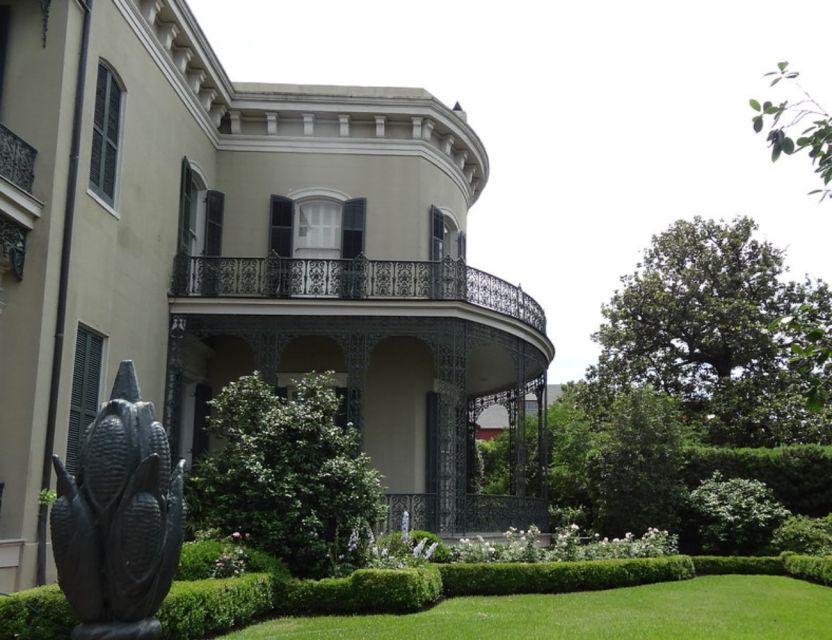
You meet your guide at the historical marker for Colonel Short’s Villa, at 1448 Fourth Street in New Orleans. That’s a smart setup because it puts you right into the Garden District mindset: big-home exteriors, family legacies, and architecture that looks like it has a résumé.
This is a walking tour. You’ll cover a fair chunk of ground in a compact time window, so plan on comfortable shoes and a phone ready for photos. The tour runs rain or shine, so I’d rather you show up dressed to handle the weather than treat it like an optional extra.
One small practical note: transportation isn’t included. If you’re coming from the French Quarter or elsewhere, build in time for getting to Uptown and arriving a few minutes early so you can start on schedule.
You can also read our reviews of more tours and experiences in New Orleans.



Lafayette Cemetery’s above-ground tombs: a chilling start done respectfully
The tour begins at Lafayette Cemetery, a burial site known for its chilling, above-ground tombs. Even if you’ve read about New Orleans cemeteries before, this is the kind of place where being in it changes the feel fast. The guide’s job here is to keep it more than spooky wallpaper—turning the setting into stories you can place.
What I like about this opening stop is that it sets the tone without dragging. You’re not just staring at stone. You’re learning how these sites fit into the city’s character, and you start to connect later mansion stories to the same world of legends, status, and memory.
Also, you’ll have help with entry logistics: there’s an express security check so you can spend more of your limited time actually in the tour. That’s a real value point when you’re on a clock.
Prytania Street: Nicolas Cage’s blank checks and the swill milk scandal

After the cemetery, you’ll head down Prytania Street. This is where the tour gets extra fun because the stories are less academic and more human: money, scandals, and the way New Orleans family history gets tangled into national history.
Two highlights land here. First is the story of how Nicolas Cage wrote blank checks to two New Orleans families. Even if you know the celebrity part already, the point of the stop is the neighborhood context—how fame brushes up against real local legacies.
Second is the swill milk scandal, which the guide explains as resulting in the country’s first food safety law. That’s a big claim, and the tour’s value is that it helps you see why a street-level story like this matters. You’ll walk away thinking about how public health, reputation, and regulation can all spring from the most ordinary human failures.
Greek and gothic architecture: what you’ll notice as you walk

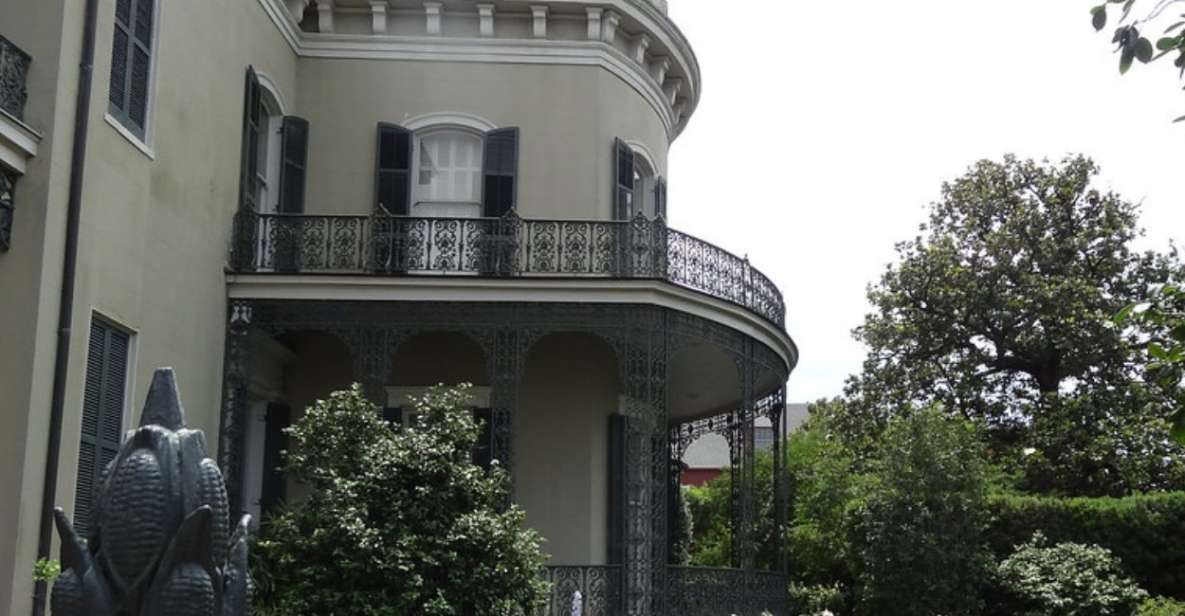
New Orleans has a way of making architecture feel like a language. This tour gives you the vocabulary without drowning you in jargon. As you move through the Garden District, the guide points out Greek and gothic-style architecture and ties what you see to the neighborhood’s identity.
Here’s what I think you’ll enjoy most: you’ll start noticing patterns. The shape of a façade. The mood created by stone and angles. The way a home can look formal from the street and private up close. You don’t need art-history training to follow along—your job is just to look and listen.
The guide’s approach also matters. When a historian is good at storytelling, you don’t just memorize styles. You understand why these buildings were meant to communicate power, taste, and endurance. That’s what turns a photo stop into something you remember.
Jackson Avenue and American Horror Story: Robichaux Academy for Witches
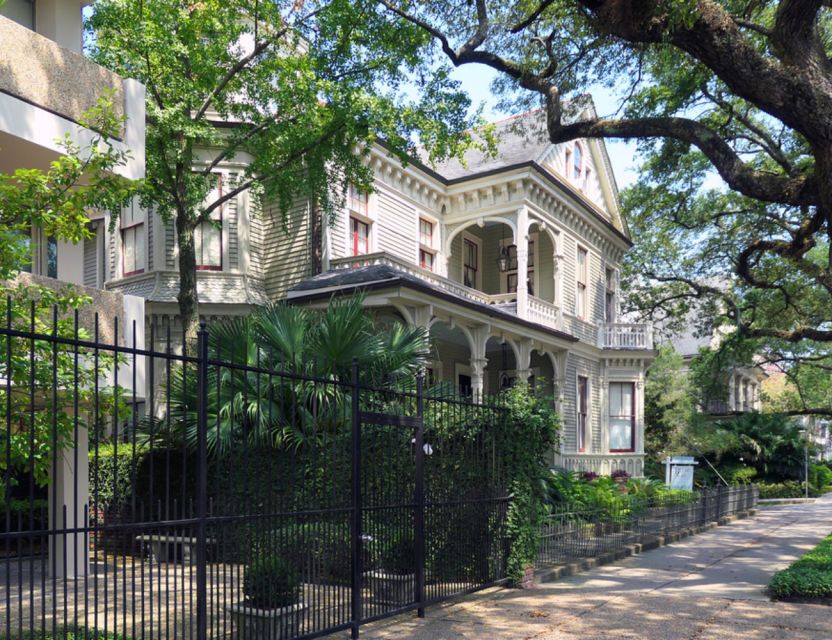
One of the most visually rewarding parts is the stop tied to American Horror Story. You’ll visit a real Jackson Avenue mansion that served as Robichaux Academy for Witches. This is the place to line up your photos—because you’ll recognize the building even if you haven’t watched every episode.
What’s smart here is that the guide uses the pop-culture hook without letting it swallow the architecture. You’re not just collecting a picture for bragging rights. You’re learning how the look of the mansion fits the real-world building traditions that inspired the show’s vibe.
If you’re a TV fan, this stop is a high point. If you’re not, it still works because it gives your eyes a clear target. Look at the façade features the guide calls out, then take your shots.





The Merrick-Jones House and the Manson Murders connection
The tour includes an unusual storyline: how the Merrick-Jones House is tied to the Manson Murders. The neighborhood has plenty of dramatic material, but this is one of the connections that makes the Garden District feel like it belongs to modern mythology, not just antebellum postcards.
This is also where I’d keep an open mind. The value here isn’t that you memorize every plot thread. It’s that you understand how New Orleans stories overlap across time—how a place can carry meaning that goes well beyond its own streets.
Expect the guide to connect the dots in a way you can follow, then let the house setting do its job. Stand where you’re directed, listen for the link, and you’ll get the point without needing extra research afterward.
Bonus detours: the Eiffel Society Building and a restaurant once at the top of the Eiffel Tower
A good tour doesn’t just hit the main attractions—it gives you a little surprise to keep your brain awake. In the Garden District, one such bonus is the Eiffel Society Building. The tour also notes a restaurant connection: a restaurant that used to sit at the top of the Eiffel Tower.
Even if you don’t know the history of Eiffel-era architecture, this kind of stop works because it sparks curiosity. You’ll start thinking about how New Orleans imported ideas, built reputations, and hosted grand experiments. It’s the kind of fact that makes you look at the city as more connected to the wider world than you might have assumed.
If you like stories about culture and place, this detour feels worth it. It gives the walk an extra gear without blowing up the schedule.
Price and time: is $38 for 2 hours actually good value?
The price is $38 per person for a 2-hour walking tour, with a knowledgeable local guide and history that’s described as well-researched and credible. At this time length, you’re paying for direction and story structure. You’re not paying for a slow “wander until you’re bored” experience.
Here’s where I think the value shows up:
- You get a tight route through the most story-heavy stops in the Garden District instead of piecing it together yourself.
- You get help with the cemetery start through an express security check.
- You get interpretation—why the stories matter, not just what the places are.
The main cost tradeoff is obvious: transportation isn’t included. If you’re already nearby, that’s easy. If you’re coming in from far away, the total cost may creep up once you add rideshare or transit.
Still, for what you pack into two hours—tombs, architecture, scandal history, and an AHS filming location—$38 is the kind of price that can feel fair rather than inflated.
Who should book this tour (and who should skip it)
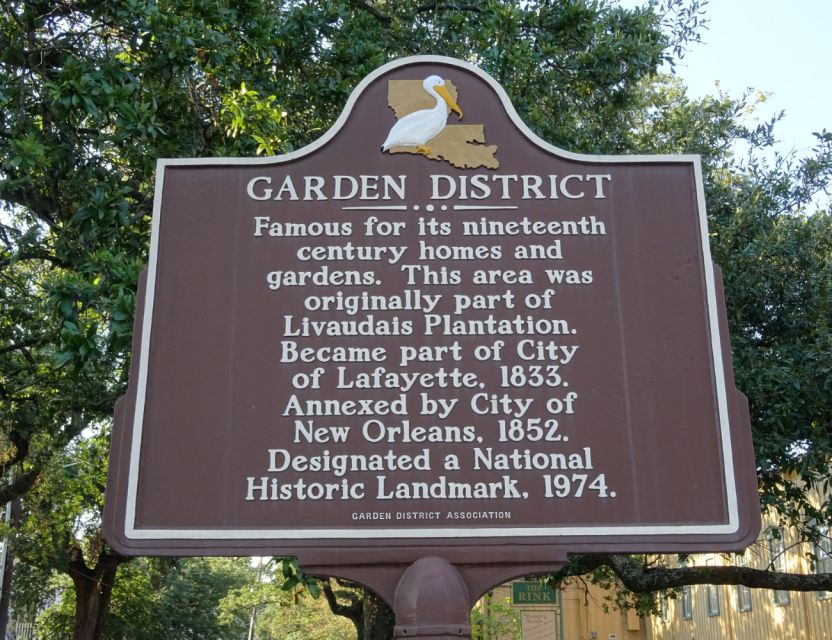
This tour fits best if you want New Orleans in story form. You’ll probably have a great time if you like:
- architecture that you can see and discuss street by street
- spooky-but-controlled history, starting with Lafayette Cemetery
- pop culture overlaps, especially American Horror Story
- neighborhood tales that connect big names to local families
It’s less ideal if you have limited mobility. The tour isn’t suitable for people with mobility impairments, and it’s not recommended if you can’t walk more than a mile. Also, it’s a standing-and-walking experience, so discomfort will matter more than you might expect.
If you’re traveling with kids, this could work for older teens or history-minded families, but the walking limits are the deciding factor. If you hate walking in rain, the rain-or-shine rule is the real test.
Practical tips so your Garden District day goes smoothly
Bring comfortable shoes. This is the kind of tour where you feel every step, not just the big sights.
Dress for the weather. Since it runs rain or shine, a light rain layer can be the difference between enjoying the walk and rushing through it.
Also plan around the rules:
- no smoking
- no alcohol or drugs
- no video recording
You can still take photos—this is one of those tours where pictures are part of the payoff, especially with the American Horror Story stop.
If you’re sensitive to crowds or you want lots of quiet, note that the tour includes a group experience. It’s described as fun-loving, and that energy can be great for conversation, but it’s not a silent, solo wandering tour.
Should you book the Tombs and Mansions of the Garden District tour?
If you want a two-hour hit of New Orleans that mixes architecture, scandals, and pop-culture crossover, I’d book this. The strongest reason is the storytelling quality—guided walks are often the difference between seeing pretty buildings and actually understanding why people cared, and this tour is built for that.
I’d also feel good about booking if you’re the type who likes to ask questions. The tour format works well when your guide can steer you through details without dragging.
I’d hesitate only if you need a lot of time at each location or you can’t handle the walking distance. With the 2-hour pace, you’ll move—and that’s the point.
Bottom line: this is a solid value at $38 for the range you get—Lafayette Cemetery tombs, Prytania Street stories (including Nicolas Cage and the swill milk scandal), an American Horror Story filming location on Jackson Avenue, and architecture-focused context that makes the Garden District feel real.
FAQ
What’s the duration of the tour?
The tour lasts about 2 hours.
Where do I meet the guide?
Meet the guide in front of the historical marker for Colonel Short’s Villa, at 1448 Fourth Street, New Orleans.
Is transportation included?
No. Transportation is not included.
Does the tour run in bad weather?
Yes. The tour runs rain or shine.
How much walking is involved?
It’s a walking tour, and it’s not recommended for people who cannot walk more than a mile.
Are video recordings allowed?
No. Video recording is not allowed.
Can I cancel and get a refund?
Yes. Free cancellation is available up to 24 hours in advance for a full refund.