
REVIEW · NEW ORLEANS
French Quarter Historical Segway Tour
Book on Viator →Operated by Segway Nation New Orleans · Bookable on Viator
New Orleans has a way of moving fast, even when you’re on vacation. This 2-hour French Quarter Historical Segway Tour is one of the quicker ways to see the sights without tiring out your feet, and the live guidance from guides like AJ and Ren makes the streets feel organized. Two things I’d put at the top: learning the Segway fast (even if it’s your first time) and hearing history and local tips as you go, like advice AJ shared about checking out the Pirate Bar for a grape flavored drink. The main thing to consider is simple: New Orleans streets have bumps, so you’ll need focus, not side-show distractions.
If you’ve ever tried to “walk it all” through the French Quarter, you already know the tradeoff. Here, the Segway lets you cover more ground while still getting close-up views of architecture and street-level details. The group stays small (up to 12), the tour runs about 2 hours, and the operator teaches you how to ride before you head out—so you’re not white-knuckling your way through traffic.
One more practical note: you must wear a helmet and sign a liability waiver, and there are weight limits (100 to 275 pounds). You’ll also want decent weather, since the tour requires good conditions and can be changed or refunded if weather messes things up.
In This Review
- Key things I’d pay attention to
- A Segway Ride That Actually Gets You Oriented
- Where You Start in the Central Business District and Why It Helps
- French Quarter Glides: Architecture Up Close Without the Foot Pain
- Canal Street and Bourbon Street: The Energy Shift You Can Feel
- St Louis Cathedral: Slow Down for the Big-Photo Moment
- A French Market Stop Plus Food and Drink Tips You Can Use
- Toward the Mississippi River and Steamboat Natchez
- Price and Value: Why $81 Can Make Sense for the First Day
- Safety, Weight Limits, and the No-Nonsense Helmet Rule
- Guide Style and the Small-Group Feel That Makes It Work
- Weather and Timing: Plan for Clear Conditions
- Who This Tour Fits Best (and Who Might Prefer Something Else)
- Should You Book This French Quarter Segway Tour?
- FAQ
- How long is the French Quarter Historical Segway Tour?
- Where does the tour start?
- What’s included in the price?
- What are the rider weight limits?
- Do I need to sign a waiver and wear a helmet?
- What happens if the weather is bad?
Key things I’d pay attention to
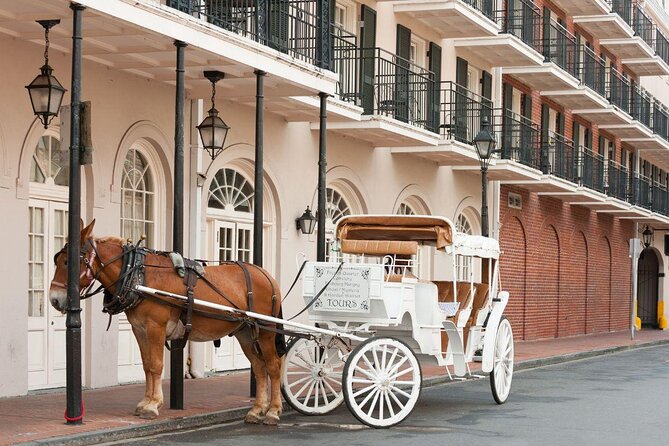
- Small group cap (12 riders): easier pacing, more personal attention, and safer handling around traffic and obstacles.
- First-timer friendly setup: you get instructions and time to get comfortable before rolling into the sights.
- Live, on-the-ground commentary: you’re not just riding past landmarks—you’re hearing stories and practical tips.
- French Quarter plus the “bigger picture”: you go from iconic Quarter streets toward the Mississippi River and Steamboat Natchez area.
- Helmet required: safety gear is included and you’ll use it right from the start.
- New Orleans street reality: expect bumps and uneven pavement, so you’ll want to stay alert the whole time.
A Segway Ride That Actually Gets You Oriented
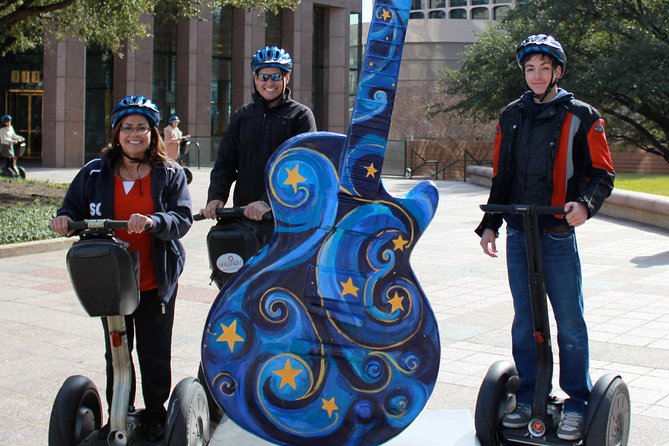
The best part of this kind of tour is that it’s not just a novelty ride. The operator and guide help you learn the Segway setup so you can focus on the city instead of fighting the machine. Several people in the experiences shared that they had no trouble getting started, including riders who were new to Segways. That matters because the biggest risk on any Segway tour is attention drifting once you feel comfortable—so the training phase is where your confidence is built.
You should expect an early moment that feels like a mini lesson. You’ll practice how to steer, how to stop smoothly, and how to keep your balance. Then you roll into the French Quarter area where you’ll need that skill, because sidewalks and street crossings aren’t “theme-park smooth.” One review also pointed out a real-life tip: watch where you’re going and don’t get distracted by side shows. That’s good advice in general for New Orleans, but it’s extra important when you’re gliding.
And yes—this tour includes helmet use as part of the experience. That’s not just paperwork. It helps you keep your mindset on safety rather than rushing.
You can also read our reviews of more historical tours in New Orleans



Where You Start in the Central Business District and Why It Helps
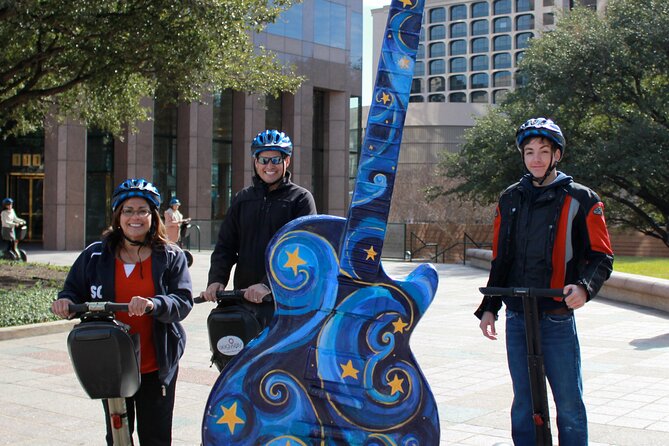
The tour meets in the Central Business District of New Orleans (near public transportation), and it ends back at the same meeting point. Starting here can be a smart move because you’re not trying to figure out complicated transfers before you even begin. If you’re already using buses, streetcars, or walking connections, you’ll find the area more workable than remote pickup points.
The tour also caps at 12 travelers, which changes how the whole ride feels. In a small group, the guide can adjust pace, manage lane changes, and handle slower learners without the whole line stretching out. One thing I liked from the reported experience: guides made sure everyone was competent with the Segway operation before leaving for the route, and they managed traffic and obstacles when needed. That kind of control matters in a city where the streets can be crowded, narrow in spots, and full of surprises.
You’re looking at about 2 hours total. That’s long enough to see real variety—Quarter streets, major corridors, and river views—but short enough that you won’t burn half your day stuck in “tour fatigue.”
French Quarter Glides: Architecture Up Close Without the Foot Pain
The core of the tour is the historic French Quarter. This is where a Segway shines because you get close-up views of buildings and street details without your legs paying the price. The French Quarter is made for wandering, but it can be wearing—especially if it’s your first day, you’ve just arrived, or you’re coming off a long night out.
This tour gives you a way to see the Quarter’s highlights while still hearing the why behind what you’re seeing. You pass famous locations and also spots that feel more “local” than postcard-only. And the guide doesn’t just read facts—they share stories and practical advice, which is one reason people kept praising the live commentary.
As you move through the Quarter, two practical things help your experience:
- Keep your eyes up. Don’t stare at your feet; you’ll need your peripheral vision for pedestrians and street corners.
- Stay steady on uneven pavement. There are bumps in the streets, and the guide will help manage obstacles, but your job is to ride smoothly.
A big advantage here is pacing. You’re not stuck circling one block for an hour. In two hours, you can cover a meaningful chunk of the Quarter and nearby streets, which is often the difference between seeing the city and just collecting random photos.
Canal Street and Bourbon Street: The Energy Shift You Can Feel
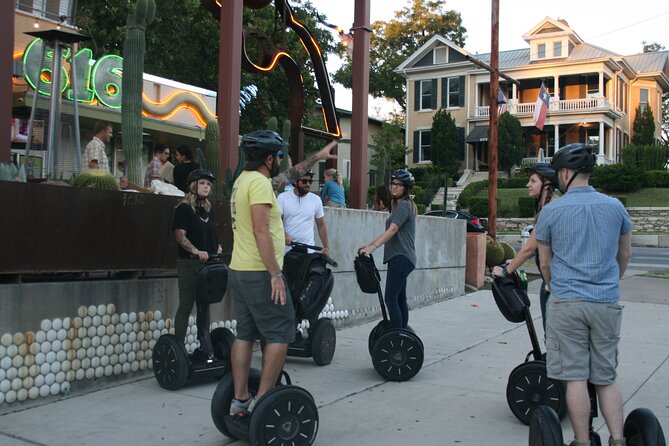
After the Quarter, the route includes Canal Street and Bourbon Street. Even if you’ve seen these streets in photos or movies, experiencing them on a Segway gives you an odd but useful perspective: you’re moving quickly, but still close to the street life.
Canal Street tends to feel like a corridor that connects parts of the city, so it works well for getting your bearings. Bourbon Street brings the other side of the experience—loud, crowded, and full of momentum. A Segway tour doesn’t make Bourbon calm, but it can help you see it without having to spend your whole time weaving through crowds on foot.
The guide’s narration becomes especially valuable on these more high-energy stretches. It helps you connect what you’re seeing to what matters historically and culturally, instead of feeling like you’re just passing neon and noise.
One consideration: if Bourbon is already too intense for you on a normal day, you’ll want to keep your expectations realistic. You’re not escaping the street’s vibe—you’re riding through it with commentary.
St Louis Cathedral: Slow Down for the Big-Photo Moment
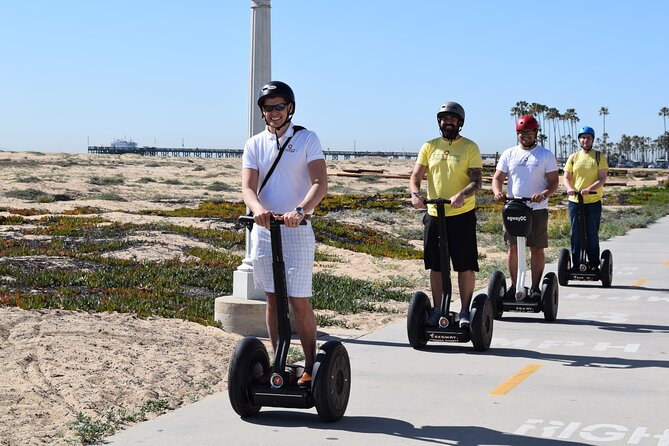
A standout architectural highlight included on the route is St Louis Cathedral. This is the kind of place that rewards a brief pause. Even in motion, you’ll get chances to look up, appreciate the setting, and understand why the building is such a focal point in the Quarter.
One reason people liked this tour is that it’s not all fast-moving street chasing. You’re given moments to take it in—close enough to see details, far enough to understand how it sits within the streetscape. The cathedral area is also a good example of why guided narration matters: it turns a landmark from a photo target into a place with context.
If you’re the type who likes architecture or “spot the details” travel, this portion can feel like a reward after the louder streets.






A French Market Stop Plus Food and Drink Tips You Can Use
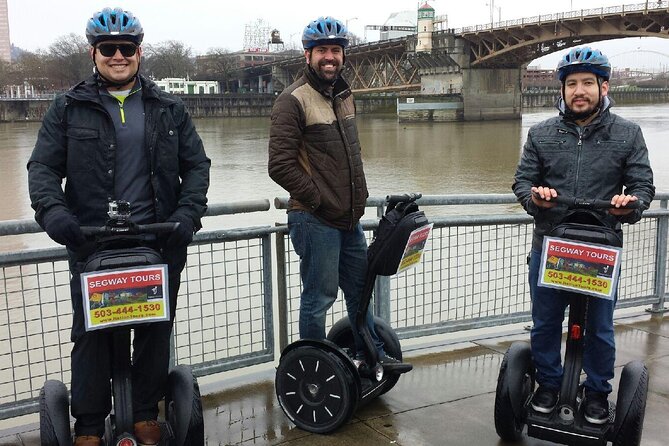
Some tours feel like a history lecture with occasional movement. This one mixes facts with practical ideas—especially around food and drink. One review mentioned a break at the French Market, described as a treat.
That kind of stop is valuable because it breaks up the ride and gives you a chance to reset. If you’re doing this early in your trip, it can also help you spot what you want to try later. More than one guide tip came through in the feedback, including food-and-drink guidance shared during the route. One example included advice from AJ about heading to the Pirate Bar for a grape flavored drink.
I’d treat these suggestions as menu starters, not obligations. The real win is that a guide points you toward options you might not think to search for while you’re exhausted from walking. If you’re planning a day around multiple stops, this makes the Segway tour feel more like a smart orientation than a stand-alone event.
Toward the Mississippi River and Steamboat Natchez
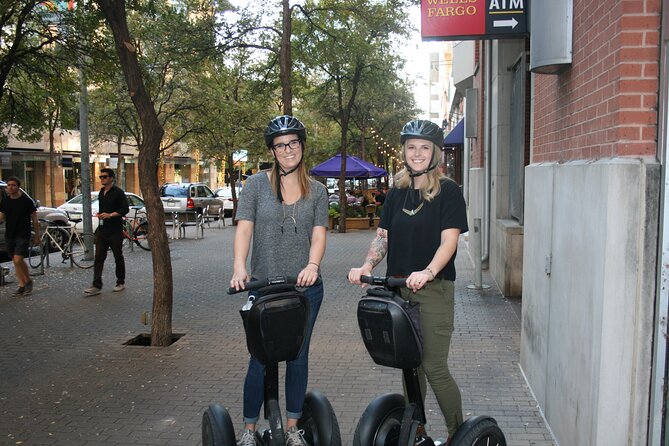
One of the reasons this tour gets recommended is that it doesn’t stay trapped inside the French Quarter boundaries. You head toward the Mississippi River, with Steamboat Natchez called out among the attractions you’ll see along the way.
That shift in scenery is more than visual. It helps you understand New Orleans as a river city, not just a street-snapshot city. The river area also gives you a different sense of scale—wider spaces, different light angles, and that classic “this is where the city breathes” feeling.
If you’re the type who likes an overview before committing to a longer river activity later, this is where the tour earns its keep. You’ll leave with a sense of where the water fits into the city map—useful for planning follow-up visits.
Price and Value: Why $81 Can Make Sense for the First Day
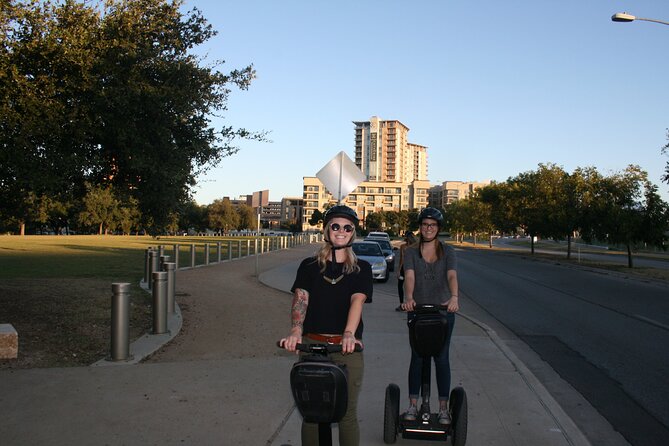
At $81 for about 2 hours, this is not the cheapest way to see New Orleans. But price only matters when you compare it to what you’re buying: time, comfort, and guided context.
Here’s how the value stacks up:
- You’re paying for equipment (Segway + helmet) plus a local guide.
- You cover a lot more ground than a walking tour without spending the whole day on sore feet.
- You get live commentary, which helps you learn as you move rather than just collecting views.
Several riders referenced doing this as a first-day move or as an alternative when their feet were tired. That’s the sweet spot. If you want the “highlights plus context” version of New Orleans—and you’re trying to avoid turning sightseeing into a leg workout—this price becomes easier to justify.
Also, the group size (max 12) and the safety focus likely contribute to the cost. This isn’t a giant crowd experience where you’re bounced around and rushed. It’s structured enough that novices can handle it, which is a big value for most people.
Safety, Weight Limits, and the No-Nonsense Helmet Rule
Safety is part of the experience design here, not a footnote. You’ll need to:
- Wear a helmet (required)
- Sign a liability waiver
- Meet the weight limits: minimum 100 pounds, maximum 275 pounds
Those weight limits are not small-print details. They shape who can realistically participate. If you’re outside that range, you’ll need a different kind of tour.
The good news: the tour info says most travelers can participate, and multiple riders highlighted that learning the Segway was manageable, even for first-timers. That said, you’ll still want the right mindset. Pay attention to the ground, follow the guide’s directions, and don’t multitask with your phone while you’re moving.
Also, because New Orleans streets have bumps, smoother riders tend to have a better time. You don’t have to be an athlete. You do need to ride calmly.
Guide Style and the Small-Group Feel That Makes It Work
Tour quality often comes down to the guide. In the experiences shared, names like AJ and Ren came up often, with people praising how patient and attentive guides were.
What that looks like in real terms:
- The guide teaches you how to operate the Segway before leaving
- The guide keeps everyone safe around obstacles
- The guide manages traffic and the path so you can focus on the sights
- The guide answers questions and shares stories, not just a scripted route
One review also mentioned a practical gear wish: they wanted everyone to have a radio transmitter so they could hear more clearly. That’s not described as a universal issue, but it’s a useful expectation check. If you’re someone who struggles with hearing narration in noisy outdoor settings, keep that in mind.
Still, the balance of praise suggests the core experience works. A good guide turns a fast ride into a guided city lesson.
Weather and Timing: Plan for Clear Conditions
This tour needs good weather. If conditions are poor, the operator offers an alternate date or a full refund. That’s a fair setup in a city where rain can turn streets slick and unpleasant fast.
Because the tour is only about two hours, weather matters more than on all-day plans. If forecasts look rough, you’ll want to plan your trip flexibility around this activity rather than scheduling it at a fixed moment you can’t move.
Who This Tour Fits Best (and Who Might Prefer Something Else)
This tour is a great fit if you:
- Want a fast overview of the French Quarter area and nearby highlights
- Are tired of walking but still want close-up city views
- Prefer guided storytelling while moving through neighborhoods
- Have limited time and want river views toward the Mississippi and Steamboat Natchez area
It may be less ideal if you:
- Get easily distracted by street noise and side scenes while riding
- Have concerns about riding on uneven pavement
- Are outside the weight limits
- Hate the idea of wearing a helmet and following strict safety rules
Should You Book This French Quarter Segway Tour?
I’d book this tour if you want your New Orleans day to feel efficient and guided, without turning into a long walking ordeal. The biggest reasons are the combination of Segway ease for first-timers and the live commentary that connects the French Quarter to the wider city view, including St Louis Cathedral and the trip toward the Mississippi River.
If your goal is only slow wandering and deep solo exploration, a walking tour might suit you better. But if your goal is: see a lot, learn the stories, and keep your legs fresh, this is a strong pick—especially if you’re planning it early in your trip.
FAQ
How long is the French Quarter Historical Segway Tour?
It runs for about 2 hours.
Where does the tour start?
The tour starts at Central Business District, New Orleans, LA 70112, USA, and it ends back at the meeting point.
What’s included in the price?
It includes a local guide and helmet use, and you’ll use a Segway during the tour.
What are the rider weight limits?
Riders must be between 100 pounds (minimum) and 275 pounds (maximum).
Do I need to sign a waiver and wear a helmet?
Yes. You must sign a liability waiver and must wear a helmet.
What happens if the weather is bad?
The experience requires good weather. If it’s canceled due to poor weather, you’ll be offered a different date or a full refund.