REVIEW · NEW ORLEANS
New Orleans Taste of Gumbo Food Walking Tour
Book on Viator →Operated by WeVenture New Orleans · Bookable on Viator
Gumbo tastes better with street stories. This New Orleans Taste of Gumbo Food Walking Tour pairs generous tastings with clear history of Creole, Cajun, and more—all while you walk the French Quarter. You’re not just eating; you’re learning why the dish looks, tastes, and travels the way it does here.
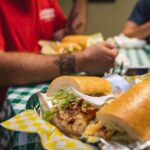
I love that the tasting load is planned to feel like a full meal, with 4–5 servings along the way. I also love the balance of food and sight-seeing, with stops near Jackson Square and the St. Louis Cathedral set right into the story.
One thing to plan around: allergies and food restrictions may not be accommodated, and not every listed location is guaranteed as an actual stop. So if you have serious dietary needs, you’ll want to ask questions before booking.
In This Review
- Key things you’ll love on this gumbo tour
- Gumbo in the French Quarter, with the story behind each spoon
- Price and value: where the $81 makes sense (and where it might not)
- How the tastings are set up so you don’t get stuck eating later
- Your starting area: Jackson Square and the landmarks that frame the story
- St. Louis Cathedral: the triple-steeple backdrop you can’t ignore
- Pontalba Buildings: Spanish colonial architecture with real local significance
- Wrought-iron balconies and the brickwork that sets the pace
- Gumbo stops in the French Quarter: where different versions show up
- Napoleon House: a classic stop where stories meet flavors
- Restored homes, possible paranormal past, and why you’ll keep looking up
- Beignets nearby: how to pair your gumbo tour with Cafe du Monde
- Walking logistics: small group size, timing, and what to wear
- What kind of guide style you’ll likely get
- Who should book this gumbo tour (and who might want a different plan)
- Quick tips to get more from the tour
- Should you book this New Orleans Taste of Gumbo walking tour?
- FAQ
- How long is the New Orleans Taste of Gumbo Food Walking Tour?
- How much does the tour cost?
- Where do we meet for the tour?
- What’s included in the tasting portion?
- Is this tour private, and how big is the group?
- Can the tour accommodate allergies or food restrictions?
- What is the cancellation policy?
Key things you’ll love on this gumbo tour
- 4–5 tastings that add up to a hearty meal, not a few spoonfuls
- Private, small-group feel (maximum 12 travelers) with a local English-speaking guide
- Big landmarks in the route: Jackson Square and St. Louis Cathedral
- Gumbo connections beyond seafood and flour—Creole, Cajun, African, and Native American influences
- Napoleon House stories paired with what you taste (and even a cocktail reference)
Gumbo in the French Quarter, with the story behind each spoon
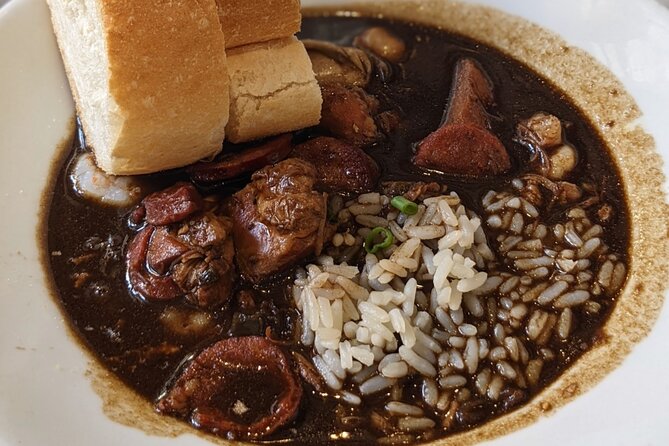
New Orleans gumbo doesn’t come from one source. It’s a mix of people, ports, traditions, and pantry math—what’s available, what’s affordable, and what keeps everyone fed. This tour leans hard into that idea. You’ll taste different versions of gumbo across several stops, then connect those flavors to the city’s cultural roots.
What makes it feel different from a basic food crawl is the pacing. Instead of sprinting from restaurant to restaurant, the walk is long enough for the sights to land, and short enough that you still feel like the tastings are doing the heavy lifting. You’ll also get the kind of guide storytelling that helps you understand why certain ingredients show up again and again.
I also like that the tour doesn’t treat gumbo like a museum piece. You’ll see it as a living dish—something people order, argue about, and tweak based on tradition and taste. That mindset makes the food more fun, not just more educational.
You can also read our reviews of more walking tours in New Orleans

Price and value: where the $81 makes sense (and where it might not)
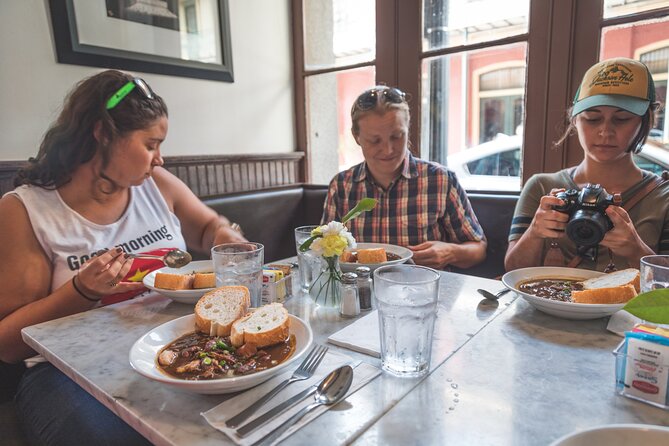
At $81 per person for about 2 hours 30 minutes, you’re paying for two things: a guided plan and multiple tasting portions. If you were trying to recreate this yourself, you’d likely pay for three separate meals (or at least several appetizers) and spend extra time figuring out where to go.
The math works best if you’re the type of traveler who enjoys learning while you eat. With 4–5 tastings equal to a full meal, you’re not just sampling. You’re getting enough food to curb the “now I have to find lunch” feeling afterward.
Is it a good deal? For me, it’s most fair if:
- You want gumbo-focused variety (not one restaurant and done)
- You value a local guide who can connect the dish to New Orleans history
- You don’t want to spend your precious vacation time comparing spots
The only time the price may feel steep is if you’re not hungry for multiple servings, or if you already have a restaurant you love and would rather spend the time there instead.
How the tastings are set up so you don’t get stuck eating later
This tour is built around 4–5 tastings that are described as enough to total a full meal. That’s the right structure for New Orleans. The city has huge food energy, and it’s easy to over-order if you’re not careful.
Here’s how to think about your day:
- Come hungry enough that you can taste without forcing it.
- Plan to skip a heavy meal right before the tour.
- Expect you’ll still want dessert or a nightcap afterward—but the tour should carry you through dinner-ish territory.
Also note this practical detail: you’ll be walking between spots in the French Quarter, so it helps if you can eat calmly and not sprint after each tasting. The guide can also adjust the flow in real time as the group moves.
Your starting area: Jackson Square and the landmarks that frame the story
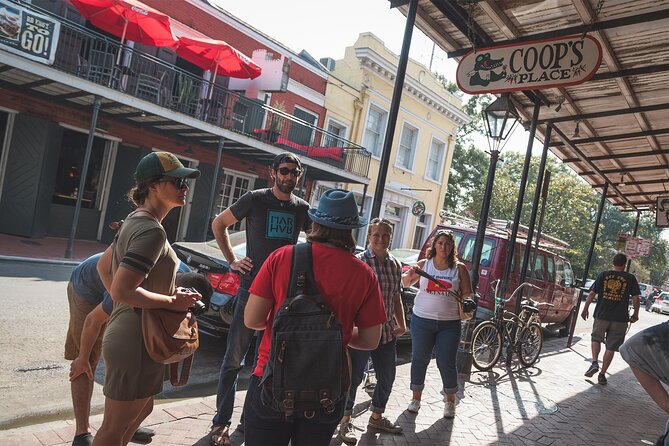
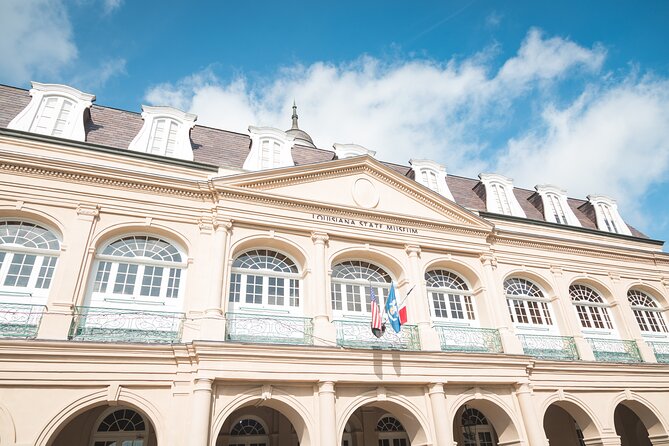
The tour kicks off near 700 Decatur St, then works your way around Jackson Square, which is where Louisiana was officially recognized as a U.S. territory. Even if you don’t memorize dates, that context changes how you see the square. It stops being just a postcard and becomes a checkpoint in the city’s identity.
In the center is an equestrian statue of Andrew Jackson, and around the square you get a cluster of famous institutions. Even if you don’t enter every place, being in that ring helps you understand why New Orleans eats the way it does—this area has always been a crossroads for residents, visitors, and commerce.
From a practical standpoint, Jackson Square is also a good “orientation stop.” It gives you a recognizable anchor point early, so the French Quarter route feels less like wandering and more like a guided walk with a reason.
St. Louis Cathedral: the triple-steeple backdrop you can’t ignore
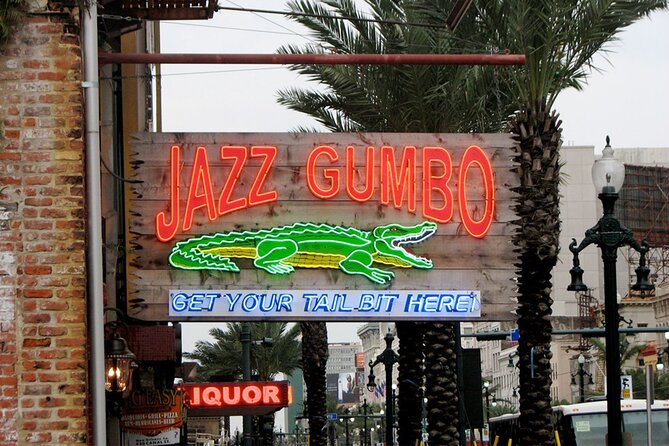
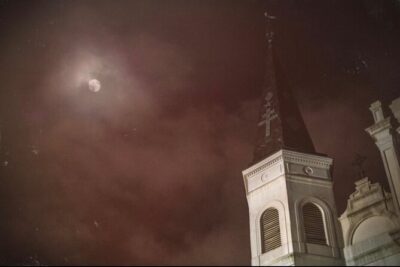
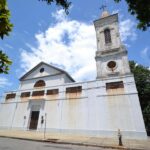
One of the big sight moments on the walk is the St. Louis Cathedral, described as the oldest cathedral in continuous use in the United States. You’ll see it as the iconic triple-steepled backdrop to Jackson Square.
This isn’t just a photo op. The point is to help you understand how religious and civic life shaped the city’s rhythm. When you learn that the cathedral has been in continuous use, it adds weight to the surrounding streets. You start noticing how the French Quarter’s architecture and public space have carried forward for generations.
Drawback to keep in mind: if you’re expecting the cathedral to be a long indoor stop, it won’t work that way here. This is a walking food tour, so the best value comes from the short look plus the history framing.
You can also read our reviews of more food & drink experiences in New Orleans



Pontalba Buildings: Spanish colonial architecture with real local significance
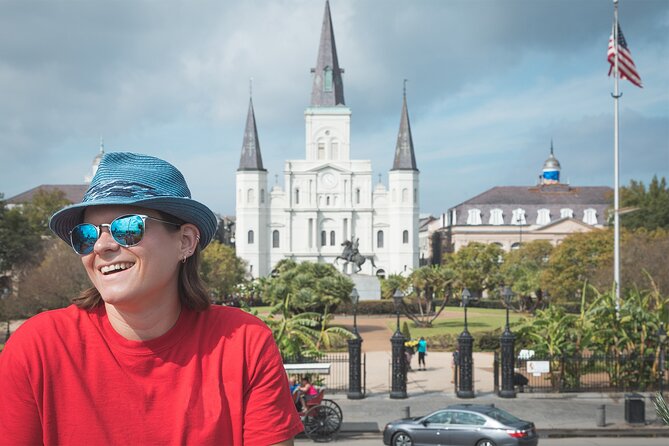
Next to St. Louis Cathedral, you’ll spot buildings connected to the Spanish municipal government before the Louisiana Purchase. These are the Pontalba Buildings, and they’re known for formal colonial Spanish architecture.
Why this matters for a gumbo tour: New Orleans cuisine didn’t develop in a vacuum. It formed through overlapping cultures and rule changes, and buildings like these are part of that timeline. You’ll walk past a physical reminder that the city’s identity has layers, and those layers show up in the food too.
If you’re the type who likes to connect architecture to everyday life, this stop helps. If you’re only interested in eating, you’ll still benefit, because it gives the guide an easy way to explain how different influences blended.
Wrought-iron balconies and the brickwork that sets the pace
As you move through the French Quarter, you’ll pass wrought iron–wrapped balconies tied to elegant architecture built between 1849 and 1851. New Orleans ironwork isn’t just decoration—it affects how streets feel and how buildings function at street level.
This is one of those stops that’s more about observation than facts you’ll repeat later. But I think it’s valuable. When you see the balconies and notice how buildings sit close to the street, it makes the neighborhood feel like it was designed for people to watch the world go by. That’s the kind of setting where food traditions stick.
A small caution: those streets can be uneven and busy. Wear shoes that handle walking and changing pavement without complaint.
Gumbo stops in the French Quarter: where different versions show up
The core food action happens as you visit businesses in the French Quarter with a long reputation for gumbo. This is where your tastings start stacking up—enough to become a meal rather than a snack.
The tour focuses on gumbo, but you’ll also hear about the broader New Orleans flavor universe—Creole and Cajun traditions, plus influences tied to African and Native American culinary roots. Even if your taste preference is simple (thick stew, bold seasoning, savory comfort), this approach makes the dish feel less repetitive and more meaningful.
What I like here is that gumbo isn’t treated as one fixed recipe. You’ll taste different versions. That alone is worth it for many people, because it helps you identify what you actually like: darker roux depth, spice level, texture thickness, or the balance of meat and vegetables.
Napoleon House: a classic stop where stories meet flavors
As the walk continues, you may pass by a long-running Creole dining spot associated with hearty dishes like gumbo and jambalaya. But one moment that really stands out is the possible story stop at the Napoleon House area.
The guide may share tales connected to Napoleon House as you eat your way through the neighborhood. The location is also linked to the famous Pimm’s Cup cocktail, which matters because it ties dining and the city’s social habits together. New Orleans food isn’t just fuel. It’s part of the evening’s plan.
If you’re a history-and-ghost-story fan, you might enjoy the guide’s style here. If you’re not, no stress. You can treat the story beats like seasoning: optional, but often fun.
Restored homes, possible paranormal past, and why you’ll keep looking up
The tour also includes glimpses of a restored restaurant that once had roots as a private residence in mid-1800s New Orleans. You may pass by a building with a fascinating history and a paranormal past.
Even if you don’t care about the spooky angle, the architectural shift is interesting. It reinforces how the French Quarter’s buildings have been repurposed over time, including into places to drink and eat. New Orleans loves reuse—of traditions, of structures, of family habits.
This kind of stop keeps the experience from becoming only food logistics. You’ll walk away remembering details about the city, not just tasting notes.
Beignets nearby: how to pair your gumbo tour with Cafe du Monde
Your meeting area is not far from Cafe du Monde, known for chicory coffee and beignets since 1862. Cafe du Monde isn’t listed as a tour stop, but the tour setup makes it easy to plan a quick visit before or after.
If you like a dessert-first mindset, you can do beignets after you’ve finished tasting. If you prefer balance, grab coffee or a treat the next morning. The key is not to let it derail your tour appetite—your tastings are designed to be plenty.
And yes, this is the area where you’ll see the famous postcard New Orleans vibe: streets with street musicians, artists, and horse-drawn carriage rides. You might pass through some of that energy during the walk, or you’ll head that direction on your own later.
Walking logistics: small group size, timing, and what to wear
This is a private tour with a maximum of 12 travelers, and it runs about 2 hours 30 minutes. With a group size that small, you get better flexibility and a more personal experience than you’d find with a giant bus-tour crowd.
It’s also a walking tour, so you’ll want:
- Comfortable shoes (French Quarter streets can be rough)
- A light layer if weather swings
- Water, since you’ll be out for a while
Mobile tickets are used, and you’ll receive confirmation at booking. Service animals are allowed, and it’s near public transportation. Most people can participate, but keep your walking tolerance in mind.
One last practical note: not all locations listed are guaranteed stops. That’s normal for walking tours, but it’s worth knowing so you don’t feel let down if the exact sequence shifts.
What kind of guide style you’ll likely get
You’ll have a local English-speaking guide, and the best sign of quality is how they connect the dots. In one example of guide style, a guide named Neil is praised for bringing the history of gumbo, Creole, and Cajun to life. That kind of storytelling is exactly what turns a tasting from food-only into a real New Orleans experience.
Look for a guide who can explain influences clearly, not just list ingredients. When the guide ties history to flavor, your tastings start making sense on your own palate.
Who should book this gumbo tour (and who might want a different plan)
This tour is a great match if you:
- Want gumbo variety and not just one restaurant visit
- Enjoy walking New Orleans while learning why the city tastes the way it does
- Like your food guided, but still free to explore afterward
It may be less ideal if you:
- Have serious allergies or food restrictions, since accommodation isn’t guaranteed
- Prefer restaurant-only experiences with minimal walking
- Already have a planned gumbo spot and don’t want to split time
If you’re on a tight schedule, the 2.5-hour structure is helpful. You’ll still have time to do other things after, including the classic beignet detour.
Quick tips to get more from the tour
- Pace yourself at the tastings. If you slam everything at once, you lose texture and nuance.
- Bring a small notepad or just a phone note for what you like. Roux depth and spice levels can blur if you don’t track them.
- Ask the guide what makes the versions different. You’ll usually get more value from one good question than from tasting harder.
- If you plan to visit Cafe du Monde, save your biggest cravings for afterward. The tour already targets a full meal.
Should you book this New Orleans Taste of Gumbo walking tour?
I’d book it if you want New Orleans gumbo with context and enough food to feel satisfied. The strongest reasons are the 4–5 tastings that add up to a meal, the small-group private feel, and the way the guide connects Creole and Cajun flavors to the city’s broader cultural story.
If you’re allergy-sensitive or you need strict dietary accommodations, pause and ask very direct questions before committing. And if you’re not into walking, you might be happier with a shorter food plan that’s less movement and more sitting.
For most people, though, it’s a smart way to spend a morning or afternoon in the French Quarter: you get the iconic sights, you get gumbo variety, and you leave knowing what to order next time.
FAQ
How long is the New Orleans Taste of Gumbo Food Walking Tour?
The tour lasts about 2 hours 30 minutes.
How much does the tour cost?
It costs $81.00 per person.
Where do we meet for the tour?
You meet at 700 Decatur St, New Orleans, LA 70116, USA.
What’s included in the tasting portion?
You’ll get 4–5 tastings that add up to a full meal, plus visits to both beloved and lesser-known eateries.
Is this tour private, and how big is the group?
It’s a private tour, with a maximum of 12 travelers.
Can the tour accommodate allergies or food restrictions?
The information provided says allergies and food restrictions or sensitivities may not be able to be accommodated.
What is the cancellation policy?
Cancellation is free if you cancel up to 24 hours in advance of the experience for a full refund.