REVIEW · NEW ORLEANS
New Orleans: Hands-on Cajun Roux Cooking Class
Book on GetYourGuide →Operated by The Mardi Gras School of Cooking · Bookable on GetYourGuide
Roux skill turns New Orleans into your kitchen. This hands-on cooking class in the French Quarter is built around real technique, especially the Cajun seasoning approach and the two-step roux method. I like that you’re not just tasting dishes. You’re learning how they come together, step by step, while staying in a small group setting.
I love the focus on Cajun Holy Trinity prep and the dark-to-light roux difference that drives gumbo and etouffee flavor. One possible drawback: this is active cooking, not a sit-and-watch show, so you should be ready to chop, stir, and work at the stove for the full 3 hours.
In This Review
- Key points worth knowing before you cook
- French Quarter meeting point and the “learn together” group size
- What you cook in 3 hours: gumbo, shrimp etouffee, and bananas foster
- Mise en place and the Cajun Holy Trinity prep that actually teaches flavor
- Dark roux gumbo: how heat control creates that signature body
- Light roux shrimp etouffee and the skill of switching gears
- Bananas foster: finishing strong with a dessert you can repeat
- Drinks and included meal: where the $157 price starts making sense
- Who this Cajun roux cooking class suits best
- Should you book this New Orleans roux class?
- FAQ
- Where does the class meet?
- How long is the cooking class?
- What dishes will I make during the class?
- Are drinks included?
- Is the instructor English-speaking?
- Is this class suitable for children?
- How big is the group?
- Is the venue wheelchair accessible?
- Can I cancel and get a refund?
Key points worth knowing before you cook
- Small group (up to 10) means more hands-on help and better feedback on technique
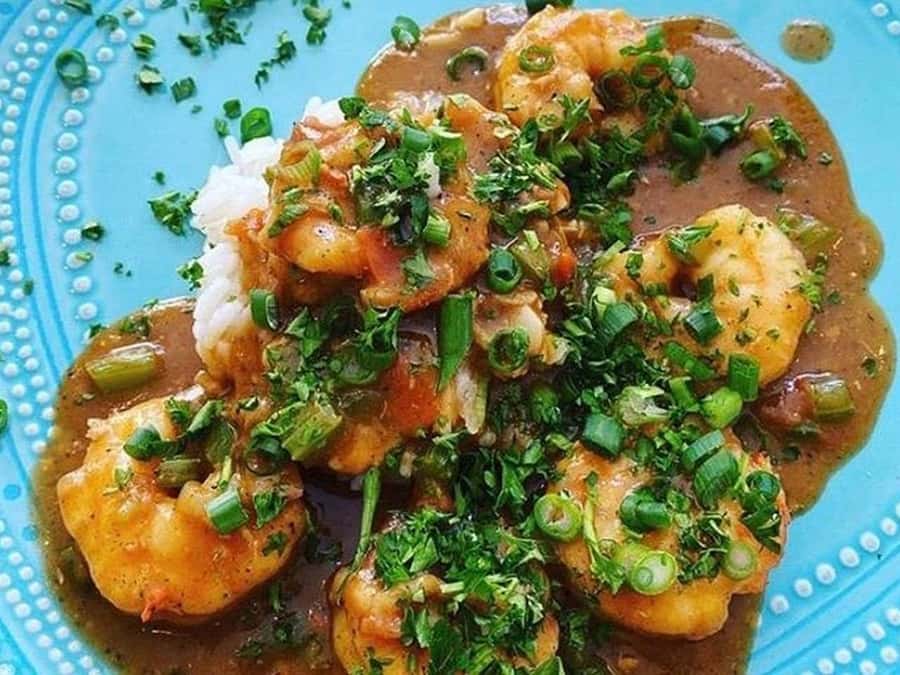
- Three dishes in one sitting: chicken and andouille gumbo, shrimp etouffee, and bananas foster
- Two roux styles: dark roux for gumbo and light roux for shrimp etouffee
- Drinks included during class: wine, beer, soda, and bottled water
- French Quarter location in Suite 101 puts you close to New Orleans food culture
French Quarter meeting point and the “learn together” group size
This class is based in New Orleans’ French Quarter, meeting at Suite 101 on the ground level. That matters more than it sounds. You’re not trekking across town to do a cooking demo. You’re starting in the part of the city where the food scene is built into the streets.
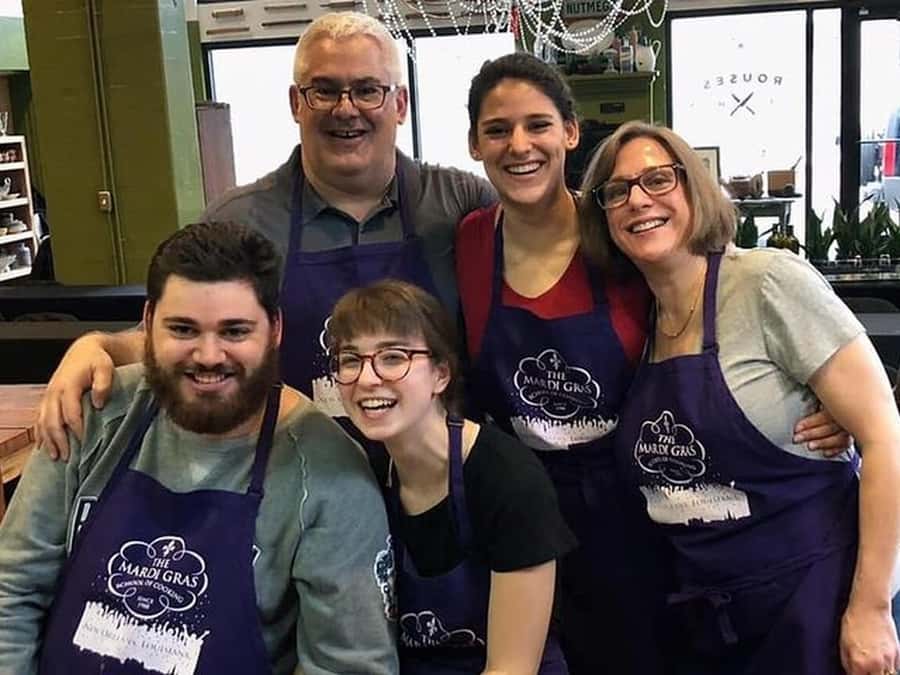
The session also runs with a small group, limited to 10 participants. In cooking classes, bigger groups often mean one person does the work and everyone else watches. Here, the format is set up so you’re actively involved, with the instructor guiding your steps as you prep, cook, and plate.
You’ll also get an English-speaking instructor, so you can ask practical questions as you go. And if you travel with mobility needs, the venue is listed as wheelchair accessible, which makes it easier to plan without guessing.
Finally, keep expectations aligned with the time. It’s a 3-hour experience, so the pace stays focused. You’ll learn, cook, eat, and finish with a dessert that you can actually repeat later.
You can also read our reviews of more cooking classes in New Orleans

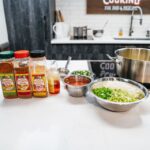
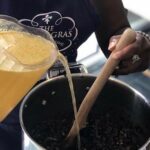
What you cook in 3 hours: gumbo, shrimp etouffee, and bananas foster
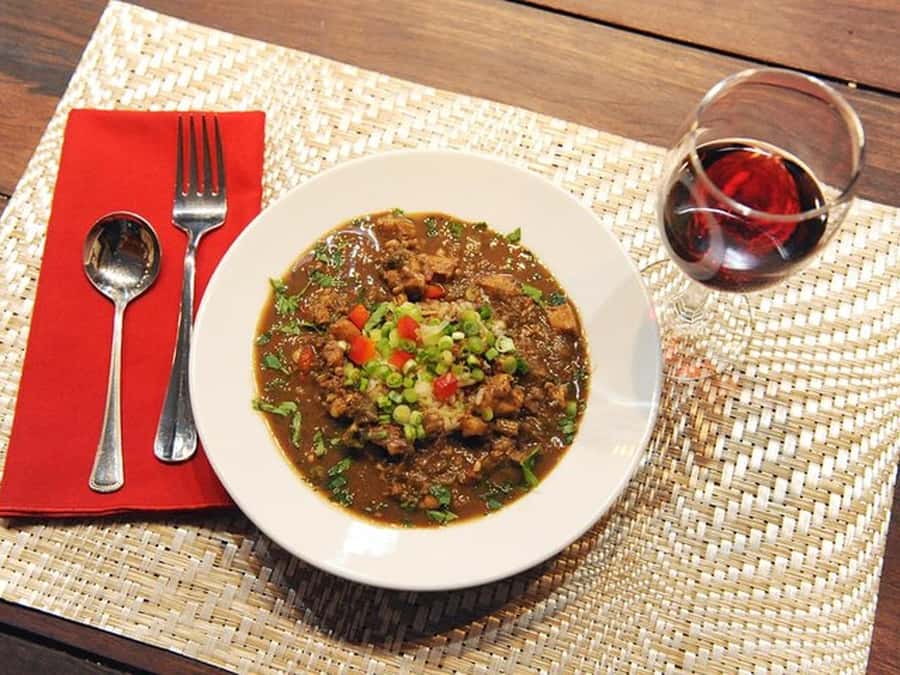
The class meal is built around three iconic Louisiana dishes. That’s a big reason this is good value. You’re not paying just for one recipe. You’re leaving with a full set: savory, saucy, and sweet.
You’ll prepare:
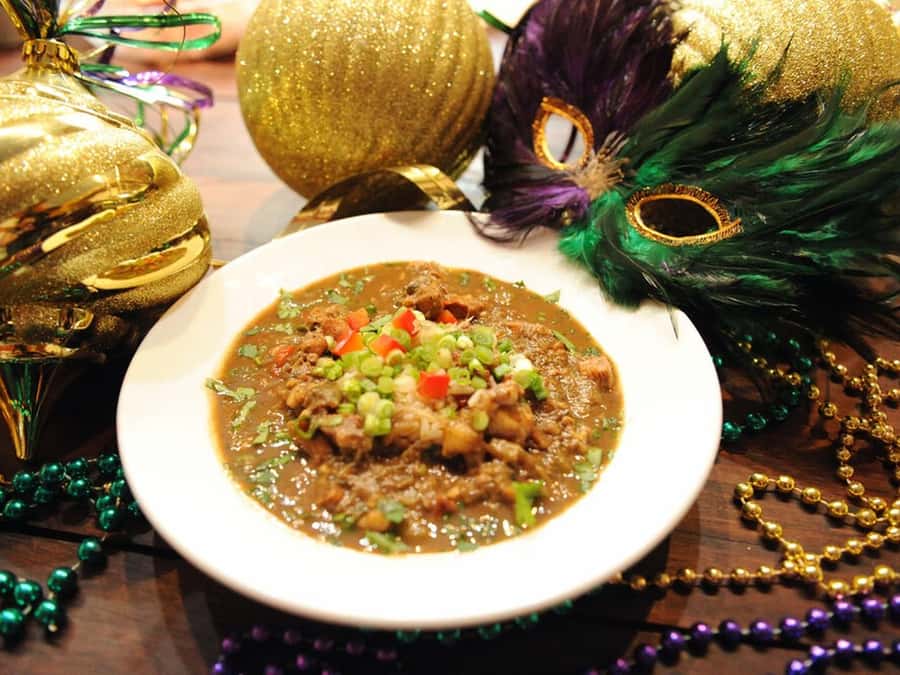
- Chicken and andouille sausage gumbo
- Shrimp etouffee
- Bananas foster
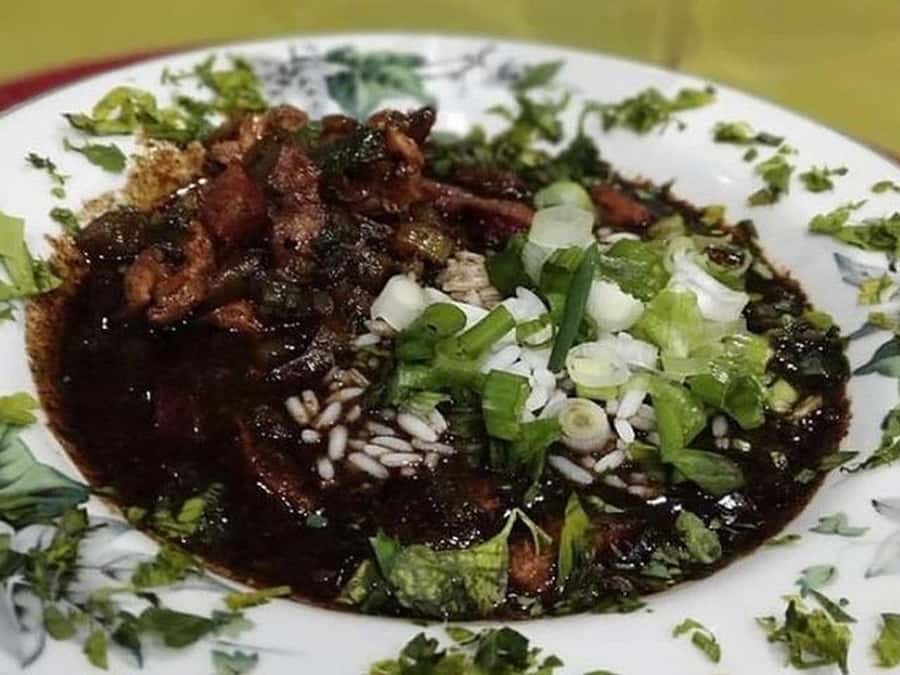
The gumbo and etouffee both start with roux, but the roux level changes. You’ll learn that difference on purpose: dark roux for gumbo, then light roux for shrimp etouffee. That’s not just trivia. It’s what helps you understand why the texture and flavor shift between dishes.
After the savory part, you’ll end with bananas foster. This last segment is often the most memorable, because it’s dessert you can picture serving at home. The class includes instruction on a fool-proof method, which is exactly what you want for something that can easily go sideways if you rush the heat or timing.
You’ll also dine during the session after the food is plated. Since lunch/dinner is included, you won’t feel stuck converting the class into a separate restaurant stop afterward. You’re building the meal and then eating it immediately.
Mise en place and the Cajun Holy Trinity prep that actually teaches flavor
Before you touch any pot, you’ll work on the foundation: mise en place and the Cajun Holy Trinity. The class description is clear about why this part matters. Louisiana cooking isn’t just about ingredients. It’s about how you prep and season so the flavors land where they should.
The Holy Trinity is a practical concept: you chop and prep the aromatic base so it cooks evenly and releases flavor without burning or tasting raw. In your hands, it becomes muscle memory. Instead of guessing later, you’ll know what kind of cuts and pacing help the dish stay balanced.
This stage also includes learning professional technique and seasoning secrets. That’s the part you’ll feel most at home later. Many people can follow a recipe. Fewer people understand why the seasoning timing and prep steps matter. Here, the goal is to teach you the process behind Cajun and Creole dishes, including the history and role of these iconic plates.
You’ll also have a break after the Trinity is chopped, with your first glass of wine. That’s a smart rhythm for a 3-hour class. It gives you a mental reset right before you start the roux, which is the part that takes attention.
Expect some chef energy and storytelling along the way. In past sessions, instructors like Chef Raymond, Chef Jason, and Mark have been praised for making the cooking feel friendly and lively, with jokes and history lessons woven into the work. That’s important. Cooking classes go better when the teaching is clear and the atmosphere stays relaxed.
Dark roux gumbo: how heat control creates that signature body
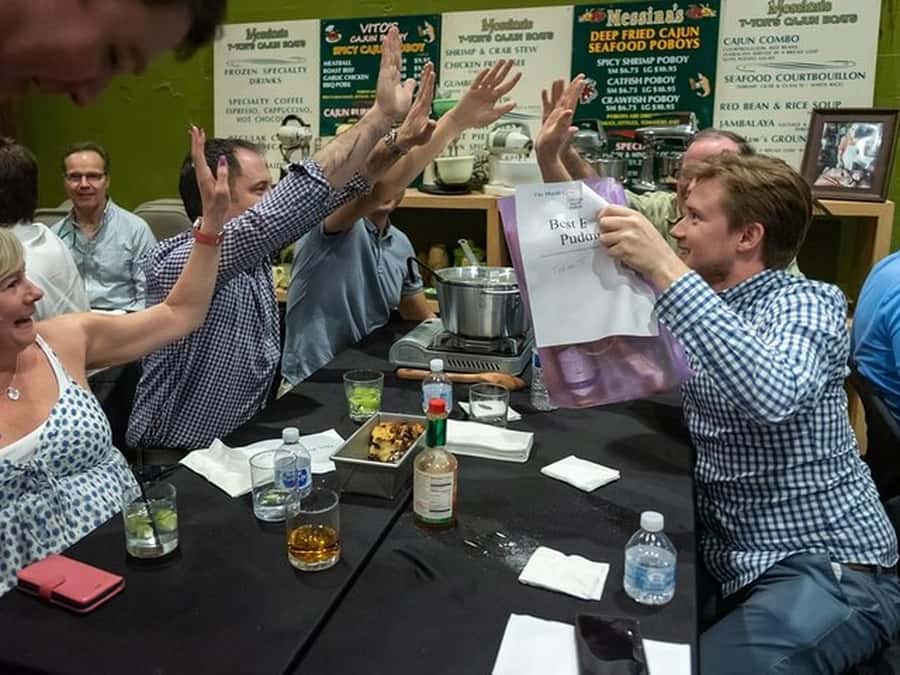
Roux is the heart of gumbo. And this class teaches it with intention. You’ll start the gumbo with a dark roux after your chopping and prep are set.
Why that matters: dark roux isn’t just a darker color. It’s a different cooking outcome that affects flavor depth and the dish’s thick, satisfying body. If you’ve ever watched a gumbo recipe and thought, okay, how do they know when it’s right, this is where the class helps.
You’ll learn the process of making the roux step by step, and you’ll be guided while you work. The key is patience and consistent stirring, because roux can shift quickly on heat. Even with a recipe in front of you, roux timing is where people get stuck.
Then you’ll build the rest of the gumbo with the planned components, including chicken and andouille sausage. This combination is core to many classic gumbo styles, and it’s a great pairing for learning because it gives you a strong, recognizable flavor target. You’ll be able to taste your progress: does the roux smell nutty and developed, does the gumbo taste seasoned at the right stage, does the final texture feel right.
One practical benefit of doing gumbo in a class like this is feedback in real time. You can adjust your technique while you’re still making it, rather than guessing after the pot is finished.
Light roux shrimp etouffee and the skill of switching gears
After the gumbo is done, you move to shrimp etouffee and a different roux target: light roux.
This is where the class stops being just a cooking lesson and becomes a technique lesson. You’re not repeating the same steps with different ingredients. You’re applying the same foundational approach with a different result.
Shrimp etouffee tends to feel smoother and less heavy than gumbo, and that difference connects directly to roux level and cooking time. When you learn both dark and light roux in one session, you start understanding how roux controls:
- thickening ability
- flavor development
- overall mouthfeel
You’ll cook the shrimp etouffee with the same hands-on teaching style, so you’re learning how to follow technique instead of memorizing a single recipe. Then you’ll move into the plating stage, which is where you learn how to present the meal so it looks like a dish you’d actually want to order.
If you care about results, this portion matters. A recipe can be tasty and still not land visually. Plating instruction helps you bring the class home as a meal, not just a pot of food.
You can also read our reviews of more tours and experiences in New Orleans



Bananas foster: finishing strong with a dessert you can repeat
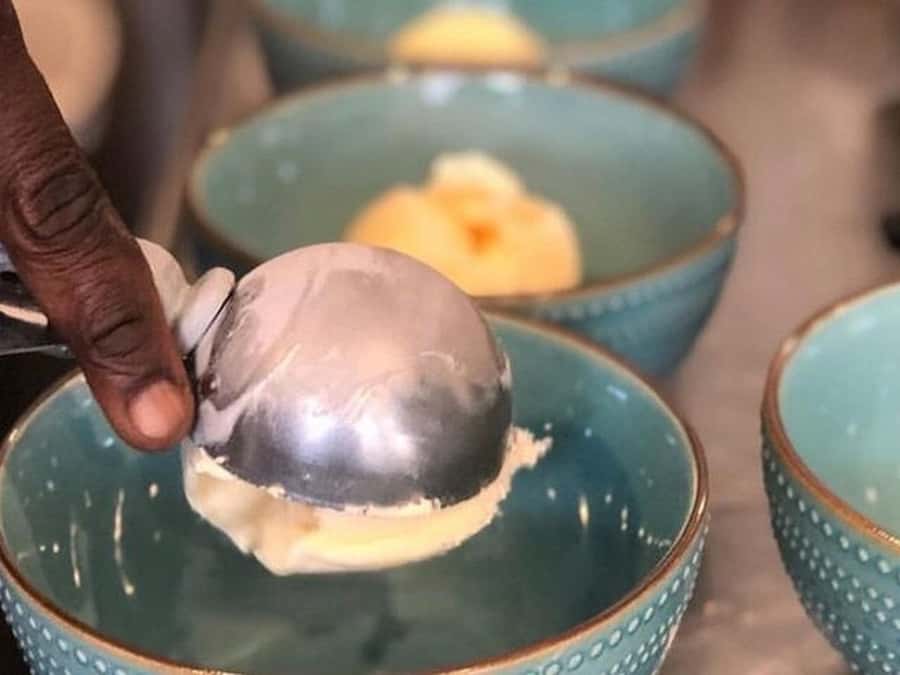
Bananas foster is the last part of the experience, and it’s often the easiest moment to feel proud. You’ve already handled savory technique and roux timing. Now you get a sweet finale that’s designed to be memorable and repeatable.
The class teaches you how to make bananas foster using a method described as fool-proof. That’s a helpful promise for home cooks because desserts are where people get nervous. Too much heat and you scorch. Not enough attention and you don’t get the sauce to the right stage.
While you’re cooking, you’ll get shown the method clearly. Then you’ll be able to connect what you did with what you taste and see on the plate.
I also like ending a class with something sweet because it makes the whole meal feel complete. You’re not leaving hungry. You’re leaving with a full New Orleans-style course arc: spicy and savory, then warm and sweet.
Drinks and included meal: where the $157 price starts making sense
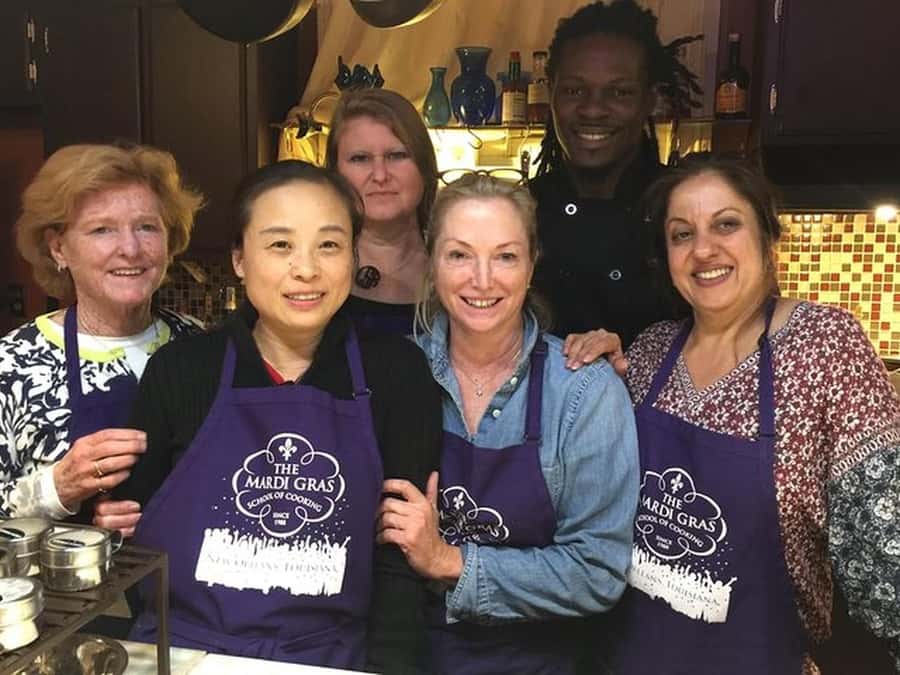
At $157 per person for a 3-hour class, the price feels like a splurge. But when you break down what’s included, the math leans more toward value than it first appears.
You get:
- lunch/dinner
- wine and beer included during the class
- soda/pop and bottled water
- hands-on instruction for three dishes
Most cooking classes either cover the food with minimal guidance, or they offer guidance but don’t include the meal itself. Here, the class is built like a full cooking-and-eating experience. You’re not paying twice for a restaurant meal afterward.
The drinks help too, especially during the roux stage when timing and focus are important. Sipping something while you cook can keep the mood light, and the session is designed for that. If you prefer to stay with soda or water, those are included as well.
So when is the price a good fit?
- If you want multiple recipes and real technique, not just one dish
- If you like learning and then eating what you made
- If you’ll actually use the method at home, especially the roux difference
If you’re someone who already cooks gumbo and etouffee well, you might consider whether you want a refresh course. But for most people, this format gives you a structured way to learn what often feels intimidating.
Who this Cajun roux cooking class suits best
This experience is a match for you if you love New Orleans food and you want a hands-on learning format. It’s also great for groups of friends who want to spend a few hours together doing something practical instead of only sightseeing.
It’s especially useful if you’re the type who wants the why behind cooking:
- why prep matters
- why roux level changes the final dish
- why seasoning approach makes a difference
The small group size helps with that, because the instructor can keep people involved. In past sessions, chefs such as Chef Raymond and Chef Jason have been praised for enthusiasm and for keeping everyone hands on, with clear explanations and history woven in.
About kids: children over 10 are allowed to book, but only if they’re willing to participate and enjoy cooking. Children under 10 are not suitable. So if you’re traveling with younger kids, plan differently.
Should you book this New Orleans roux class?
Book it if you want a hands-on French Quarter experience that teaches technique you can use later. The mix of gumbo, shrimp etouffee, and bananas foster, plus the roux instruction from dark to light, is the main reason I think it’s worth your time. You’ll come away understanding how the cooking process shapes the final flavor and texture, not just copying a recipe.
Skip it if your ideal day is mostly quiet and observational, because this is active cooking. Also consider passing if you already feel fully confident making both roux styles and building gumbo and etouffee from scratch. In that case, you might not get enough new technique to justify the cost.
FAQ
Where does the class meet?
The meeting point is Suite 101 on the ground level in New Orleans’ French Quarter.
How long is the cooking class?
The experience lasts 3 hours.
What dishes will I make during the class?
You’ll make chicken and andouille sausage gumbo, shrimp etouffee, and bananas foster.
Are drinks included?
Yes. Alcoholic beverages, soda/pop, and bottled water are included during the class.
Is the instructor English-speaking?
Yes, the instructor is listed as English.
Is this class suitable for children?
Children over 10 can book if they’re willing to participate and love to cook. Children under 10 are not suitable.
How big is the group?
The group is small and limited to 10 participants.
Is the venue wheelchair accessible?
Yes, the venue is wheelchair accessible.
Can I cancel and get a refund?
You can cancel up to 24 hours in advance for a full refund.