REVIEW · NEW ORLEANS
New Orleans Legends, Folklore, Myths, Superstitions and Spells Tour
Book on Viator →Operated by New Orleans Drunk History Tours • Show Me New Orleans Tours · Bookable on Viator
New Orleans has a spooky walking map. I love that this 1–2 hour tour keeps things moving—good if you want chills without spending half a day in the heat. It’s built for story lovers, with a professional guide weaving folklore through the French Quarter’s streets.
I also like the focus on specific New Orleans icons. You stop near Lafitte’s, you get a guided run through Rougarou lore across more than ten spots, and you learn about Marie Laveau and Voodoo practices at the Marie Laveau House of Voodoo.
One drawback to keep in mind: this is a realistic legends tour, not a guaranteed paranormal show. The operator is clear that you might not see anything supernatural while you’re out there.
In This Review
- Key highlights worth showing up for
- Why New Orleans Legends Feel Better on a Walking Route
- Meeting at Lafitte’s Courtyard and Keeping the Tour Moving
- Lafitte’s Blacksmith Shop Area: Where Pirates and Folklore Start
- The French Quarter Rougarou Walk: More Than Ten Story Stops
- Marie Laveau House of Voodoo: Learning the Beliefs Behind the Myths
- Jackson Square Ending: A Clean Wrap-Up Point in the Quarter
- Price and Value: Is $35 Worth It Here?
- Should You Book This New Orleans Legends Tour?
- FAQ
- FAQ
- How long is the New Orleans Legends, Folklore, Myths, Superstitions and Spells Tour?
- Where do I meet for the tour?
- Where does the tour end?
- Is the tour offered in English?
- Is this tour a walking tour?
- Can I bring a service animal?
- Is paranormal equipment provided, and is recording allowed?
Key highlights worth showing up for

- Marie Laveau stop: learn the practices and the legend around New Orleans’s Voodoo Queen
- Rougarou storytelling route: multiple French Quarter locations, not just one photo stop
- Cemetery practices, explained: spooky stories tied to how locals think about the dead
- Small-group feel: the tour is designed for personal attention and a guide who can answer questions
- Photos welcome: you can take pictures, but audio/video recording is not allowed
- Optional paranormal equipment: check out gear with tracking, plus a clear replacement fee if it goes missing
Why New Orleans Legends Feel Better on a Walking Route
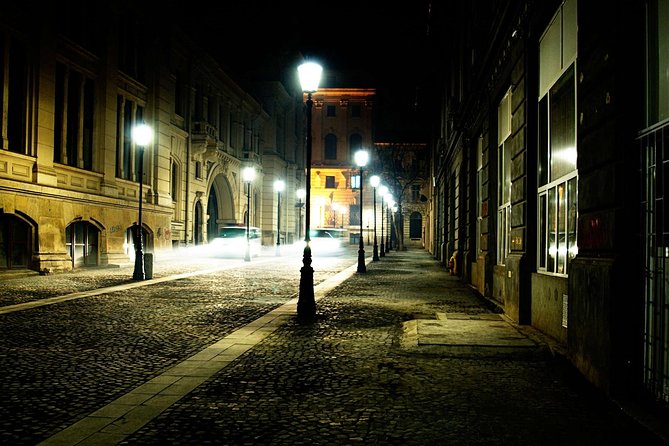
New Orleans legends land differently when you walk them. You’re moving through the same kind of tight streets, courtyards, and corner views that shaped the stories long ago. This tour uses that simple idea well: it’s not about sitting in a venue. It’s about letting the guide’s narrative hit while the scenery stays right in front of you.
You’ll also get a strong “story first” format. The tour is designed around myths and superstition, including the famous Rougarou creature tied to Laurentian French communities and bayous. That matters because you’re not just hearing spooky words—you’re getting the local logic behind why people believed, feared, or repeated certain tales.
I like that the pacing is moderate. It’s not a sprint, but it’s also not a long sit-and-stare experience. Expect a guided stroll that typically lands near 1 to 2 hours, with timing that can stretch a bit when bars are busy. If your goal is a fun, focused overview of New Orleans folklore, this length is a sweet spot.
One more practical point: the streets here are old, uneven, and sometimes crowded. The tour is on public property, so you’ll be watching your footing and keeping to the group rhythm. It’s part of the vibe, but it’s still walking—bring sensible shoes.
You can also read our reviews of more tours and experiences in New Orleans.

Meeting at Lafitte’s Courtyard and Keeping the Tour Moving

This tour has a specific meeting setup, and getting it right saves stress. You meet at 941 Bourbon St at the gate of the courtyard attached to Lafitte’s Blacksmith Shop Bar. Important detail: tours do not meet inside the bar, and they don’t meet on a street corner.
The operator is also firm about departing on time. If you arrive late, the guide won’t be waiting at the meeting spot. So I recommend arriving a few minutes early, checking in with the guide, and then staying put until you’re pointed in the right direction.
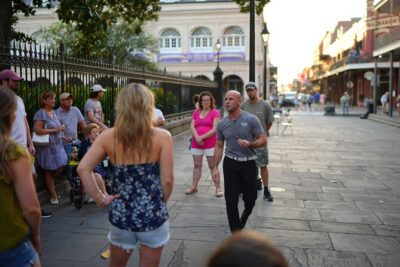
The “small-group” promise is where the tour often feels best. With a smaller cluster, you’re more likely to ask questions, hear clarifications, and catch the guide’s tone. One review specifically called out Cody as a great guide—fun, knowledgeable, and the kind of person who turns random street corners into living stories.
There’s also a clear rule for tour flow: you can’t wander off to take photos on your own. The guide needs to keep the schedule, especially since the route includes multiple stops and the tour moves between them.
If you plan to use paranormal equipment, know that it’s optional, not automatic. It can be checked out at the beginning of the tour, marked and tracked via GPS, and returned to staff before you leave. Lose or damage gear and there’s a $250 fee for missing, damaged, or lost equipment—so handle it carefully.
Lafitte’s Blacksmith Shop Area: Where Pirates and Folklore Start
You begin at the famous Lafitte’s Blacksmith Shop area, a spot that practically asks to be included in any New Orleans ghost story. Even before you move deeper into the Quarter, the guide sets the tone by grounding you in local mythmaking—how legends get attached to places and how the stories evolve over time.
The meeting point is at the courtyard gate, not inside. That can feel odd at first—especially if you want to instantly step into the famous bar vibe. But it also keeps the tour orderly, and it means you’re starting outdoors where the guide can gather everyone and explain what’s next.
From there, the tour’s early minutes are about setting expectations. You’re not just looking for “spooky.” You’re learning about superstition as part of culture: what people feared, what they repeated, and how these beliefs became “normal” conversation in New Orleans.
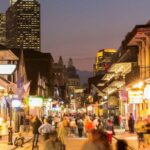
This first stop also helps you get your bearings fast. Bourbon Street is loud and busy. A guide pointing out the difference between streets, courtyards, and the kinds of corners where stories stick makes the rest of the walk easier to follow.
One small consideration: if the area around the bar is crowded, you may feel delays while the group lines up and moves through. The tour duration can run closer to the higher end when bar wait time matters, so plan other activities with a little buffer.
The French Quarter Rougarou Walk: More Than Ten Story Stops
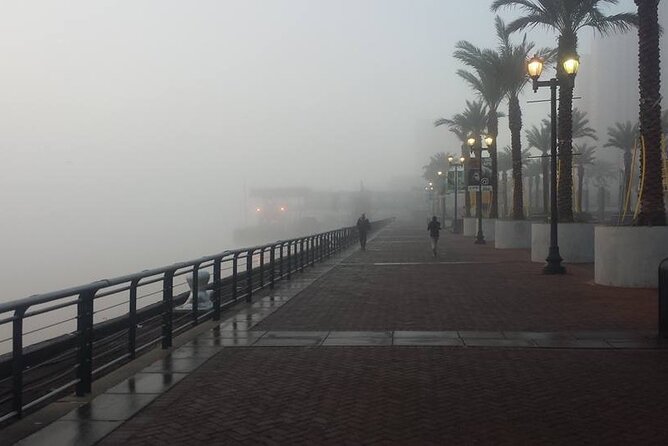
The heart of the tour is the French Quarter portion, where you hear about Rougarou and the folklore that surrounds creatures said to live in local bayou-linked spaces. The key detail here is range: the tour stops at more than ten locations during the walking stretch.
That matters because you’re not relying on one big moment. You get a sequence of mini-moments—street view to street view—where the guide explains why certain tales get told where they do. It’s a better format than a single “here’s the legend” photo stop because it builds context as you go.
Here’s what I think you should listen for: how the guide connects rumor and fear to place. Rougarou lore doesn’t stay in one neat box. It’s the kind of story that can morph based on who is telling it, which neighborhoods it’s linked to, and what people want the tale to warn about.
This section also includes cemetery practices and spooky stories. The tour doesn’t list a separate cemetery stop in the itinerary, but the content is part of the overall walk. So expect some of the “afterlife” talk to happen while you’re moving through the Quarter—especially as you pass viewpoints where the guide ties everyday scenery to older beliefs.
Timing matters in the French Quarter. You’ll be walking through busy pedestrian zones, and the tour’s rules mean you stay with the group. If you’re the type who loves to linger for photos, plan to take photos quickly and keep pace. Audio and video recording is not allowed, but photos are encouraged, so you’ll still have plenty of chances to capture the vibe.
Marie Laveau House of Voodoo: Learning the Beliefs Behind the Myths

One of the tour’s biggest draws is the stop at the Marie Laveau House of Voodoo, where you learn about Voodoo and about Marie Laveau as the famous Voodoo Queen.
This stop is valuable because it gives a named historical anchor to the broader spooky themes. A lot of ghost tours keep things vague—mood, legends, and general fright. This one aims to connect the folklore to real New Orleans figures and practices, at least as presented by the guide during the walkthrough.
You’ll want to keep two things in mind as you listen:
- You’re hearing stories and explanations through the lens of legend and local belief systems.
- The tour is for entertainment purposes only, and it’s realistic in tone. In other words, it’s not selling supernatural proof.
That’s a good thing for most people. It helps you enjoy the storytelling without getting disappointed by the lack of guaranteed paranormal events. It’s also respectful to the idea that belief systems are more than just jump-scares.
You’ll likely be looking for practical curiosity: why certain practices became known, how legends spread, and what the tour means by “Voodoo practices.” The best part is that the guide isn’t just naming names; you get a chance to ask questions if your group pacing allows it.
If you’re sensitive to religious or cultural topics, go in with an open mind. This is a guided storytelling experience that touches belief and superstition, so your tone and questions will shape how comfortable you feel during that portion.





Jackson Square Ending: A Clean Wrap-Up Point in the Quarter
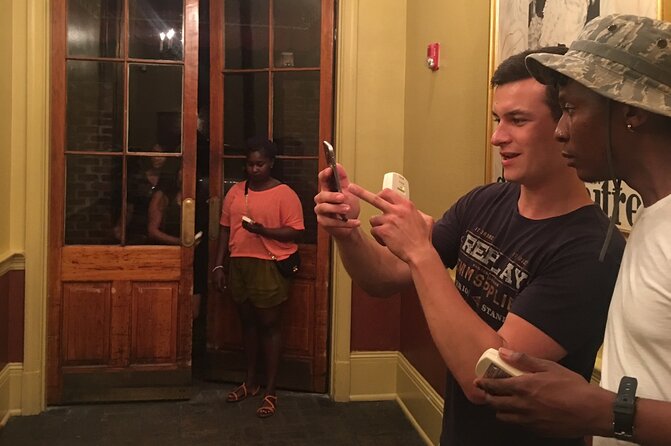
The tour concludes near Jackson Square, right in the heart of the French Quarter. Ending here is smart. It’s a familiar landmark, with lots of pedestrian space, so you can breathe after the walk and decide what you want next.
What I like about ending at Jackson Square is that it gives you an immediate “compare” moment. As you wrap up, you’ll likely notice how many stories you heard and how they map onto the real geography around you. You can look at the square with new eyes—less like a postcard and more like a hub where people once gathered, traded news, and repeated rumors.
Since the tour includes stories about everything from Rougarou to superstition and cemetery practices, the final stop acts like a mental reset. You’re not left with a scattered collection of spooky bits. You finish with a central place that makes it easier to keep exploring—whether that means grabbing a drink, taking more photos, or walking off to chase one story you liked best.
One practical note: since the tour doesn’t linger long at the end, plan to arrive at Jackson Square still able to continue on your own. If you’re heading somewhere later, it’s easier to make a plan once you know the ending point.
Price and Value: Is $35 Worth It Here?
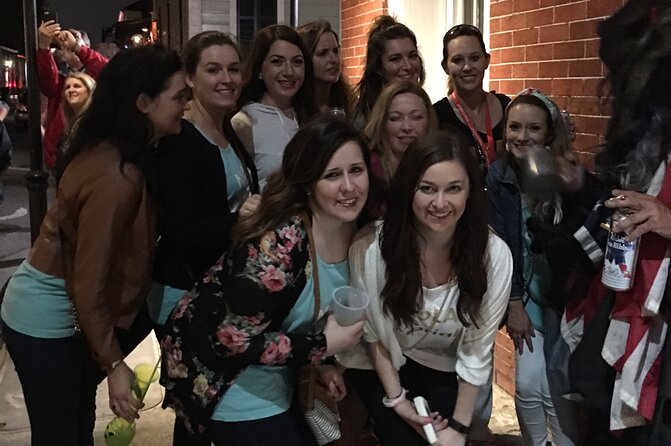
At $35 per person, this is priced like a short, guided story experience rather than a major museum or multi-hour production. For the time you get—roughly 1 to 2 hours—the value depends on what you want.
If you want a guided overview that connects major names and legends (Lafitte’s area, Rougarou lore, and Marie Laveau) with a walk through the French Quarter, you’re likely to feel it’s fair. You also get a professional guide, which is the real “product” here: the route is only as good as the narration.
The best part of the value is the structure. More than ten locations during the French Quarter stretch means you’re not paying to stand around in one place. You’re getting a sequence of stops and story beats. That’s why people tend to like this format when they’re comparing ghost tours.
Also, this tour is set up to be flexible in how you participate. You can simply watch and listen, or you can use paranormal equipment if you check it out. Just remember the equipment comes with strict tracking and a $250 replacement fee for loss or damage.
Finally, keep expectations aligned with the reality of the experience. The operator makes it clear there’s no guarantee of paranormal encounters. If you treat it like a folklore walk first, you’ll get far more out of it.
Should You Book This New Orleans Legends Tour?
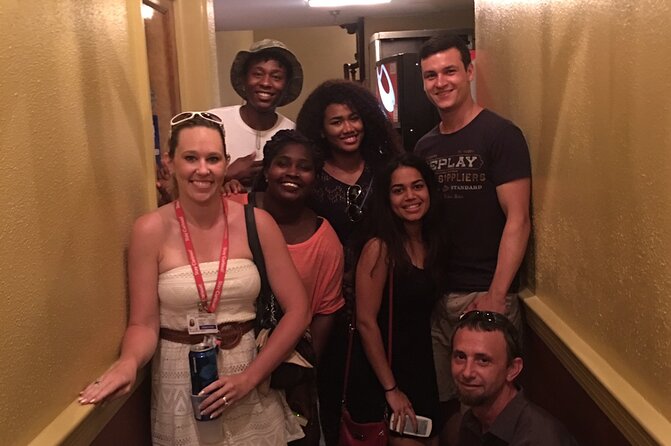
Book it if you want a guided folklore walk that hits the big New Orleans names and legends in a short amount of time. It’s especially good for first-timers who want context fast, and for anyone who likes spooky stories that connect to place.
Skip it or choose another option if your main goal is a guaranteed paranormal experience. This is a realistic legends tour, and you shouldn’t rely on seeing supernatural activity.
You should also feel confident if you’re comfortable with moderate walking and staying with the group schedule. And if you’re the kind of person who likes to take photos, this tour supports that—but it doesn’t allow audio or video recording, so plan accordingly.
FAQ
FAQ
How long is the New Orleans Legends, Folklore, Myths, Superstitions and Spells Tour?
The walking tour lasts about 1 to 2 hours. It runs at a moderate pace, and timing can vary based on wait time at bars along the route.
Where do I meet for the tour?
Meet at 941 Bourbon St, New Orleans, LA 70116, at the gate of the courtyard attached to Lafitte’s Blacksmith Shop Bar. The tour does not meet inside the bar or at a street corner.
Where does the tour end?
The tour ends in the heart of the French Quarter, at Jackson Square.
Is the tour offered in English?
Yes. The tour is offered in English.
Is this tour a walking tour?
Yes. It’s a walking tour with a moderate pace, and you’ll visit multiple stops across the French Quarter.
Can I bring a service animal?
Yes. Service animals are allowed.
Is paranormal equipment provided, and is recording allowed?
Paranormal equipment may be available for use, but it must be checked out at the beginning of the tour and returned to staff before you leave. Audio or video recording devices are not allowed, but photos are encouraged.