REVIEW · NEW ORLEANS
New Orleans Driving Tour with Bayou St. John, City Park, Treme
Book on Viator →Operated by The New Orleans Lifestyle · Bookable on Viator
New Orleans can feel like it’s all on one street. This drive helps you see historic neighborhoods beyond the French Quarter in just a few hours, with a smart rhythm of walking, photo stops, and quick orientation along the way. I like that it’s built for real sightseeing time—no marathon day needed.
I also like the guide’s style. Brian kept things fun and clear, and he pointed out details you’d miss on your own, from neighborhood cats to bird life along the route. One thing to consider: you’ll be in the car a fair amount, and if you’re hoping for lots of long walks, this is more of a highlights-and-stops tour than a slow wander.
In This Review
- Key highlights worth your time
- Why This 3-Hour Driving Tour Makes Sense
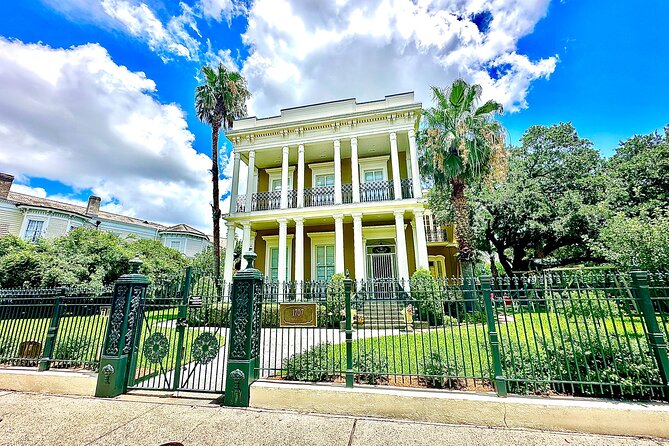
- Treme Mansions on the Creole Streets
- St. Louis Cemetery No. 3: Quick Tomb Walk, Real Atmosphere
- Bayou St. John: Marie Laveau, Old Roads, and Why This Spot Won
- City Park Oaks, Duels, and Beignets on Your Terms
- Lake Pontchartrain Levees: Fort Ruins and a Lighthouse View
- Price, Small Group Size, and What You Should Bring
- Should You Book This Tour?
- FAQ
- Is beignets included in the tour?
- How long is the driving tour?
- Where does the tour start and end?
- Is pickup available?
- Are admissions included for the stops?
- What if the weather is bad?
Key highlights worth your time

- Treme on Esplanade Avenue: Creole mansions plus room to pause for photos
- St. Louis Cemetery No. 3: a short tomb walk with the right spooky pacing
- Bayou St. John stories: Marie Laveau rituals and why this bayou mattered for the city
- City Park and the Café Du Monde stop: oak shade, then beignets at your own expense
- Lake Pontchartrain levee drive: scenic viewpoints, plus old fort ruins and a lighthouse sighting
- Small group size (max 7): easier conversation and more flexible photo stops
Why This 3-Hour Driving Tour Makes Sense

If you only have a slice of time in New Orleans, this is a strong use of it. You start near 701 N Rampart St, you’re back there at the end, and you get about three hours to cover a set of major areas that most people skip unless they plan a car day or two separate outings.
The format is also practical. You’re not stuck in a rigid schedule where every stop feels rushed. Instead, you get a mix: short walks where you actually need your feet, photo time when street scenes matter, and drive-by context so you understand where you are and why the place looks the way it does.
You’ll also get guided stops with admission handled at several key points. That matters because cemeteries and historic sites aren’t usually “just show up and go” if you want to do them right. A tour like this saves you the mental load of figuring out timing, entry, and what to prioritize.
Finally, it’s built for a wide range of people. Most travelers can participate, and the group stays small, which makes a huge difference when the day includes cemeteries, parks, and quick nature watching.
You can also read our reviews of more city tours in New Orleans



Treme Mansions on the Creole Streets

Your first stop is Treme, starting with a drive through the neighborhood along Esplanade Avenue. This is one of those areas where New Orleans shows you its layers. You get historic Creole architecture, long-lived streets, and the kind of housing scenes that are best seen slowly—but you can still cover a lot with the car-and-stop approach.
Expect a brief history from Brian on a handful of the standout properties. The tour pacing here is gentle: you can listen, look, and if you want photos, you can take them at your own leisure. The allotted time is about 30 minutes, which is enough to get your bearings and grab a few good angles without feeling like you’re fighting the clock.
This stop works particularly well if you want something different from the French Quarter. Here, the scenery is more about streets and homes than bars and balconies. You’ll come away with a better sense of how neighborhoods developed and why certain areas feel more rooted and residential, even when the city is in constant motion.
Potential drawback: if you’re the type who wants to spend an hour digging into every building, you may want longer time on foot. But if your goal is to see the “why” behind the architecture and get photo-ready, this is a smart first move.
St. Louis Cemetery No. 3: Quick Tomb Walk, Real Atmosphere
Then you head to St. Louis Cemetery No. 3, with about 15 minutes for a walk among the old tombs and graves. Cemeteries in New Orleans are not just eerie souvenirs. They’re part of the city’s living relationship with history, space, family, and memory.
The best part is the pacing. A 15-minute cemetery visit is short enough to feel doable, even if you’re sensitive to spooky vibes. Yet it’s long enough to notice details—the stonework style, the way the tombs are arranged, and the visual density that makes this kind of cemetery feel like an outdoor archive.
You’ll also get some talk to set the scene, including the idea of ghost stories tied to the location. The point isn’t to scare you. It’s to help you read what you’re seeing and understand why the cemetery became famous for its haunted reputation.
Practical tip: wear shoes you can stand in comfortably. Even if your time is limited, cemetery surfaces and angles can be a little uneven. Also, keep your phone brightness reasonable—dark stone reads better when you’re not blinding everything with max flash.
Bayou St. John: Marie Laveau, Old Roads, and Why This Spot Won
Next comes Bayou St. John, a neighborhood drive with a stop that’s about 30 minutes. This is one of the most interesting segments because it ties geography to culture—specifically, how the bayou factored into where New Orleans took root.
You’ll learn that the area where the city sits was chosen partly due to its proximity to the bayou. That kind of context changes the way you view the city. Instead of treating New Orleans as a “randomly built” place, you start to see it as a city shaped by water, access, and risk.
You’ll also be looking for specific landmarks as you go: the tour mentions seeing one of the oldest houses in New Orleans, passing by a market built in the mid 1800s, and spotting the oldest brick road in New Orleans. Add in references to a heron breeding ground and rituals connected to Voodoo Queen Marie Laveau, and you’ve got a mix of nature, built environment, and spirituality that feels much more New Orleans than another line-up of generic attractions.
The stop at Bayou St. John is marked as admission free on this experience. That’s a nice value angle, because some of your time here is about walking, looking, and learning rather than paying a separate entry fee.
One consideration: the nature parts can depend on conditions. If you’re visiting in a season or weather moment when wildlife is less active, you’ll still get the interpretation and sights, but the “watching” portion may feel lighter.
City Park Oaks, Duels, and Beignets on Your Terms
After Bayou St. John, you head to City Park for about 50 minutes. This is the longest stop besides the driving segments, and it gives you time to slow down without losing the tour’s overall momentum.
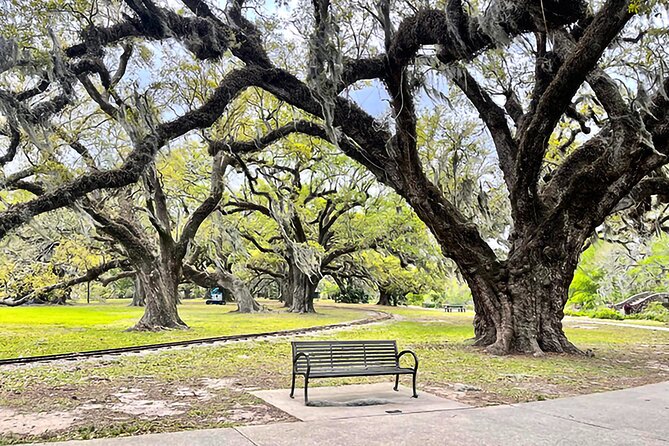
City Park is known for big trees, and you’ll learn about the old oak trees here and why the bayous and surrounding water systems matter to the park’s story. You’ll also hear about duels that once took place in the area. That sounds like movie material, but the real value is how it connects the park to the everyday lives and tensions of older New Orleans.
You’ll take photos and videos before a sweet detour: Café Du Monde beignets, which are own expense. This is one of those “you’ll thank yourself later” stops because it balances learning with a classic taste break. If beignets aren’t your thing, you can still use the time for a quick pause and photos—just know the tour expects the café stop as part of the plan.
Then comes the fun portion: the chance to see nature activity in the park. The experience mentions looking for birds and even gators. Even if you don’t spot a lot, the point is the shift from architecture and cemeteries to outdoors watching.
City Park is also admission free during this tour segment, which makes the value feel higher. You’re paying for interpretation, guidance, and time management—not just entry fees.
Tip: bring sunglasses and a hat if you’re sensitive to sun. Oaks help, but New Orleans daylight can still hit hard.





Lake Pontchartrain Levees: Fort Ruins and a Lighthouse View
The tour wraps with a drive toward the lakefront along the levees, heading to the Lake Pontchartrain area. This segment is about 45 minutes and mixes scenic driving with one historic stop.
You’ll do a scenic drive along the lakefront and see an old lighthouse. Then you’ll visit the ruins of a 300+ year old fort that once guarded the entrance of Bayou St. John. That combination—open water views plus crumbling fort structures—creates a satisfying end cap to the day’s water theme.
This is also a practical payoff. After cemeteries and city neighborhoods, the levee drive gives your brain a breather. It’s easier to take photos here, too, because you’re dealing with wide angles rather than tight streets.
The tour notes admission included for this stop. So while you’re enjoying the scenery, you’re also covering a real piece of older infrastructure—how the area was protected and why the city cared about its access points.
One more small note: because you’re driving along the levee, the feel of the ride depends on wind and weather. If it’s a bright day, you’ll get better visibility for lake photos. If conditions are rough, your photos may suffer a bit, but the guided storytelling still lands.
Price, Small Group Size, and What You Should Bring
At $50 per person for about three hours, I think this falls into the good-value zone—especially because several stops include admission. You’re not paying just for a car ride. You’re paying for interpretation plus entry where it matters, with time that keeps you moving without exhausting you.
The small group—up to 7 travelers—is a big deal for this kind of tour. It keeps questions easy and lets Brian adjust photo stops to what you actually want. And since pickup is offered with day-of texting, it’s also easier to join the tour without guessing how to meet.
The experience includes a mobile ticket and runs in English. You’ll want to have your phone charged enough for the ticket and photos.
What you should bring:
- Comfortable walking shoes for the cemetery and any park paths
- A camera (or phone) with enough storage
- Water, especially if the weather is hot
- Cash or card for beignets at Café Du Monde (own expense)
One more reality check: the tour requires good weather. If conditions are poor, it can be rescheduled or you may get a full refund. New Orleans weather can change fast, so dress like you’re planning for both sun and a surprise cloud.
Also, this is a tour that gets booked ahead. If your dates are fixed, it’s smart to lock it in early so you’re not stuck with fewer options.
Should You Book This Tour?
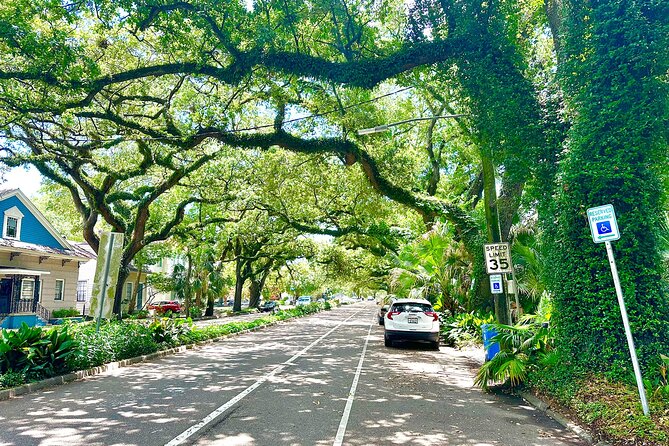
Book it if you want a fast, well-paced introduction to areas that most people don’t naturally explore. This tour is a great fit when you like context—why neighborhoods look the way they do, what the water geography changed, and how cemetery culture fits into the city’s identity.
Skip it if you want long independent exploration time in each location. This is not a day for drifting for hours through one museum or one district. It’s more about getting the highlights out of the way with guidance, then using the rest of your trip for deeper choices.
If you’re the kind of traveler who enjoys photo opportunities, short walks, and learning stories that connect buildings and nature, you’ll probably have a lot of fun with Brian’s approach.
FAQ
Is beignets included in the tour?
No. The tour includes time at Café Du Monde, but beignets are own expense.
How long is the driving tour?
It’s about 3 hours.
Where does the tour start and end?
It starts at 701 N Rampart St, New Orleans, LA 70116 and ends back at the same meeting point.
Is pickup available?
Yes, pickup is offered. The provider will text you with pickup details on the day of the tour.
Are admissions included for the stops?
Admission is included for some stops (Treme, St. Louis Cemetery No. 3, and the Lake Pontchartrain/fort stop). Bayou St. John and City Park segments are listed as admission free.
What if the weather is bad?
This experience requires good weather. If it’s canceled due to poor weather, you’ll be offered a different date or a full refund.