REVIEW · NEW ORLEANS
New Orleans: Garden District Walking Tour
Book on GetYourGuide →Operated by 504tours · Bookable on GetYourGuide
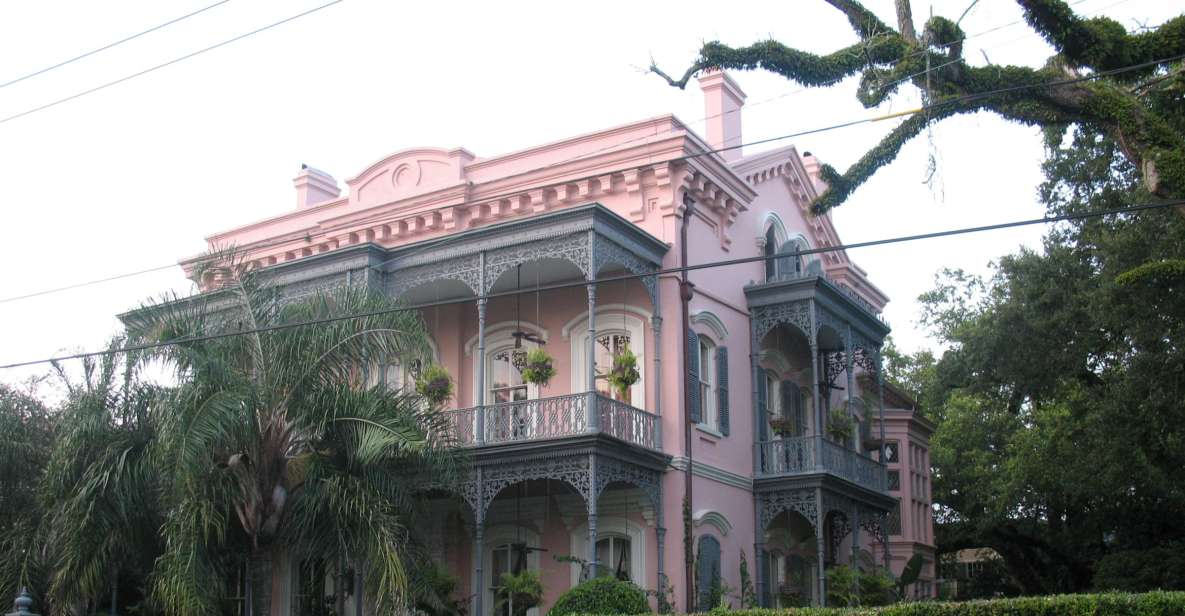
Mansions have stories you can walk through. This New Orleans Garden District tour is a fun way to connect the architecture to real people and real money—especially when you’re standing in front of places like the Carroll-Crawford Mansion. I especially liked how the guide turns details into something you can picture, and how the stop-by-stop pacing makes the area feel understandable fast.
One thing to consider: this is a walking tour, and it’s built for comfort on foot rather than long sitting breaks. Also, the info says it’s wheelchair accessible but separately notes it isn’t suitable for wheelchair users—so if you need mobility accommodations, I’d plan to confirm first.
In This Review
- Key highlights worth planning for
- Walking From 2801 Magazine St. Into the Garden District
- The Mansion Mix: Greek Revival Meets Italianate
- Bosworth-Haus and Burnside Mansion: Wealth in Architectural Form
- Old Municipal Cemetery: Why New Orleans Buries Up
- Commander’s Palace Link: Chefs Trained Here
- Eustis-Haus and Sandra Bullock: Pop Culture With Place
- Lonsdale House on Prytania: The Oldest Survives
- The Rink Finish: Coffee, Books, and a Walk-Friendly End
- Price and Time: Is $45 for 2 Hours Good Value?
- Who Should Book This Tour (and Who Might Skip It)
- Should You Book the New Orleans Garden District Walking Tour?
- FAQ
- How long is the Garden District walking tour?
- What does it cost?
- Where do I meet the guide?
- Is food included?
- What stops are part of the route?
- What architectural styles will I hear about?
- Which languages are available?
- What should I bring?
- Is it accessible for wheelchair users?
- What is the cancellation policy?
Key highlights worth planning for
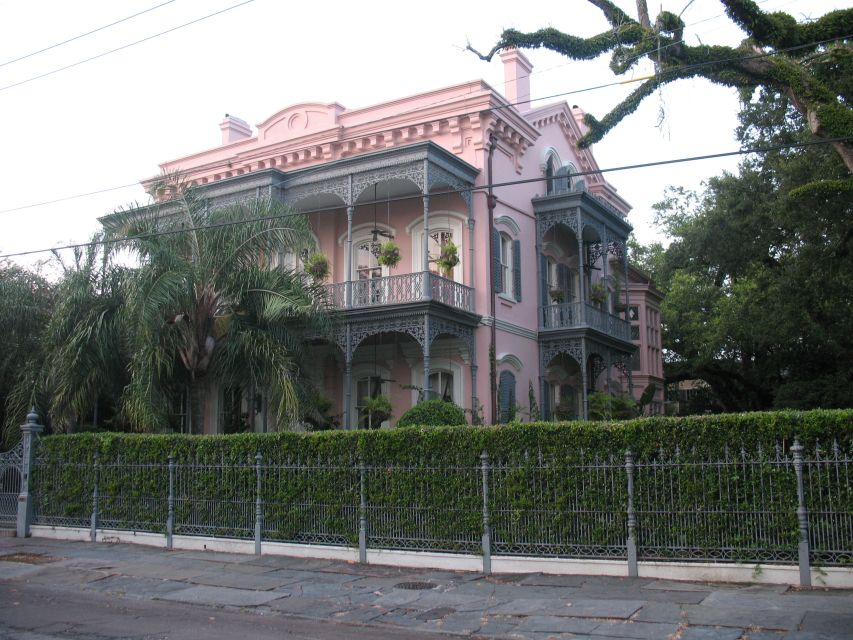
- Greek Revival and Italianate façades you can actually see and compare street by street
- Bosworth-Haus and Burnside Mansion as an easy starting arc into wealth in the late 1800s
- Above-ground burial traditions explained at the oldest municipal cemetery
- Commander’s Palace culinary connections tied to training paths of major chefs
- Eustis-Haus and Sandra Bullock’s purchase as a pop-culture stop with local context
- A light finish at the Rink with coffee, books, and small boutiques nearby
Walking From 2801 Magazine St. Into the Garden District
This tour keeps things simple and efficient: you meet at 2801 Magazine St. (on the corner of Washington Avenue), across the street from Coquette. From there, you’ll spend about 2 hours walking and looking—no rushing, but also no long detours.
I like tours like this because they don’t just tell you what to admire. They tell you why the buildings look the way they do, and what kind of life those walls were built for. You’ll also get a live guide in English or German, and the format is described as a private group, which usually means questions don’t get lost in the noise.
One practical note: the tour is priced at $45 per person and doesn’t include food. That’s fine, but it also means you should plan to eat before or after, and bring what you need for comfort (water, sunglasses, and especially comfortable shoes). The route is best for people who enjoy outdoor strolling and street-level observation.
You can also read our reviews of more walking tours in New Orleans



The Mansion Mix: Greek Revival Meets Italianate
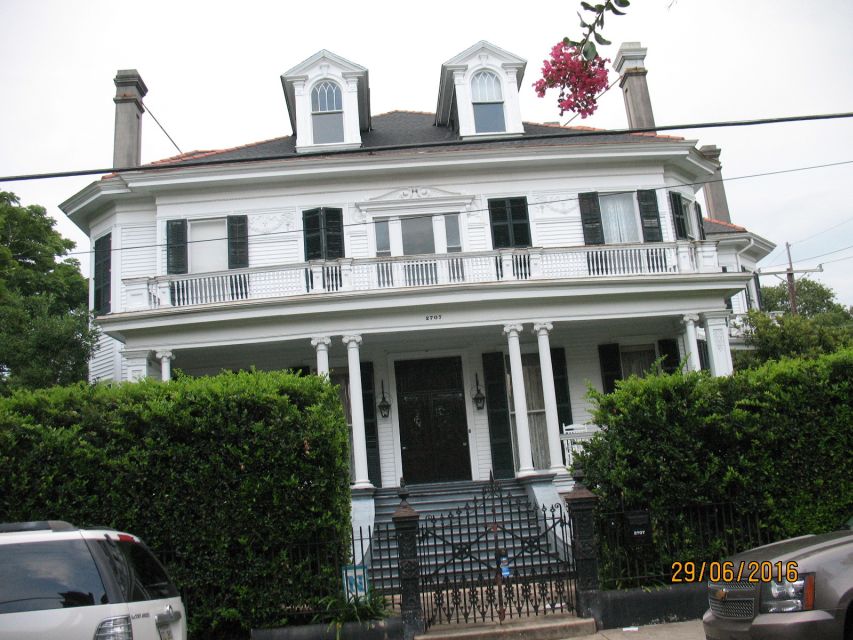
The Garden District is famous for its 19th-century mansions, and part of the fun here is learning to read the streets. You’ll notice design choices associated with Greek Revival and Italianate styles, then see how those choices show up in practical, visual ways—columns, decorative details, and the overall sense of grandeur.
What I find valuable is how the tour connects architecture to economic swings. The homes you’ll see weren’t just built once and then frozen in time. They reflect wealth that was found—and sometimes lost—during the second half of the 1800s. That framing makes the neighborhood feel like a story, not just pretty scenery.
Also, the tour points out that some mansions in the area can feel reminiscent of grand plantation-style homes. That doesn’t mean you’re doing a plantation tour. It just helps you understand why these mansions carry such power in their design language. Even from the sidewalk, you’ll be looking at how families wanted to be seen.
Bosworth-Haus and Burnside Mansion: Wealth in Architectural Form
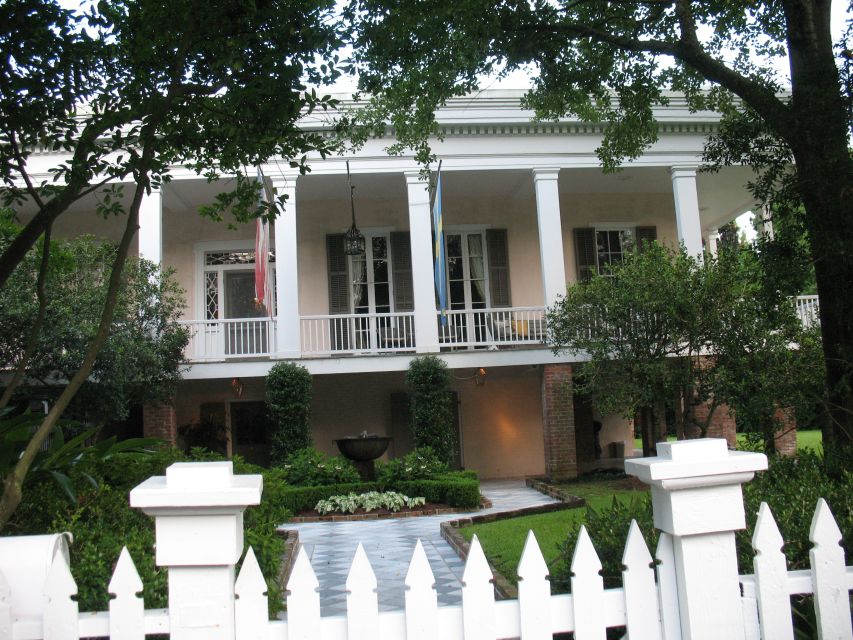
The tour’s first real wow moment comes early. You start by visiting two iconic mansions: the Bosworth-Haus and the Burnside Mansion. This is smart ordering. In about the first stretch, you get introduced to the themes that keep showing up throughout the Garden District—status, ambition, and the way money changes hands.
For the Bosworth-Haus, the story centers on a former owner tied to an ice-magnate. That’s a detail I like because it’s not just aristocracy in the abstract; it’s business, technology, and local power at work. The Burnside Mansion connects to a plantation owner, bringing a different kind of wealth narrative into the same neighborhood.
What you should watch for during these stops is not just the size of the homes. Watch the design choices that signal pride and permanence. The tour encourages you to admire “stunning architectural features,” so keep your eyes moving: rooflines, window shapes, exterior ornamentation, and how the building presents itself to the street.
If you’re the kind of person who likes facts but also likes a story, this portion is where you’ll feel the most momentum.
Old Municipal Cemetery: Why New Orleans Buries Up
After the mansions, the tour takes a turn that’s both practical and culturally specific: a stop at the oldest municipal cemetery. Here, you’ll learn about above-ground burial traditions in New Orleans—one of those local customs that can sound odd until someone explains how it fits the environment and the city’s history.
This is a good reset point in a walking tour. You’ve been looking at houses designed to impress. Now you’ll look at how the city handles memory and remains in a way that’s distinct from the ground-level cemetery routines many people expect.
Even if you don’t consider yourself a history person, this stop adds meaning. It helps connect the Garden District’s wealth stories to the city’s broader relationship with tradition, family, and legacy. And because the tour is walking-based, the cemetery stop doesn’t feel like an extra chore. It’s part of the same neighborhood logic—wealth and community structures all shaped by place.
Commander’s Palace Link: Chefs Trained Here
One of the most interesting contrasts on the route is the chance to look at Commander’s Palace, one of New Orleans’ best-known restaurants. You’re not being served a meal on this tour, but you are getting a sense of how culinary excellence connects to local institutions.
The tour highlights culinary stars such as Paul Prudhomme and Emeril Lagasse, mentioning they trained there under the watchful eyes of other master chefs and its owner, Ella Brennan. That chain matters. It turns a restaurant you might know by reputation into a place with a lineage.
For your planning, this stop is also a useful reality check. If you want to eat well on your trip, you’ll leave with a clearer sense of what makes New Orleans dining so rooted in mentorship and local prestige—not just a one-time chef moment.
Because you’re simply looking at the restaurant, don’t expect a behind-the-scenes visit. But the context can make your future meal feel better informed.




Eustis-Haus and Sandra Bullock: Pop Culture With Place
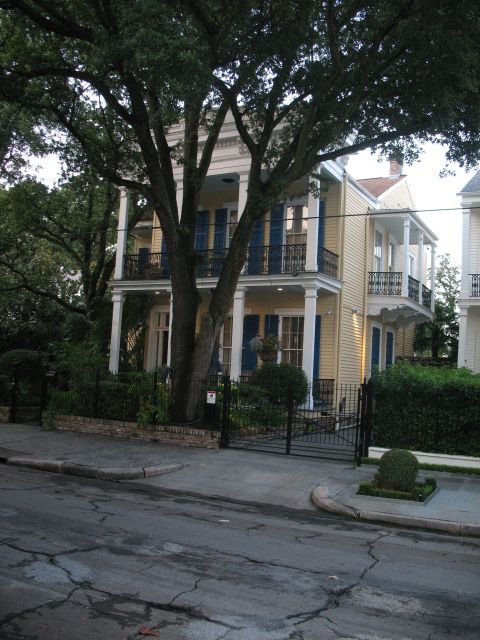
Next comes a stop that many people instantly recognize for the headline, but the tour keeps it grounded in local meaning. The Eustis-Haus was built for the daughter of a cotton factor, and it later became the home of Hollywood actress Sandra Bullock, who purchased it for $2.25 million.
That combination—cotton wealth, then modern celebrity ownership—creates a bridge between eras. You get to compare what different kinds of status look like across time. The architecture is still doing its job on the street, but the human story changes with each generation.
I’d recommend you treat this stop as a way to understand the neighborhood’s ongoing desirability, not just a fun trivia moment. When a home like this can move from 1800s fortunes to modern buyers, you’re watching the Garden District’s value as a living, maintained place—not a museum set.
Lonsdale House on Prytania: The Oldest Survives
The tour also includes a nearby look at the Lonsdale house on Prytania Street, described as the oldest in the Garden District. Today, it belongs to a wealthy local tea and coffee importer.
I like this detail for one big reason: it shows how neighborhoods survive by adapting. The Lonsdale house isn’t being framed as a frozen artifact. It’s part of an active business and family story, tied to trade and local enterprise.
From a visitor perspective, stops like this help you avoid a common trap—seeing beautiful homes only as wealth symbols. Instead, you’re reminded that homes are tied to work, to supply chains, and to who built the city’s economy. The tour gives you enough context to connect the dots without making it feel like homework.
The Rink Finish: Coffee, Books, and a Walk-Friendly End
Rather than ending with a hard stop into a parking lot, the tour concludes at the Rink, a former skating rink that now houses a local coffee shop, an independent bookstore, and small boutiques.
This matters more than it sounds. A tour that ends with a relaxed option helps you transition from “guided mode” to “free time.” If you want to keep the momentum, you’ve got places to browse, sit, and recharge. If you’re tired, you can simply grab a drink and regroup without committing to a long next stop.
This ending also fits the Garden District vibe—slow streets, storefront texture, and a chance to look around without being rushed. It’s a good way to finish a tour that spends most of its time focused on exterior views and street-level storytelling.
Price and Time: Is $45 for 2 Hours Good Value?
At $45 per person for a 2-hour walking tour, the value depends on what you want out of your afternoon. If you like architecture and you enjoy learning how local stories connect across decades, you’ll likely find this price reasonable.
Here’s the logic: you’re paying for (1) a guide who can explain the why behind what you see, (2) a route that strings together mansion stories, cemetery tradition, and a major dining institution, and (3) a structured experience that keeps you from wandering randomly through the Garden District.
The tour also offers English and German language options and is described as private group, which often helps people get their questions answered and avoid feeling like you’re competing for attention.
What to keep in mind: since it’s a walking tour, you’re not buying time in a vehicle or access to inside rooms (nothing like that is promised in the provided details). You’re buying context, pacing, and an itinerary that links the neighborhood’s most meaningful stops.
Who Should Book This Tour (and Who Might Skip It)
I think this tour is ideal if you want:
- A clear, walkable way to understand the Garden District’s 19th-century mansion culture
- A guide who brings stories to life with humor and warmth, not just names and dates
- A route that includes both architecture and city customs, like the above-ground cemetery tradition
It may be less ideal if:
- You need lots of seating or you’re sensitive to extended walking
- You’re expecting lots of interior access (the focus here is mainly exterior viewing and explanations)
- You fall into the age category noted as not suitable (the info says people over 95 years aren’t suitable)
Also double-check mobility needs because the info is mixed: it lists wheelchair accessibility, yet it also says it isn’t suitable for wheelchair users. If that applies to you, I’d confirm directly so you don’t get stuck with surprises.
Should You Book the New Orleans Garden District Walking Tour?
If you’re spending time in New Orleans and you want a Garden District experience that feels story-driven and grounded in place, I’d book this. The combination of mansion architecture, above-ground burial traditions, and the Commander’s Palace connection makes it more than a pretty-streets stroll.
Pick it especially if you like guided explanation that feels human—people with warm pacing and real engagement. And if you’re on a schedule, the timing is friendly: 2 hours gets you a focused arc without taking over your whole day.
If you’re unsure, use the simplest test: Do you like walking and looking closely at buildings and neighborhoods? If yes, this one fits well.
FAQ
How long is the Garden District walking tour?
It lasts about 2 hours.
What does it cost?
The price is $45 per person.
Where do I meet the guide?
Meet at 2801 Magazine St. (corner of Washington Avenue), across the street from Coquette.
Is food included?
No. Food and beverages are not included.
What stops are part of the route?
The tour includes iconic mansions such as Bosworth-Haus and Burnside Mansion, a stop at the oldest municipal cemetery, a look at Commander’s Palace, the Eustis-Haus, the Lonsdale house on Prytania Street, and it ends at the Rink.
What architectural styles will I hear about?
The tour focuses on homes designed in Greek Revival and Italianate building styles.
Which languages are available?
The live tour guide is available in English and German.
What should I bring?
Wear comfortable shoes, since it’s a walking tour.
Is it accessible for wheelchair users?
The information provided lists wheelchair accessibility, but it also says the tour is not suitable for wheelchair users. If you use a wheelchair or mobility device, it’s smart to confirm with the provider before booking.
What is the cancellation policy?
Free cancellation is available up to 24 hours in advance for a full refund.