REVIEW · NEW ORLEANS
New Orleans : African American Heritage Walking Tour
Book on GetYourGuide →Operated by UTG EXPERIENCE LIMITED · Bookable on GetYourGuide
Congo Square still tells stories. This 2-hour New Orleans walk connects African American history to real streets in the French Quarter and then lands you at Congo Square in Armstrong Park. I like that the tour traces the timeline of enslaved arrivals and shows how culture kept shaping the city after slavery. I also like that you get practical context for what you’ll see—food, music, religion, and even architecture. One thing to consider: this is a walking tour, and it’s not recommended for people with limited mobility, plus it runs rain or shine.
You’ll meet your guide at 401 Decatur Street and spend your time between the French Quarter and Faubourg Treme, listening to stories that go beyond dates. Expect an English-language guide and a route built around the idea that African culture in Louisiana wasn’t a footnote—it shaped everyday life.
In This Review
- Key things I’d circle before you go
- A street-level story of African American heritage in New Orleans
- The main timeline you’ll carry with you
- Your morning/afternoon route: French Quarter to Armstrong Park
- Meeting point and how to start smart
- Why the French Quarter part matters
- Congo Square at Armstrong Park: the heart of the experience
- What you’re meant to understand here
- How this stop connects back to the bigger timeline
- The 2-hour learning arc: what you’ll actually walk away with
- The core themes you’ll likely leave with
- Creole architecture and food: why you shouldn’t skip the small mentions
- Price and value: is $29 for 2 hours a fair deal?
- What to bring and how to handle rain or shine
- Who this tour is best for
- Should you book this New Orleans African American Heritage Walking Tour?
- FAQ
- How long is the New Orleans African American Heritage Walking Tour?
- What does the tour include?
- What is the meeting point?
- Is the tour in English?
- Does the tour include food or drinks?
- Is the tour canceled for rain?
- What should I bring?
- Is it suitable for limited mobility?
- What is the price?
Key things I’d circle before you go
- African arrivals start in 1719, with forced removals from Senegambia to French Louisiana
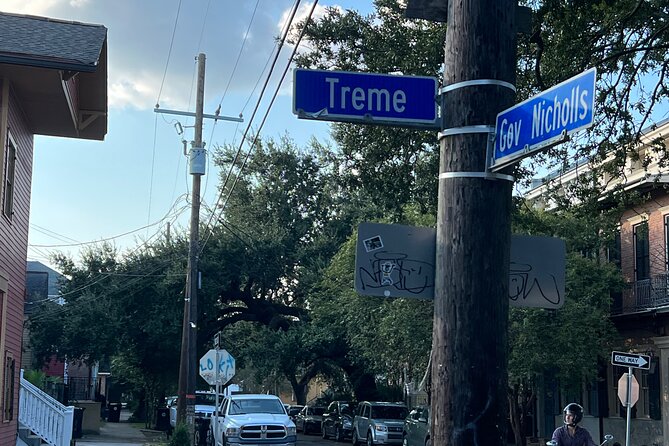
- Congo Square in Armstrong Park is the core stop, in the Faubourg Treme area
- A clear learning arc from colonial labor and building the city to lasting cultural influence
- Creole architecture and food are part of the conversation, not just background
- A tight 2-hour format for $29—good value if you want street-level context
- Rain or shine means bring shoes that handle wet pavement
A street-level story of African American heritage in New Orleans
New Orleans has a way of putting history in your path. This tour leans into that. Instead of treating African American heritage like a separate exhibit, it connects it to places you’d otherwise pass without thinking.
What makes this experience genuinely useful is the tour’s focus on the full chain of cause and effect. You don’t just hear that enslaved Africans lived in New Orleans. You learn how people of African ancestry arrived early in the city’s life, how colonial economies depended on their labor, and how cultural practices persisted. That framing matters, because it helps you read the city as a living record—something you can spot while walking.
You’ll also get the practical benefit of a guide steering your attention. New Orleans is full of architecture, food cues, and street rhythms. A good guide helps you connect those details to the larger story, so you don’t leave with a list of facts—you leave with a map in your head.
You can also read our reviews of more walking tours in New Orleans


The main timeline you’ll carry with you
The tour covers a serious historical backbone:
- In 1719, people of African ancestry first arrived in New Orleans within about a year of the city’s founding.
- During the 1720s, roughly five thousand Africans survived the Middle Passage en route to French Louisiana.
- Then, in the 1780s, the Spanish brought another similarly sized group from the Benin and Congo regions.
- Enslaved Africans cleared forests, raised crops, and built the infrastructure that helped the city grow.
Even if your usual style is to travel light and move fast, this matters. Knowing the timeline changes how you interpret what you see afterward—especially at Congo Square and in the neighborhoods where Afro-Creole life shaped public space.
Your morning/afternoon route: French Quarter to Armstrong Park
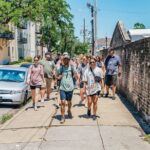
The tour is a 2-hour walking route with stops in two zones: the French Quarter and Louis Armstrong Park / Congo Square on the edge of it, in Faubourg Treme.
Meeting point and how to start smart
You’ll want to arrive 15 minutes early at 401 Decatur Street. That might sound like an admin detail, but it’s actually your easiest way to avoid stress. In New Orleans, streets can tangle, and it’s nice to settle before you start walking with a guide.
From there, you’ll walk through the French Quarter area and then transition toward Armstrong Park. The overall route length is built for a short, focused window—about two hours total—so you’re not signing up for a half-day hike.
Why the French Quarter part matters
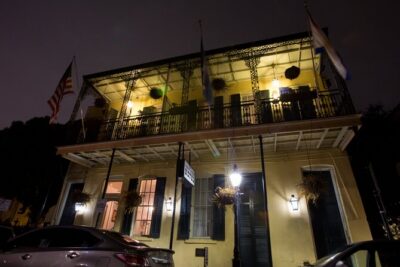
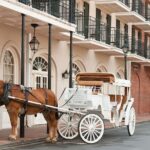
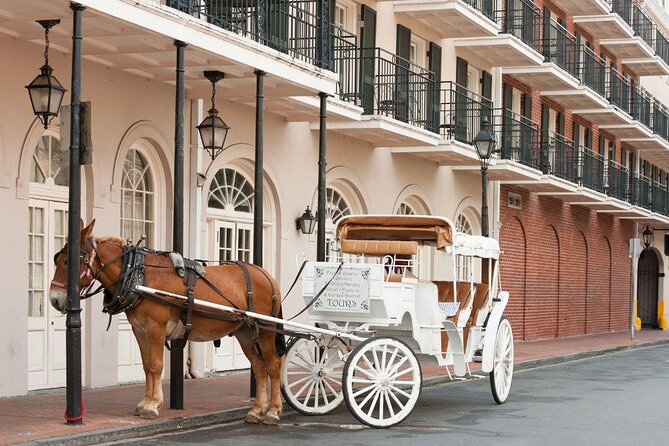
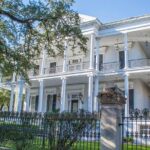
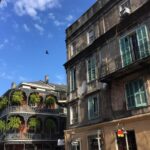
It’s tempting to think the French Quarter is only for balconies, courtyards, and postcard streets. But this tour treats the French Quarter as a starting point for understanding power and culture in the colonial city.
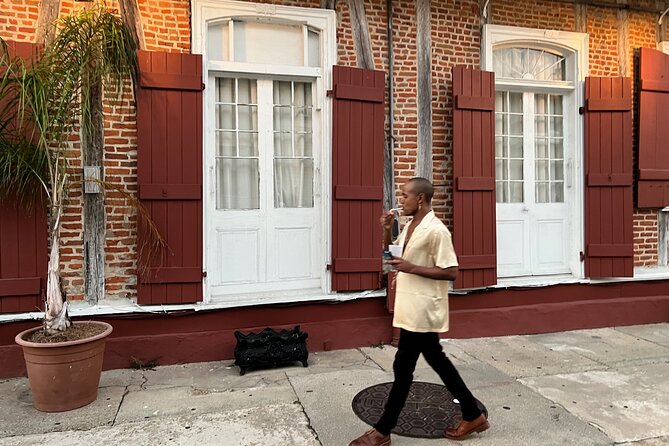
In practice, you’ll connect Creole architecture and food to the people whose labor and traditions helped shape daily life. When someone points out architecture or taste in the right historical context, it stops being trivia. It becomes evidence of how cultural mixing worked over time.
This is also where you get the tour’s tone: not just suffering, but persistence. You’ll hear how African culture persisted and influenced religion, music, food, and architecture—so the story is about survival and continuity, not only oppression.
You can also read our reviews of more historical tours in New Orleans


Congo Square at Armstrong Park: the heart of the experience
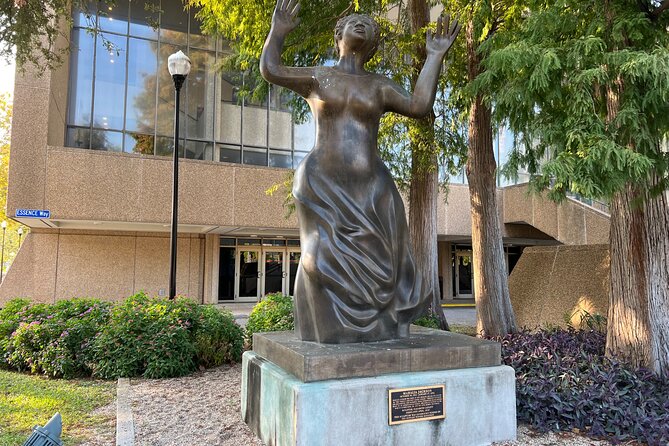
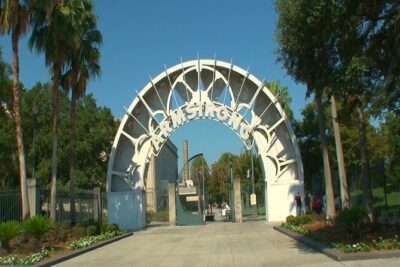
The emotional and historical center of this tour is Congo Square, now part of Armstrong Park, right by the French Quarter in Faubourg Treme. This is the place the tour zeroes in on, and it’s why the experience feels more than a quick history lesson.
What you’re meant to understand here
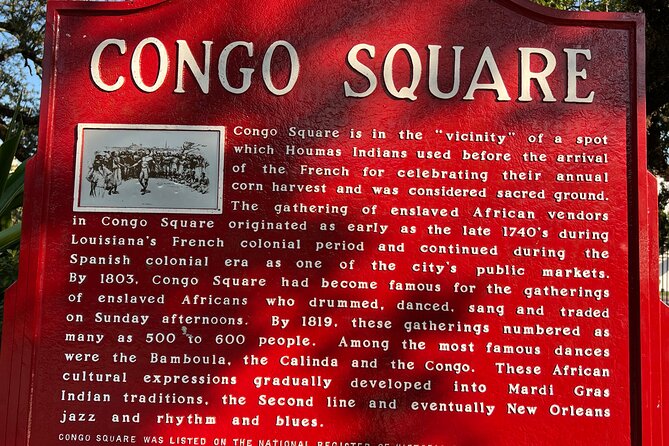
You’ll learn about how Congo Square functioned as a meeting place where enslaved people and laborers could gather. The tour explains that people came to:
- trade goods
- play music
- dance
- socialize
That combination is key. It tells you Congo Square wasn’t just entertainment. It was community life—one of the ways culture held onto itself even under brutal restrictions.
And because you’re physically standing in the park area, the story lands with more weight. You’re not looking at a diagram. You’re in the landscape that helps you imagine what regular gatherings meant.
How this stop connects back to the bigger timeline
Here’s the logic that makes the Congo Square stop feel coherent:
- Early arrivals (starting in 1719) meant African traditions entered the city’s social fabric early.
- Enslaved labor built and sustained New Orleans economically.
- Over time, African culture wasn’t erased—it changed shape, fused with local patterns, and kept showing up in daily life.
Congo Square becomes the “proof” stop. It’s where the guide points to cultural persistence you can grasp without needing a museum.
The 2-hour learning arc: what you’ll actually walk away with
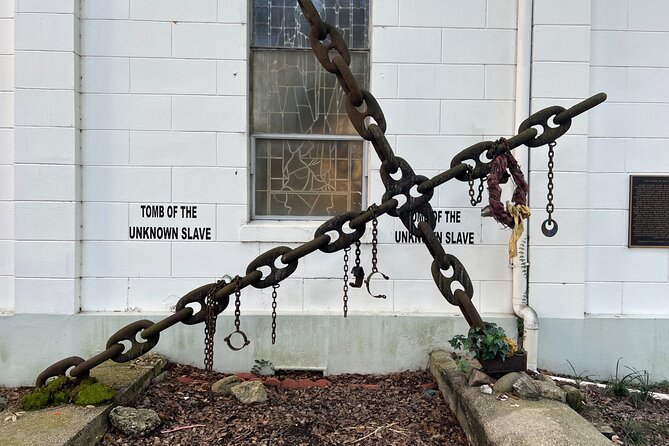
This is a short tour by design, so it can’t cover every detail in depth. Instead, it’s built around a handful of big ideas you’ll remember.
The core themes you’ll likely leave with
- Forced arrival and early foundations: New Orleans wasn’t old enough to forget its origins when African arrivals began—1719 happens quickly after the city’s establishment.
- Middle Passage scale, not abstraction: learning about the thousands of people who survived the 1720s journey makes the history feel real.
- Spanish-era arrivals add another layer: the 1780s group from Benin and Congo helps explain why African influence in Louisiana isn’t one-note.
- Enslaved people built the city: clearing forests, raising crops, and building infrastructure turns the story from background history into how the city physically grew.
- Culture lived on in everyday things: music, religion, architecture, and food show up as lasting influences.
Creole architecture and food: why you shouldn’t skip the small mentions
I think the best tours help you notice what you’d otherwise ignore. Here, the Creole architecture and food notes are small—but they’re exactly where culture hides in plain sight.
When a guide links architecture to the people and histories behind the city, you start seeing patterns: styles, materials, and design choices that reflect cultural contact and adaptation. The food angle works similarly. Even if you don’t eat during the tour, you’ll leave with a sharper eye for what to look for later.
Price and value: is $29 for 2 hours a fair deal?
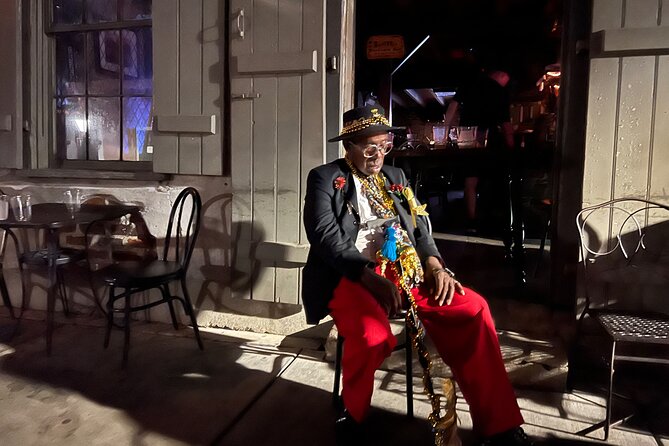
At $29 per person for a 2-hour walking tour, the value comes down to one question: do you want guided context in a city where self-guiding can easily turn into wandering?
In my view, this is priced like a solid “attention investment.” You’re paying for:
- a local guide
- a focused walking route
- historical storytelling tied to specific places (French Quarter + Armstrong Park/Congo Square)
It’s also not a long, complicated logistics day. There’s no food included, and no hotel pickup, so you’re not paying for extras you still would need to manage yourself. You’re paying for time and interpretation—exactly what you want if you only have a small gap to explore.
One practical note: reviews show mixed outcomes. One booking was highly praised for being thorough and illuminating, while another faced last-minute rain cancellation with no refund offered in that situation. That doesn’t mean you shouldn’t book. It does mean you should keep your schedule flexible if weather would ruin your plans.
What to bring and how to handle rain or shine
This tour takes place rain or shine. That’s New Orleans normal—but you still want to plan like an adult.
Bring:
- comfortable shoes (you’ll be on sidewalks)
- camera (for French Quarter streets and Armstrong Park setting)
- water (you’ll be walking for two hours)
If rain is in the forecast, wear shoes you don’t mind getting wet. Also consider layers. New Orleans weather changes fast, and wet pavement makes your feet tired sooner than you expect.
Who this tour is best for
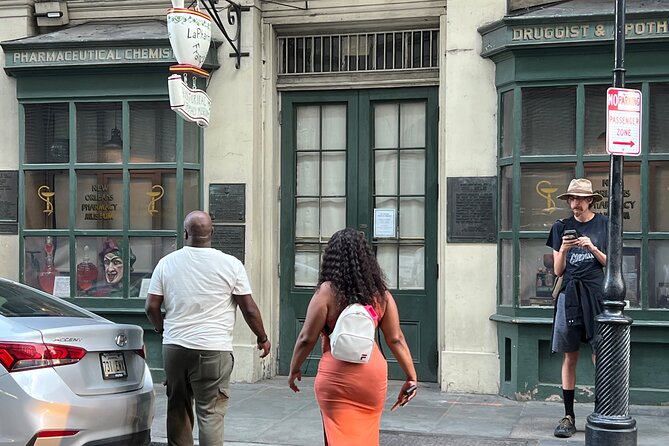
This is a great fit if:
- You want African American heritage connected to real New Orleans locations
- You like learning history in a walk-through format, not a sit-down museum day
- You’re interested in how culture persists in food, music, religion, and architecture
- You want an easy-to-fit-in plan: 2 hours, one morning or afternoon window
It’s less ideal if:
- You have limited mobility. This is explicitly not recommended for that.
- You hate walking in the rain. The tour runs rain or shine, and the pace is designed around a walking route.
If you’re traveling with kids, think carefully. The tour is historical and story-focused, and you’ll be walking continuously. With younger kids, you’ll want to judge whether they can handle the duration and outdoor setting.
Should you book this New Orleans African American Heritage Walking Tour?
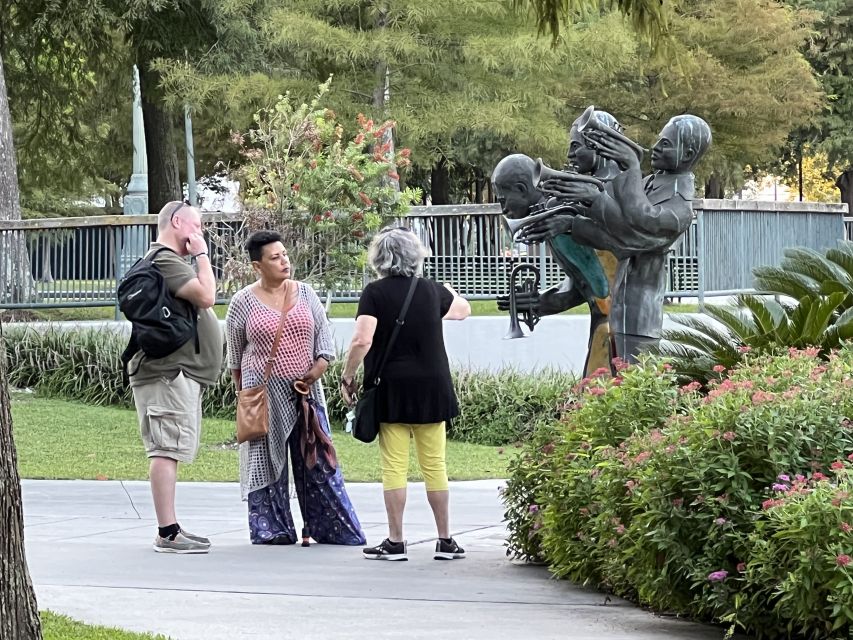
I’d book it if you want a guided, place-based story of African ancestry in New Orleans that goes past surface-level facts. The Congo Square stop in Armstrong Park is the standout anchor, and the way the tour ties early arrival history to cultural persistence is exactly the kind of context that makes the city click.
I’d be cautious if your day is fragile. One reported issue involved a rain-related cancellation and a refund not being offered in that case, with guests unable to reschedule because they left early. So if this tour is tied to a tight itinerary, plan buffer time around it.
If you’re flexible and ready for a guided walking experience, this one is a good value way to understand why New Orleans culture looks the way it does—because the story didn’t start in the past. It started here, in the streets you’ll walk.
FAQ
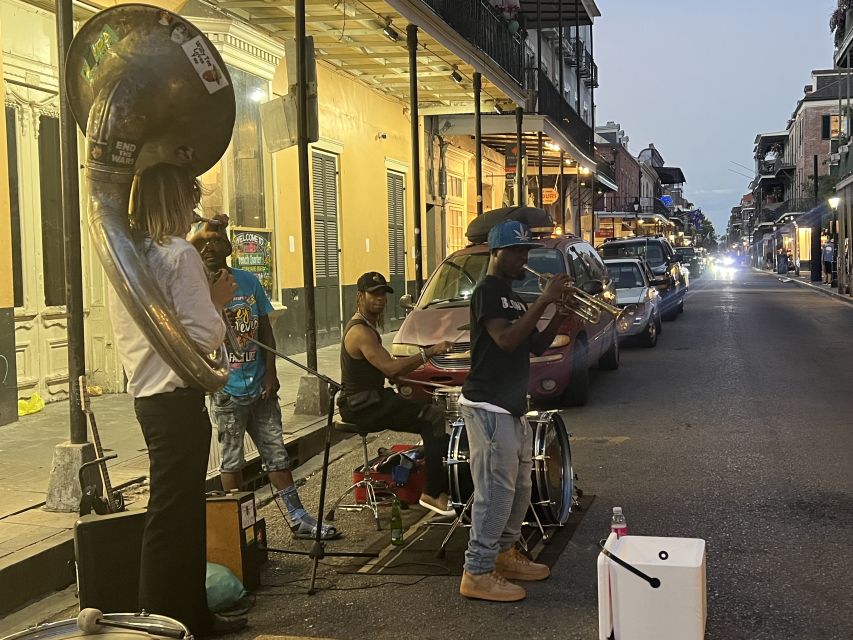
How long is the New Orleans African American Heritage Walking Tour?
It lasts 2 hours.
What does the tour include?
You get a local tour guide and walking stops in the Louis Armstrong Park and Congo Square area plus walking in the French Quarter.
What is the meeting point?
Meet your guide at 401 Decatur Street, 15 minutes before the activity starts.
Is the tour in English?
Yes, the tour guide provides the experience in English.
Does the tour include food or drinks?
No. Food and drinks are not included.
Is the tour canceled for rain?
The tour takes place rain or shine.
What should I bring?
Bring comfortable shoes, a camera, and water.
Is it suitable for limited mobility?
No. The tour is not recommended for people with limited mobility.
What is the price?
The price is $29 per person.