REVIEW · NEW ORLEANS
Soul of New Orleans City Tour
Book on GetYourGuide →Operated by 2nd Line Tours · Bookable on GetYourGuide
New Orleans answers back through its African roots, if you know where to look. I love how this 2.5-hour route links music origins and community neighborhoods to major civil rights storylines, not just postcard stops. I also love the way you’re shown murals, markets, and museums that make the culture feel current, not like a museum display behind glass.
You should consider one thing before booking: you’ll be on and off the bus in a tight window. With only 2.5 hours total and rain or shine, it’s possible you’ll finish wanting more time at a few standout stops.
In This Review
- Key highlights that make this tour worth it
- Why the Soul of New Orleans City Tour is more than a drive-by
- Price and value: what $55 buys you in 2.5 hours
- Starting at 414 Canal St: the easiest way to meet up and stay oriented
- Congo Square and the jazz birthplace story
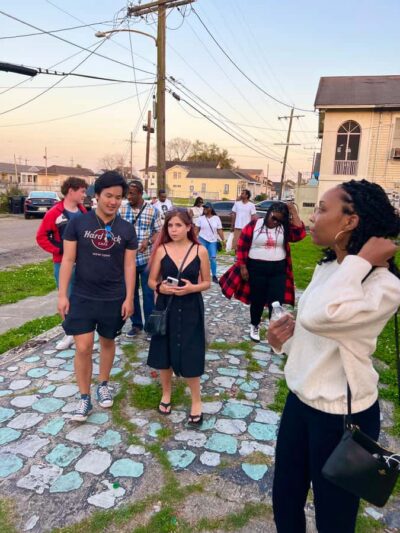
- Treme and Musicians Village: where culture lives in the streets
- Antebellum Slave Quarters and historic cemeteries: respect the weight of the places
- Plessy vs. Ferguson, Solomon Northrup, and the legal story you can’t skip
- The Civil Rights Trail: desegregation explained through real names
- Lower Ninth Ward and Hurricane Katrina’s aftermath: why you can’t rush this part
- Markets, museums, and architecture: where the city’s daily life meets the timeline
- What the guide does (and why it matters on a short tour)
- Who this tour suits best (and who should consider alternatives)
- Should you book Soul of New Orleans?
- FAQ
- How long is the Soul of New Orleans City Tour?
- How much does it cost?
- What’s included in the ticket price?
- What isn’t included?
- Where do I meet the guide?
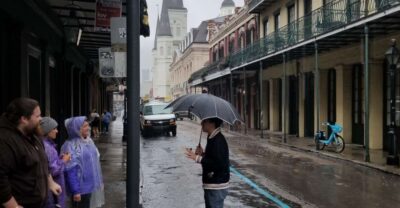
- Is the tour canceled if it rains?
- Is there free cancellation?
- Is the tour guided in English?
Key highlights that make this tour worth it
- Congo Square to jazz origins: hear how music and community history are tied together in place
- Treme and Musicians Village: see neighborhoods shaped by Black New Orleans culture and creativity
- Beyond the French Quarter: the route connects Creole history, legal milestones, and lived experience
- Lower Ninth Ward + Hurricane Katrina aftermath: understand why the story still matters today
- Civil Rights Trail stops: you’ll see names and sites connected to desegregation and change
- Dr. Leona Tate’s school and museum: a strong educational moment focused on impact and memory
Why the Soul of New Orleans City Tour is more than a drive-by
This isn’t a sightseeing lap where the guide points out pretty buildings and moves on. The focus here is the African and African American threads running through New Orleans—music, neighborhood life, resistance, and legal battles—then mapped onto real places you can stand in front of.
That structure is exactly what you want if you’re short on time but still want context. You get a moving timeline: the tour touches Creole history, the story behind Plessy vs. Ferguson, and the legacy of Solomon Northrup, then carries you toward civil rights-era sites and the ongoing reality of the Lower Ninth Ward.
And yes, there are visual treats. Murals and public artworks are part of the story, not decoration. If you enjoy finding meaning in street-level art and architecture, you’ll get a lot out of this route.
You can also read our reviews of more city tours in New Orleans


Price and value: what $55 buys you in 2.5 hours
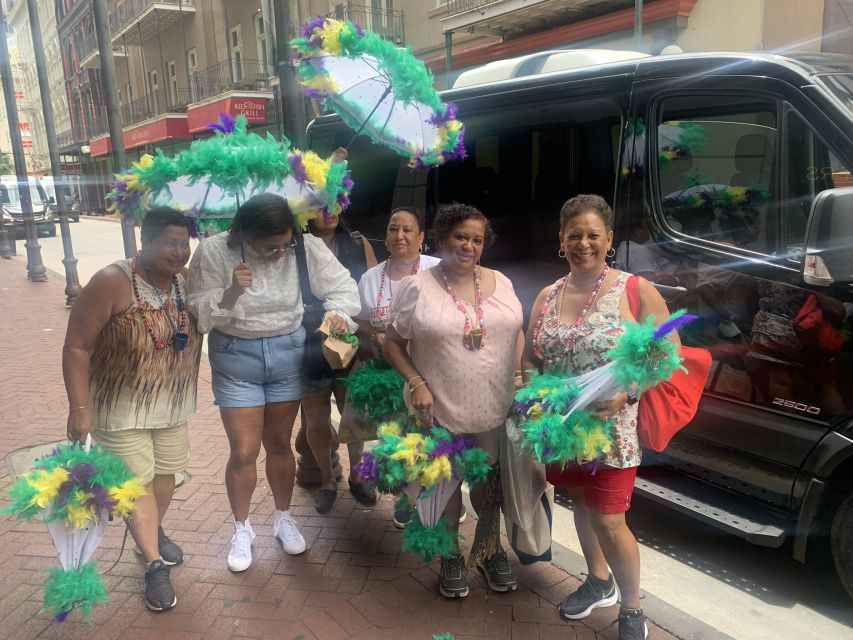
At $55 per person for a 2.5-hour guided tour, the value comes from what’s included. You get a live guide plus entrance fees, which matters because New Orleans can add up quickly once you start paying for museums and site access.
Food and drinks are not included, so you’re smart to plan a meal before or after. But in return, you’re not paying extra at every stop just to keep moving. The tour is also described as rain or shine, so you’re getting planned access no matter the weather.
If you’re comparing options, this one tends to work best when you want structure. The guide provides continuity—connecting neighborhood names to the larger story—so you’re not left trying to piece it together yourself while traffic and distances eat your time.
Starting at 414 Canal St: the easiest way to meet up and stay oriented
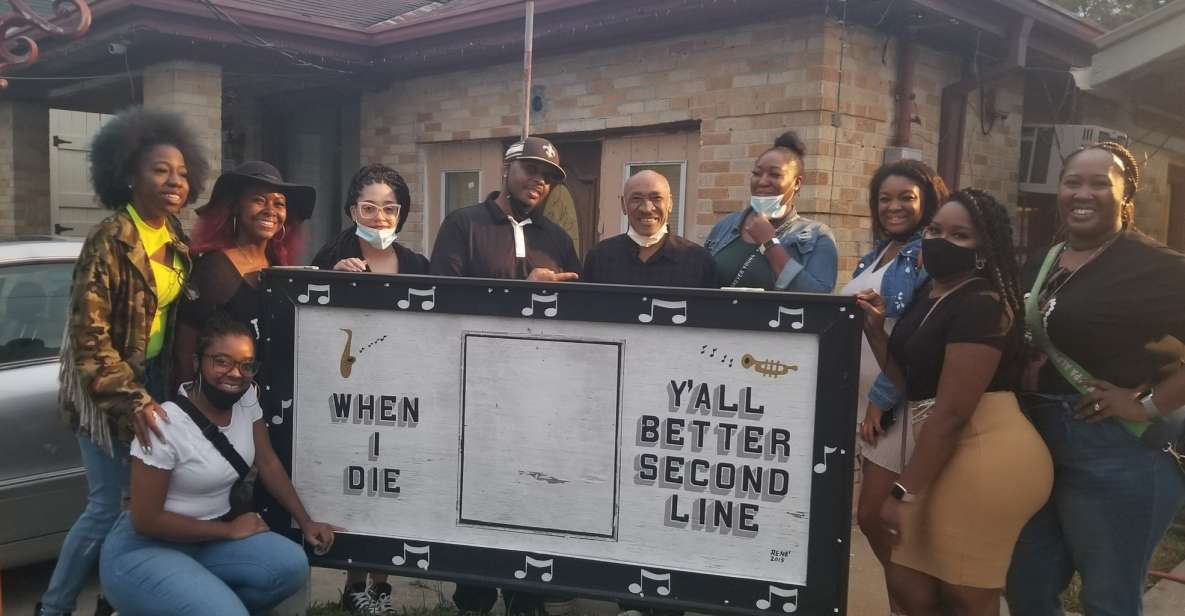
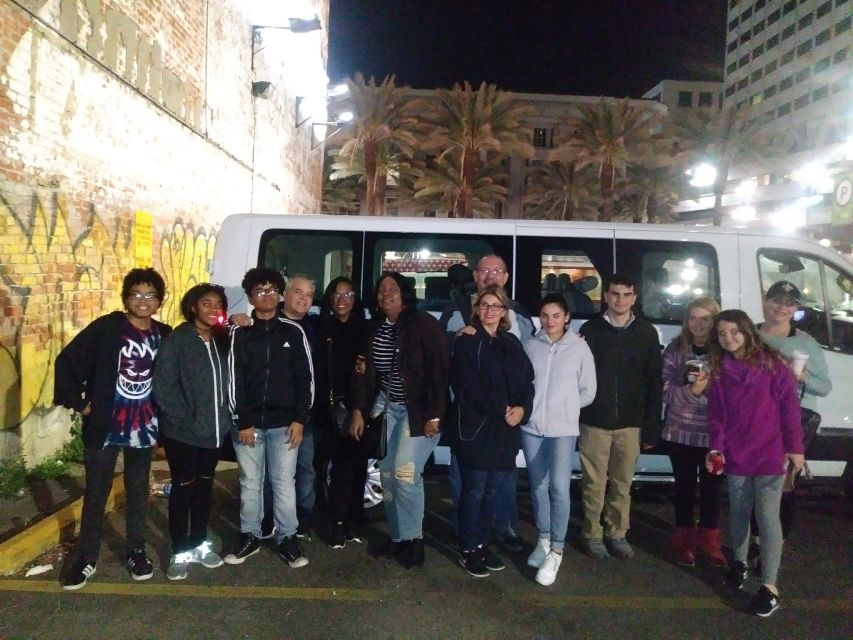
The meeting point is in a practical, central location: Parking lot, 414 Canal St, New Orleans, LA 70130, near the Jazz Gumbo Landmark, about a block down from Caesars Casino. The guide waits near the tour bus at the parking lot.
That matters more than it sounds. Starting at a consistent pickup point makes the first 10 minutes smoother, which is important when you’re trying to get your bearings fast in New Orleans.
The tour ends back at the meeting point, so you won’t end up stranded on the far side of town with no plan. For a 2.5-hour experience, that round-trip setup is a quiet convenience.
Congo Square and the jazz birthplace story
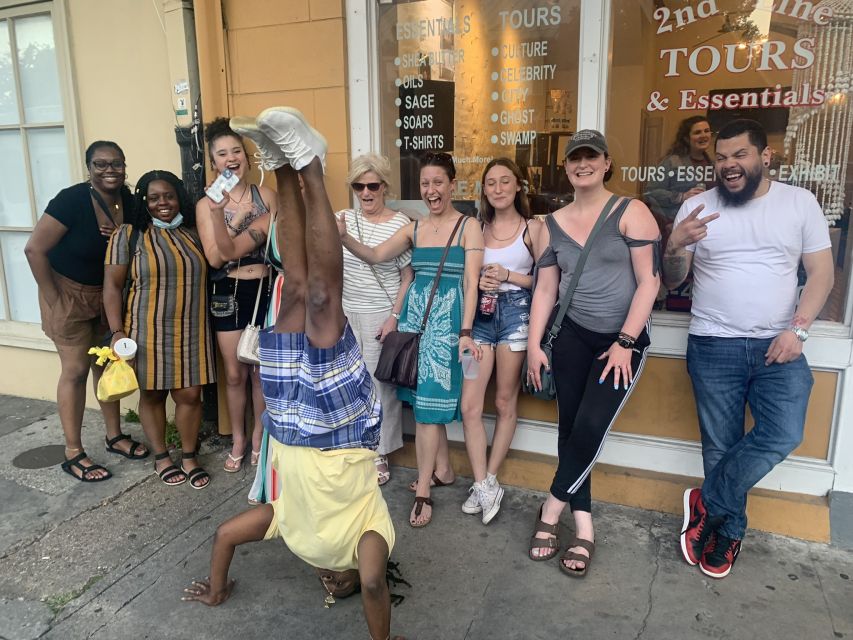
One of the biggest “place with a purpose” stops is Congo Square, described as the birthplace of jazz. Even if you already know the broad idea that New Orleans music grew from many influences, standing in the right spot (with a guide explaining the connections) helps the story land differently.
This kind of stop works because it turns music into geography. Instead of hearing music history as a lecture, you learn it through a neighborhood anchor—the community space where cultural life could gather and show itself.
What I like about this approach for you: it gives your later New Orleans impressions an anchor point. After Congo Square, other stops start to click as part of one connected narrative, not separate attractions.
Treme and Musicians Village: where culture lives in the streets

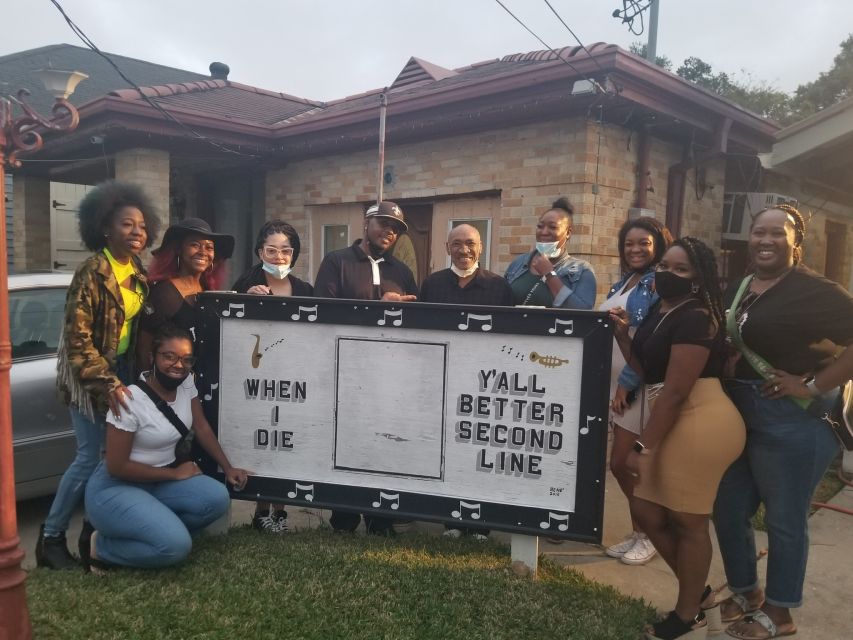
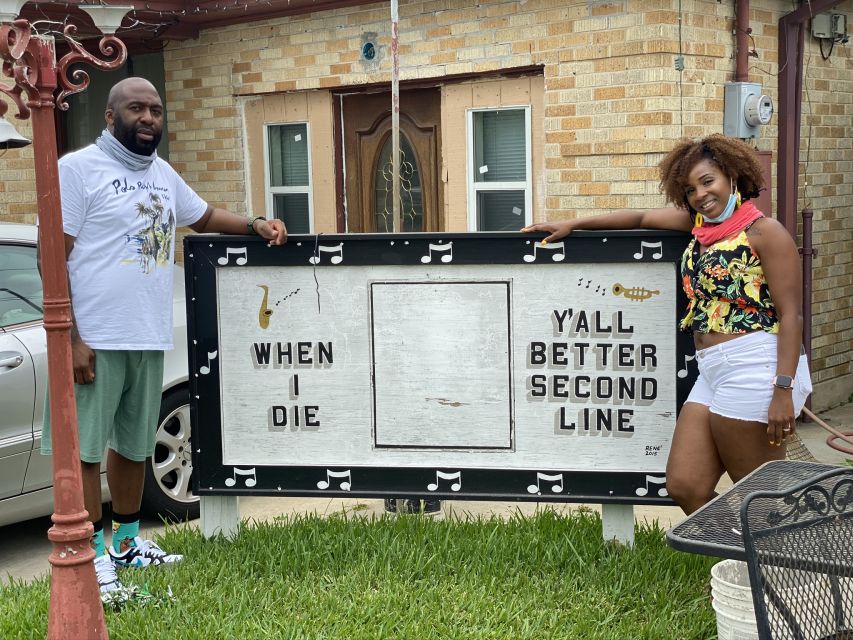
From there, the tour moves into Treme, including the Musicians Village area. These stops matter because Treme is often described as the oldest African-American neighborhood, and that label isn’t just marketing. It’s a clue to look for continuity: names, institutions, and community identity that survived and adapted.
If you’re hoping to see New Orleans as a real working city—people, music, and neighborhood life—this is where your expectations should shift. Instead of thinking “tourist sights,” you’ll think “cultural foundations.”
Also keep an eye out for the city’s murals and artworks. They’re not random. On a tour like this, you’re encouraged to read them as part of the neighborhood’s memory system.





Antebellum Slave Quarters and historic cemeteries: respect the weight of the places
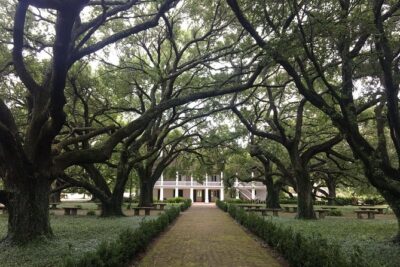
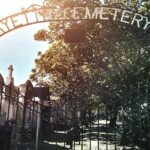
The tour includes the Antebellum Slave Quarters, plus historic cemeteries. These are not light stops, and they’re not trying to be. They’re there because New Orleans history includes forced labor, inequality, and the long, complicated aftermath.
What you can expect here is more than photos. You’re guided through why these sites exist, what stories they hold, and how they connect to wider themes like race, law, and community survival.
A practical note: cemeteries can mean more walking and time spent standing outside. Wear shoes that handle uneven sidewalks and bring layers if the weather swings—even if it’s raining, you’ll be out for at least portions of the route.
Plessy vs. Ferguson, Solomon Northrup, and the legal story you can’t skip
This tour doesn’t treat civil rights history as distant. It directly references major landmarks tied to Plessy vs. Ferguson and includes the story of Solomon Northrup.
Why that matters for you: legal decisions shaped everyday life—housing, schools, freedom, and how power was enforced. When the guide connects those names and events to actual New Orleans sites, the history stops being abstract and becomes human and local.
This portion is also where the tour’s pacing earns its keep. With a short 2.5 hours, you don’t have time for long museum-style reading, so the guide’s role is to give you the meaning in the right order.
The Civil Rights Trail: desegregation explained through real names
The tour includes the Civil Rights Trail and related sites connected to turning points during the desegregation era. One especially memorable moment highlighted is a visit connected to Dr. Leona Tate’s school and museum.
That stop is powerful because it anchors policy and struggle in education—something you can feel in the architecture of a school and the idea of who had access, who didn’t, and what changed over time.
It’s also a reminder that civil rights history isn’t just marches and headlines. It’s also classrooms, community institutions, and the long work of building fair access.
If you want a tour that explains what changed and why, this is one of the strongest parts of the experience.
Lower Ninth Ward and Hurricane Katrina’s aftermath: why you can’t rush this part
The route also reaches the Lower Ninth Ward, including areas tied to Hurricane Katrina’s aftermath. This is a heavy section, and it deserves a slower mental pace, even if the clock says keep moving.
What makes this part valuable is the connection to community and consequence. Katrina wasn’t only a storm—it exposed systems, vulnerabilities, and unequal impacts. A tour framed around African American heritage and civil rights themes naturally treats the Lower Ninth Ward as more than a tragedy stop. It’s part of the ongoing story.
In a tight 2.5-hour tour, you won’t get endless time at each place. Still, you’ll walk away with more context than you’d get from simply driving through.
For you, it’s the difference between seeing damage and understanding why the damage and recovery carried specific social meaning.
Markets, museums, and architecture: where the city’s daily life meets the timeline
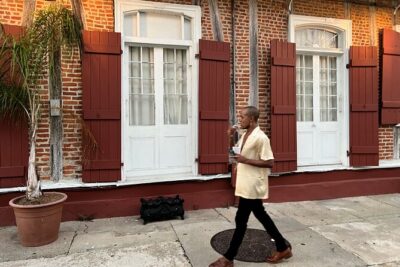
Along the way, you’ll also see markets, museums, and architecture tied to the story. These aren’t random “extras.” They help you connect major events and figures to the lived environment around them.
I like how this tour balances headline history with street-level reality. A museum stop gives you background. A market stop reminds you that culture continues through everyday commerce, food traditions, and neighborhood gathering.
If you’re the kind of visitor who likes to return from a tour and walk back through the city with better questions, you’ll find that this mix helps a lot.
What the guide does (and why it matters on a short tour)
The tour is led by a live guide in English, and the guide’s job is to make scattered locations feel like one story. From examples tied to the experience, Dennis stands out for passionate, professional guiding and for connecting stops to bigger themes without sounding like a script.
Here’s what that means for you: you’re not just checking boxes. You’re learning the “why” behind the “where,” especially for the African culture and African American heritage focus.
This is also where rain or shine becomes more than a line item. If weather hits, you want a guide who keeps momentum while still explaining what you’re seeing—so you don’t feel like you paid for a weather delay.
Who this tour suits best (and who should consider alternatives)
This tour is a good fit if you want:
- Structured context in a limited time window
- Stops focused on African culture, Black community history, and civil rights
- A route that goes beyond the French Quarter and shows neighborhoods like Treme and the Lower Ninth Ward
It may be less ideal if you prefer:
- Deep museum time where you can read every panel at length
- A purely leisure, flexible walking tour with lots of free time
Because it’s 2.5 hours, it’s built for learning and orientation, not for hours-long exploration at one location.
Should you book Soul of New Orleans?
I’d book it if you’re drawn to the full New Orleans story—music and culture, yes, but also law, education, and community survival. The fact that entrance fees are included, plus the guided connections to Congo Square, Treme, civil rights trail sites, and the Lower Ninth Ward, makes it a practical choice for a first-time visitor or a time-limited trip.
I’d think twice if you’re hoping for lots of free time to wander on your own or you’re expecting a light, upbeat overview. This tour includes serious sites, and the strongest moments can feel weighty even when you’re learning in motion.
FAQ
How long is the Soul of New Orleans City Tour?
The tour lasts 2.5 hours.
How much does it cost?
It costs $55 per person.
What’s included in the ticket price?
Your ticket includes a live guide and entrance fees.
What isn’t included?
Food and drinks aren’t included.
Where do I meet the guide?
You meet at the Parking lot, 414 Canal St, New Orleans, LA 70130, near the Jazz Gumbo Landmark (about a block down from Caesars Casino). The guide will be near the tour bus at the parking lot.
Is the tour canceled if it rains?
No. The tour runs rain or shine.
Is there free cancellation?
Yes. You can cancel up to 24 hours in advance for a full refund.
Is the tour guided in English?
Yes. The live tour guide speaks English.