New Orleans tastes better with a plan. This chef-led walk pairs Chef James explanations with a steady rhythm of stops, so you learn why the city’s food story is Creole (not just Cajun) while you actually eat. I love that the tour builds each plate into the history of New Orleans, from indigenous roots to French, Spanish, African, and immigrant influences. I also love that you get multiple tastings and beverages included, which makes it easy to come hungry and not spend your day hunting reservations. The only real drawback: it’s a walking tour, so comfy shoes matter more than you think.
You start at the French Market and finish back where you began, which is a relief when you’re trying to balance food time with everything else in the Quarter. The vibe stays small-group and crowd-avoidant, and the pacing is casual but still packed with stops. It’s also rain or shine, so I like that you’re not stuck rescheduling just because the weather gets grumpy.
At $165 per person for about 5 hours, this is best viewed as a food-and-story package: roughly six tastings plus a drink stop (alcoholic or non-alcoholic based on your itinerary). It’s for age 21+, and it’s only for your group, which can make the experience feel more personal than the big, chaotic tours.
In This Review
- Key things to know before you go
- French Market Meeting Point: Starting With Creole Questions
- What You’ll Learn About New Orleans Food: Creole vs Cajun, Plus the City’s Mix
- Chef James and the Small-Group Pace: Eating Without the Reservation Headache
- Where the Tastings Hit: French Quarter Energy and Multiple Neighborhood Stops
- Drink Stop and the 21+ Requirement: Alcohol Optional, Planning Not Complicated
- Food and Timing: What a 5-Hour Day Feels Like in Real Life
- Price and Value: What $165 Buys Beyond Just Food
- Who This Tour Fits Best (And Who Might Want a Different Option)
- Booking Tip: How to Get the Most From the Day
- Should You Book This Chef-Led Culinary Journey?
- FAQ
- How long is the tour?
- Where does the tour start, and where does it end?
- What time does the tour start?
- How much does it cost?
- What’s included in the price?
- How many food stops will I make?
- Are alcoholic drinks included?
- Do I have to be 21+?
- Is the tour private?
- Is it rain or shine?
- What should I bring for the walking portion?
- Is tipping included?
Key things to know before you go
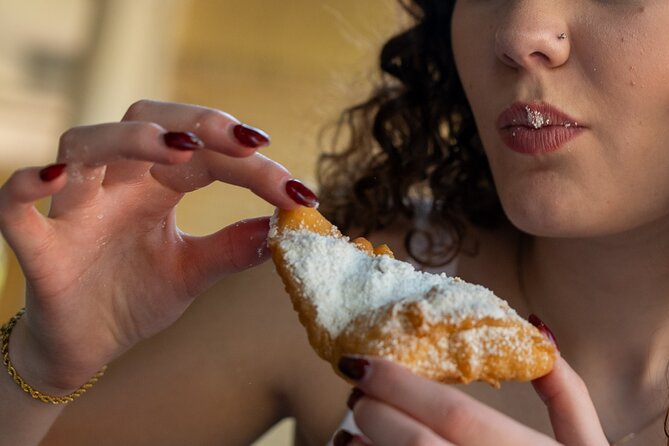
- Chef James connects each dish to New Orleans history, so you leave knowing what you ate and why it matters.
- At least six food stops and a drink stop are included, so you do not need to plan reservations.
- Small-group and crowd-avoidant pacing keeps the day from feeling like a food parade.
- French Market is your starting point, with the tour designed to move through multiple neighborhoods.
- Rain or shine and 5 hours on foot, so plan for walking time and wear comfortable shoes.
- 21+ only, and beverages can be alcoholic or non-alcoholic depending on the customized itinerary.
French Market Meeting Point: Starting With Creole Questions
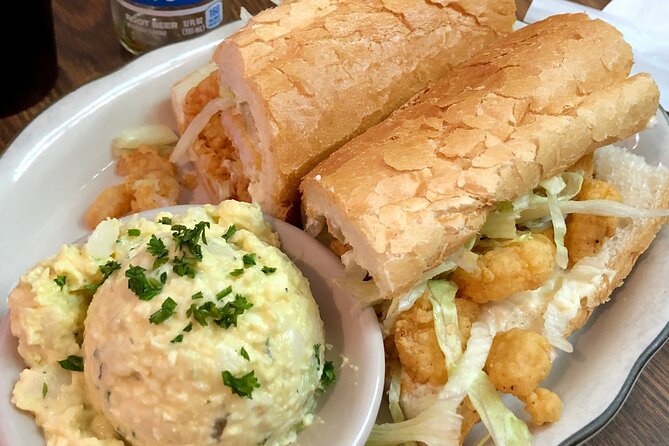
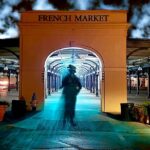
Your day kicks off at French Market – Shops of the Colonnade (1008 N Peters St) around 11:00 am. I like that the start is clear and central. You can get your bearings fast, grab coffee or a quick snack if you need to, and then turn that hunger into a full tasting route.
From the outset, the tour frames what you’re about to taste as part of a bigger story. The questions aren’t academic. They’re practical and delicious: What is Creole cuisine? What makes it different from Cajun cooking? Which style of cooking fits New Orleans best? Those questions shape the whole walk, so you’re not just eating randomly—you’re learning with every bite.
You’ll also get a reminder about the format: the tour is rain or shine and designed to be leisurely. That means you’re not sprinting between stops, but you are still spending real time on foot through neighborhoods that help explain where the food came from.
You can also read our reviews of more historical tours in New Orleans



What You’ll Learn About New Orleans Food: Creole vs Cajun, Plus the City’s Mix
The strongest part of this tour is how it uses food as a history lesson you can taste. You’ll walk through the city’s culinary evolution in plain language, starting with indigenous roots and moving through major waves that shaped New Orleans: French and Spanish colonization, the African cultural contributions that became foundational, and later immigration from Italians, Irish, Germans, and Vietnamese.
That matters because New Orleans cooking doesn’t land in your lap as one neat category. It’s layered. Even if you’ve had gumbo or jambalaya before, you might realize you’ve been eating versions shaped by different influences and time periods.
The Creole vs Cajun framing also helps you make sense of the labels you’ll see on menus. Creole cooking in New Orleans tends to reflect the city’s blend of cultures and traditions, while Cajun cooking comes from a different regional story in Louisiana. You don’t need to be a food scholar to feel the difference after a few tastings and explanations tied to each dish.
And here’s the personal-learning angle: when a chef explains what makes a version better, you start noticing things that most people miss. You’ll hear about texture, technique, and why certain flavors fit New Orleans cooking styles.
Chef James and the Small-Group Pace: Eating Without the Reservation Headache
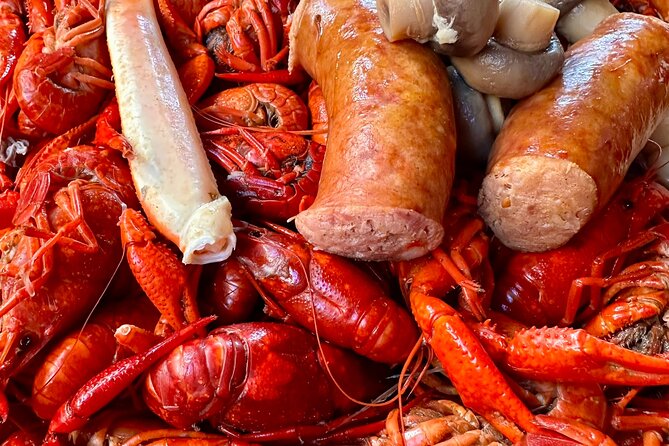
This isn’t built like a cattle-call tour. It’s set up as a small-group experience, which helps you hear the details without constant background noise. You also get a more conversational feel, because the day is designed around talking and tasting, not just moving.
A huge practical win: the tour brings you to a number of eateries without the hassle of making reservations. In New Orleans, that can save your sanity. Many spots are busy, and trying to line up multiple meal stops on your own can turn into a stress test. Here, you just follow the chef’s plan and keep your appetite ready.
I also appreciate that the tour aims for a casual pace while still covering a lot. One review-style theme that keeps showing up is that Chef James has a “game plan” that feels especially helpful if you’re the type who didn’t map out the city in advance. You still get structure, but it doesn’t feel rigid.
Chef James is also the kind of guide who brings chef tricks into the conversation. One example mentioned is learning practical insight into how to make strong fried chicken. Even if you never plan to recreate it at home, those kinds of technique notes make the food feel more real and less like a menu description.
Where the Tastings Hit: French Quarter Energy and Multiple Neighborhood Stops
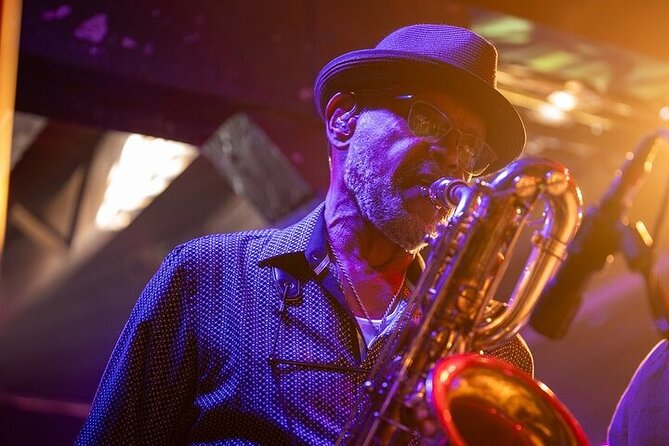
The tour starts at the French Market, but you’re not limited to one tiny zone. The plan is to explore multiple neighborhoods as you go, using food as your guide to the city’s development.
You can expect the route to connect French Market to the energy of the French Quarter area. Reviews also mention small, locally owned restaurants and bars in and near the Quarter. Even when you don’t know the exact names ahead of time, that neighborhood focus is useful. It means you’ll get a sense of how culinary traditions show up in the spaces locals actually use.
What you should count on is structure even without a stop list of every exact address. You’ll hit a minimum of six food stops and at least one drink stop. Those stops are part of a tasting menu style experience, where each location contributes a piece to the broader story.
The value here is not just variety. It’s comparison. You’ll taste classics and lesser-known specialties, then learn how each one ties back to the city’s history and cultural mix. That approach turns “I ate a lot” into “I understand what I ate.”
Drink Stop and the 21+ Requirement: Alcohol Optional, Planning Not Complicated
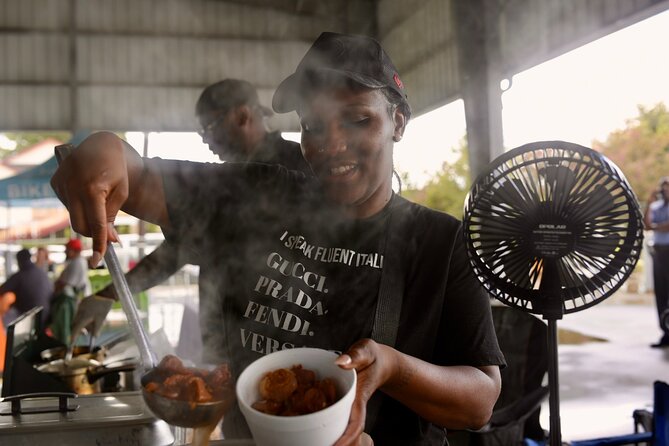
Beverages are included. The tour is for 21+ only, and the beverages can be alcoholic or non-alcoholic depending on the customized itinerary. That flexibility is practical if you’re traveling with someone who prefers drinks but you don’t want the whole group stuck with the same choice.
One thing I appreciate: the tour includes a drink stop, which signals that you’re not only doing snacks. New Orleans food culture and drink culture overlap, and having that included prevents the common problem where the tour ends and you realize you skipped the fun part.
Also, because drinks are included in the pacing, you don’t have to worry about the classic DIY problem: you order one drink, then wait, then lose time. Here, the drink feels like part of the story, not a last-minute add-on.




Food and Timing: What a 5-Hour Day Feels Like in Real Life
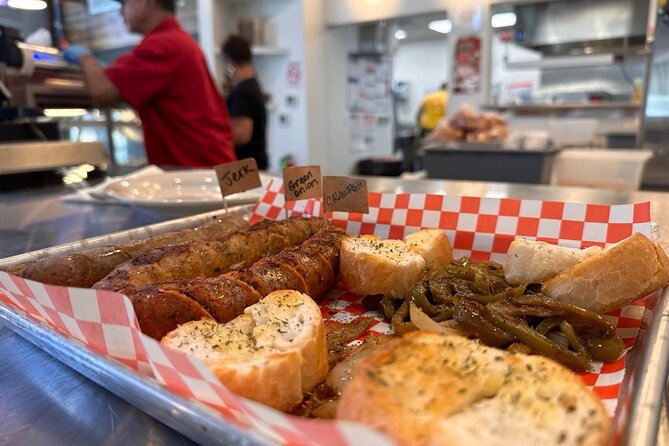
You’re looking at about 5 hours total. That’s long enough to feel like you got the “food day” done, but short enough to still enjoy the rest of your afternoon or evening.
The most important expectation: it’s rain or shine, so plan for walking weather. Also, you’ll want to eat like an adult who understands how tastings work. That means coming hungry, keeping water in mind, and wearing shoes you don’t mind getting a workout.
The tour is designed as a leisurely walk, not a sprint, but you’ll still cover distances between spots. New Orleans is walkable, but it has lots of curb steps and uneven surfaces in places. Comfortable shoes keep the day fun instead of miserable.
Price and Value: What $165 Buys Beyond Just Food
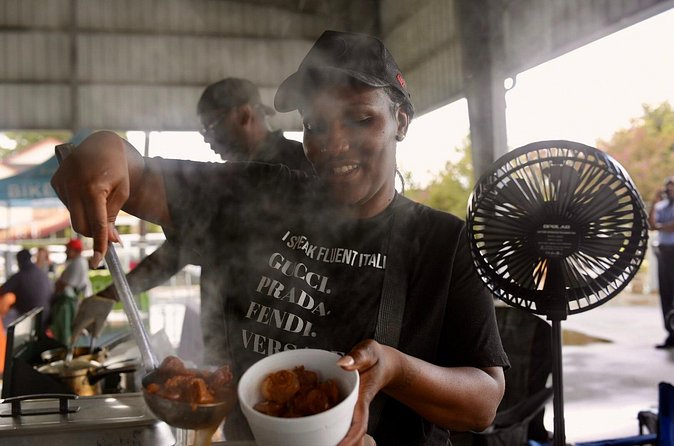
At $165 per person, the smart question is not whether it’s “cheap.” It’s whether it covers your biggest costs and saves your planning time.
Here’s what’s included that pushes the value:
- Tastings from about six locations
- Meals as part of a tasting menu style day
- Beverages, with alcoholic or non-alcoholic options based on itinerary
- A guided narrative that connects what you eat to New Orleans history, including cultural influences
Even if you were to spend the money on food and drinks on your own, the cost can climb fast, and the time cost is real. Reservations, opening hours, and figuring out where to go next can eat up your day. This tour bundles the logistics into a single route and gives you structure.
I also like the “only your group” setup. When you’re paying for an experience, group dynamics matter. A private/group-only format tends to make it easier to ask questions and keep the pace comfortable for your people.
And if you’re the kind of traveler who likes to get recommendations after the food, you may leave with more than just meals. One note from reviews: Chef James shares music spot and restaurant recommendations, which can help you turn this 5-hour event into a longer, better New Orleans trip.
Who This Tour Fits Best (And Who Might Want a Different Option)
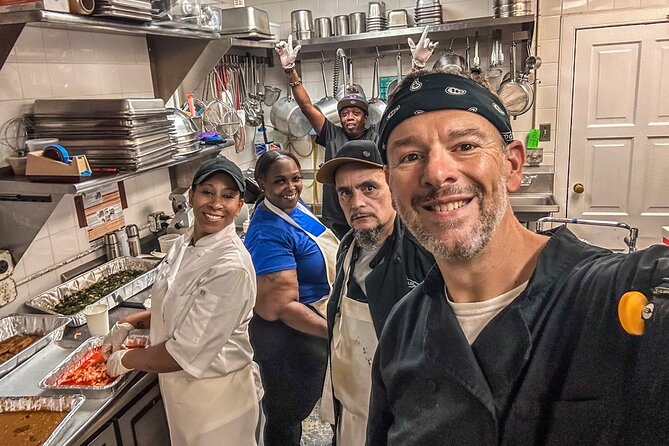
This is a great fit if:
- You want a chef-led experience with real explanations, not just a list of dishes
- You like learning how food connects to New Orleans culture and history
- You’d rather walk to several stops than spend your day booking reservations
- You can handle about 5 hours of walking and want to come hungry
It’s less ideal if:
- You’re looking for a totally low-key, sit-most-of-the-time tour
- You want a strictly fixed schedule of exact restaurant names (the tour format may change day to day, and the focus stays story-driven)
- You don’t want to be part of a group experience where you’ll walk and listen continuously
If you’ve been to New Orleans before, this can still work well because the route is not only about checking off famous foods. The story ties the dishes to how the city got shaped.
Booking Tip: How to Get the Most From the Day
A few simple choices will make this tour land even better.
First, plan your morning so you’re ready to eat. Don’t arrive full from brunch and then wonder why tastings feel small. Come with appetite and an open mind, because you’re tasting classics and also stuff you might not pick on your own.
Second, wear comfortable shoes. I’m not saying that to be obvious. I’m saying it because the tour is built around walking between neighborhood stops, and comfort directly affects how much you enjoy the explanations.
Third, use the Q&A. If you’re curious about Creole vs Cajun differences, ask the question while it’s relevant to what you’re tasting. That’s when it sticks.
Finally, if you drink, tell the team what you prefer in terms of alcoholic vs non-alcoholic options. Since beverages are included and can be customized, that small preference can keep the day comfortable.
Should You Book This Chef-Led Culinary Journey?
I’d book it if you want a New Orleans experience that mixes food, technique hints, and a clear cultural story in just about five hours. The combo of multiple tastings, beverages included, and Chef James tying dishes to history is exactly the kind of value-driven tour that saves you time and makes your trip feel more “local.”
Skip it only if you strongly dislike walking or want a tour with lots of sitting and no neighborhood movement. Otherwise, it’s one of the easier decisions for a first-timer or a repeat visitor who wants to eat well and understand the why behind the flavors.
If you’re traveling with a friend, a couple, or a small group, this format is also appealing since it’s designed for your group and keeps the day from turning chaotic.
FAQ
How long is the tour?
The tour lasts about 5 hours.
Where does the tour start, and where does it end?
It starts at the French Market – Shops of the Colonnade at 1008 N Peters St, New Orleans, LA 70116. It ends back at the meeting point.
What time does the tour start?
The start time is 11:00 am.
How much does it cost?
It costs $165.00 per person.
What’s included in the price?
You’ll get a tasting menu experience with meals sampled from about 6 locations plus beverages.
How many food stops will I make?
The tour includes a minimum of six food stops and at least one drink stop.
Are alcoholic drinks included?
Beverages are included, and they can be alcoholic or non-alcoholic depending on your customized itinerary.
Do I have to be 21+?
Yes. All participants must be 21+.
Is the tour private?
Yes. It’s described as a private tour/activity, meaning only your group participates.
Is it rain or shine?
It runs rain or shine.
What should I bring for the walking portion?
Wear comfortable shoes and come with an appetite and curiosity.
Is tipping included?
Tips are not included. They’re always appreciated.