REVIEW · NEW ORLEANS
New Orleans Music Walking Tour
Book on Viator →Operated by NOLA Historic Tours · Bookable on Viator
A New Orleans music lesson you can walk. I like how this tour ties big-name streets to the smaller origin stories, and I especially love the way it uses Congo Square and Preservation Hall as bookends for the whole evolution of the sound. One thing to keep in mind: it’s an outdoor walking route with a moderate pace, and the operator notes it depends on good weather.
The guide can make or break a music tour, and this one has a strong track record for an engaging host like David, who kept people moving even with a parade working its way into the route. The only real drawback is the rare risk of a no-show you’ll see reflected in a small set of unhappy reviews, so I’d plan with some slack.
In This Review
- Key things that make this walk worth it
- The vibe: music history that actually fits the neighborhood
- Price and what you really get for $25
- Starting at Rampart Treehouse and walking with a plan
- Congo Square: West African traditions and the Bamboula connection
- Louis Armstrong Park: one city, many styles
- Basin St. Station: the origins story behind Basin Street Blues
- Storyville District: early jazz roots in a famous red light story
- May Bailey’s Place: stepping into a Storyville parlour replica
- Bourbon Street: opera, R&B, and why the streets mattered
- The New Orleans Musicians Tomb and other landmark moments
- Preservation Hall: the final stop where past, present, future meet
- What kind of traveler this tour fits best
- How long it takes and what to expect in real life
- Booking window, group size, and the guide’s role
- A balanced caution: plan for the small risk
- Should you book this New Orleans Music Walking Tour?
- FAQ
- Where does the New Orleans Music Walking Tour start and end?
- How long is the tour?
- What is the price?
- What time does the tour begin?
- What language is the tour offered in?
- Is there a limit on group size?
- Is the tour ticket mobile?
- Are any stops admission-free?
- Do you need good weather for this experience?
- What is the cancellation policy?
- Is the tour accessible for everyone?
Key things that make this walk worth it
- West African musical roots at Congo Square through the Bamboula connection
- J&M Studios on the rock ’n’ roll trail as a key origin stop
- Storyville era stories and recorded sound tied to early jazz culture
- Bourbon Street through the lens of opera and R&B, not just crowds
- A small group size (max 14) that helps the guide steer the pace and focus
- Preservation Hall as the closing payoff, with entry not included
The vibe: music history that actually fits the neighborhood
This is a hands-on walking tour built for people who want music to make sense geographically. You’re not just hearing dates and names. You’re moving through the places where those traditions collided, evolved, and kept reshaping themselves over time.
It also helps that the group stays small, up to 14 people. That means you’re more likely to get personal follow-ups from your guide instead of being treated like a human microphone stand.
And yes, it ends at Preservation Hall, so you finish with your feet still on the ground but your head full of how the music got there. The price is $25, which is a reasonable chunk for a 2-hour, multiple-stop storytelling format, especially when most stops are ticket-free.
You can also read our reviews of more walking tours in New Orleans



Price and what you really get for $25
At $25 per person for about two hours, the best value piece here is the mix of free entry sites plus one iconic final stop. In the itinerary, you’ll see multiple stops marked as admission-free tickets, so you’re paying mainly for guide time and context.
The one exception matters: Preservation Hall admission is not included. So when you budget, think of this tour as the foundation-building half of your music night. If you want to hear music at Preservation Hall too, bring extra money for that entry.
For planning, the tour uses a mobile ticket, confirmation comes at booking, and it’s offered in English. It’s also listed as easy to reach using public transportation, which matters because parts of New Orleans can be crowded or slow on foot.
Starting at Rampart Treehouse and walking with a plan
The tour starts at Rampart Treehouse, 740 N Rampart St, and typically kicks off at 2:00 pm, ending at Preservation Hall, 726 St Peter. This end point is a smart choice because it puts you right where you can keep the night going without backtracking.
You should also know the physical reality: the operator calls for a moderate physical fitness level. That doesn’t mean it’s a hike, but it does mean you’ll want comfortable shoes and a tolerance for city walking and turning corners for frequent stops.
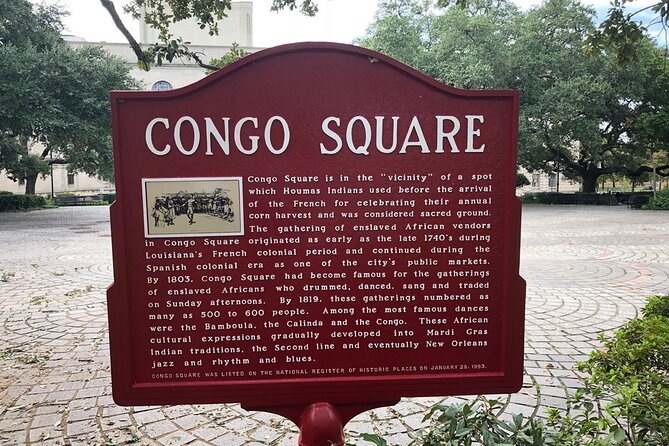
Congo Square: West African traditions and the Bamboula connection
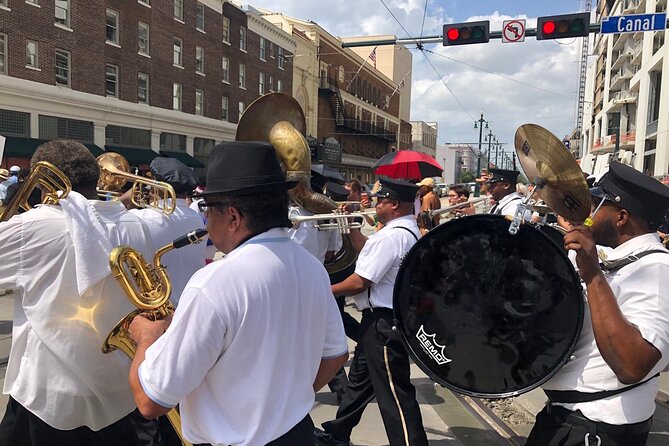
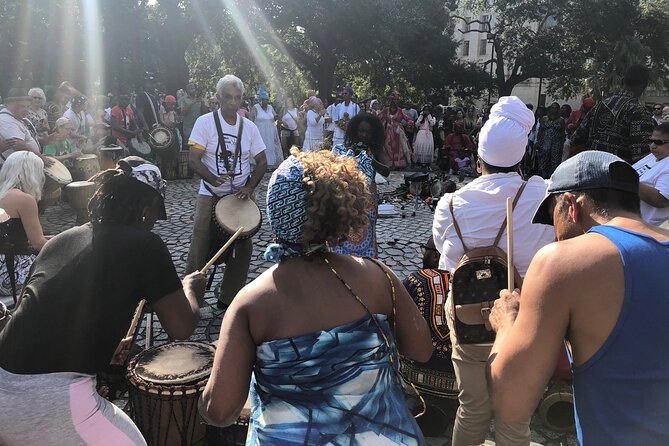
Your first stop is Congo Square, where the big idea is that New Orleans music didn’t appear out of nowhere. It connects to original West African religious musical traditions, with the tour specifically pointing to the Bamboula.
Why I like this start: it immediately gives you a cultural root system. Instead of treating jazz and rock ’n’ roll like separate miracles, you learn the idea of continuity—how rhythm and ceremony traveled, transformed, and eventually fed new local forms.
A practical note: Congo Square is a good opener because it’s easier to settle into the story before you start moving deeper into the French Quarter orbit. If you’ve never thought about how music becomes tradition, this is where it clicks.
Louis Armstrong Park: one city, many styles
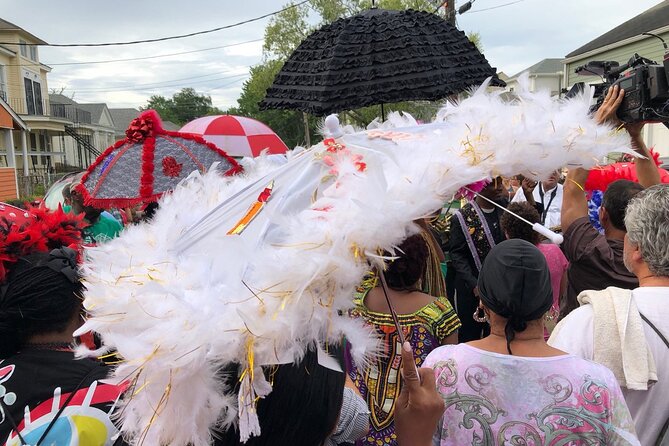
Next you’ll reach Louis Armstrong Park, and the tour frames it as a place to see how many different New Orleans music styles can fit under one city’s umbrella. The itinerary wording points to a range from opera to second line traditions and back toward opera again.
This matters because New Orleans music often gets sold like one sound. The tour trains you to notice the shifts: how different communities shaped different performance styles, and how those styles carried forward into the city’s evolving street music identity.
It’s also a useful mental reset before you head toward the more specific street-level origin stories.



Basin St. Station: the origins story behind Basin Street Blues
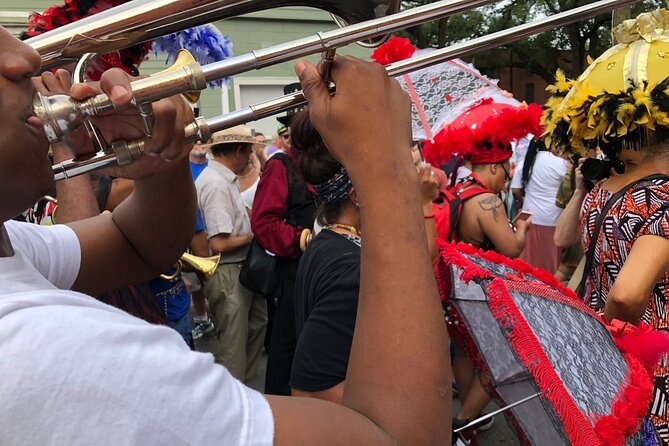
Then it’s Basin St. Station, where the tour focuses on many elements of New Orleans music and ties them to the origins of Basin Street Blues.
This stop is valuable if you like tracing a song back to place. Lyrics are fun, but when you learn why a tune mattered and how the city’s character fed it, the song becomes more than a melody you recognize.
One small consideration: stops like this can feel shorter (the itinerary lists about 15 minutes). If you’re the type who asks lots of questions, it helps to arrive ready with one or two topics you want clarified.
Storyville District: early jazz roots in a famous red light story
At Storyville District, the tour switches to the early days of jazz culture and connects it to the area’s history, including recorded music from that era. The itinerary specifically mentions hearing recorded music as part of the presentation.
This is one of the stops where the tour’s format matters. A walking tour can’t turn into a museum, but it can give you just enough context to understand why a neighborhood’s past affected what people played and how they listened.
Because this section touches on a sensitive historical topic, the guide’s tone and framing become important. A strong guide will keep it grounded in music and culture rather than sensational.
May Bailey’s Place: stepping into a Storyville parlour replica
The next stop is May Baily’s Place, where you enter a replica of a Storyville parlour. The itinerary lists a short visit, but the point is practical: you get a sense of the setting that shaped performance habits and audience expectations.
This is the kind of stop that works even if you’re not a “museum person.” A replica can’t replace the real thing, but it can make the era feel less abstract. You start to picture how music sat in everyday life, not just on stage.
Bourbon Street: opera, R&B, and why the streets mattered
Then you’ll walk through Bourbon Street, and the tour connects it to French Opera and R&B traditions. This is an important shift in perspective. Bourbon Street is easy to judge from afar—touristy, loud, and busy. But when you look at it through a music-history lens, the chaos starts to feel like a stage built from layers.
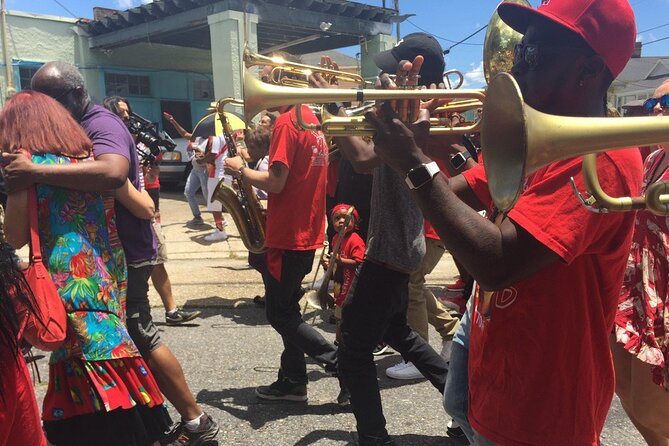
If you’re hoping for a calmer experience, don’t. This area can be crowded, and you’ll want to stay flexible with the group and your guide’s timing. That’s also why the guide’s ability to keep the pace during real-world events shows up in the reviews.
The New Orleans Musicians Tomb and other landmark moments
The highlights mention the New Orleans Musicians Tomb, and you can expect the route to include moments like this where the tour pauses on memorial-level symbolism. These stops help connect the big musical output to the people and the legacy behind it.
Even if you’re not a direct “tomb and memorial” enthusiast, it’s a useful reminder: music history is human history. You’re not just collecting stories; you’re tracing careers and community memory.
Preservation Hall: the final stop where past, present, future meet
You end at Preservation Hall, the legendary Traditional Jazz venue, with the tour’s visit time listed as short (about 15 minutes) and admission not included.
I like ending here because it forces the tour to stay honest. The storytelling gets you oriented, and then you get to choose what to do next. If you want to stay for performances, you can. If you just want the landmark feeling and a photo, you can step out quickly and keep exploring.
This is also where your earlier stops make sense. When you’ve just heard about Congo Square traditions, Storyville culture, and the song origins the tour points to, Preservation Hall stops feeling like a generic “must-see.”
What kind of traveler this tour fits best
This walk is ideal if you want:
- a guided path through major music sites without planning your own route
- a short-format way to understand how New Orleans music connects across centuries
- a guide who can explain both the cultural roots and the street-level story
It’s less ideal if you hate walking, want a super slow pace, or expect every stop to feel like a long museum visit. This is built for motion, with brief stops that keep the story moving.
If you’re traveling as a couple, this is also a good first activity. It gives you a map of what to listen for when you hear music later that day.
How long it takes and what to expect in real life
The tour runs about 2 hours. In a city like New Orleans, that’s a comfortable length: long enough to connect several eras, short enough that you don’t feel stuck if crowds change the pace.
The timing starts at 2:00 pm, which is often a sweet spot for a walking tour. You beat the worst late-night chaos but still get plenty of daylight.
And keep in mind the weather note: the experience requires good weather. If the operator has to cancel due to poor weather, you’ll be offered a different date or a refund. That’s a big deal in New Orleans, where conditions can turn.
Booking window, group size, and the guide’s role
On average, this tour is booked about 6 days in advance, so it’s smart to grab your spot without waiting until the last minute—especially if you’re traveling during busy weeks.
Group size tops out at 14, and that matters because you’ll notice the difference in how the guide can steer attention. When groups are large, guides have to keep things generic. With a smaller cap, the tour has room for real conversation.
The reviews also highlight what you should look for in your guide: passion, energy, and practical teaching tools. One guest noted the guide used an iPad with sound bites and video snippets, which can help you remember what you just heard described.
A balanced caution: plan for the small risk
Most of the feedback is glowing: people describe the guide as entertaining, engaging, and full of music and history. But there are also a few unhappy reports about no-shows.
You can’t remove that risk entirely with any tour, but you can reduce stress. Bring some schedule flexibility, and if you’re the type who needs a guaranteed start, consider pairing this with a later, independent plan for that same afternoon.
If it starts smoothly, you’ll probably feel like you’ve made the rest of the trip easier, because you’ll understand the city’s music logic as you move around.
Should you book this New Orleans Music Walking Tour?
Book it if you want a smart, walkable way to understand how New Orleans music grew—starting from West African roots, moving through Storyville, and ending where the modern tradition still breathes.
Don’t book it if you only want a long, slow, sit-down history lecture, or if you’re very sensitive to walking in crowds. Also, because this tour depends on good weather and there’s a small no-show risk reflected in a minority of reviews, don’t plan it as your only music plan for the day.
If you’re in the sweet spot—curious about origins, happy to walk, and ready for a guide-led story—this is one of the best ways to get your bearings fast.
FAQ
Where does the New Orleans Music Walking Tour start and end?
It starts at Rampart Treehouse, 740 N Rampart St, New Orleans, LA 70116, and ends at Preservation Hall, 726 St Peter, New Orleans, LA 70116.
How long is the tour?
The duration is about 2 hours.
What is the price?
The price is $25.00 per person.
What time does the tour begin?
The start time is 2:00 pm.
What language is the tour offered in?
The tour is offered in English.
Is there a limit on group size?
Yes, the maximum group size is 14 travelers.
Is the tour ticket mobile?
Yes, the tour uses a mobile ticket.
Are any stops admission-free?
The itinerary lists multiple stops as admission ticket free, while Preservation Hall admission is not included.
Do you need good weather for this experience?
Yes, it requires good weather. If it’s canceled due to poor weather, you’ll be offered a different date or a full refund.
What is the cancellation policy?
You can cancel for a full refund up to 24 hours before the experience’s start time.
Is the tour accessible for everyone?
The tour calls for a moderate physical fitness level. Service animals are allowed, and it’s near public transportation.