REVIEW · NEW ORLEANS
Walking Tour about The Good, The Bad and The Beautiful Women of New Orleans
Book on Viator →Operated by French Quarter New Orleans Tours LLC · Bookable on Viator
New Orleans women tell the story differently. This hour-long French Quarter walking tour flips the usual script by focusing on the people—women—who shaped politics, work, entertainment, and the city’s famous shadows. You’ll get an alternate-history take that starts on Bourbon Street and keeps moving through landmark stops tied to real characters, including Henriette Delille, Baroness Pontalba, and Madame LaLaurie.
What I like most is the storytelling energy. In the guide’s hands, names and dates turn into clear, fast anecdotes, and Mikko in particular is known for being high-energy and full of strong details plus practical tips for where to eat after the tour. I also love that the tour uses specific places instead of vague background, so each stop feels like it matters.
One drawback: it’s still a walking tour in sticky weather. The route is about a mile, and it’s not recommended if you have breathing trouble in summer humidity or if walking/standing is difficult. Also, it’s an exterior experience—no building entry—so if you want indoor time in museums or homes, plan accordingly.
In This Review
- Key highlights you should know before you go
- A One-Mile Women-Forward Walk Through the French Quarter
- Meet at 820 St. Louis St, then Follow the Women’s Trail
- Bourbon Street, Retold With a Different Center of Gravity
- Baroness Pontalba at Jackson Square: Power in Plain Sight
- St. Louis Cathedral and Henriette Delille’s Sainthood Story
- Ursuline Convent and Education: Why It Felt Miraculous
- Frances Parkinson Keyes: A Writer’s Home in the French Quarter
- Madame LaLaurie: The Horror Everyone Knows, and the Other Side
- Price, Group Size, and Booking Value at $10
- What to Bring (and What Weather Can Do to You)
- Accessibility and Comfort: Who This Fits Best
- Should You Book This Women of New Orleans Tour?
- FAQ
- How long is the Walking Tour about The Good, The Bad and The Beautiful Women of New Orleans?
- How much does the tour cost?
- Where do I meet the guide?
- Does the tour include entry into buildings?
- Is this tour suitable for people with mobility or breathing limitations?
- Is food or drink included?
Key highlights you should know before you go
- An hour of women-centered stories that connect politics, work, and city life to real French Quarter locations
- Bourbon Street with an alternate angle, especially how women did business there and around it
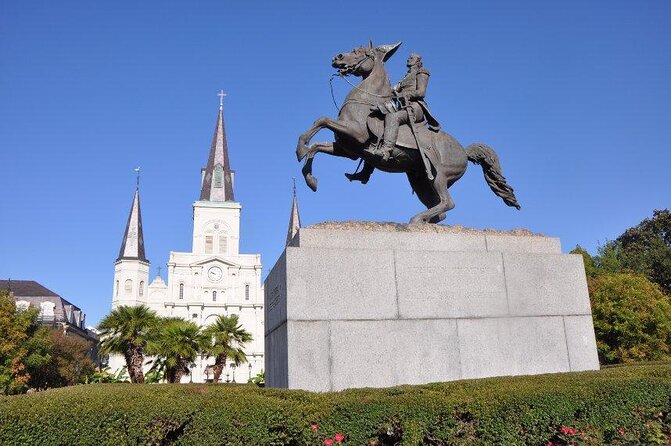
- Jackson Square stop for Baroness Pontalba, with a story that’s anything but quiet and passive
- St. Louis Cathedral focus on Henriette Delille, including how the sainthood process works and where it stands
- Ursuline nuns and education explained in a way that feels personal and grounded
- End near LaLaurie Mansion for the known horror and the other side told from outside a private home
A One-Mile Women-Forward Walk Through the French Quarter
This tour is short on purpose. You get roughly one mile of walking across the French Quarter, which makes it easier to fit into a busy day without burning half of it on transit or long museum lines. The guiding idea is that New Orleans has always been a city of risk and reinvention—and the women here were not on the sidelines.
I like the “good, bad, and beautiful” framing because it’s not just a catchy title. It points you toward different kinds of influence: women who fought for social change, women who ran businesses, women who contributed to education, and women whose lives became infamous. You’ll also hear that the city’s rowdiness shows up in real history, not just modern nightlife.
A practical note upfront: you’re standing outdoors most of the time. Stops are planned outside, and there’s no indoor wandering, so dress for the weather and be ready to listen while walking or waiting at corners.
You can also read our reviews of more walking tours in New Orleans



Meet at 820 St. Louis St, then Follow the Women’s Trail
You meet at 820 St. Louis St about 15 minutes before your tour time. If the gates aren’t open, the instruction is simple: meet by the sign. That matters because the tour runs on a tight schedule; arriving right on time helps you avoid feeling rushed.
The tour itself is built for a small group. It has a cap of 20 people, which usually means you can actually hear the guide and ask questions. There’s also a minimum group size of 4 guests to run the tour, so if you’re booking last-minute, keep an eye on the status.
The pace is steady rather than strenuous. The tour is listed as suitable for people with moderate physical fitness, and it is not recommended for those with walking or standing problems. Plan on pauses that are long enough for stories, but short enough to keep you moving through the Quarter efficiently.
You’ll also end near the lower French Quarter, with the walk disbanding at the guide’s discretion around shopping and dining. That’s handy: you’re not stranded far away from dinner, and you can roll right into your next stop.
Bourbon Street, Retold With a Different Center of Gravity
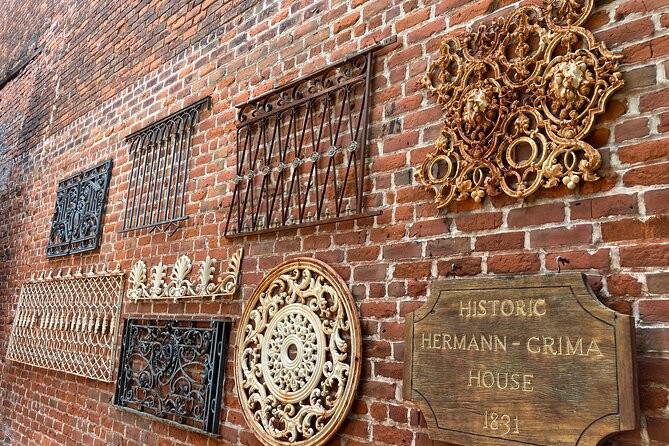
Bourbon Street is the obvious magnet, but this tour uses it for something smarter than photo stops. You’ll stroll Bourbon Street with an “alternate history” lens, looking at how women had connections to the street through business and pleasure. It’s a reminder that the French Quarter’s famous economy has always included work, not just spectacle.
This is one of the best moments to pay attention with your whole senses. The street is loud, bright, and crowded, so it’s easy to treat it like a theme park. The tour nudges you to notice how women’s choices and livelihoods fit into that street story, turning your walk from sightseeing into real context.
If you’re visiting during a busy time of day, bring patience. The route is short, but Bourbon Street can be dense, and you’ll likely be listening while navigating crowds. Wear shoes you trust.
Baroness Pontalba at Jackson Square: Power in Plain Sight
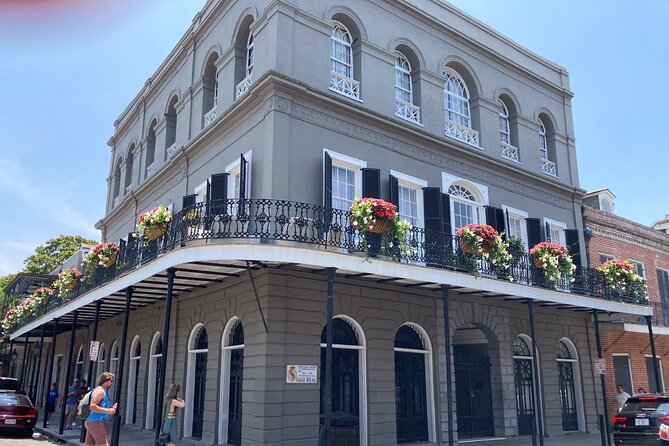
At Jackson Square, the focus shifts from the street to the people who shaped what you see. You’ll hear about Baroness Pontalba—described as far from meek or dependent—so the story lands with attitude. This isn’t just a biographical stop; it’s a look at how authority and money changed the look and function of the city.
What I like about this stop is the way it gives you a “why” behind a famous view. Jackson Square feels iconic even if you don’t know its details, but the tour helps you connect the skyline and buildings to decisions made by a real woman with real leverage. That turns the square into something you can interpret, not just photograph.
Expect to spend time listening while you stand nearby and take in the surroundings. Since the tour doesn’t enter buildings, your attention will be on the exterior scene and the guide’s explanation of how these places came to be.
St. Louis Cathedral and Henriette Delille’s Sainthood Story
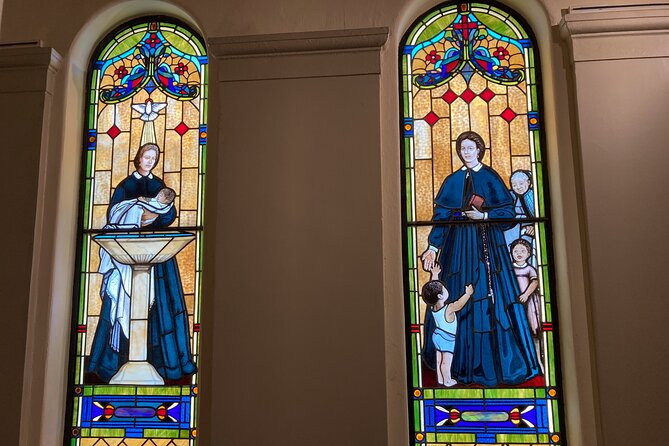
One of the most meaningful stops is at St. Louis Cathedral. You’ll learn about Henriette Delille, the foundress of the Sisters of the Holy Family, and hear where her sainthood process stands. The guide explains the process itself, not just the headline, so you understand what “up for sainthood” means in practical terms.
This stop is listed at about 10 minutes. In a tight one-hour tour, that’s significant—so you can tell the tour treats this story as a serious anchor, not background flavor text. If you care about faith history, women’s leadership, and social service in New Orleans, this is the part you’ll remember later.
A small heads-up: the tour notes a free admission ticket for this stop, but the included format is that you do not enter buildings. So treat it as a place where you get the story and the setting, not as a museum visit.



Ursuline Convent and Education: Why It Felt Miraculous
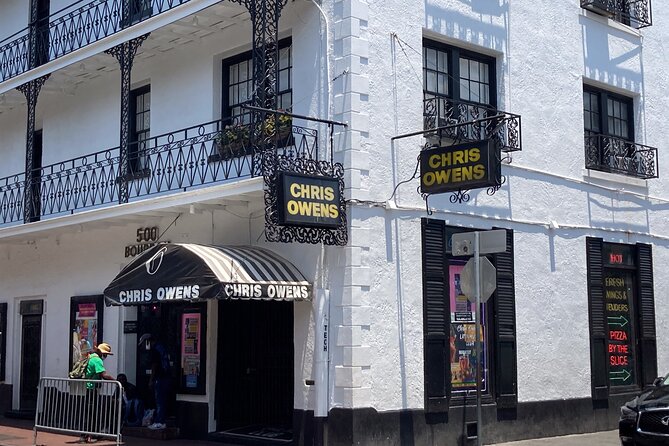
After the cathedral, the tour turns toward the Ursuline nuns and the education they brought to young ladies in New Orleans. The way this is framed emphasizes the “miracle” quality of what they did—educating when other options were limited and when the city’s everyday chaos could have easily drowned out long-term plans.
This is a valuable stop because education isn’t always the first thing people associate with the French Quarter. You might come for ghosts, food, and nightlife. You leave understanding that the city’s development also ran through classrooms, schedules, and relentless commitment.
If you like historical stories that connect to human effort, not just drama, this is where the tour earns its title. It’s also one of the stops that tends to make people slow down and listen more carefully.
Frances Parkinson Keyes: A Writer’s Home in the French Quarter
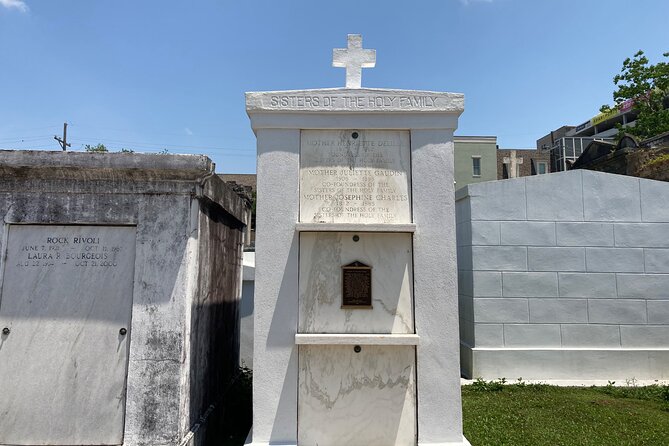
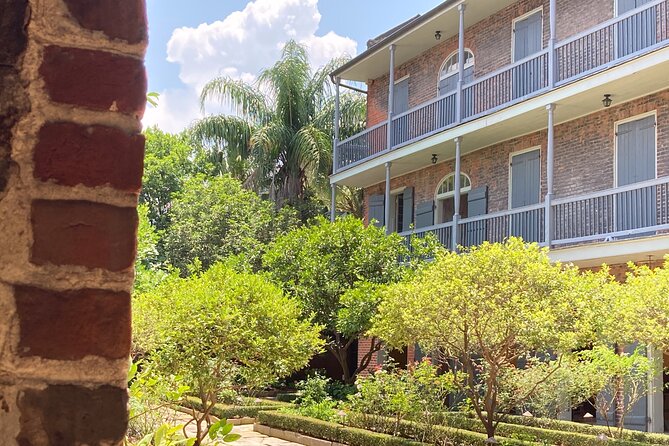
You also visit a location tied to Frances Parkinson Keyes, a famous author who owned and lived in this home and wrote some of her well-known works there. This stop adds a cultural thread that complements the more political and religious stories earlier.
Even without stepping inside, you get a sense of how a writer’s day-to-day life connects to the city’s mood. Keyes helps you see New Orleans as a place where art and storytelling grew from the environment, not just from imagination.
If you’re into literature, you’ll likely appreciate the chance to link a name to a physical location. If you’re not, it still gives you variety and keeps the tour from becoming only “big-name biographies.”
Madame LaLaurie: The Horror Everyone Knows, and the Other Side
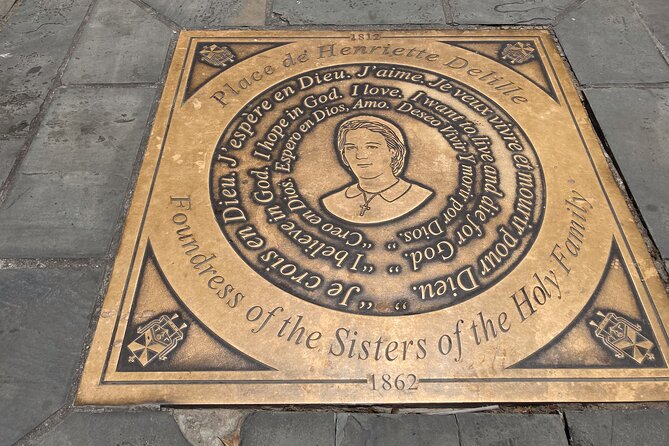
The final thematic beat is Madame LaLaurie, tied to the LaLaurie Mansion area at 1138 Royal St, where the tour ends. The tour’s approach is careful: yes, you’ll hear the horror stories, but you’ll also get an alternate perspective on her life in New Orleans.
The key detail here is that it’s a private home. There’s no entry, so you’re not going to get an attraction-style walk-through. Instead, you get story context and interpretation from outside—what she represents in the city’s past, and why the single version of a story often gets repeated.
This is one of those stops where your listening matters more than your photos. If you’re sensitive to darker history, you should know that this part is included. You’re not going into a curated haunted house; you’re learning history tied to a real address.
Price, Group Size, and Booking Value at $10
At $10 per person, this is an easy pick for people who want a meaningful “first look” at the French Quarter without spending big. The duration is about one hour, and the walk is about a mile, which makes it good value if you’re trying to balance paid tours with your own exploring.
The group size stays manageable with a maximum of 20, which can improve the experience because the guide can keep the flow going without losing people. And in practice, short tours like this often work best when you want context fast—then you go do the rest of the day your way.
Another small value signal: it’s commonly booked well in advance, averaging around 220 days. That usually means dates fill up, especially during peak seasons, so if you see a time that works for you, lock it in.
A note on costs beyond the ticket: food and drink aren’t included. Gratuities aren’t included either, but they’re appreciated—so plan for that if you want to tip your guide for the storytelling.
What to Bring (and What Weather Can Do to You)
New Orleans humidity is no joke, and this tour specifically warns that you can underestimate how quickly dehydration can creep up. Bring sunscreen, a hat, and ideally an umbrella and sunglasses. Even a short walk can feel longer in summer heat when you stop to listen repeatedly.
Since the tour is outdoors and you’re standing at corners, light layers help. Avoid shoes that need breaking in. You’ll be on your feet for roughly an hour, plus a little time before and after for meeting and dispersing.
If you have breathing issues, the tour isn’t recommended for summer months due to humidity. If that’s your situation, you might choose a cooler time of year or look for an indoor-based alternative.
Accessibility and Comfort: Who This Fits Best
This tour is best for people who can comfortably handle about a mile of walking and who are okay with standing outside for short periods. It’s listed as requiring moderate physical fitness, and it’s not recommended for those with walking or standing problems.
Good news if you travel with service animals: service animals are allowed. The tour is also near public transportation, which can help you plan around your day and avoid unnecessary car time in the Quarter.
If you’re in New Orleans with kids, seniors, or anyone who struggles with heat or longer standing, you’ll need to be honest about pace and comfort. The stories are worth it, but the physical setup is still a walking tour.
Should You Book This Women of New Orleans Tour?
You should book it if you want a short, high-impact way to understand the French Quarter beyond the obvious. The focus on women’s roles—Baroness Pontalba, Henriette Delille, the Ursuline nuns, Frances Parkinson Keyes, and the LaLaurie connection—creates a strong theme without making you feel stuck in one type of topic.
Skip or reconsider if your priority is interior access or museum-style stops. This tour stays outside and does not enter buildings, and it includes a darker subject at the end, so it’s not a carefree comedy walk.
For most people who like history with bite—real places, real names, real context—this is a smart buy. At $10 for an hour with a small group, it’s the kind of tour that gives you better questions as you keep exploring the city after it ends.
FAQ
How long is the Walking Tour about The Good, The Bad and The Beautiful Women of New Orleans?
The tour is about 1 hour.
How much does the tour cost?
The price is $10.00 per person.
Where do I meet the guide?
Meet at 820 St. Louis St, New Orleans, LA 70112, and plan to arrive 15 minutes early. If the gates are not open, meet by the sign.
Does the tour include entry into buildings?
No. The tour notes that it does not enter buildings, but it does stop at each listed location.
Is this tour suitable for people with mobility or breathing limitations?
It requires moderate physical fitness and is not recommended for travelers with walking or standing problems. It also notes it’s not recommended for travelers with breathing problems in summer months due to humidity.
Is food or drink included?
No. No food or drink is included.