REVIEW · NEW ORLEANS
True Crime Pub Crawl in New Orleans
Book on Viator →Operated by Tour Orleans · Bookable on Viator
This evening blends true crime storytelling with real landmarks in the French Quarter, then stops at barfront places you might never notice on your own. I like that the guide keeps the pace moving while still giving you enough context to understand why these stories stuck in New Orleans memory. You’ll also get a mix of local lore and national shockers, including JFK assassination connections tied to New Orleans geography.
Two things I especially like: first, the bar stops feel like part of the neighborhood, not generic “tourist bar” homework. Second, the guide approach is built around storytelling—clear, funny when it can be, and serious when it needs to be.
One drawback to keep in mind: this is not a lighthearted night. Expect gruesome details, and some parts of the vibe can lean toward haunted or cursed talk, so it may not suit people who want strictly grounded facts.
In This Review
- Quick hits to know before you go
- Entering the French Quarter at 6:00 pm, with a true crime lens
- Where you meet, what you need, and why timing matters
- Jackson Square, Cabildo and Presbytere: start with the landmark, then hit the stories
- Supreme Court steps and JFK threads: when New Orleans history meets national shock
- May Bailey’s Place: Storyville, a brothel legacy, and a cocktail stop
- Jimani Lounge & Restaurant: cocktail time with a darker story
- Storyville and the Tango Belt: learning the city’s rules of fear
- The Axe Man and the right kind of fear: how the guide sets tone
- Price and value: what $37 really buys you
- Practical comfort: walking, weather, and who should come
- Should you book the New Orleans True Crime Pub Crawl?
- FAQ
- How much does the True Crime Pub Crawl cost?
- How long is the tour and when does it start?
- Are alcoholic beverages included?
- Where do I meet the tour?
- Does the route ever change?
- Is there free cancellation?
Quick hits to know before you go
- French Quarter landmarks early: Jackson Square, Cabildo and Presbytere, plus a Mississippi River view from Washington Artillery Park
- JFK connections on foot: a stop that ties the Supreme Court area to the assassination thread
- Storyville-era brothel stop: May Bailey’s Place for a cocktail at a site credited as the first licensed brothel in New Orleans
- Multiple bar stops over about 2 hours: a tight, walking-friendly schedule built for an early evening start
- Small group size: capped at 28 people, so questions and conversation actually have room
- Drinks cost extra: alcoholic beverages are not included in the $37 price
Entering the French Quarter at 6:00 pm, with a true crime lens
The tour starts at 6:00 pm at Bon’s New Orleans Street Food, 620 Decatur St Unit 1B. It ends back at the same meeting point, which is handy in a place where streets can twist and the daylight fades fast. This is an English-language, licensed-guide experience that runs about 2 hours, so you get a full evening without losing your whole night.
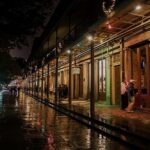
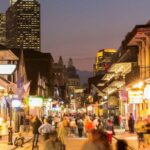
A key value point here is how the guide uses the neighborhood as the “set.” Instead of bouncing between random bars, you’re walking through recognizable places—then hearing stories that explain how New Orleans earned its reputation for danger, reinvention, and rumor. If you want your true crime with atmosphere and not just cold recitation, this format makes sense.
Group size also matters. With a maximum of 28 travelers, you’re more likely to get answers to your questions rather than standing off to the side while the guide talks into the crowd.
You can also read our reviews of more nightlife experiences in New Orleans
Where you meet, what you need, and why timing matters
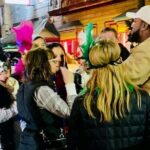
Meeting point: Bon’s New Orleans Street Food (620 Decatur St Unit 1B). Bring your mobile ticket and plan to arrive a few minutes early so you can start on time. The tour is near public transportation, which helps if you don’t want to fight parking downtown.
What’s not included is simple: alcoholic beverages and parking fees. In practice, that means you should budget for drinks as part of the evening. The bar stops are where you’ll spend money, and some stops specifically mention admission tickets as free—so the guide cost is covered, but your drinks are still on you.
Also note the real-life New Orleans factor: routes may change due to parades, festivals, or construction. That isn’t a reason to avoid booking—it’s a normal operating condition here. If you’re the type who hates schedule uncertainty, you might find this mildly annoying. If you’re happy to roll with the city, it’s part of the charm.
Jackson Square, Cabildo and Presbytere: start with the landmark, then hit the stories
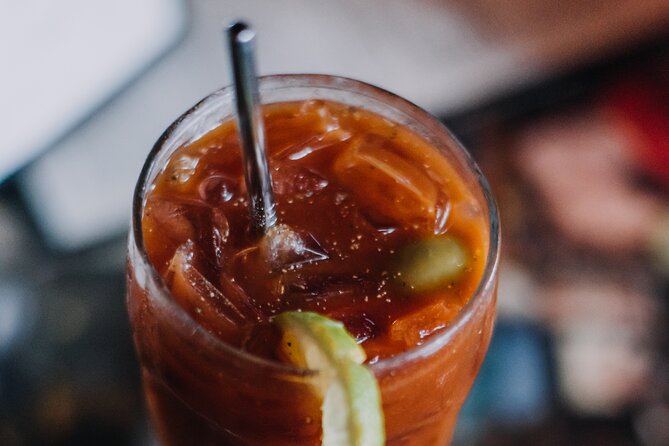
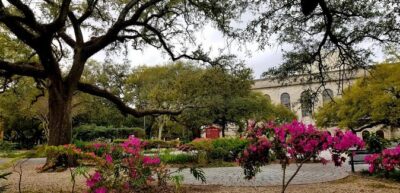
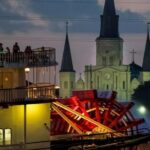
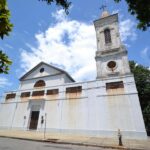
The first big “get your bearings fast” moment is Jackson Square. You’ll stop for a photo op while learning about the Cabildo and Presbytere—two names you’ll keep seeing around the French Quarter once you know what they relate to. It’s a smart opener because it anchors you in place before the tour goes darker.
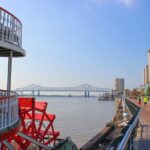
Then you walk up toward Washington Artillery Park for a view of the Mississippi River. This is one of those moments that quietly improves the whole evening. You can look out, understand how the city sits beside the river, and then come back into the walk with better spatial memory. Even if your main interest is true crime, the setting helps the stories land.
This early walking segment is also where you’ll feel the practical reality of the French Quarter. Historic streets can be uneven, and the tour notes that the area may cause challenges for those with mobility issues.
Supreme Court steps and JFK threads: when New Orleans history meets national shock
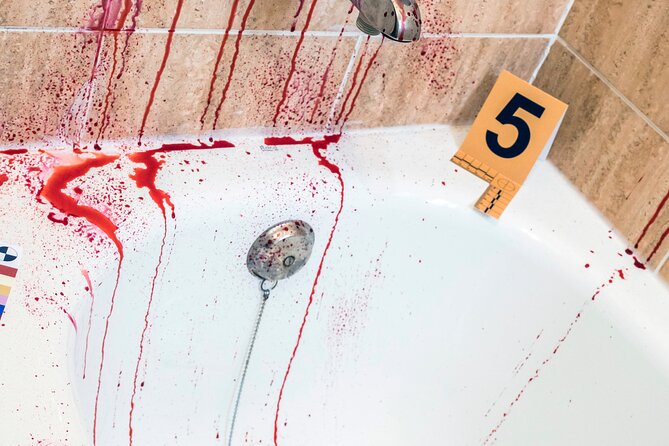
Next, you’ll walk to the Supreme Court Building area and step onto its steps to learn about connections New Orleans has with the JFK assassination. The key thing here isn’t just that JFK is involved—it’s how the guide ties the narrative to specific places you can stand on.
For you, that means the story isn’t trapped in a textbook. You’re seeing how the city’s layout and landmark presence get folded into major events and rumors. It’s the difference between hearing a name and watching the setting that people associate with it.
If you prefer your true crime strictly modern (or strictly older), this stop might feel like a shift. But it’s part of what makes the tour interesting: it’s not only local murder cases. It also grabs at the threads where rumor, investigation, and place overlap.
May Bailey’s Place: Storyville, a brothel legacy, and a cocktail stop
One of the tour highlights is May Bailey’s Place, a former brothel credited with being the first licensed brothel in New Orleans. The stop is designed around cocktail time, and the listed admission ticket is free at this point—so you’re paying for your drink, not a separate entry fee.
Storyville is one of those New Orleans topics that sounds like pure gossip until you learn the context. Here, the guide’s job is to translate the era into something you can picture: the neighborhood role, the rules of the time, and why these establishments became part of how the city told its own story. That’s why this stop works even if you’re not a nightlife buff. You get a physical place connected to a whole chapter of the city.
One practical tip: bring cash for drinks if you can. Several guides are known for pointing out the local bar feel, and in a neighborhood like this, cash can save you trouble.
Also, this is a bar stop, so expect the usual New Orleans humidity and noise. If you’re someone who struggles with crowded indoor conversations, you’ll want to keep close to your guide so you don’t lose the thread.
You can also read our reviews of more drinking tours in New Orleans


Jimani Lounge & Restaurant: cocktail time with a darker story
Another bar stop is Jimani Lounge & Restaurant, where you’ll grab a cocktail and hear a gruesome story connected to the location. This is where the tour leans into its title—true crime, with no soft landing.
The value here is that the guide doesn’t just point at the building. You’ll hear what happened there and how the surrounding neighborhood atmosphere plays into the aftermath. New Orleans is famous for blending everyday life with legend, and this stop leans into that tension.
A word of balance: this is not a gentle history lesson. The tour is built for people who want suspense, shock, and details. If you’re sensitive to violence, you might want to skim mentally through the worst parts and focus on the social context instead.
Storyville and the Tango Belt: learning the city’s rules of fear
Beyond the barfront stops, the guide also teaches you about Storyville and the Tango Belt. This matters because it moves you past isolated crime stories into a larger pattern: how certain areas became known, regulated, policed, and feared.
When you understand those labels, the rest of the evening clicks. You start to see why New Orleans rumors thrive, why certain people gained reputations, and how violence becomes part of the city’s storytelling machine. Even if you only remember a few terms, it gives you a framework for what you see later while walking on your own.
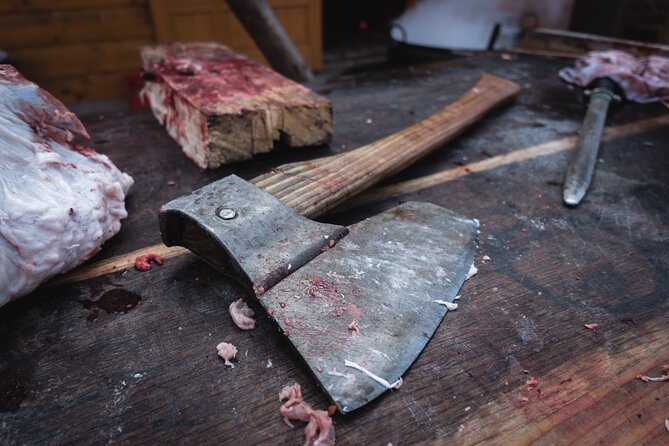
This is also where the tour connects to another highlighted theme: the Axe Man’s reign of terror. That name tells you the tone—fear used as a weapon, and a city trying to live normally while something awful hangs over it. The guide’s job is to explain not only what happened, but why it terrified people and how it echoed in the city after.
The Axe Man and the right kind of fear: how the guide sets tone
True crime tours live or die on pacing and voice. The guides for this crawl are often praised for being strong storytellers—mixing dark material with humor when appropriate, and keeping the group engaged. Names you might hear include Wesley, Gomez, Jenna, Jamie, D.J., Richard, and Candy, and some groups have shared that certain guides add extra moments like end-of-tour singing.
That variation is real: you may get a guide who emphasizes historical structure and sources, or one who builds more suspense and drama. Either way, the structure stays similar: you walk, you listen, you stop for a drink, and you get enough context to make the stories make sense.
One consideration: some people want less ghostly or cursed talk, especially at later stops. If you’re firmly in the grounded-facts camp, you may want to mentally label those moments as story flavor rather than evidence.
Price and value: what $37 really buys you
At $37 per person for about 2 hours, this tour is priced to feel accessible compared with many guided evenings in the city. What you’re really buying isn’t alcohol—it’s a licensed guide plus a structured walking evening through major French Quarter landmarks and specific bar locations.
Alcohol is not included, so the true cost depends on what you drink. But the tour is set up so you’re not paying separate admission fees at every stop you hit—some bar stops list admission tickets as free, which is a small but real value boost.
If you’re someone who likes to hit local bars anyway, this is where the math starts working in your favor. You’re paying for the guide’s ability to turn those bars into context-rich stops, not just places to buy a drink. If you’re only interested in the sightseeing part and you’d never order a cocktail on your own, you’ll feel the price more. This crawl is built for the combo: walking + stories + bar time.
Also, the tour notes free cancellation up to 24 hours in advance. That’s useful if your plans might wobble—New Orleans has a way of doing that.
Practical comfort: walking, weather, and who should come
The tour is marked as suitable for most people, but it also flags mobility challenges. The French Quarter streets can be rough, and there are steps and uneven surfaces along the way. If walking comfortably for about two hours is a stretch for you, consider bringing supportive shoes and planning to move slowly at stop points.
Weather can also shape your experience. New Orleans in the evenings can be warm and sticky, and you’ll be outside part of the time. If you’re the type who gets lightheaded in heat, pace your stops, bring water when you can, and don’t feel pressured to push through discomfort.
This tour tends to fit best for:
- people who like true crime storytelling
- couples and small groups who want a planned night out
- solo travelers who want interaction, not a silent museum vibe
It may be less ideal for:
- anyone who hates gruesome details
- non-drinkers who don’t want bar-time as part of the experience
- people who want only straightforward history with no haunted flavor at all
Should you book the New Orleans True Crime Pub Crawl?
I think you should book it if you want a guided night that mixes famous landmarks with specific crime and fear stories—then ends in bar settings tied to local lore. The best part is the format: you get place-based storytelling, not just a list of scary facts.
You might skip it if you want light, family-friendly history or if alcohol-free enjoyment is your main goal. Also, if you strongly prefer strictly factual tone, remember that some groups find the haunted-cursed angle too prominent at certain stops.
If you do book, I’d plan to bring cash for drinks, wear shoes you trust on uneven sidewalks, and go in expecting a mix of suspense and neighborhood atmosphere. It’s a short tour, but it leaves you with New Orleans context you can carry into your next walk—especially around Storyville and the darker corners of the French Quarter legend.
FAQ
How much does the True Crime Pub Crawl cost?
It costs $37.00 per person.
How long is the tour and when does it start?
The tour runs about 2 hours and starts at 6:00 pm.
Are alcoholic beverages included?
No. Alcoholic beverages are not included, so you’ll be buying your drinks during the bar stops.
Where do I meet the tour?
You meet at Bon’s New Orleans Street Food, 620 Decatur St Unit 1B, New Orleans, LA 70130.
Does the route ever change?
Yes. The route may change due to parades, festivals, or construction.
Is there free cancellation?
Yes. You can cancel for free up to 24 hours in advance for a full refund.