REVIEW · NEW ORLEANS
NOLA’s BIG 4 PRIVATE CITY TOUR – NO GHOST, ONLY FACTS!
Book on Viator →Operated by NOLA's BIG 4 PRIVATE CITY TOUR - NO GHOST, ONLY FACTS! · Bookable on Viator
Four stops, zero spooky stories. This private New Orleans city tour gives you a fact-first overview that goes well past the French Quarter, with a smart route by SUV. It is designed to help you get your bearings fast and understand what you are actually looking at.
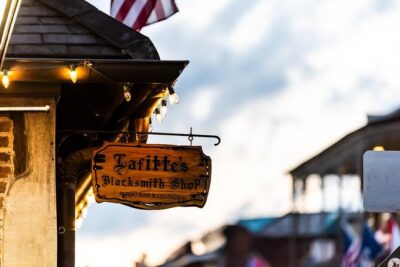
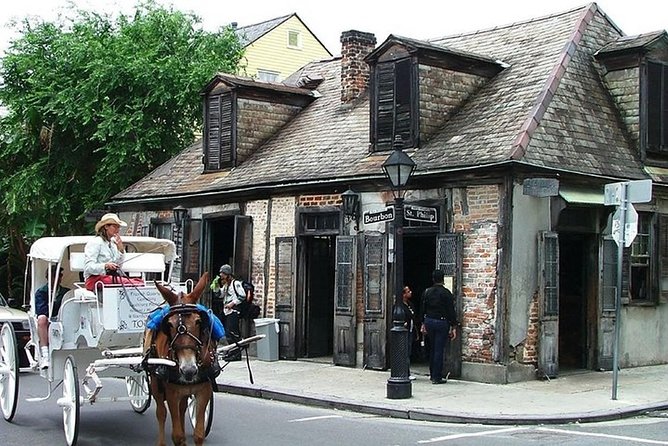
I especially like that your guide, Paul Angelica, is a born-and-raised New Orleans local and a licensed tour guide who keeps the talk anchored in dates, names, and real places. You will connect landmarks such as St. Louis Cathedral (1727), the French Market (1791), and even Lafitte’s Blacksmith Shop Bar (1772) to the bigger story of how New Orleans formed.
The only real catch is time. With about 2 hours total across four areas, you are getting highlights, not a deep, slow walk through every site.
In This Review
- Key Points You’ll Care About
- What This Tour Gets Right for Your First Days in New Orleans
- The French Quarter: Landmarks from 1718 to Lafitte’s Blacksmith Shop
- Garden District: Big Oaks, Brick Sidewalks, and Old Money Clues
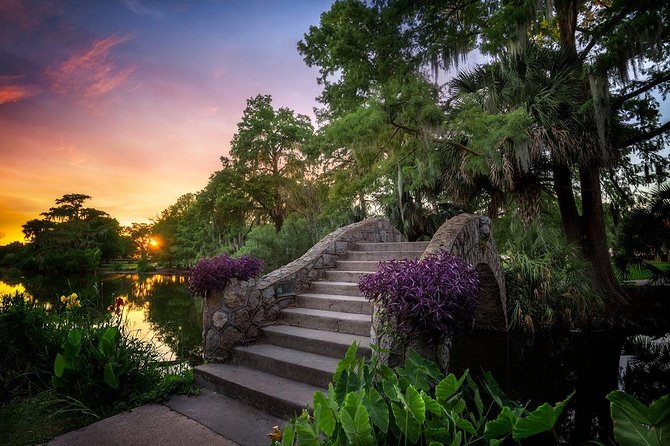
- City Park: The 1,300-Acre Break Between Neighborhoods
- Metairie Cemetery at 5100 Pontchartrain Blvd: Above-Ground History Since 1872
- Why I Think the Fact-Only Format Works (Especially If You Hate Guessing)
- The Toyota RAV4 Ride: Comfort, Photo Moments, and Easy Conversation
- Price and Value: What $150 Per Person Buys You
- Who Should Book This Tour (And Who Might Want Something Else)
- Tips to Make Your 2 Hours Pay Off
- Should You Book NOLA’s BIG 4 Private City Tour?
- FAQ
- How long is NOLA’s BIG 4 Private City Tour?
- What areas are included in the tour?
- Is this tour private?
- Do you visit locations outside the French Quarter?
- Is it a ghost tour?
- Is pickup and drop-off included?
- What vehicle is used?
- Is the tour available in English?
- What ticket format do I get?
- What if the weather is bad?
Key Points You’ll Care About
- Private SUV time with only your group for about two hours (4-passenger Toyota RAV4)
- Paul Angelica: licensed guide, New Orleans native, and over 500 five-star reviews
- Four neighborhoods in one route: French Quarter, Garden District, City Park, Metairie Cemetery
- Fact-only tour. No ghost stories, just history and landmarks
- Good comfort for photos and planning with pickup and drop-off at your chosen location
- Metairie Cemetery details include well-known names like Al Copeland, Ruth Fertel, Tom Benson, Anne Rice, and P.G.T. Beauregard
What This Tour Gets Right for Your First Days in New Orleans
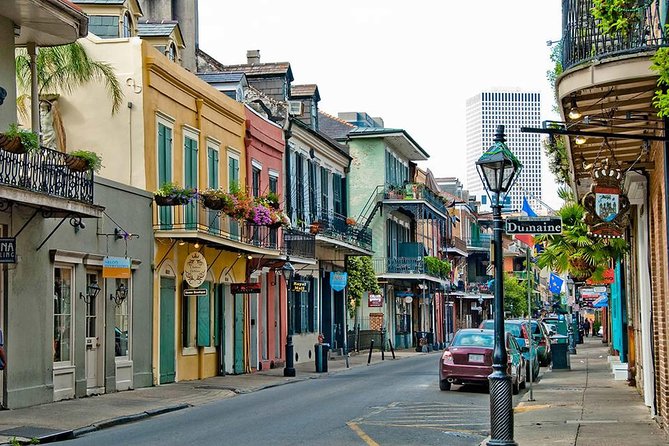
New Orleans can feel like a theme park if you do it wrong: you rush the loudest streets, snap photos, and still leave without knowing why things look the way they do. This tour is built to prevent that.
You start in the French Quarter, then you move outward to places that explain the city’s layout and how neighborhoods evolved. The result is not just seeing sights, it is understanding them. And once you know the geography, you plan your remaining days with way less guesswork.
It also helps that the format is practical. You are in a private vehicle for most of the time, so you can spend your energy listening, asking questions, and getting a few good photo moments rather than doing endless transit.
You can also read our reviews of more city tours in New Orleans


The French Quarter: Landmarks from 1718 to Lafitte’s Blacksmith Shop
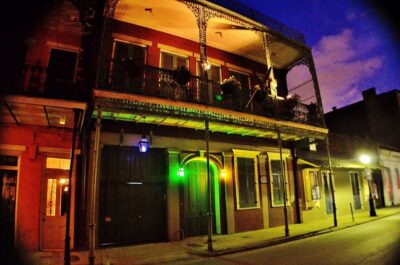
The French Quarter stop is where most first-time visitors start, but this is not a random loop of the obvious corners. You will work from the neighborhood’s early story and then hit key spots tied to specific eras.
Paul sets the stage with the French Quarter’s role as one of the oldest communities in the U.S., going back to the year 1718. Then you shift from story to sights, including:
- Jackson Square
- St. Louis Cathedral (1727)
- French Market (1791)
- Lafitte’s Blacksmith Shop Bar (1772)
- Royal Street
- Frenchman Street
- Centuries-old restaurants and Creole cottages
What I like about this approach is that it keeps the Quarter from feeling like a postcard. When you know the age of the buildings and why these places mattered, the architecture stops being background noise and starts acting like a clue.
One consideration: the French Quarter can be visually loud, so if you want silence and slow pacing, you may feel a little speed here. But if your goal is orientation, this stop does its job fast.
Garden District: Big Oaks, Brick Sidewalks, and Old Money Clues
Then you switch tone. The Garden District is a lesson in how New Orleans’ looks can change block to block, even when the culture is still unmistakably local.
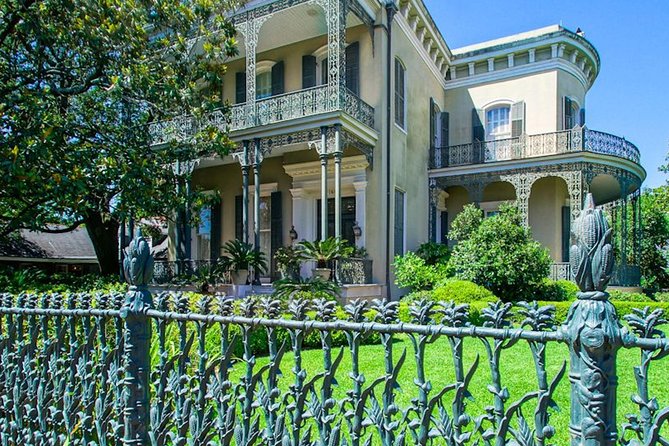
Paul frames the neighborhood around its early 1800s roots, using 1832 as a marker for how it developed. You will also learn what makes it so recognizable on foot and from the curb:
- A canopy of world-famous oak trees
- Brick-lined sidewalks
- Gardens featuring hibiscus, crepe myrtles, and angel trumpets
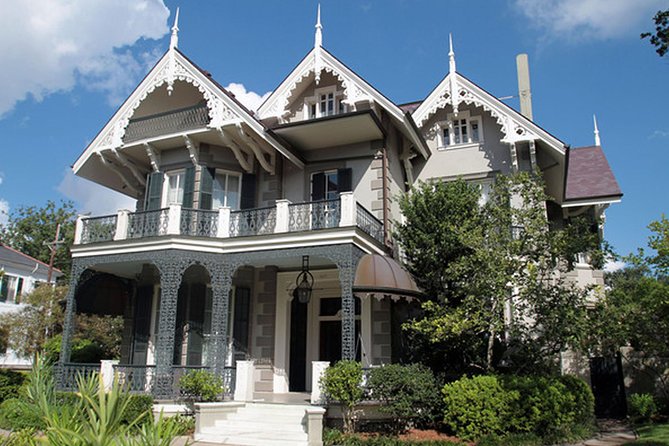
This is also where the tour becomes fun in a very New Orleans way. You will point out high-end antebellum mansions tied to famous names and pop-culture references, including associations with Sandra Bullock, John Goodman, and Anne Rice, plus references linked to American Horror Story and Curious Case of Benjamin Button. You will also see the Cornstalk Fence.
And the stop keeps going beyond pretty scenery. You will pass by:
- Lafayette Cemetery (since 1833)
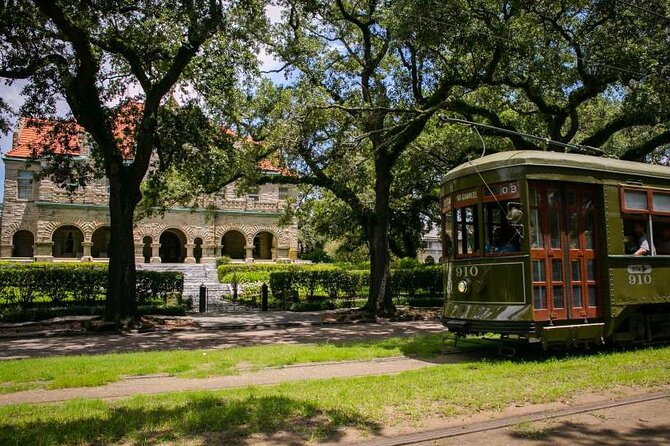
- St. Charles Avenue streetcar (since 1835)
- Mardi Gras traditions (since 1857)
- Commander’s Palace (since 1893)
The value here is how quickly you learn what to chase later. If you want to come back for a slower walk, this stop gives you the mental map.
A practical note: this is still a tour with limited time. Plan on using it to identify what you want to revisit, not to get everything done in one day.
City Park: The 1,300-Acre Break Between Neighborhoods
Next up is the kind of change of pace that makes New Orleans feel bigger than just one district. City Park is treated as part sightseeing, part reset.
Paul ties it back to its founding year, 1854, then explains why it has stayed important as an urban green space. The big draw is the mature live oaks. City Park is described as having the world’s largest stand of mature southern live oaks, including the Grand Oak that dates back more than 800 years. The guide points out what makes the trees visually distinctive—their sculptural shape and the unusual limb-to-height proportions.
From there, you see a wide range of City Park highlights, including:
- Museum of Art
- Sculpture Gardens
- Big Lake
- Botanical Gardens
- Children’s Museum
- Amusement Park, Story Land, and Miniature Golf
- Café Du Monde (since 1862)
- The Cypress Swamp reference tied to 1718
I like that this stop gives you permission to slow down without wasting the day. You get history and landmarks, but you also get space to breathe.
Possible drawback: City Park has a lot packed into it, and with a short stop you might not feel like you covered it all. That is not a flaw so much as a planning tip. Use this moment to decide what you want to do later on your own (a longer stroll, a museum stop, or a second visit).
Metairie Cemetery at 5100 Pontchartrain Blvd: Above-Ground History Since 1872
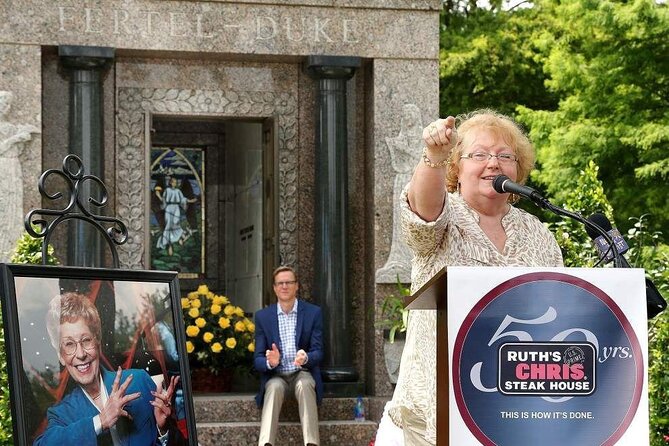
The final stop is Metairie Cemetery, located at 5100 Pontchartrain Blvd, with a starting point of 1872. If you think cemeteries are just about the past, this one teaches you how the past lives in the details.
Paul explains the cemetery’s oval layout by tracing it back to days when the area functioned as a race track. Then you get the shift after the Civil War, when it became a cemetery in 1872.
You will also see why this place is considered one of the most prominent in the country by sheer scale:
- 130 acres
- 10,000+ above-ground family tombs
- Over 9,000 people laid to rest there
One of the most useful parts of this stop is the guided “who’s who” component. Paul connects the cemetery to famous New Orleans names across business and culture, including:
- Al Copeland, founder of Popeyes Fried Chicken
- Ruth Fertel, founder of Ruth’s Chris Steak House
- Tom Benson, owner of the New Orleans Saints
- Anne Rice, the vampire novelist
- P.G.T. Beauregard, Civil War general
- Kings of Carnival
- The Weeping Angel statue
This stop can change how you read the city. New Orleans is full of visible layers, and the cemetery is one of the clearest places to see that layered identity in a single glance.
If you dislike cemetery settings, this is the part you might find most intense. But if you like understanding why New Orleans treats memory differently, this is a standout.
You can also read our reviews of more private tours in New Orleans





Why I Think the Fact-Only Format Works (Especially If You Hate Guessing)
New Orleans attracts every kind of tour: ghost stories, spooky legends, and the occasional overhyped shortcut. This tour makes a different promise: no ghost, only facts.
That matters because it keeps the time grounded. Instead of spending your two hours on vibes and folklore, you get dates, architecture, and why certain places developed when they did. You leave with a clearer picture of what is real and what is legend.
And because you are covering four major areas, you are not stuck with one narrow slice of the city. You get a route that helps you plan your next steps, whether that means going back to the Quarter for a return walk or using City Park as your “morning reset” spot.
The Toyota RAV4 Ride: Comfort, Photo Moments, and Easy Conversation

This is a private SUV tour, using a 4-passenger Toyota RAV4, which keeps the group size small and the conversation easy. Pickup is offered, and you can usually start and finish at your selected location rather than fighting for a meeting point.
Comfort is not a side detail here. One of the strongest themes in the feedback is how easy the experience felt: clean vehicle, air conditioning, and even water available during the drive. If you have walking limits, this style also helps because you spend less time doing long stretches on foot.
Another practical win: because it is private, Paul can adjust the route and emphasis to your interests. In the feedback, people noted that he answered questions and shifted the plan on the spot when something specific mattered to them. That flexibility is a big reason a private city tour often feels better than a rigid group route.
Price and Value: What $150 Per Person Buys You
At $150 per person for about 2 hours, you are paying for a licensed local guide, private transport, and a route that covers four major areas in a short window.
Is it cheap? No. But the value comes from three things that are hard to replicate on your own:
- A guide who ties landmarks to specific dates and local context
- A route that takes you beyond the French Quarter so your photos and plans make sense
- Private time with pickup and drop-off, so you avoid the coordination hassle of sorting out transit and parking
This is also the kind of tour where it gets easier to justify the cost if you are traveling with a small group. Since the vehicle is sized for up to four passengers, your party can get the guide benefit without the price ballooning as wildly as some larger-group tours.
If you are the type who likes to plan, the “value” is not just the sights you see. It is the time you save figuring out what to do next.
Who Should Book This Tour (And Who Might Want Something Else)
This fits best if:
- It is your first trip and you want orientation early
- You want more than Bourbon Street and the loudest blocks
- You like architecture, neighborhood differences, and specific landmark context
- You want a private guide who can handle questions and adjust emphasis
You might want a different style of tour if:
- You want long guided walking time at each stop rather than quick, structured highlights
- You prefer a deep museum-only day or a slow photo safari with no driving
For most first-time visitors, though, this tour is a strong starting move.
Tips to Make Your 2 Hours Pay Off
- Pick one or two themes you care about most (architecture, cemeteries, parks, or the story of the neighborhoods) and tell Paul early.
- Bring your best photo plan: decide before you arrive where you want pictures, because the stops are designed for highlights.
- After the tour, go back and use what you learned to choose your next activity. That is where the orientation becomes real.
If you do that, two hours feels like a full day of planning.
Should You Book NOLA’s BIG 4 Private City Tour?
If you want a fast, fact-only orientation that moves beyond the French Quarter, I’d book it. The combination of Paul Angelica’s local perspective, the four major stops, and the private SUV format makes this a smart “first day” choice.
Book it early if you can, because the tour is often scheduled about 40 days in advance on average. And if weather is rough, you’ll want to be ready to shift dates since the experience requires good conditions.
FAQ
How long is NOLA’s BIG 4 Private City Tour?
It lasts about 2 hours.
What areas are included in the tour?
The tour covers the French Quarter, Garden District, City Park, and Metairie Cemetery.
Is this tour private?
Yes. It is a private tour/activity, and only your group participates.
Do you visit locations outside the French Quarter?
Yes. The route includes the Garden District, City Park, and Metairie Cemetery in addition to the French Quarter.
Is it a ghost tour?
No. It is presented as a fact-based tour with no ghost stories.
Is pickup and drop-off included?
Pickup is offered, and you can arrange pickup and drop-off at your desired location.
What vehicle is used?
The tour is described as a 2-hour private driving tour in a 4-passenger Toyota RAV4.
Is the tour available in English?
Yes, it is offered in English.
What ticket format do I get?
You receive a mobile ticket.
What if the weather is bad?
The experience requires good weather. If it is canceled due to poor weather, you’ll be offered a different date or a full refund.