REVIEW · NEW ORLEANS
Nola Voodoo Walking Tour with High Priestess Guide in New Orleans
Book on Viator →Operated by Anansi's Daughters · Bookable on Viator
Voodoo in New Orleans is more than street lore. I love how High Priestess Malika connects the myths to real locations like Congo Square and the Egun tree, and I love the clear, no-sensationalism answers about Marie Laveau and Voodoo dolls. One drawback to plan for: it’s outdoors, so you’ll want to dress for heat or rain.
This tour is priced at $40 for about 1 hour 45 minutes, with a cap of 28 people. If you show up curious and willing to ask questions, you’ll leave with a much more grounded picture of African spiritual traditions in New Orleans.
In This Review
- Key Things You’ll Get From This Tour
- Why a High Priestess-Led Voodoo Walk Matters in New Orleans
- Getting There: Start Time, Meeting Point, and How the Walk Feels
- Congo Square: Where Worship and Misinformation Began to Intersect
- Louis Armstrong Park and the Egun Tree: Ancestry, Offerings, and Respect
- The French Quarter Stop for Marie Laveau: Facts, Folklore, and Voodoo Dolls
- What to Bring (and What to Expect) for 90 Minutes Outside
- Price and Value: Why $40 Can Be a Bargain Here
- Group Size, Questions, and the Tone: What Makes This Tour Different
- Who This Tour Fits Best (and Who Might Skip It)
- Should You Book This Nola Voodoo Walking Tour?
- FAQ
- How much is the tour?
- How long is the Nola Voodoo Walking Tour?
- What time does it start?
- Where do we meet for the tour?
- Does the tour end somewhere else or back at the start?
- What language is the tour offered in?
- Is the tour limited in group size?
- Are tickets or admission included at the stops?
- Is there a restroom on the route?
- Is cancellation free?
- FAQ
- Is a service animal allowed?
- Does the tour require good weather?
Key Things You’ll Get From This Tour
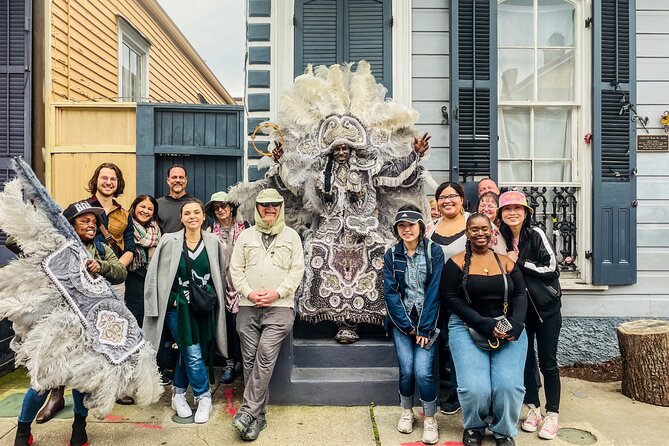
- A High Priestess perspective that treats the subject with respect and lived context, not a costume-shop vibe
- Congo Square context that explains where worship, survival, and misinformation collide
- The Egun tree stop with practical detail on ancestry and common offerings
- Marie Laveau’s story in the French Quarter plus clear answers about Voodoo dolls
- Small-group pacing with time for questions (and a guide who sticks around when people want answers)
Why a High Priestess-Led Voodoo Walk Matters in New Orleans
New Orleans has no shortage of spooky stories. The hard part is separating what got repeated for entertainment from what’s tied to real African-descended spiritual practice.
That’s why this tour works. You’re not just getting “legend.” You’re getting explanation from a practitioner—High Priestess Malika leads many of these walks—and she frames what you’re seeing in terms of tradition, ancestors, and how Vodou/Voodoo fits into the city’s history. The tone stays respectful. The goal is understanding, not spectacle.
Two things I especially like about the way this is taught. First, the guide anchors big ideas to specific places—Congo Square, Louis Armstrong Park, and a French Quarter site connected to Marie Laveau. Second, you’ll hear direct myth-busting about the Hollywood version of Voodoo, including why the misconceptions persist and what’s actually going on in the spiritual worldview.
You can also read our reviews of more walking tours in New Orleans


Getting There: Start Time, Meeting Point, and How the Walk Feels
The tour starts at 10:00 am at St Ann Street & North Rampart Street. It ends back at the meeting point, so you’re not stuck finding your own way when your feet are done negotiating.
The total time is about 1 hour 45 minutes. The group size stays small—28 people max—which matters because you want questions answered, not just listened to.
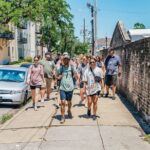
Now, about the walking: it’s a walking tour, but it doesn’t feel like a long hike. One strong theme from people’s experiences is that the Louis Armstrong Park portion is the main focus and there’s not a huge amount of constant trekking. You can still expect to be outside, moving between stops, and spending time standing while you listen.
Congo Square: Where Worship and Misinformation Began to Intersect
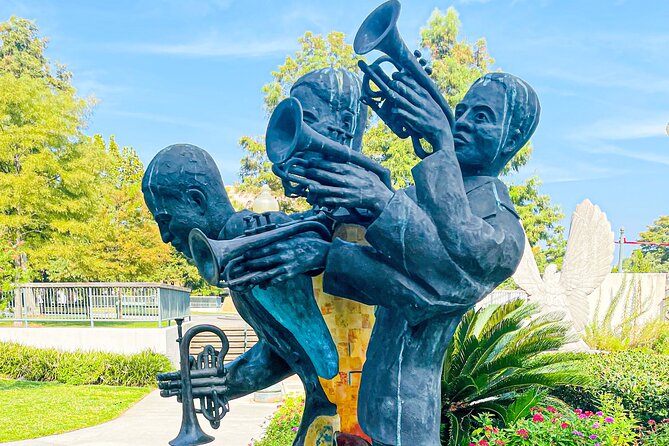
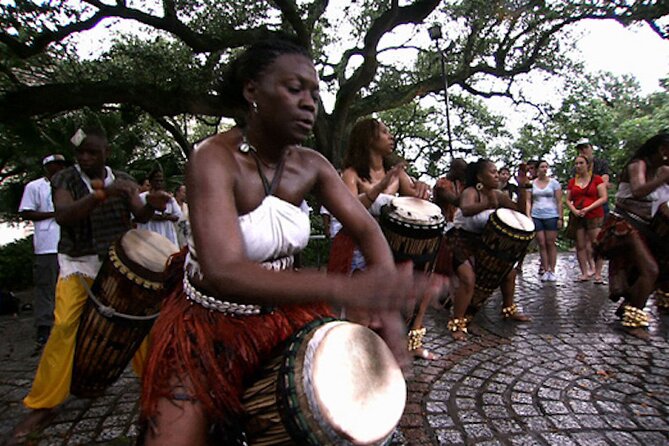
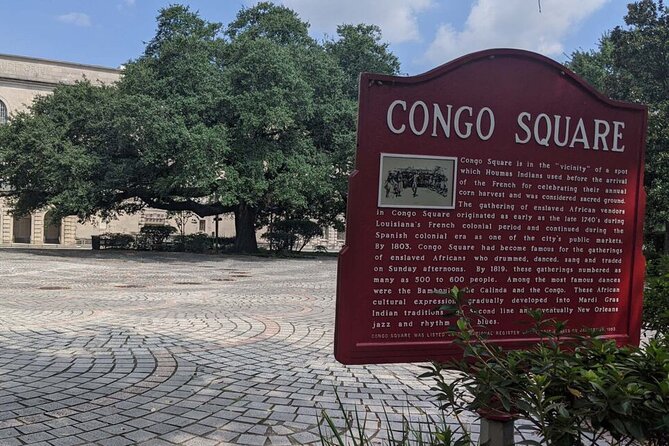
Your first major stop is Congo Square, a place tied to the rhythms of enslaved communities and the cultural survival that followed them. This stop isn’t treated like a generic “voodoo spot.” Instead, you’ll hear why this location became important in the story of Vodou/Voodoo in New Orleans.
What you should expect from the explanation here is three-part:
- origins and context for how Vodou-related practice took root in New Orleans
- how media turned African spiritual traditions into stereotypes
- why you keep seeing bad information, and how to correct it with facts and context
I like this stop because it sets the tone for the rest of the tour. You’re not starting with Marie Laveau first or jumping straight into spooky symbols. You’re getting the foundation: where the community gathered, why it mattered, and how the story got distorted after.
Practical note: this is a time outdoors with your group, so wear comfortable shoes and bring something to sip. (More on what to bring later.)
Louis Armstrong Park and the Egun Tree: Ancestry, Offerings, and Respect
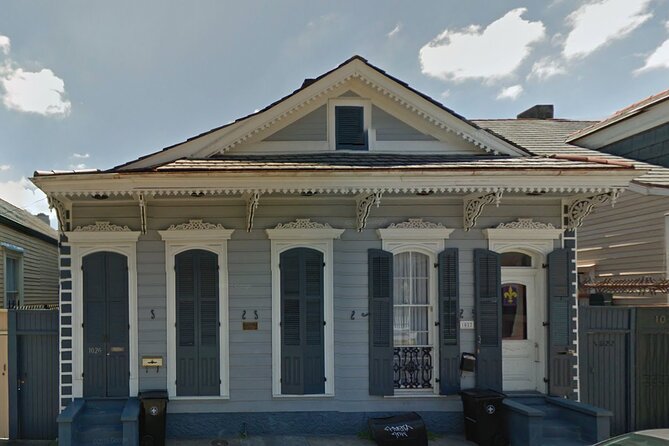
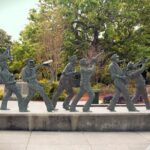
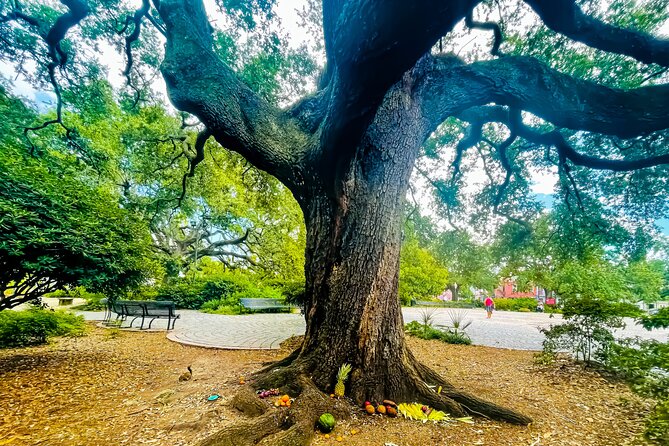
The tour’s spiritual centerpiece is Louis Armstrong Park, especially the Egun tree.
This is where the guide’s practitioner lens becomes very clear. You’ll learn about the role ancestors play in Vodou/Voodoo, why remembrance is not just sentimental, and what it means to interact with the spiritual world through tradition. The Egun tree isn’t framed as a tourist prop. It’s framed as a living reference point inside a broader religious landscape.
You’ll also hear about offerings—not in a vague, “leave something and hope” way, but in a structured way: which kinds of offerings are commonly left, why they’re left, and the basic idea that different deities or spirits are approached differently. If you’ve ever wondered why people mention offerings so often in Vodou/Voodoo talk, this is the place where it gets explained with purpose.
A small extra detail you might notice here: some folks reported butterflies during the experience. Even if you don’t see them, the point of that moment is the same—the tour keeps drawing your attention to signs and meaning, not just dates and names.
The French Quarter Stop for Marie Laveau: Facts, Folklore, and Voodoo Dolls
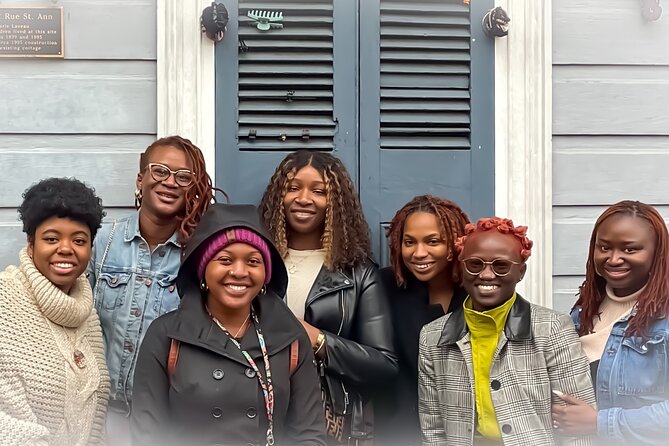
Next comes the French Quarter, tied to Marie Laveau, a figure who sits at the intersection of history, folklore, and real religious practice. The tour focuses on the site connected with her living, healing, and worship.
This is where the guide tackles two things that matter a lot if you’ve seen Voodoo portrayed in movies or tourist souvenirs:
- what’s likely fact versus what’s been sensationalized
- what the traditions around symbols actually mean inside the religion
The topic of Voodoo dolls comes up directly. Instead of treating the dolls as one-size-fits-all magic punishment devices, you’ll get explanations aimed at correcting the pop-culture version. The takeaway is that the symbols people trade as costumes or jokes have a very different meaning when they’re placed in religious context.
Another reason this stop is worth your time: the guide handles questions openly. People describe feeling like their questions got genuine attention, not brushed off. If Marie Laveau is the reason you booked the tour, this stop gives you a clearer “why” behind her reputation.
You can also read our reviews of more guided tours in New Orleans





What to Bring (and What to Expect) for 90 Minutes Outside
This tour isn’t a museum experience. You’re outdoors for a meaningful chunk of time, and the park portion can be both shaded and hot depending on the season.
Here’s what I’d do if I were packing for it:
- wear layers, especially if morning air feels cool then warms fast
- bring water, and consider bringing your own drinks since there isn’t a restroom stop built into the park experience
- if the sun is strong, plan for shade breaks and use sunscreen
- if rain moves in, be ready to roll with weather changes since the experience depends on good conditions
One practical detail that came through clearly in people’s experiences: there’s no convenient restroom during the park segment, so don’t count on a quick stop. Plan ahead before you arrive.
Also, if you’re the type who likes taking photos, keep it respectful. This is a religiously grounded walk. Snap what’s allowed, but don’t treat sacred space like a backdrop.
Price and Value: Why $40 Can Be a Bargain Here
At $40 per person for about 1 hour 45 minutes, this is not the cheapest New Orleans tour you’ll find. But it can be excellent value because you’re paying for three things at once:
- a guide who is a practitioner, bringing firsthand understanding
- time on key sites tied to African-descended spiritual practice
- time for questions and myth correction, which is hard to price because it affects your whole trip
You also get free admission tickets included for the tour stops listed in the plan. That won’t make it “free,” but it helps your money go toward the guiding and the learning rather than paying extra once you’re already outside.
Finally, the small-group cap matters for value. When the group is limited, you’re more likely to have your question heard and answered well.
If you’re the kind of traveler who wants a quick highlight reel, you might feel this is “too serious” for the time length. But if you want the truth behind the stories, you’ll likely feel this is money well spent.
Group Size, Questions, and the Tone: What Makes This Tour Different
The best moments on this type of tour aren’t the landmark announcements. They’re the Q&A moments.
This walk is repeatedly described as engaging and warm, with a guide who answers questions with care. A recurring theme is that it stays sensationalism free—meaning you won’t feel like you’re being pushed into horror-movie theatrics just to keep attention.
Another big difference is that the guide isn’t talking about Voodou/Vodun like it’s a distant curiosity. She’s presenting it as a living religious worldview with real history behind it. That changes how the whole city feels afterward, especially if you’ve been surrounded by misinformation for years.
And yes, the tour can feel spiritual without feeling performative. People also mention that the guide takes extra time when questions run long. That flexibility is part of the value.
Who This Tour Fits Best (and Who Might Skip It)
Book this tour if:
- you want the real spiritual context behind New Orleans stories
- you’re curious about African Traditional Religions and how ancestry shows up in practice
- you’d rather hear a respectful explanation than another haunted-history script
- you like walking tours but prefer they feel manageable and not exhausting
You might think twice if:
- you’re only here for big-picture street sightseeing and don’t want to talk about religion or belief systems
- you need lots of restroom access during the walk (there isn’t one built into the park segment)
- you’re traveling in conditions where outdoor tours might get tricky, since the experience depends on good weather
Should You Book This Nola Voodoo Walking Tour?
My honest take: this is a strong choice for anyone who wants to understand New Orleans beyond the postcard version.
If you book, go in with two habits. First: bring your questions. Second: bring respect. When you do that, you’ll get more than a tour—you’ll get a corrected mental map of the city’s African spiritual roots, anchored to Congo Square, the Egun tree, and the Marie Laveau site in the French Quarter.
It’s also a great use of time because it’s short enough to fit any itinerary, yet deep enough to change how you read the city afterward.
FAQ
How much is the tour?
The price is $40.00 per person.
How long is the Nola Voodoo Walking Tour?
It runs for about 1 hour 45 minutes.
What time does it start?
The start time is 10:00 am.
Where do we meet for the tour?
You meet at Saint Ann Street & North Rampart Street (St Ann St. & N Rampart St, New Orleans, LA 70116).
Does the tour end somewhere else or back at the start?
It ends back at the meeting point.
What language is the tour offered in?
The tour is offered in English.
Is the tour limited in group size?
Yes. The maximum group size is 28 travelers.
Are tickets or admission included at the stops?
Admission tickets are listed as free for the tour’s stops.
Is there a restroom on the route?
One park stop detail is that there is no loo on site, so you should plan ahead.
Is cancellation free?
Yes, free cancellation is available. You can cancel up to 24 hours in advance for a full refund.
FAQ
Is a service animal allowed?
Yes, service animals are allowed.
Does the tour require good weather?
Yes. The experience requires good weather, and if it’s canceled due to poor weather, you’ll be offered a different date or a full refund.