REVIEW · NEW ORLEANS
New Orleans VIP City Tour w/ a Jazz Musician + Pro Photos
Book on GetYourGuide →Operated by Big Easy Walking Tours · Bookable on GetYourGuide
A few cities teach you fast. New Orleans does, if you get the right guide and a tight plan. This 4-hour VIP tour pairs a jazz musician’s storytelling with smart photo stops across the French Quarter, Garden District, cemeteries, and the neighborhoods shaped by Hurricane Katrina.
Two things I really like: the small group size (max 7) so you’re not lost in the crowd, and the fact that you’re rolling through key areas by vehicle with just enough walking for photos. One thing to consider is that this is a fast half-day. If you want long sits, deep museum time, or multiple meals, you’ll need to add time before or after.
In This Review
- Key Points You’ll Actually Care About
- Why a 4-Hour VIP Tour Gets You Oriented Fast
- Meeting in Front of the New Orleans Jazz Museum: How the Tour Runs
- French Quarter and Treme: Where the Music Roots Meet Street-Level Stories
- Garden District Movie Houses: The Photo Stops That Pay Off
- St. Louis Cemetery No. 3: The City’s Unusual Relationship With Memory
- City Park and Cafe du Monde Beignets: A Planned Break, Not a Random Detour
- Musicians Village and Hurricane Katrina Damage: Understanding What You’re Seeing
- Marigny and Bywater: Streets Where Jazz Culture Lives in Plain Sight
- Creole Millionaires Row, Faubourg St. John, and Uptown Mansions Near Tulane
- Lake Pontchartrain Finish: A Strong Way to End the Day
- Price and Photos: Is $66 Good Value for What You Get?
- Who Should Book This Tour (and Who Might Not)
- A Few Practical Notes So You’re Comfortable
- Should You Book This New Orleans VIP City Tour?
- FAQ
- How long is the New Orleans VIP City Tour?
- Where is the meeting point?
- What is included in the price?
- Is lunch included?
- What group size is this tour?
- Is the tour wheelchair accessible?
- Can I get a refund if I cancel?
Key Points You’ll Actually Care About
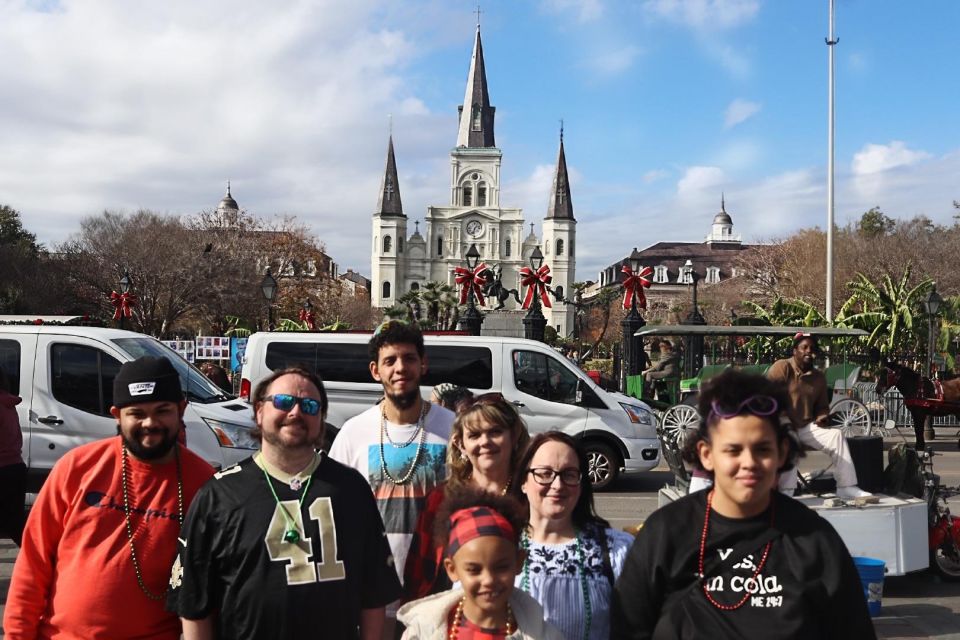
- Small group (7 max) means more questions, fewer head counts, and less waiting.
- A jazz musician guide brings music and local culture into every stop, not just facts on a sign.
- Pro photo moments happen throughout the drive-and-walk route with a 24MP 4K camera.
- Cafe du Monde beignets included (3 beignets in City Park) so you don’t lose time deciding where to eat.
- Museum tickets and transportation included, plus skip the ticket line when that part fits the route.
- Guides like Quay have a reputation for being professional, flexible, and history-heavy in a fun way.
Why a 4-Hour VIP Tour Gets You Oriented Fast
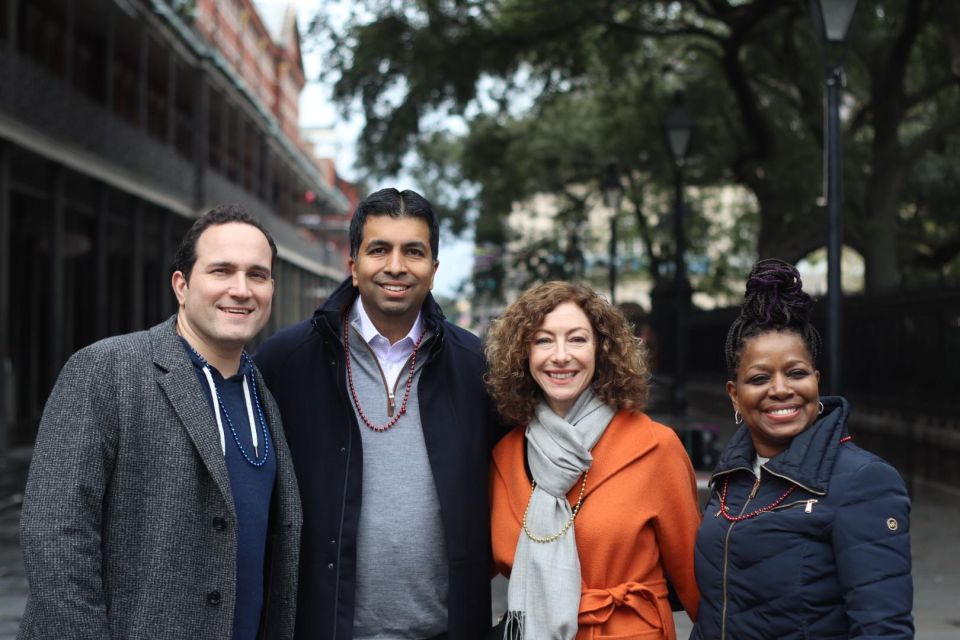
New Orleans is big in personality, not in size. In four hours, you can hit the places that shape your whole trip: where the music grew, where the architecture tells money stories, where cemeteries show the city’s unique relationship with death, and where neighborhoods still show the scars and recovery from Hurricane Katrina.
I also like that this tour doesn’t just throw you at “top attractions.” The plan is built around context. You’re not only seeing the French Quarter, Treme, or the Garden District. You’re learning what those places have meant culturally—especially through the lens of jazz and the local community.
If you do this early, you’ll return to the right streets later with better instincts. You’ll know what to linger on and what to pass quickly. That saves you hours over the next few days, which is the real luxury here.
You can also read our reviews of more city tours in New Orleans


Meeting in Front of the New Orleans Jazz Museum: How the Tour Runs
You’ll meet in front of the New Orleans Jazz Museum. That’s handy because it already frames the day as music-first, not just sightseeing-first.
From there, expect a mix of driving and short walking segments. The driving matters because New Orleans traffic can chew up time fast, and because the route covers multiple neighborhoods. The walking segments are there mainly for photo opportunities—Murals, architectural details, and the big “you have to see this” spots.
The tour uses a 24MP 4K camera to take pictures during the stops. You should think of it as a built-in way to get better photos without spending your whole afternoon swapping devices, angles, and settings.
You’ll also have a live guide in English, and the group stays small. When a guide has room to talk and you have time to ask, the day feels less like a checklist and more like a guided conversation.
French Quarter and Treme: Where the Music Roots Meet Street-Level Stories
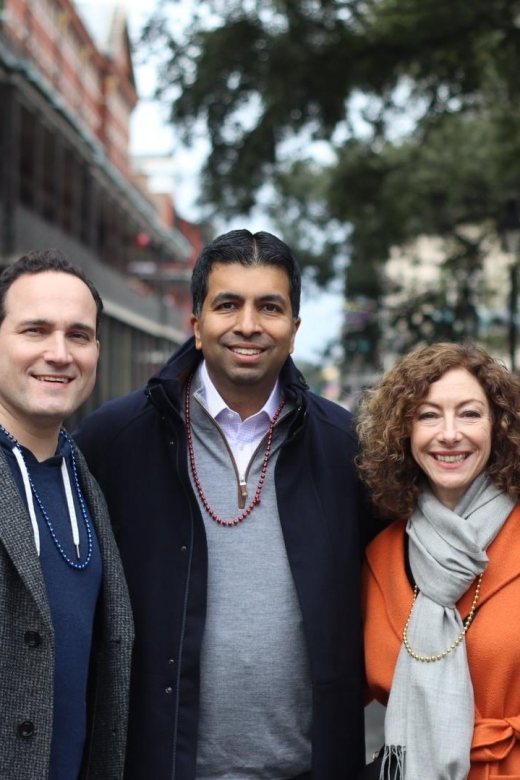
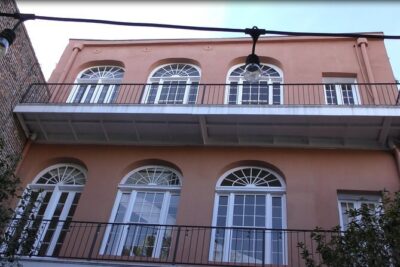
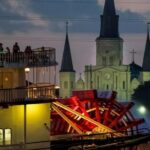
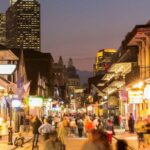
Your day often starts with the French Quarter. Even if you’ve only seen it from postcards, the real value is learning what to look for. You’ll get pointers on architecture, street layouts, and cultural history tied to the music scene.
Then you head into Treme, which is one of those neighborhoods where you don’t need a lecture hall to understand why it matters. It’s a place you can feel in the way people move and in the rhythm of the streets. A jazz musician guide helps you connect what you’re seeing to what you’re hearing later—whether that’s a club set, a parade moment, or a neighborhood performance vibe.
This is also where a good guide earns their money. You’ll likely get answer-ready moments: why certain places shaped the city’s sound, how traditions were preserved, and what to notice beyond the obvious.
A nice detail from past participants: guides like Quay have been praised for being professional and courteous while still keeping things entertaining. That combination matters when you’re trying to absorb a lot in a short time.
Garden District Movie Houses: The Photo Stops That Pay Off
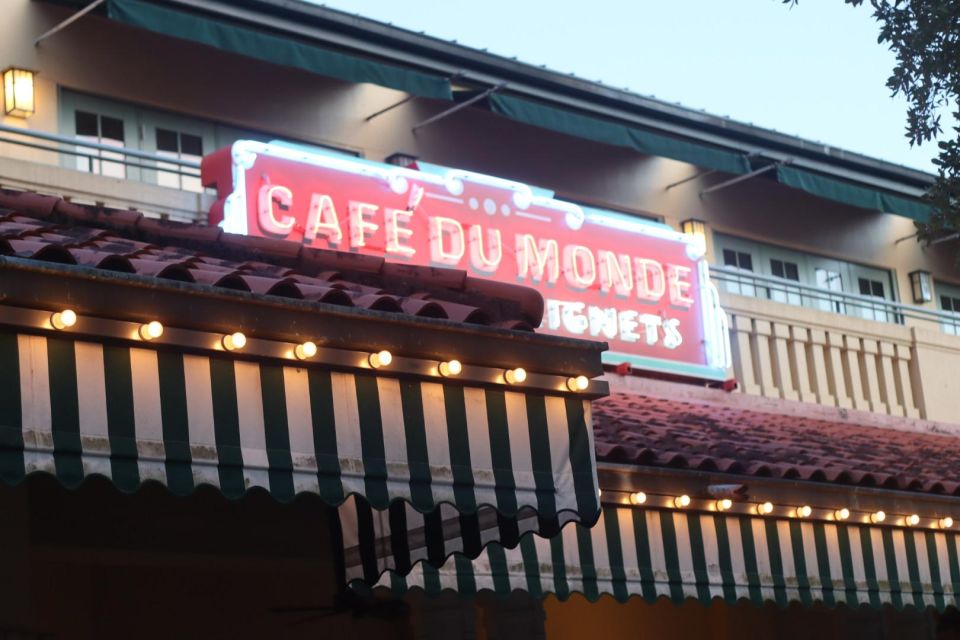
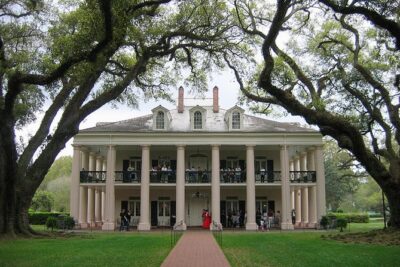
The Garden District is a visual treat, and it comes with a bonus: movie and TV house sightings. This isn’t just “pretty homes.” It’s a chance to see how the city’s elegance gets translated into screen locations and why certain streets are instantly recognizable.
You’ll have photo stops here, with time to frame and capture details. The smart part is that the tour builds in those breaks while you’re already moving. Without guidance, it’s easy to spend your limited time driving loops and hunting for the exact spot.
If you love architecture, residential streetscapes, or you want to understand how New Orleans projects different moods in different neighborhoods, this segment is worth it. You’ll leave with images you can actually use, plus context for what you photographed.
St. Louis Cemetery No. 3: The City’s Unusual Relationship With Memory
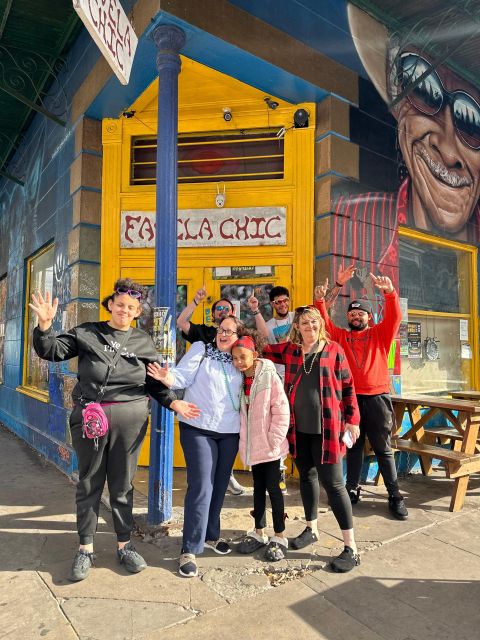
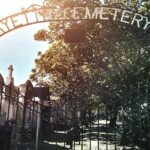
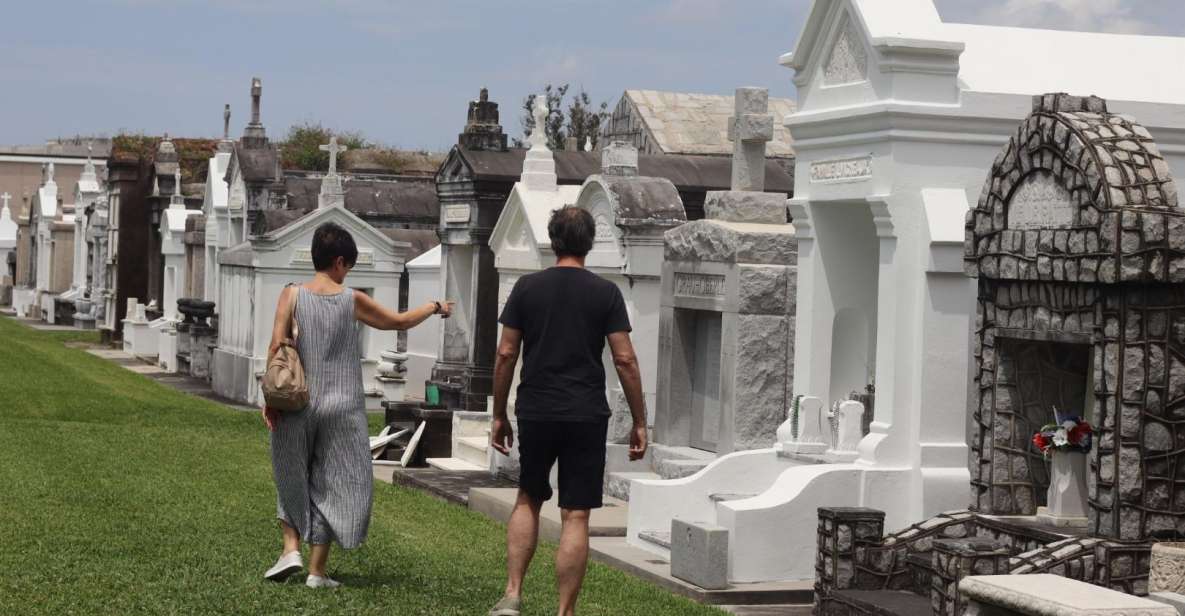
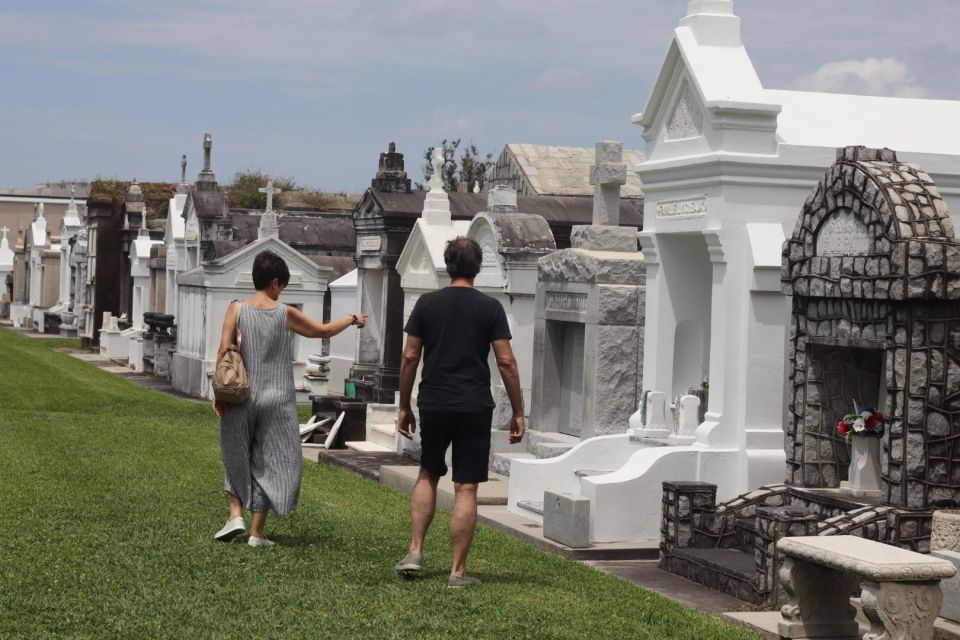
One of the standout stops is St. Louis Cemetery No. 3. Cemeteries in New Orleans aren’t the same as what you might expect elsewhere, and the experience works best when you understand what you’re looking at. Instead of treating it like a spooky postcard, you learn how the place reflects the city’s history and customs.
Because this is a guided visit, you’re not left to interpret everything on your own. You’ll get help reading the symbolism, the layout, and the feeling behind the above-ground structures.
The only caution: cemeteries are still outdoors. If weather turns, you’ll be grateful the tour keeps walking limited and the rest of the route is vehicle-based. Bring sunscreen when it’s bright and a light layer when it cools down.
You can also read our reviews of more tours and experiences in New Orleans






City Park and Cafe du Monde Beignets: A Planned Break, Not a Random Detour
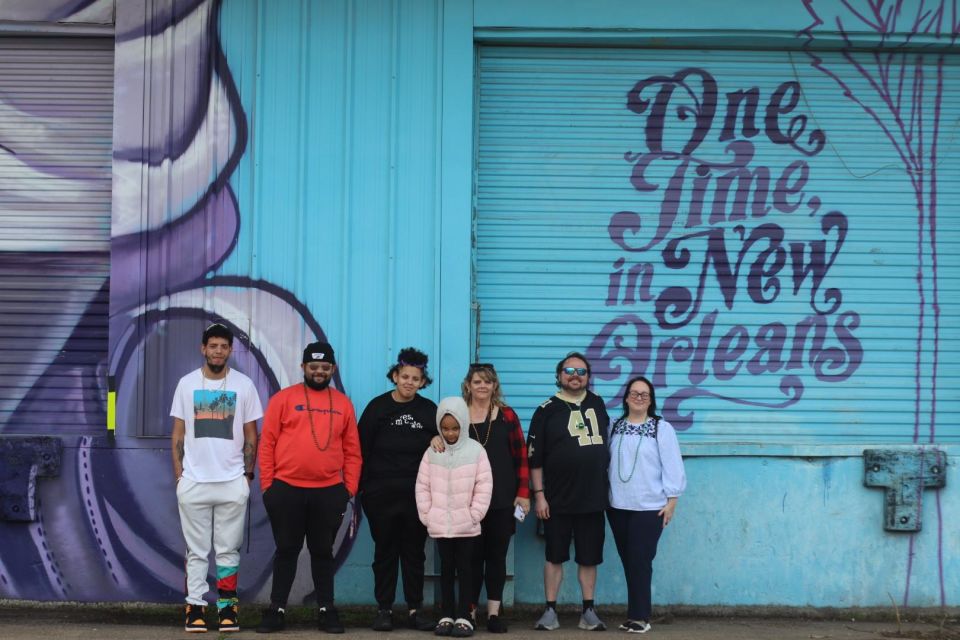
Midway through the tour, you’ll stop for beignets at Cafe du Monde in City Park. The best part is it’s included, with 3 beignets per guest, so you’re not stuck deciding when hunger hits.
This stop does more than feed you. It also changes the tone of the day. City Park gives you breathing room, and the beignets are a quick way to taste the classic New Orleans ritual without planning it from scratch.
Practical tip: beignets are best fast. Order, eat, and move when the guide says it’s time, since the tour is timed to cover a lot of ground in 4 hours. If you take too long, you may feel rushed during later stops.
Musicians Village and Hurricane Katrina Damage: Understanding What You’re Seeing
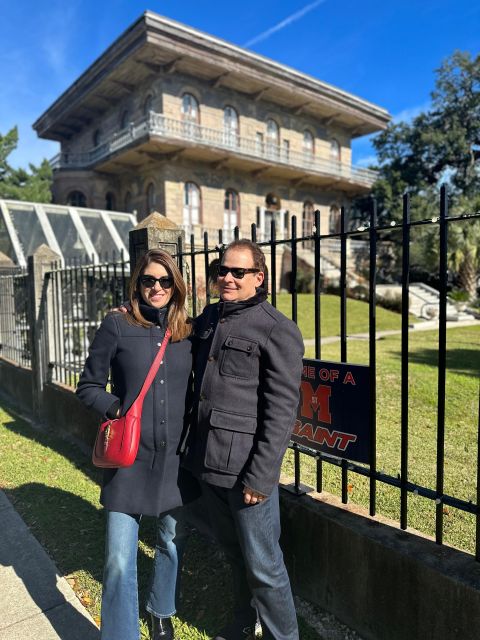
The tour doesn’t dodge the hard parts. You’ll visit Hurricane Katrina damage areas and Musicians Village. This segment is where the guide’s role becomes more than entertainment. It’s where you learn what recovery has looked like and how music is woven into community identity.
I appreciate this approach because it keeps the city from turning into a two-dimensional party. New Orleans is joyful, but it’s also resilient, and neighborhoods carry that truth in plain sight.
There’s no pretending the scars aren’t there. The value is in seeing the reality with context, and then moving through the rest of the day with more understanding.
Marigny and Bywater: Streets Where Jazz Culture Lives in Plain Sight

Next up: Marigny and Bywater. These are neighborhoods where you’re likely to notice street art, music influence, and the kind of casual creativity that makes New Orleans feel different from other Southern cities.
This portion of the tour works well if you want more than “historic center” New Orleans. You’ll get beyond the postcard focus and into neighborhoods with their own energy and local character.
The key is that you’re not just looking at buildings. You’re getting a sense of how people live there now, and how that ties back to jazz, creativity, and community over time.
Photo lovers also benefit here. Murals and street details are the kind of visuals that come out best when someone helps you time the stop and lines up the photo moments without wasting time.
Creole Millionaires Row, Faubourg St. John, and Uptown Mansions Near Tulane
Your route also includes Creole Millionaires Row, plus Faubourg St. John and Uptown areas, including the Tulane University vicinity. This is a different New Orleans mood: grander streetscapes, bigger homes, and a more formal look at the city’s past wealth and social structure.
I like including this because it rounds out your understanding. If you only spend time in the French Quarter and Treme, you’ll get one story of the city. The Uptown stretch adds another story—how power, money, and architecture played out across neighborhoods.
If you’re the type who enjoys comparing styles, watching how streetscape changes as you move uptown, or connecting university-adjacent areas to the city’s education and culture, this part gives you solid material for the rest of your trip.
Lake Pontchartrain Finish: A Strong Way to End the Day
The tour includes Lake Pontchartrain. Even when you only get a short look, it helps your brain place New Orleans geographically. You see the “water makes the city make sense” side of the story, and it’s a good mental reset after dense neighborhoods and street corners.
Ending with a view can also make the day feel less like rush and more like a complete loop. By the time you’re done, you usually know where you are and why the city feels the way it does.
Price and Photos: Is $66 Good Value for What You Get?
At $66 per person for a 4-hour tour, value comes down to what’s included. This one includes museum tickets and transportation, plus 3 Cafe du Monde beignets. You also get skip-the-ticket-line, which matters in a place where lines can steal your time.
Then there’s the photo component. The tour takes pictures along the route using a 24MP 4K camera. Even without assuming anything beyond the fact that photos are part of the experience, it’s still a real benefit: you’re paying for guided framing and timing, not just “somebody took a quick snapshot.”
Could you do it cheaper by going solo? Yes, but you’d pay in time and confusion. You’d be deciding on transport, ticket timing, and where to stand for the best views. For first-time visitors or anyone who wants a smart start, this price can feel fair.
Who Should Book This Tour (and Who Might Not)
This is a great fit if you:
- Want a first-day orientation to New Orleans
- Prefer a small group over large tours
- Care about jazz culture and how it connects to neighborhoods
- Want meaningful photo stops without doing the planning work yourself
- Like history, but don’t want to feel stuck in a textbook
It may not be the best fit if you:
- Hate moving on a schedule
- Want long museum time or a full sit-down lunch
- Plan to spend your day only on deep, slow walking
Also, note that lunch is not included. You’ll need to plan what comes after. This tour gives you beignets as a mid-tour snack, so you may not need a big meal immediately, but you’ll likely want dinner later.
A Few Practical Notes So You’re Comfortable
The tour is wheelchair accessible, which is a big plus for flexibility.
Because it’s a half-day and includes multiple stops, wear comfortable shoes. Even when walking is limited, you’re still stepping out frequently for photos and viewpoints. Bring sunglasses and sunscreen if it’s sunny. New Orleans light can be intense, and you’ll be stopping for pictures.
Finally, this tour can be customized. The experience is designed to match your interests—food, French Quarter architecture, African American history, jazz, ghost folklore, or murals. If you have a personal priority, message in advance so the guide can aim the day at what you actually want to see.
Should You Book This New Orleans VIP City Tour?
If you’re visiting for the first time or you want a high-quality start with minimal planning, I’d book this. The combination of small group attention, a jazz musician guide, photo stops, and key neighborhoods in 4 hours makes it a smart way to learn the city’s rhythm quickly.
Skip it only if you want a slow, eat-everywhere, linger-all-day style. This tour is built for momentum, context, and photo-ready moments.
FAQ
How long is the New Orleans VIP City Tour?
It lasts 4 hours.
Where is the meeting point?
Guests meet in front of the New Orleans Jazz Museum.
What is included in the price?
All guests receive 3 beignets from Cafe Du Monde in City Park. Museum tickets and transportation are also included, and the tour skips the ticket line.
Is lunch included?
No, lunch is not included.
What group size is this tour?
It’s a small group limited to 7 participants.
Is the tour wheelchair accessible?
Yes, the tour is wheelchair accessible.
Can I get a refund if I cancel?
Yes, free cancellation is available up to 24 hours in advance for a full refund.