REVIEW · NEW ORLEANS
New Orleans: Tremé African American & Creole History Tour
Book on GetYourGuide →Operated by French Quarter Phantoms LLC · Bookable on GetYourGuide
Tremé has a soundtrack of real life. This guided walking tour turns the neighborhood into a classroom, with Creole culture and New Orleans jazz origins woven into every block. You’ll also spot locations tied to the HBO series Tremé, so the place feels both historical and current.
I love how the tour doesn’t treat music like a museum piece. It connects early innovators and later traditions, including the modern brass band scene, and you’ll hear names like Jelly Roll Morton, Alphonse Picou, and Trombone Shorty tied to where they came from. In particular, the guides I’d aim for—like Nika and Erin—are praised for turning complex moments into clear stories without sounding like a lecture.
One thing to plan for: it’s a walking tour, and New Orleans heat can be real. Bring comfortable shoes and sun protection, and keep in mind a few guests reported the tour running a bit longer when questions kept coming.
In This Review
- Key things that make this Tremé tour worth your time
- Why Tremé is the right neighborhood for a jazz-and-culture tour
- Starting at The Voodoo Lounge: the walking-tour rhythm
- St. Augustine Church: community faith as part of the neighborhood story
- The Tomb of the Unknown Slave: remembering as you walk
- The Rock and Roll Hall of Fame laundromat stop
- Jazz birth stories: Morton, Picou, and Trombone Shorty
- Congo Square and the music-shaped connections you’ll hear about
- HBO Tremé filming locations: pop culture as a geographic guide
- Modern brass bands: how the tour links past and present
- Guides who turn the walk into a story (not a script)
- Price and value: is $22 for 105 minutes a smart buy?
- Who should book this Tremé African American & Creole History Tour
- Should you book it? My honest take
- FAQ
- How long is the New Orleans Tremé African American & Creole History Tour?
- How much does the tour cost?
- Where do I meet for the tour?
- Where does the tour end?
- What stops are included during the walk?
- Is food or beverages included?
- What should I bring and wear?
- Is the tour wheelchair accessible?
- Can I bring luggage or large bags?
- What is the cancellation policy?
Key things that make this Tremé tour worth your time
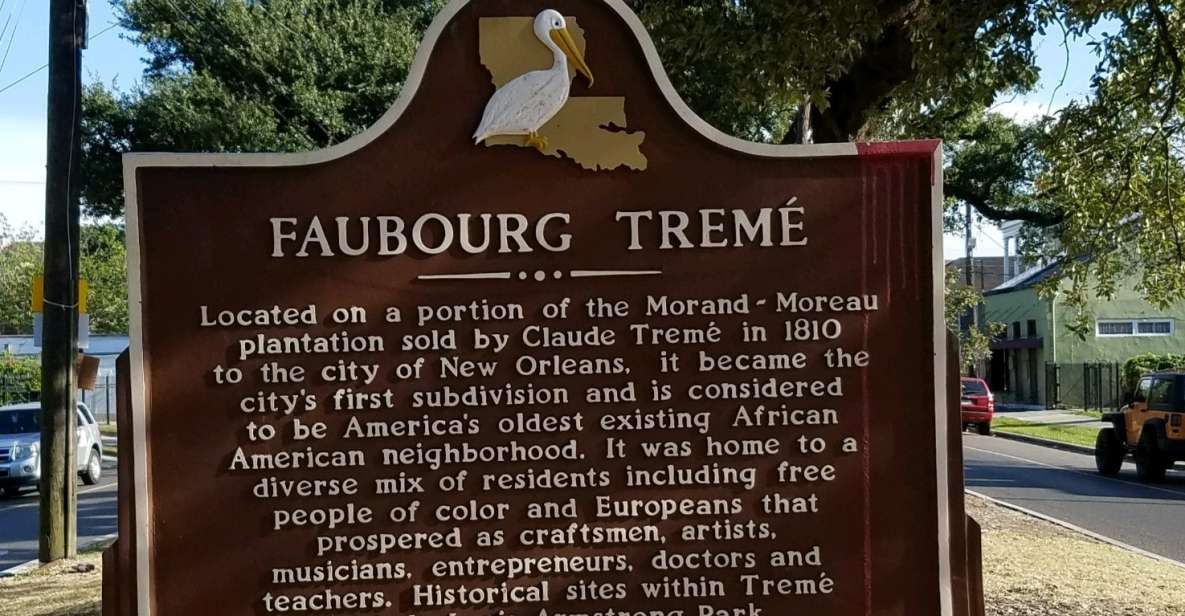
- A licensed local historian guiding you through African American and Creole neighborhood history
- Jazz origins tied to real locations, not just generic timelines
- HBO Tremé filming spots that help you connect pop culture to place
- Stops with emotional weight like St. Augustine Church and the Tomb of the Unknown Slave
- A surprise music-culture landmark: the laundromat with a Rock and Roll Hall of Fame connection
- Music-forward storytelling, with guides even using audio on the walk (some tours add Bluetooth music)
Why Tremé is the right neighborhood for a jazz-and-culture tour
Most first-time New Orleans itineraries crowd the French Quarter. Tremé is different. It’s where you get a grounded look at African American and Creole life, plus the story behind how the city’s music evolved. This tour keeps the focus on place, so you understand what shaped the sound instead of just hearing the end result.
What makes Tremé such a good match for music lovers is that the tour treats jazz and brass bands as community output, not superstar mythology. You’ll learn how music developed alongside everyday life, faith, and civil rights momentum. That’s why guests often walk away feeling like they finally “get” New Orleans beyond the postcards.
And yes, the HBO series Tremé factor matters. When you stand where scenes were filmed, the show’s atmosphere clicks into real-world geography. It’s one of those simple upgrades that makes the whole walk easier to remember.
You can also read our reviews of more historical tours in New Orleans



Starting at The Voodoo Lounge: the walking-tour rhythm
You meet at The Voodoo Lounge, 718 N Rampart St., on the corner of N. Rampart Street and Orleans Street—right at the top of the French Quarter area. The tour is about 105 minutes, and it ends back at the same starting point.
That timing is important. At roughly an hour and three quarters, you get enough time to cover major themes and key landmarks without turning the day into a slog. But it’s still a real walk, so comfortable shoes aren’t optional. The tour also has a clear rule: no luggage or large bags.
Also, if you’re planning a tight schedule after the tour, I’d keep some breathing room. At least one guest noted their tour ran longer than expected, and that usually happens when a guide is answering questions and the group stays engaged. If you’re the type who likes to ask follow-ups, plan to enjoy that extra time.
St. Augustine Church: community faith as part of the neighborhood story
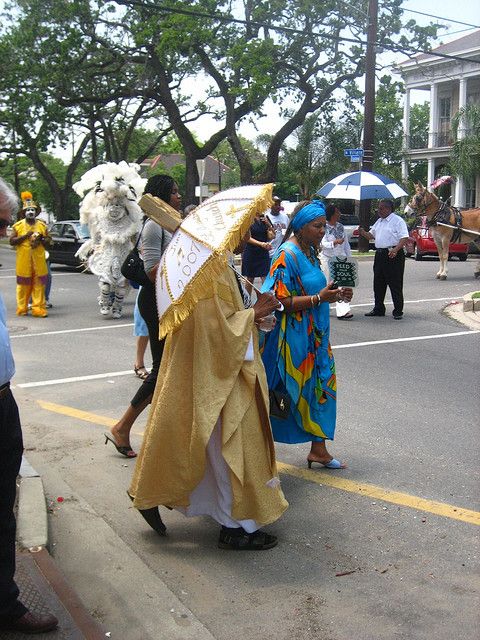
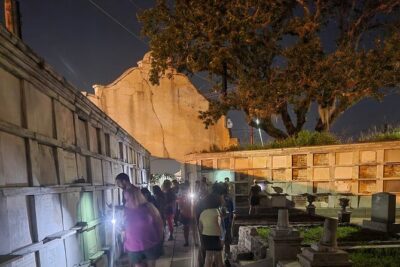
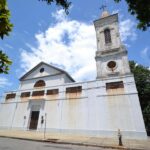
One of the named stops is St. Augustine Church. Expect this part of the walk to slow the pace in a good way. Churches like this one aren’t just architecture; they’re social anchors, shaping how a community gathers, mourns, celebrates, and organizes.
This stop also supports the tour’s bigger goal: connecting music and civil rights to the lived culture of Tremé. When you see landmarks tied to community life, the rest of the tour lands more firmly. Jazz doesn’t feel like it appeared out of thin air. It feels like something grown by people who had to build community through real challenges.
If you’re curious about how culture survives and changes, this is a great moment to pay attention. The best guides in the reviews—people like Erin and Nika—are praised for making those connections clear without over-teaching.
The Tomb of the Unknown Slave: remembering as you walk
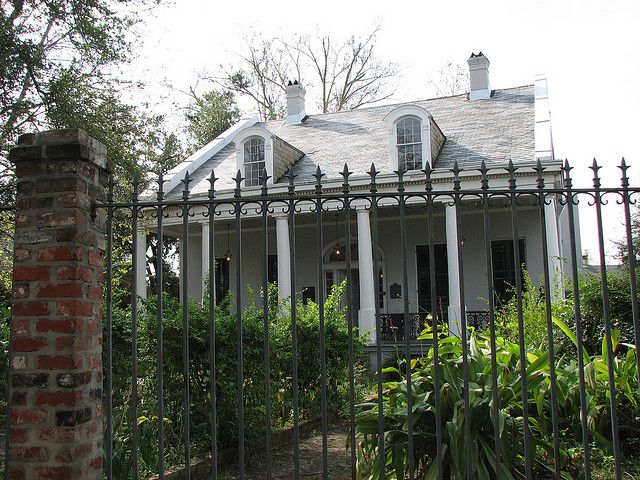
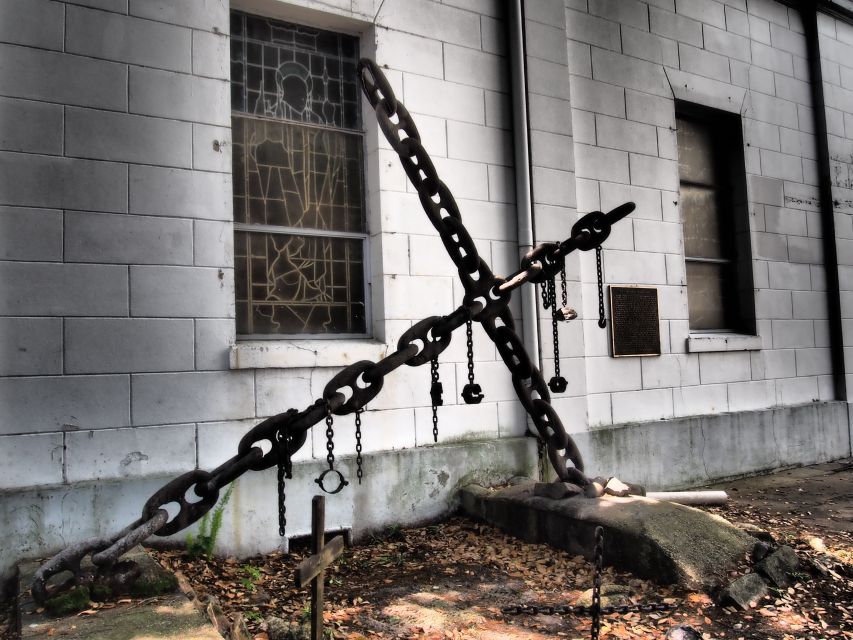
Another major stop is the Tomb of the Unknown Slave. This is the kind of place where the tour shifts tone. Instead of treating history like trivia, you’re pushed toward reflection.
I like that the tour places weighty memorial sites on the route. It keeps the story honest. It also helps explain why civil rights themes show up in the tour, not just as a separate lecture topic. In Tremé, music and activism aren’t separate worlds; they’re often linked by the same forces that shape daily life.
This isn’t a stop where you want to rush. Give yourself time to absorb what you’re seeing and what your guide is connecting it to in the broader arc of African American history in New Orleans.
The Rock and Roll Hall of Fame laundromat stop
One of the most memorable details in the tour description is the only laundromat that made its way into the Rock and Roll Hall of Fame. That line gets your attention because it sounds unexpected—and that’s the point.
Laundromats aren’t a typical tourist stop on a “music tour,” and that’s exactly why it works. It reminds you that musical culture grows in ordinary places. The tour uses this kind of stop to show how everyday spaces can carry bigger cultural meaning, especially when communities are using shared routines to connect, talk, and pass down stories.
Practically, this is also a useful moment to regroup. If you’ve been walking in sun, a landmark stop gives your body a short reset while your brain stays engaged.





Jazz birth stories: Morton, Picou, and Trombone Shorty
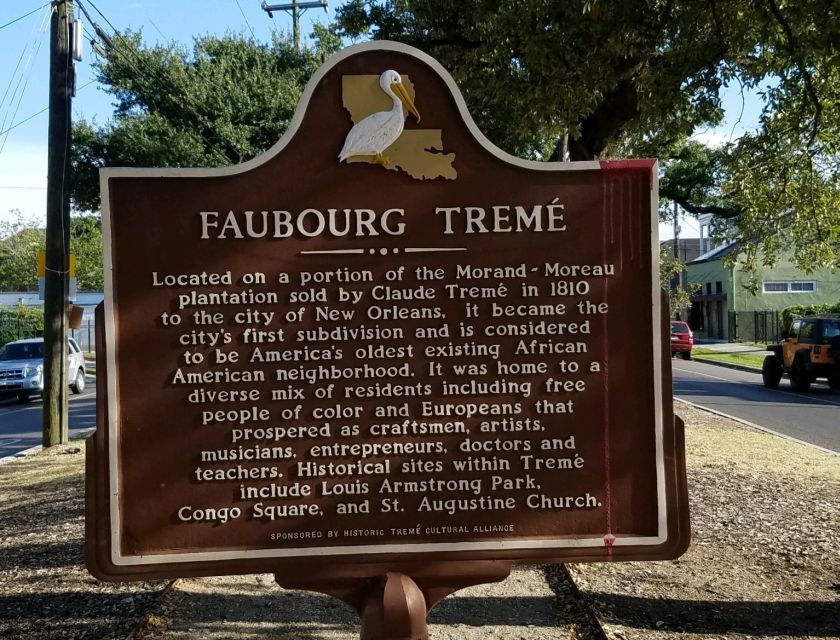
The tour highlights that several jazz legends were born in Tremé, including Jelly Roll Morton, Alphonse Picou, and Trombone Shorty. Hearing those names in the neighborhood context changes how you remember them. Instead of thinking of famous musicians as distant figures, you start picturing real streets and real starting points.
What I like about this approach is that it balances the “origin story” with modern continuity. The tour doesn’t just point backward to early jazz. It also brings you toward the modern brass band tradition, so the neighborhood feels like it’s still generating culture, not just preserving it.
In reviews, guests specifically praise guides for explaining connections with clarity and humor. People mention how guides correct misconceptions and explain nuance in a way that feels human—not performative.
Congo Square and the music-shaped connections you’ll hear about
Some of the strongest praise in the reviews points to how guides connect dots to Congo Square and explain how it influenced music. Even when you’re not seeing a separate “Congo Square stop” listed in the basic description, the important takeaway is that the tour frames Tremé’s musical story as a chain of cultural influences.
This is one of the tour’s hidden strengths: it helps you build a mental map. You start understanding why New Orleans music has the feel it does—rhythmic, communal, and shaped by history. That matters because most visitors only get fragments of the story if they stick to the obvious attractions.
If you like asking questions, this is the kind of tour where your guide can probably answer them well. Multiple guests mention guides handling topics beyond the standard route, and some even bring music audio on the walk.
HBO Tremé filming locations: pop culture as a geographic guide
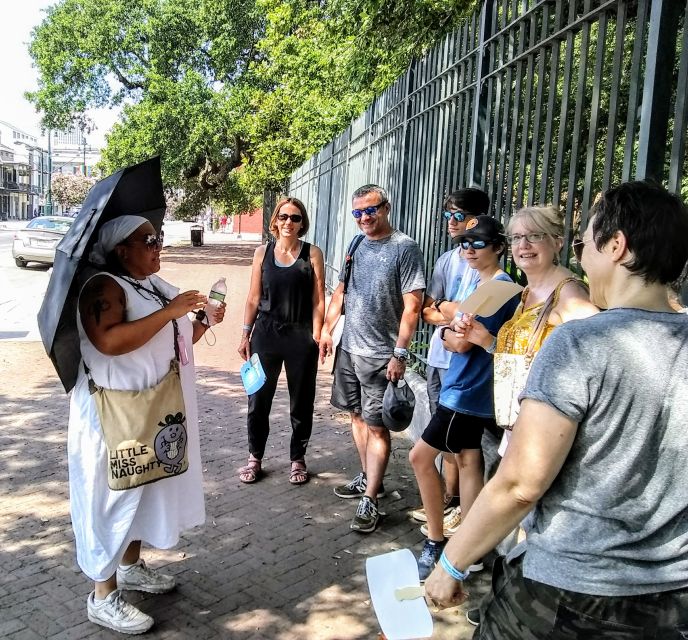
The tour includes locations from HBO’s Tremé. This can be a fun angle even if you haven’t watched every episode. Seeing filming locations turns the show’s imagery into a real street-level experience.
But the bigger value is how it helps you orient yourself. When you connect a scene to a location, your brain labels the neighborhood more accurately: this corner means X, this street carries Y. That makes your later self-guided exploring easier, especially if you want to return to Tremé for coffee, music, or a longer walk.
Modern brass bands: how the tour links past and present
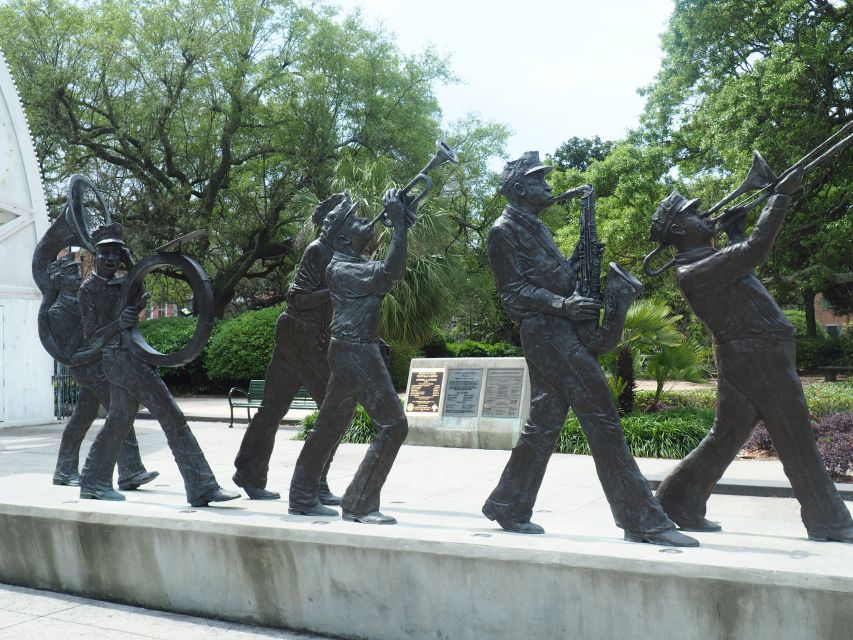
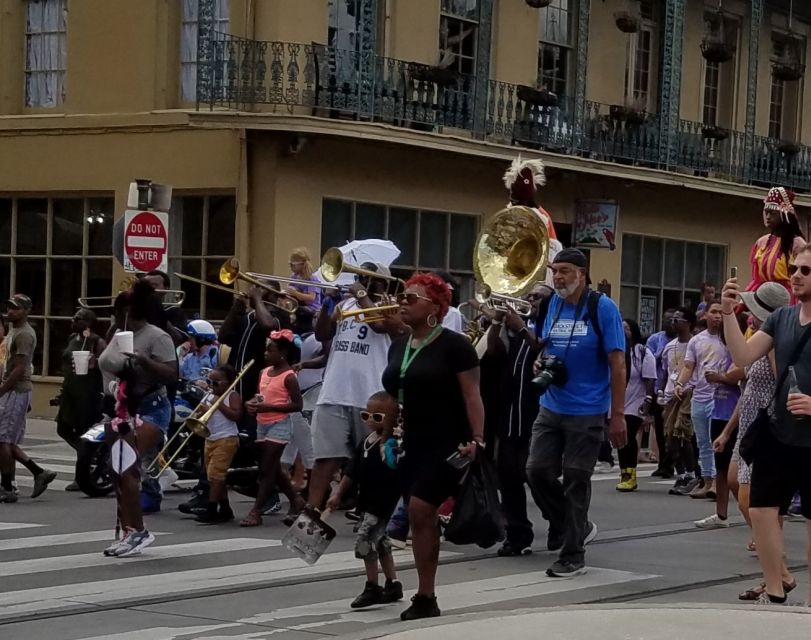
The tour doesn’t treat brass bands like nostalgia. It frames modern brass band tradition as part of the same continuum that produced early jazz. That connection is the difference between a tour that feels like a history worksheet and one that feels like a living street story.
You’ll learn about the music that shaped New Orleans, with enough context to understand why the sound stuck and how it kept evolving. If you’re the type who cares about “why this matters,” this is a good use of 105 minutes.
Guides who turn the walk into a story (not a script)
It’s hard to separate a walking tour from the person leading it. The reviews are extremely consistent on one point: the best guides make the neighborhood feel personal, and they keep it engaging.
Names that come up again and again include Nika and Erin, plus Eva, Jeremiah, Bobbie, J.J., and YahYah Universe. Guests praise them for things like:
- keeping the pace comfortable even in heat
- using humor to keep heavy topics approachable
- stopping long enough for shade or shelter when needed (including rain)
- using music selections during the tour (for at least one guide, this included Bluetooth audio)
One standout theme: guides who answer questions in a way that feels authentic. That’s valuable because Tremé history includes nuance, and you’ll get better context when your guide can explain both the story and the missing pieces.
Price and value: is $22 for 105 minutes a smart buy?
At $22 per person for about 105 minutes, this tour is priced for people who want meaningful context without spending a half-day or paying for a private car. You’re paying for a licensed local historian and a guided walking route that hits multiple meaningful stops, plus the added layer of HBO Tremé locations.
Food isn’t included, so you’re not buying a full package meal experience. But if you plan your day around this as a history-and-music anchor, you get a lot of story density for the time and money. For a first visit to New Orleans beyond the French Quarter, this feels like a strong value pick.
Who should book this Tremé African American & Creole History Tour
Book it if you:
- care about New Orleans jazz and brass bands, and want the neighborhood context
- want African American and Creole history grounded in real places
- prefer walking tours that include major landmarks, not just photo stops
- like guides who can handle questions and keep the tone human
Skip or reconsider if you:
- know you’ll struggle with an hour-plus of walking in sun (the tour recommends sun protection, and heat can be intense)
- want a food-inclusive tour (this one does not include food or beverages)
- need to travel with luggage or large bags (those aren’t allowed)
Should you book it? My honest take
I think you should book this tour if your goal is to understand New Orleans from the inside out. Tremé is one of the city’s most important neighborhoods, and a short guided walk with a licensed local historian is one of the simplest ways to get there with context.
If you’re on the fence, here’s the decision shortcut: choose this if you want music history tied to streets, landmarks, and community life. Pass if you mainly want quick sightseeing with minimal walking or if you’re only interested in the French Quarter’s highlights.
FAQ
How long is the New Orleans Tremé African American & Creole History Tour?
The tour runs for about 105 minutes.
How much does the tour cost?
It’s listed at $22 per person.
Where do I meet for the tour?
Meet at The Voodoo Lounge, 718 N. Rampart St., on the corner of N. Rampart Street and Orleans Street.
Where does the tour end?
The tour ends back at the meeting point.
What stops are included during the walk?
The tour description includes St. Augustine Church and the Tomb of the Unknown Slave, plus a laundromat that is noted for its connection to the Rock and Roll Hall of Fame.
Is food or beverages included?
No. Food and beverages are not included.
What should I bring and wear?
Wear comfortable shoes. The tour also recommends sun protection for comfort.
Is the tour wheelchair accessible?
Yes, the tour is listed as wheelchair accessible.
Can I bring luggage or large bags?
No. Luggage or large bags are not allowed.
What is the cancellation policy?
Free cancellation is available up to 24 hours in advance for a full refund.