REVIEW · NEW ORLEANS
New Orleans: Guided Nighttime Ghost Hunt
Book on GetYourGuide →Operated by New Orleans Paranormal Society · Bookable on GetYourGuide
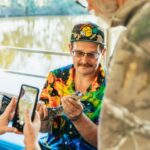
One part campfire story, one part fieldwork: this night ghost hunt in the French Quarter is hands-on. You’ll step inside two haunted properties and work with real investigation tools, not just pose for photos outside. I especially like that it mixes New Orleans history with practical ghost-hunting technique, so the spooky part has structure.
The best part for me is the equipment time. You learn how devices work and then get hands-on with tools like spirit boxes and detectors, so you’re not stuck watching from the sidelines. That makes the whole 3 hours feel active, not passive.
The main drawback to consider is that paranormal results are never promised. Even with serious gear and a pro guide, you may have quieter moments—so come for the experience and the possibility, not guaranteed proof.
In This Review
- Key Things That Make This Ghost Hunt Worth Your Night
- A 3-Hour Night of French Quarter Haunting—With Actual Tools
- Where You Start at Hotel Provincial (and Why It Matters)
- Entering the French Quarter With a Storyteller and a Plan
- Stop Inside the First Haunted Location: Evidence Mode Begins
- What you might notice during the first stop
- Stop Two: The Medium-Heavy Moment at Claudia’s
- The Equipment List: How You Turn Fear Into Data
- Spirit box and audio attempts
- EMF/EMS-style detectors
- RE pod and K2 meter
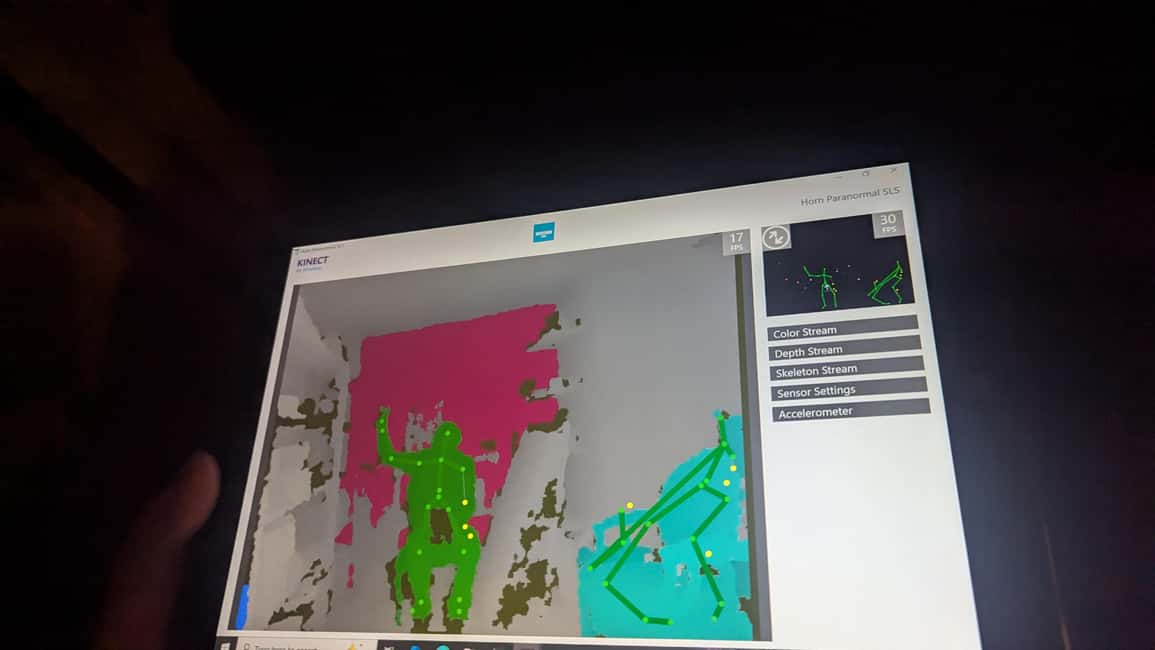
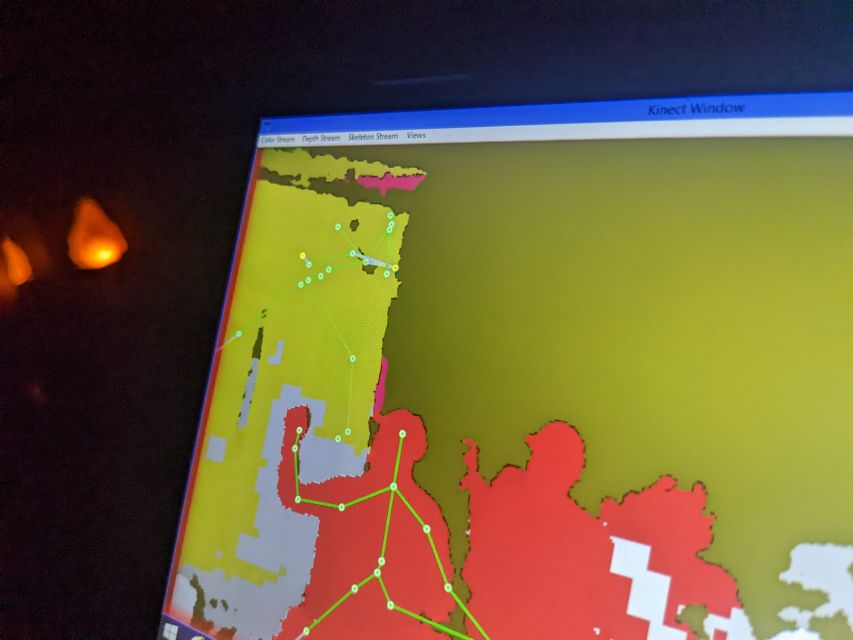
- Camera and SLS-style tries
- Devining sticks
- What About the Hauntings Themselves?
- Duration, Timing, and Group Energy
- Practical Tips So You Enjoy the Scariest Parts Safely
- Who This Tour Is For (and Who Might Want Something Else)
- Price and Value: Is $59 Worth It?
- Should You Book This New Orleans Ghost Hunt?
- FAQ
- How long is the New Orleans guided night ghost hunt?
- How much does it cost?
- How many haunted locations do you visit?
- Where do I meet my guide?
- Where does the tour end?
- What’s included in the price?
- What should I bring?
- Is the tour suitable for children?
- Does the tour run in bad weather?
- Are food and drinks included?
Key Things That Make This Ghost Hunt Worth Your Night
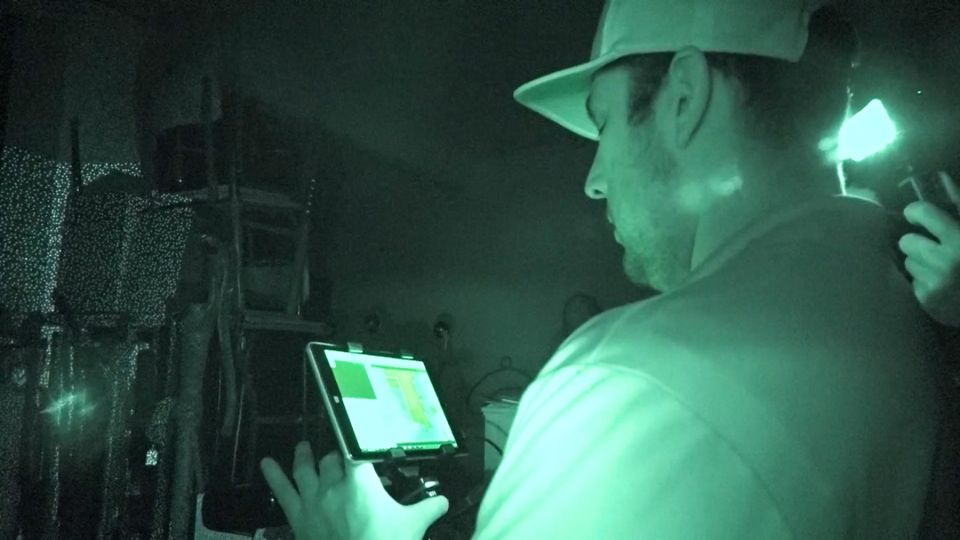
- Two inside locations in the French Quarter, so you’re not only judging haunted vibes from the sidewalk
- Real investigation gear plus instruction, including spirit-box style tools, EMF-style detectors, and camera attempts
- A guided, investigator-led format that explains what you’re doing and why you’re doing it
- Hands-on participation with multiple devices during the hunt
- A pace that mixes stories and practice, keeping the spooky side from feeling random
- A guide who manages expectations, which helps if you are skeptical going in
A 3-Hour Night of French Quarter Haunting—With Actual Tools
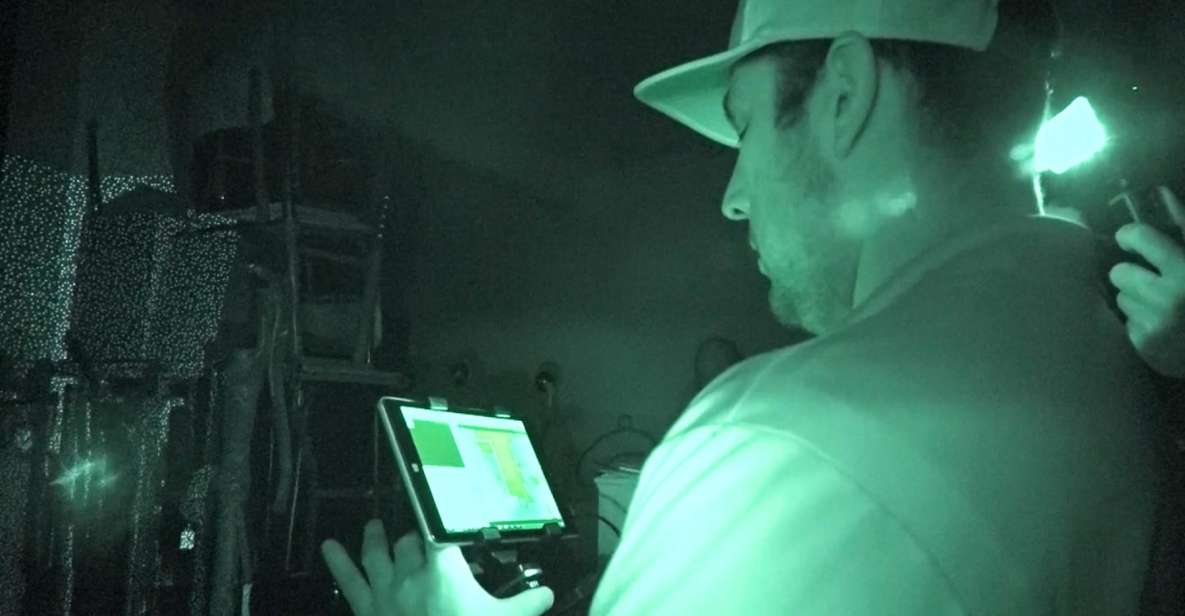
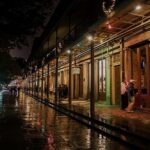
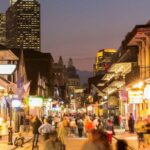
New Orleans at night has a way of turning every doorway into a question. This ghost hunt leans into that energy, but it doesn’t stop at folklore. You’re led by the New Orleans Paranormal Society, and the format is built around one goal: you’ll try to collect evidence while hearing why these places got reputations.
At $59 per person for about 3 hours, it’s not a budget “walk-and-talk” ghost tour. The value is that you’re paying for access inside haunted properties and for time with investigation equipment, not just a guide’s commentary. If you’ve done the classic ghost tours where you stand outside and hope for goosebumps, this one feels more like a workshop—just with more shadows.
You can also read our reviews of more guided tours in New Orleans



Where You Start at Hotel Provincial (and Why It Matters)
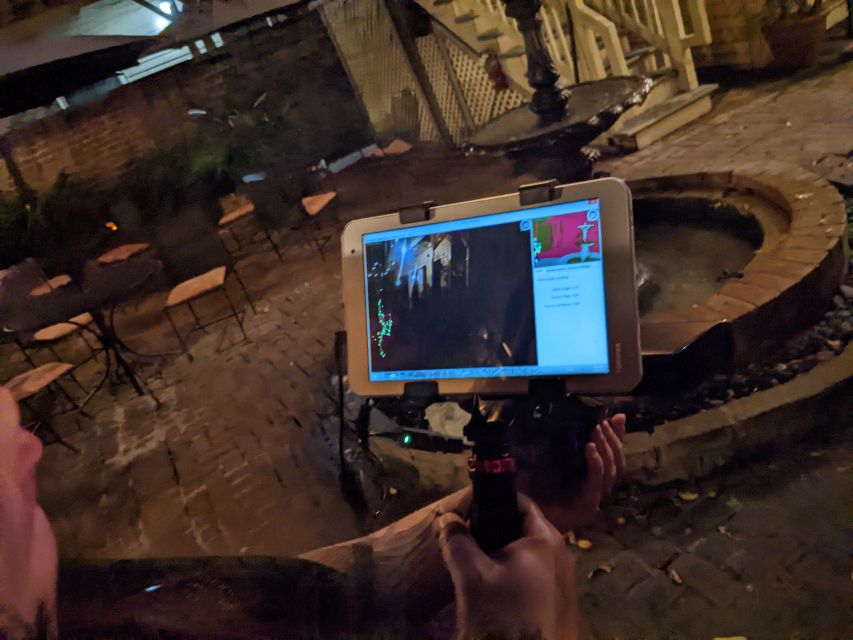
Your night begins at the Ice House Bar in the Hotel Provincial. This matters because it sets the tone before you ever reach the dark streets. You’ll meet your live English-speaking guide and get oriented for the hunt ahead.
Wear shoes that can handle French Quarter ground under pressure—comfortable sneakers are a smarter choice than anything you’d miss if you had to stand in place for a bit. You’ll also want an umbrella. The tour runs rain or shine, except for hazardous weather events or other provider-controlled issues, so getting caught without one is an easy way to ruin the mood.
Entering the French Quarter With a Storyteller and a Plan
After you start, the tour moves through the French Quarter with a guided approach. The heart of the experience is the combination of storytelling and method. You’ll hear supernatural tales connected to the buildings you’ll visit, but the guide is also there to explain how evidence-gathering works in the field.
This blend is one of the tour’s strengths. Lots of ghost tours give you a list of legends. Here, you’re given a reason to listen closely and a task to do—so the night has momentum instead of drifting.
And since the guide is leading the group as a paranormal investigator, you should expect explanations about what each tool is meant to detect and how you’ll use it during the hunt.
Stop Inside the First Haunted Location: Evidence Mode Begins
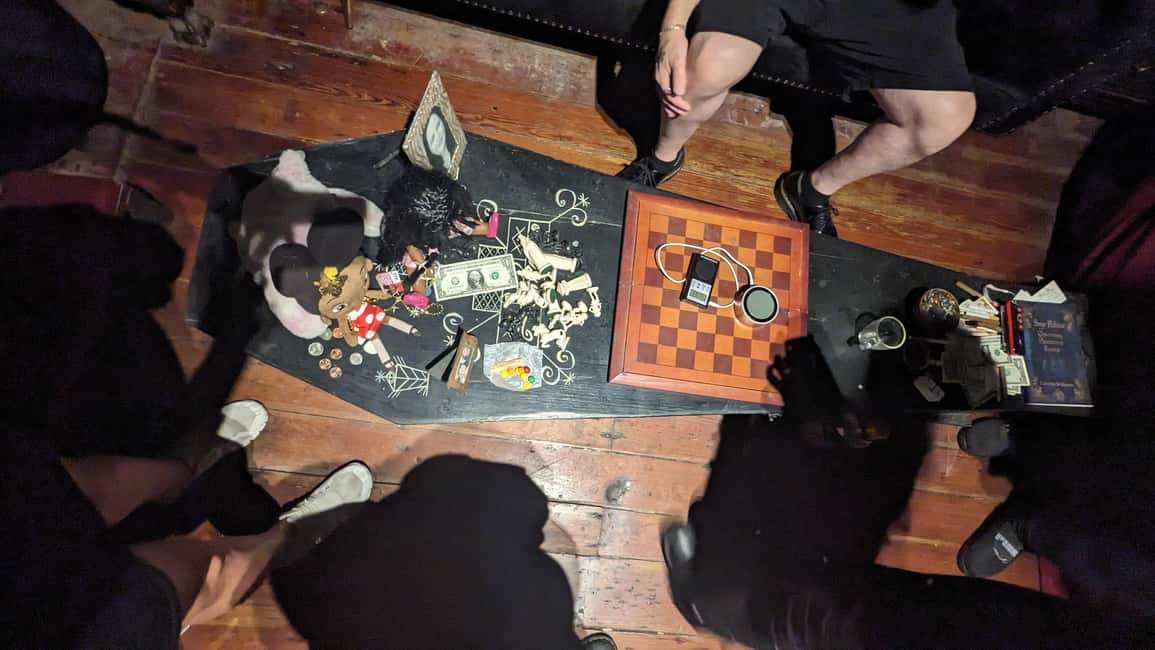
The tour takes you into two haunted buildings. At the first location, you’ll move from listening to doing. That’s when the equipment portion kicks in and the night becomes interactive.
In practice, this is where you’ll learn how to operate the devices and how to treat what you record. The tour format includes audio, video, and photo evidence attempts, but it also emphasizes that you’re trying—not forcing outcomes. You’re there to observe, capture, and compare moments.
A few specific tools named for use during the hunt include:
- Spirit box-style systems (including an SB7 spirit box)
- EMF-style detection devices (including an EMS detector)
- A RE pod
- A K2 meter
- Cameras used for SLS-style attempts (including an SLS camera)
- Devining sticks (mentioned as part of what groups try)
You’ll likely get a quick tutorial from your guide before you try the gear yourself. Several guides on different nights have been praised for teaching people how to handle the devices properly, which is important. A detector that’s misused is just another gadget. The point is to use it in a way that makes your evidence attempts meaningful.
What you might notice during the first stop
The first building can feel like a warm-up. Some groups report more action at the second location, which is why I like that the tour doesn’t treat every moment as a guaranteed climax. You still learn the tools and the environment. You’re still gathering attempts.




Stop Two: The Medium-Heavy Moment at Claudia’s
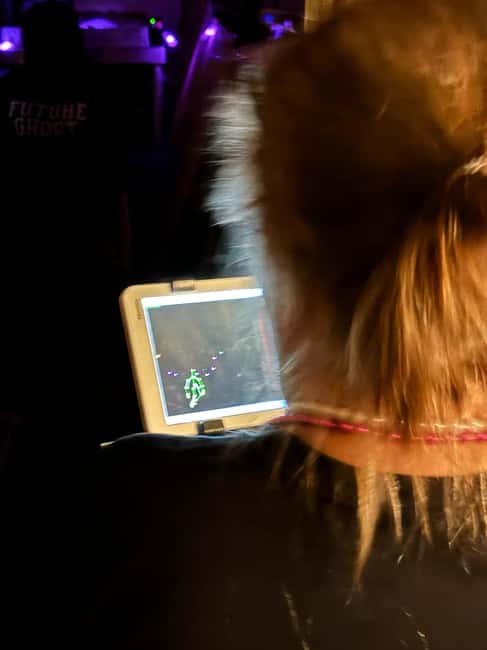
The second haunted stop is often where the energy spikes. One location name that comes up is Claudia’s, described as a smaller space where mediums allow people in after hours. That setup alone gives the second stop a different feel: less wandering, more focus.
During the hunt at this location, you may spend more time trying to communicate through devices like the spirit box and listening closely while wearing headphones for certain attempts. Some experiences described include groups connecting with spirits and hearing voices that participants linked to loved ones. In one story tied to the spirit box, an interaction included people reporting an I love you message.
Now, here’s the careful part. None of that means you should expect the same outcome. The better way to approach it is to go in ready to record and compare, while staying open to what happens. Even the guides are described as realistic about whether you’ll find activity on a given night.
That realism is valuable. If you’re skeptical, it lowers the pressure. If you’re a believer, it keeps the experience respectful and grounded rather than hype-driven.
The Equipment List: How You Turn Fear Into Data
This tour is designed so you don’t just watch the paranormal. You operate the tools yourself. That is a huge difference from most city ghost tours.
Here’s what you should know about the equipment side, based on what’s used and how groups experience it:
Spirit box and audio attempts
Spirit boxes are often the headline tool because they involve listening for responses. You might use headsets, depending on the attempt. The guide should explain what you’re hearing and what to do if the results feel unclear.
EMF/EMS-style detectors
These are the tools most people understand as “measurements.” You’re looking for changes rather than instant answers. That means you’ll likely be asked to watch what the device does during specific moments, and then discuss it with the group.
RE pod and K2 meter
These tools add another layer of signal attempts. The K2 meter in particular is often used in ghost-hunting culture as a quick indicator tool, while the RE pod can play a role in how the guide runs the session.
Camera and SLS-style tries
A camera attempt gives you visual evidence tries. Even if nothing obvious shows up later, the value is learning how and when the guide triggers and positions equipment.
Devining sticks
Devining sticks are different from detectors. They’re motion-based tools that people use for response attempts. If your group is curious, this is usually a memorable part because it’s physical and collaborative.
The biggest practical takeaway: go in expecting instruction and method, not just spooky theatre. The tour’s format is built around hands-on learning, and the guides who do well here teach you how to use the tools so you can participate more confidently.
What About the Hauntings Themselves?
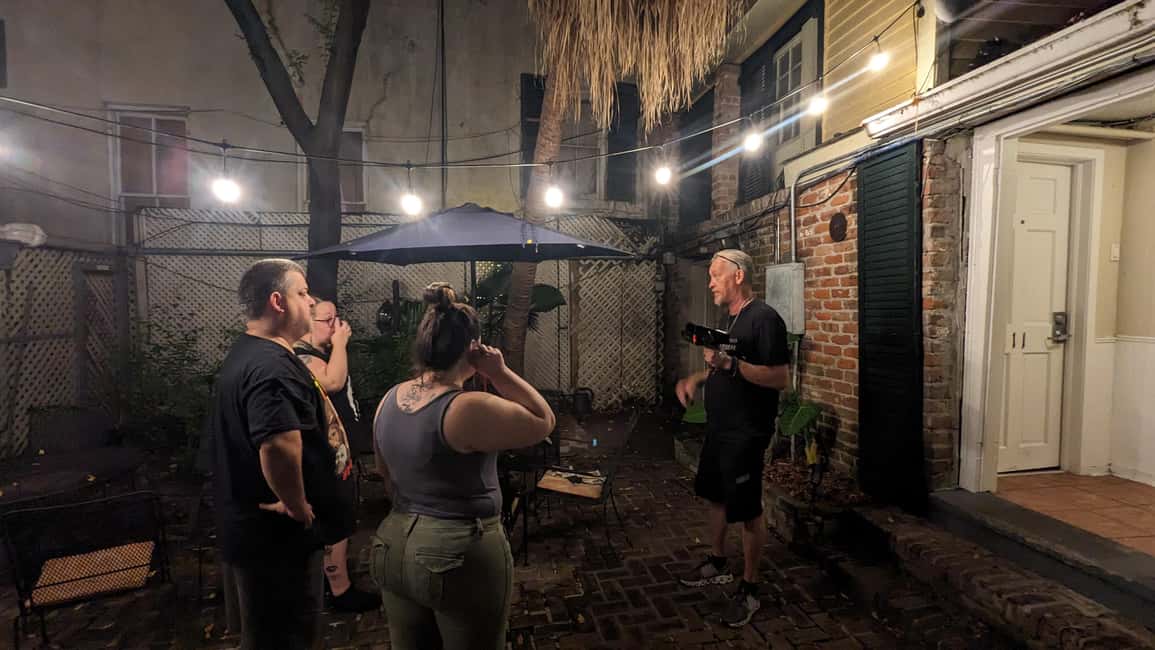
New Orleans is often described as one of America’s most haunted cities, and this tour leans into that belief system. But it doesn’t ask you to pick a side. It asks you to participate in the process: step inside, listen, and capture evidence attempts.
That’s the balance I appreciate most. If you love paranormal stories, you get those. If you prefer a more grounded approach, you still get to test tools and compare results from within the rooms themselves.
Duration, Timing, and Group Energy
The tour runs about 3 hours. For many people, that’s perfect. Long enough to cover two locations and learn the gear. Short enough that you’re not exhausted before the second stop.
Because the night is interactive, group energy matters. You’ll want to be ready to move through spaces and follow guide instructions. Keep your attention on the equipment demos and the timing cues. That’s when you’ll get the most out of the hands-on style.
Also, you’ll be standing and walking more at night than you might expect. Bring water. You’re in a city where a hydration break can feel like a life hack, not an inconvenience.
Practical Tips So You Enjoy the Scariest Parts Safely
This tour runs rain or shine, with exceptions for hazardous weather or circumstances beyond the provider’s control. That means your comfort planning matters.
Pack this:
- Passport or ID card
- Comfortable shoes for walking and standing
- Umbrella
- Water
A few smart habits:
- Keep your phone charged. Even if the tour provides gear for evidence attempts, you still want your own device ready.
- Dress for the weather. Night air plus walking plus waiting is how chills turn into crankiness.
- Be respectful inside the buildings. Even if you’re there for paranormal curiosity, you’re still a visitor in private, unusual spaces.
If you have mobility issues, the tour is wheelchair accessible, but the tour info advises you should call before booking if mobility affects your participation.
Who This Tour Is For (and Who Might Want Something Else)
This ghost hunt fits best if you want more than a ghost story slideshow. I think it’s ideal for:
- People who like interactive tours and hands-on learning
- Anyone curious about spirit box and EMF-style tools
- Couples and small groups who want shared moments and equipment time
- Visitors who want French Quarter night energy with structure
It may be less ideal if you want guaranteed paranormal proof. Evidence attempts don’t equal certainty. The guide can be realistic about that, and the format is built for participation, not promises.
It also has age rules. All participants must be 18 or older unless accompanied by an adult. Unaccompanied minors aren’t allowed. The tour also notes it’s not suitable for children under 8.
Price and Value: Is $59 Worth It?
For $59, you’re paying for three big things:
- Two inside locations in the French Quarter
- A live guide who leads the hunt and teaches the method
- Investigation gear included, plus time to learn and handle it
If you’re the type who likes classic “stand outside and listen” ghost tours, this may feel like a higher price. But if you’re comparing apples to apples with other interactive experiences, the included equipment time makes the cost easier to justify.
Value here isn’t about a guarantee of activity. Value is about being part of the process—using tools, asking questions, and capturing your own evidence attempts in the locations you enter.
Should You Book This New Orleans Ghost Hunt?
Yes, if you want a hands-on ghost hunt with two inside stops and real investigation gear. This tour is a good choice when you like the idea of collecting audio, video, and photo evidence attempts while a guide explains how to use the tools.
Book it if you’re curious but also practical. The guides are described as professional and good at teaching equipment use, and that matters because it turns curiosity into participation.
Skip it if you need certainty. You might have quiet moments, and that doesn’t mean the tour fails—it means you’re doing fieldwork where outcomes vary.
FAQ
How long is the New Orleans guided night ghost hunt?
It lasts about 3 hours.
How much does it cost?
The price listed is $59 per person.
How many haunted locations do you visit?
You visit 2 haunted locations.
Where do I meet my guide?
You meet your guide at the Ice House Bar at the Hotel Provincial.
Where does the tour end?
The activity ends at 700 Chartres St.
What’s included in the price?
Your tour guide is included, along with use of investigation gear.
What should I bring?
Bring a passport or ID card, comfortable shoes, an umbrella, and water.
Is the tour suitable for children?
It’s not allowed for unaccompanied minors. Participants must be 18+ unless accompanied by an adult, and it’s not suitable for children under 8.
Does the tour run in bad weather?
It runs rain or shine, except for hazardous weather events or other circumstances beyond the provider’s control.
Are food and drinks included?
No. Food and drinks are not included.