REVIEW · NEW ORLEANS
New Orleans French Quarter Walking and History Tour
Book on Viator →Operated by Historic New Orleans Tours · Bookable on Viator
Two miles in the French Quarter teach a lot. This tour ties together New Orleans history and the real places behind it, from the Mississippi levees to literary landmarks you’d miss on your own. You’ll move at a leisurely pace in a small group, with your guide turning street corners into stories.
What I like most is the small-group feel (max 9), which keeps the pacing easy and makes it simple to ask questions. I also love how the tour blends big-picture New Orleans facts with pop-culture touchpoints, so you end up seeing the French Quarter with fresh eyes. One trade-off: it’s still a 2-mile walk, mostly outdoors, so comfortable shoes and weather flexibility matter.
In This Review
- Key things you’ll notice on this French Quarter tour
- How this 2-hour French Quarter walk helps first-timers get their bearings
- Meeting at Cafe Beignet on Royal Street: a good start for a hungry city
- Musical Legends Park and the Mississippi levee story that changes everything
- French Market: the oldest open-air market feel, plus a legend to match
- Jackson Square and the Cabildo area: where the French Quarter’s core story lives
- St. Louis Cathedral inside: the 1788 fire is the plot twist
- Pirate’s Alley, placage, and the darker threads you can’t ignore
- Old Ursuline Convent Museum: early colonization, seen without the crowds
- The guides make it: Dave, Davi Higgins, and the art of keeping it fun
- Walking tips that actually help (and why this tour rewards good shoes)
- Value check: is $29 fair for two hours of French Quarter story?
- Should you book this French Quarter Walking and History Tour?
- FAQ
- How long is the New Orleans French Quarter Walking and History Tour?
- Where does the tour start and where does it end?
- How much walking should I expect?
- What language is the tour offered in?
- What’s included in the price?
- Are there any admission costs for the main stops?
- What if the weather is bad?
Key things you’ll notice on this French Quarter tour
- Musical Legends Park start: you begin with the Mississippi story before you hit the postcard spots
- Levee system explained on the ground: swamp-to-farmland context that makes the whole city click
- French Market + Jackson Square together: two key stops that anchor the neighborhood’s rhythm
- St. Louis Cathedral inside + the 1788 fire: architecture lessons tied to a specific turning point
- Pirate’s Alley and placage: Creole courtship history covered in the actual setting
- Literary New Orleans stops: Tennessee Williams and William Faulkner locations on your route
How this 2-hour French Quarter walk helps first-timers get their bearings
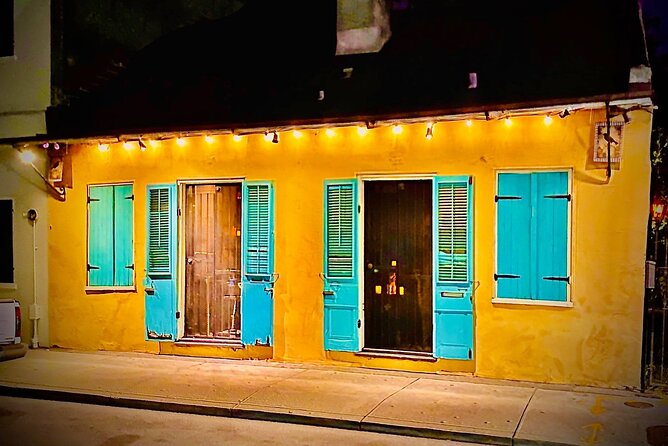
If you’re new to New Orleans, the French Quarter can feel like sensory overload: music, balconies, crowds, and nonstop photo ops. This tour helps you sort it out fast. You get a clear route, a steady explanation, and enough stops that you’re not just marching from one landmark to the next.
The timing works well, too. The tour runs about 2 hours, and you cover roughly a 2-mile walk at a leisurely pace. That makes it a smart first-day activity, or a “reset” activity if you’ve already wandered around on your own and want the history to connect the dots.
It’s also a practical size. With a group capped at 9 travelers, you’re not stuck at the back trying to hear over everyone else. You’re close enough to actually follow the guide’s rhythm and questions.
You can also read our reviews of more walking tours in New Orleans



Meeting at Cafe Beignet on Royal Street: a good start for a hungry city

You meet at Cafe Beignet on Royal Street (334 Royal St). It’s a convenient starting point because you’re already in the thick of the French Quarter, and it’s easy to find before the tour begins.
I’d suggest arriving a few minutes early if you can. One reason: Cafe Beignet is right where you’re supposed to start, and it’s a solid way to fuel up before your walking portion. Plus, it keeps you from starting flustered if the Quarter is busy.
You’ll also get a mobile ticket, so you don’t need to hunt down paper instructions. Just have your phone ready and be looking for your guide and group.
Musical Legends Park and the Mississippi levee story that changes everything
The tour begins at Musical Legends Park, and that choice matters. Instead of starting with the most famous buildings, you start with why this place could even exist the way it does.
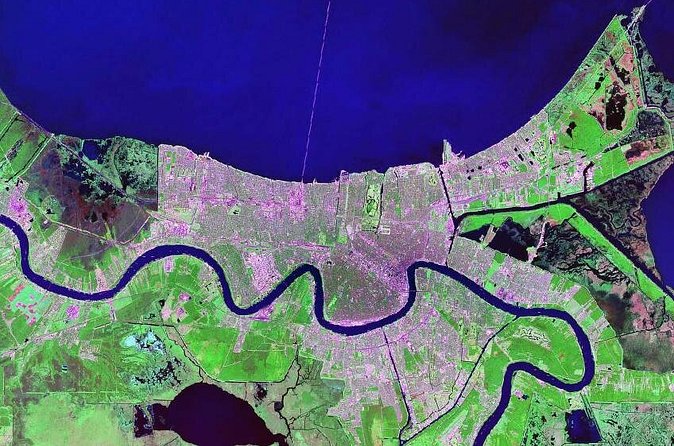
From there, your guide leads you toward the Mississippi Riverbank and explains the levee system. The core idea is simple: levees turned sea-level swampland into livable, buildable space—land that could support agriculture and settlement. Once you hear that, you start understanding why New Orleans grew the way it did and why so much of the city’s layout and risk planning revolve around water.
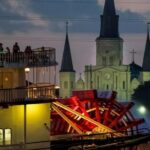
You’ll also get real “you’re here” visuals along the way, including views of paddlewheel steamboats drifting on the river. It’s a nice break from the street-level chaos because you’re seeing the Quarter’s river connection early, not as an afterthought.
This first stretch is short, but it sets the tone: the tour isn’t only about pretty buildings. It’s about the forces behind them.
French Market: the oldest open-air market feel, plus a legend to match
Next comes the French Market. This is one of those stops that’s easy to walk past on your own, especially if you’re focused on photos. On the tour, it gets context.
Your guide points out that it’s the oldest open-air market in the U.S., and you’ll hear the legend that the site once served as a Native American bartering market. Even if you treat that as a story layer rather than a strict timeline, it adds meaning to what you’re looking at now.
You get a quick window through the stalls—enough to browse produce, fish, and Creole-style food without feeling dragged. If you’re hungry, this is also a good moment to think about snacks, because the tour itself doesn’t include food.
Tip for you: keep your priorities straight here. The market can tempt you with tastes and souvenirs, but it’s still a walking tour. If you stop to snack, keep it quick so you don’t fall behind the group.
Jackson Square and the Cabildo area: where the French Quarter’s core story lives
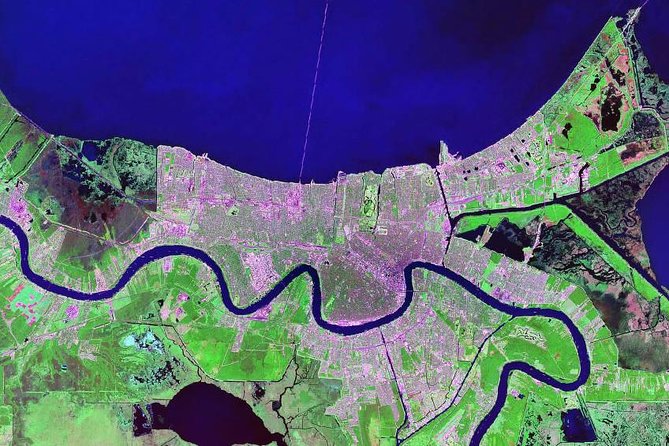
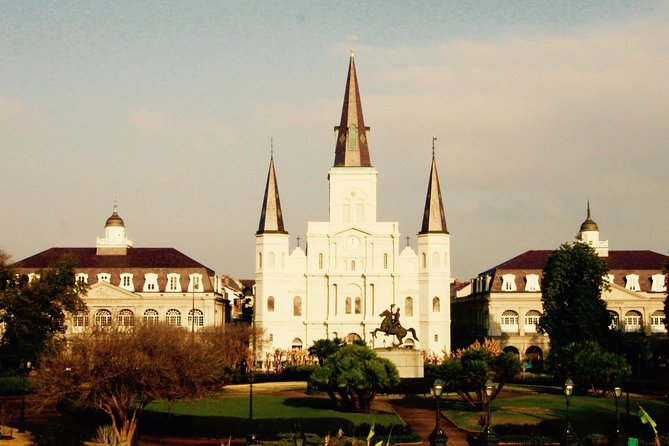
Jackson Square is the French Quarter’s center of gravity, and the tour uses it well. You move to the heart of the Quarter where the original Place d’Armes once stood, and you’ll learn how it became an honorary landmark tied to Andrew Jackson.
You’ll also pass by big-name neighbors around the square, including the Louisiana buildings that many first-time visitors recognize but don’t fully understand. Two examples you’ll hear called out:
- Cabildo, built between 1795 and 1799, which once housed the center of government in New Orleans
- Presbytere, built in 1791 to match the Cabildo, with museum exhibits that focus on resilience and celebration
Your route also notes the Pontalba Apartments, described as the oldest apartment buildings in the United States. Even if you’ve seen them in photos, seeing them on foot gives you scale and street-level context.
How it feels on the ground: you’ll have a brief, focused stop here. That’s good if you want direction and story. It can feel short if you like long museum reading or extended sitting time.
You can also read our reviews of more historical tours in New Orleans





St. Louis Cathedral inside: the 1788 fire is the plot twist
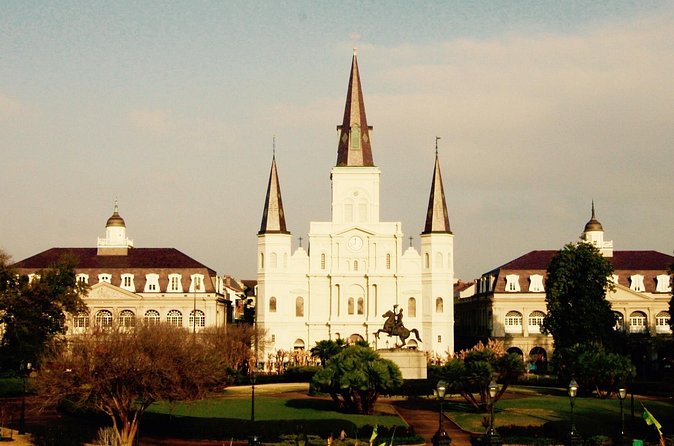
One of the best moments is the stop at St. Louis Cathedral, because you don’t just view it from the outside. Your guide takes you inside, and you’ll learn about where the Great New Orleans Fire of 1788 started.
The story ties the fire to what happened next: rebuilding that helped define the classic architectural look associated with the French Quarter today. So instead of memorizing dates, you get a cause-and-effect explanation. That makes the buildings feel less random and more intentional.
This stop is also a good ear-opener. With your guide explaining the fire’s start point while you’re standing near the cathedral area, you start noticing how the French Quarter’s architecture reads like a “memory system”—layers built after damage, decisions, and priorities.
Time-wise, it’s long enough to feel like a true feature stop, but short enough to keep the tour’s pace moving.
Pirate’s Alley, placage, and the darker threads you can’t ignore

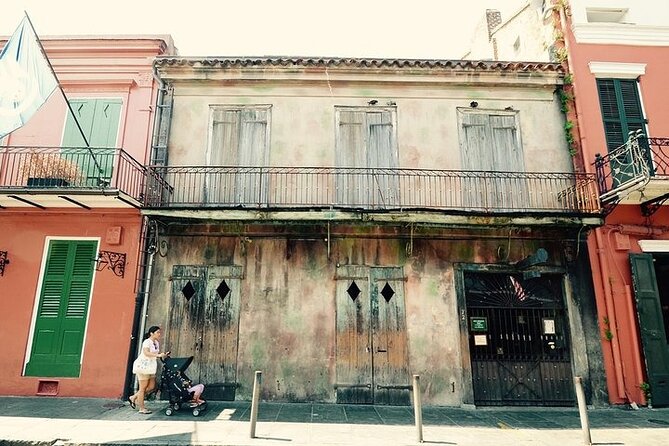
Pirate’s Alley is where the tour shifts from famous landmarks to social history. You’ll step into a lush courtyard and hear about the complexities of Creole society and slavery in South Louisiana. That’s not surface storytelling—it’s the kind of topic your guide handles with care and direct explanations.
One key term you’ll hear is placage, described here as a system tied to the lives of Creole mistresses. Your guide also points you toward the balcony of the former Quadroon Ballroom and explains what happened there and why it mattered.
This is also where literary and film-related stops show up more clearly. Your guide points out a building where Tennessee Williams wrote A Streetcar Named Desire, and you’ll hear about William Faulkner’s connection through his home. As you walk, you may also catch street musicians playing nearby, which adds atmosphere without stealing focus.
There’s even room for local legend—your guide recounts stories about prison escapes and dueling. I like that mix because it reflects how New Orleans history often travels: through official accounts and through street memory, side by side.
Important consideration for you: this portion touches serious subjects, including slavery. If you prefer tours that keep things light, this might not be your favorite stretch. If you want the full picture, it’s one of the most memorable stops.
Old Ursuline Convent Museum: early colonization, seen without the crowds
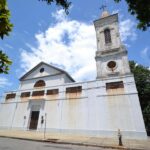
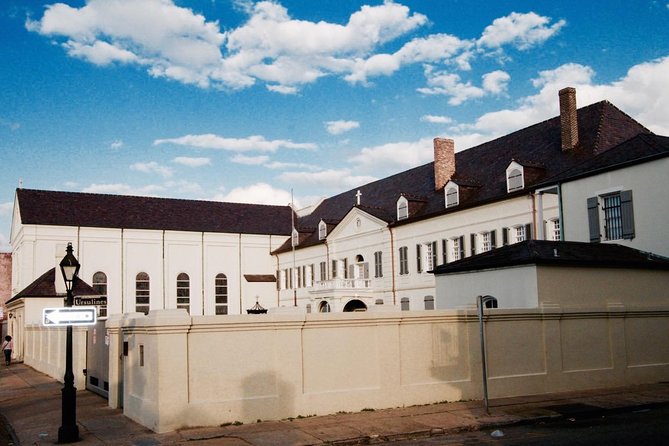
The last major story stop is the Old Ursuline Convent Museum area. You’ll stand outside the Ursuline Convent, noted as the oldest building in the Mississippi River valley.
This stop feels more grounded than the square, because you’re focused on colonization-era origins and what the building represents. It’s less about grand views and more about how early New Orleans took shape and how institutions formed alongside the city’s growth.
Time here is short, but it works as a closing chapter. By the end, you’ve heard about water control, markets, civic spaces, fire and rebuilding, and the social systems behind the streets. Seeing the convent building at the end helps you connect the Quarter’s later reputation back to the earlier settlement reality.
The guides make it: Dave, Davi Higgins, and the art of keeping it fun
What sets this tour apart is the guide style. The group-size limit helps, but the real difference is how the guide turns the walk into conversation.
I’ve seen examples of guides bringing different personalities. One guide, Davi Higgins, has been described as a musician and stand-up comedian, and the effect is clear: you get entertainment plus structure, with an easy rhythm that helps you remember details. Another guide, Dave Roberts, gets praised for loving his hometown and sharing insider viewpoints. There’s also a guide named Dave who’s noted for being passionate and engaging, including connecting points for adults and kids.
Across these guide styles, the common thread is pace and clarity. When the explanation is well timed, you don’t feel rushed between stops, and you get little pauses built into the route so you can reset.
You also get a strong sense of safety and comfort. With a guide shepherding you through crowded areas and explaining what to watch for, you can relax into the walk rather than constantly scanning for where you’re supposed to be.
Walking tips that actually help (and why this tour rewards good shoes)
This is a city-walk tour, not a bus tour. You’ll cover about 2 miles (3.2 km) at a leisurely pace, and you’ll do it mostly outdoors.
So for your day:
- wear comfortable shoes you trust on uneven pavement
- plan to stay flexible with weather since the experience requires good weather
- don’t over-schedule right before or right after, since you’ll want time to keep enjoying the area afterward
One practical bonus: the tour ends near the Jackson Square area, so you can transition into exploring nearby shops, galleries, or cafés without needing extra transportation.
And if you’re the type who likes to take photos, this is a good route for it—just remember that the real value comes from hearing the story while you’re in the exact spot.
Value check: is $29 fair for two hours of French Quarter story?
At $29 per person, this tour is priced like a budget-friendly introduction, and it earns that price. You’re getting a local guide for about 2 hours, a structured route across major French Quarter landmarks, and a small-group format that makes it easier to hear and ask questions.
Another value point is that key stops don’t require you to pay extra for entry during the tour. Museum and admission notes are listed as free for the main features, including the cathedral visit and the museum stops around Jackson Square. That’s a big deal because French Quarter prices can add up fast.
What’s not included is food and drinks, so if you want snacks, plan on buying them yourself. You might also want to budget a small amount for any market browsing or souvenirs, since the French Market stop is designed for you to walk through stalls.
Overall, I think the pricing works best if you want direction and context rather than a “see everything” checklist.
Should you book this French Quarter Walking and History Tour?
I’d recommend booking if you:
- are in the French Quarter for a short time and want a smart first pass
- like history tied to real places, including architecture and major events like the 1788 fire
- enjoy literary connections and want to see where Tennessee Williams and William Faulkner fit into the city’s geography
- appreciate a small-group pace and a guide who jokes, answers questions, and keeps you on track
I’d pause before booking if you:
- don’t want to walk about 2 miles
- prefer food-focused tours over story-heavy tours
- dislike tours that include difficult topics like slavery and Creole social systems
If you’re planning your day, this tour is also a strong “anchor.” You’ll leave with names, dates, and street-level meaning, which makes everything you do afterward—whether it’s museums, music, or late-night wandering—feel more intentional.
FAQ
How long is the New Orleans French Quarter Walking and History Tour?
It’s about 2 hours.
Where does the tour start and where does it end?
The tour starts at Cafe Beignet, 334 Royal St, New Orleans, LA 70130. It ends near Jackson Square in the middle of the French Quarter.
How much walking should I expect?
Expect a leisurely pace walk of about 2 miles (3.2 km).
What language is the tour offered in?
The tour is offered in English.
What’s included in the price?
The local guide is included.
Are there any admission costs for the main stops?
Admission tickets for the listed stops are marked as free during the tour, including the cathedral and the museum sites noted along the route.
What if the weather is bad?
This experience requires good weather. If it’s canceled due to poor weather, you’ll be offered a different date or a full refund.