REVIEW · NEW ORLEANS
New Orleans African American Heritage Walking Tour
Book on Viator →Operated by Universal Tour Group USA · Bookable on Viator
Two hours can change how you see a city. This walking tour traces the African roots of New Orleans culture, starting at Square Congo. You’ll connect the forced arrivals of enslaved Africans in the 1700s to what still shows up today in food, music, religion, and even architecture.
I especially love how the tour zooms in on specific places—not just big general facts. And I like that the story is anchored to the Square Congo / Armstrong Park area and then carried into the French Quarter through traditions like voodoo, dance, jazz, Creole food, and architecture.
One thing to keep in mind: this is history on foot, so it’s not a sit-and-sip style tour. If you want light, purely scenic sightseeing, the subject matter may feel heavy—but it’s handled in a way that helps it make sense.
In This Review
- Key things to know before you go
- Why Congo Square and the French Quarter fit in one tour
- The big story in plain terms: arrival, survival, and cultural persistence
- Stop 1: Congo Square at Armstrong Park (45 minutes)
- Stop 2: the French Quarter walk tied to voodoo, jazz, Creole food, and architecture
- Your guide is part of the value (and you’ll feel that on the walk)
- Timing, group size, and how to prepare
- Price check: is $29 worth it for this New Orleans walk?
- Who this tour fits best (and who might want a different option)
- Should you book this New Orleans African American Heritage Walking Tour?
- FAQ
- How long is the New Orleans African American Heritage Walking Tour?
- What is the meeting point for the tour?
- What time does the tour start?
- How much does the tour cost?
- Is admission included for Congo Square and the French Quarter portion?
- Is a mobile ticket used?
- Is it okay for people with service animals?
Key things to know before you go
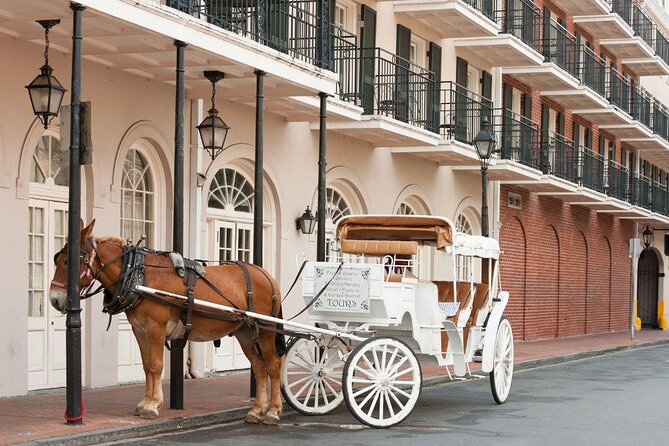
- Square Congo at Armstrong Park: where enslaved people gathered to trade, dance, and socialize in Faubourg Treme.
- A clear timeline starting in 1719: forced removal from Senegambia, Middle Passage survival, and later Spanish-era arrivals from Benin and Congo.
- French Quarter walk with cultural links: voodoo, dance, jazz, Creole food, and architecture are tied to African cultural persistence.
- Small group feel: capped at 30 travelers, so questions can actually land.
- Free on-site admissions for both stops: Congo Square time is ticket-free, and the second stop has no separate admission cost.
- Local guides with real personality: guides like Keynin, Mika/Meka, and Keenan show up in feedback for their energy and context.
Why Congo Square and the French Quarter fit in one tour
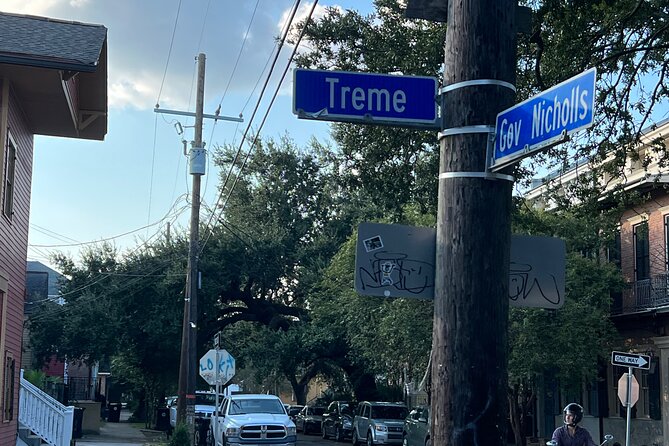
New Orleans is a city of layers. The smart move is to connect the “picture postcard” French Quarter with the communities that shaped it from the start. This tour does that by beginning at the Square Congo area in Faubourg Treme and then walking into the French Quarter with a theme: African culture didn’t disappear—it changed form and kept influencing daily life.
It’s also a tour with a strong sense of direction. Instead of random photo stops, you get a human story with geography attached. That makes the walk feel like you’re following a trail, not just wandering.
You can also read our reviews of more walking tours in New Orleans


The big story in plain terms: arrival, survival, and cultural persistence
The tour’s starting point is 1719. That’s when people of African ancestry first arrived in New Orleans only about a year after the city was established—following forced removal from the Senegambia region of West Africa.
Then comes the next historical beat: the Middle Passage. During the 1720s, roughly five thousand Africans survived the journey to French Louisiana. Later, in the 1780s, another similarly sized group arrived brought by the Spanish, this time from Benin and Congo regions.
And here’s the part that changes how you think about the city: enslaved Africans of the colonial era didn’t just endure. The tour describes how they cleared forests, raised crops, and built the city’s infrastructure. In other words, the foundation of New Orleans was shaped by forced labor—while African culture persisted alongside it.
The tour also frames persistence in everyday things you can recognize. It specifically calls out influence across food, music, religion, and architecture. So when you walk and see street life, you’re not guessing what it all means—you’re learning the why.
Stop 1: Congo Square at Armstrong Park (45 minutes)
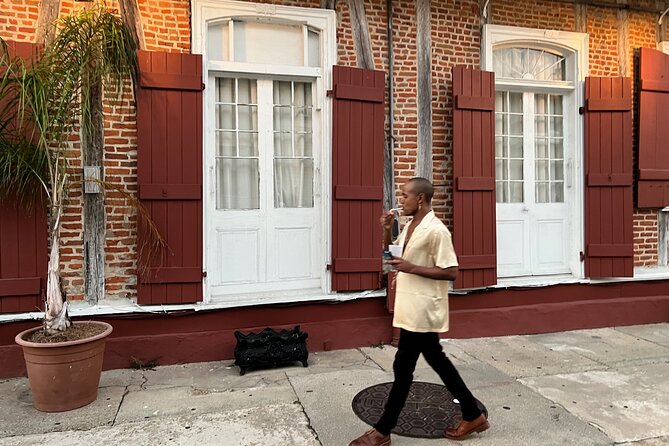
Your walk begins at 401 Decatur St at 4:00 pm. From there, the first stop is Square Congo, now part of Armstrong Park at the edge of the French Quarter in Faubourg Treme.
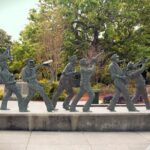
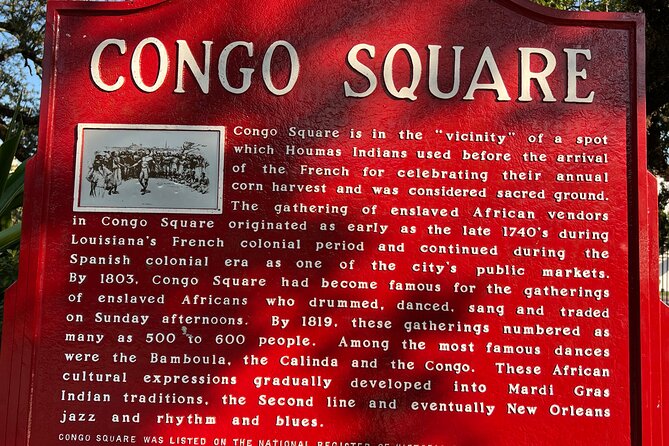
This is the anchor stop for the whole experience. Square Congo is presented as a gathering place where hundreds of enslaved people and laborers congregated. The tour highlights what those gatherings looked like: trade, music, dance, and social life.
That matters because it reframes what people often think of when they hear slavery. Yes, the system was brutal. But the people still carved out spaces for community and cultural expression. You’re seeing history that wasn’t only about suffering—it was also about continuity and creativity.
Practical note: you get about 45 minutes here. That’s enough time to take in the mood of the area and listen without feeling rushed. And since the admission at this stop is ticket-free, you’re not juggling extra costs or time.
Stop 2: the French Quarter walk tied to voodoo, jazz, Creole food, and architecture
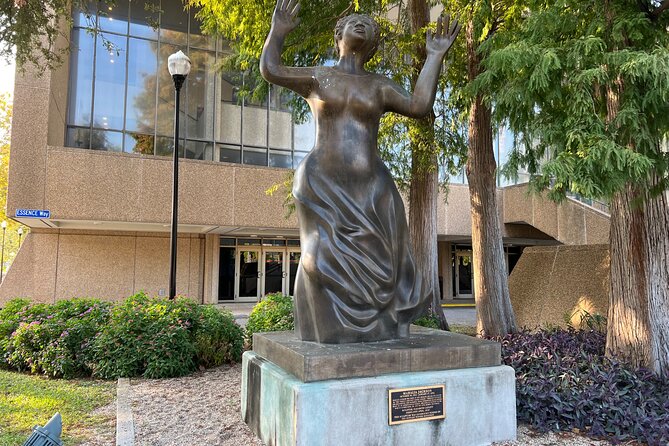
After Square Congo, you’ll walk into the French Quarter with a theme: African American culture and history in the city’s streetscape.
This second portion is about 1 hour 15 minutes, and it’s structured around connections you may not notice on your own. The tour says you’ll learn about traditions of voodoo, dance, jazz music, Creole food, and architecture—and how these traditions reflect African cultural persistence.
What I like about this approach is that it helps you connect dots fast. You’ll start to see the French Quarter as more than an entertainment district. You’ll understand it as a place where cultural memory survived and evolved, even under harsh conditions.
Also, the tour isn’t limited to the busiest blocks only. The starting point is in Faubourg Treme, and the learning theme keeps pulling you toward neighborhood context rather than just landmark photos. It’s one of those tours where the walking itself becomes part of the lesson.
Your guide is part of the value (and you’ll feel that on the walk)
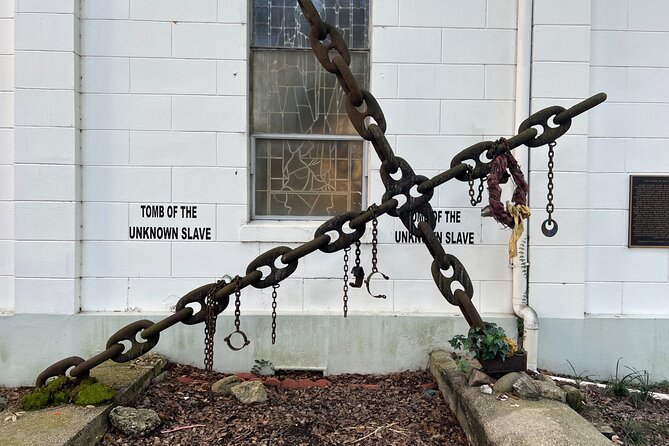
This tour includes a tour guide, and that’s the real engine behind the experience. At $29 per person for about 2 hours, you’re paying mainly for interpretation—someone to connect the dots between 1719, the Middle Passage, later Spanish-era arrivals, and the cultural influences you can still spot in New Orleans today.
From the guide names mentioned in feedback, you’ll likely meet a local who knows the community and can point out details you might skip. Guides such as Keynin, Mika/Meka, and Keenan show up repeatedly in the kind of comments that matter: passion, strong context, and the ability to answer questions without making the walk stiff.
One review note that’s worth taking seriously for your expectations: some guides are described as balancing seriousness with an engaging, relaxed conversation. That’s ideal for a topic this weighty. You get the facts, but you don’t get stuck in a lecture.
One potential drawback you should plan around: tipping expectations can be a touchy topic in any small-guided experience. Since tips aren’t included in the tour price, it’s smart to decide in advance what feels fair to you. Go in with your plan, so you’re not caught off guard by any awkward moment.
You can also read our reviews of more historical tours in New Orleans


Timing, group size, and how to prepare
The tour starts at 4:00 pm and runs about 2 hours. Late afternoon can be a nice sweet spot in New Orleans because you’re away from midday heat, but you still get enough evening light to take photos. Still, since the walk happens in outdoor areas, dress for comfort and wear shoes you trust.
Group size is capped at 30 travelers. That’s large enough to build energy, small enough that you can usually ask questions. It’s also why guide personality matters here: you’ll experience the tour as a shared walk, not a silent headset tour.
You also get a mobile ticket, which makes last-minute logistics easier. Since confirmation is received at booking time, you’re set up in advance without needing printouts.
Food and drink aren’t included. That’s normal for a 2-hour walking tour, but it changes what you should do before you go. If you’re hungry, eat first. If you’re thirsty, bring what you need for the walk.
Price check: is $29 worth it for this New Orleans walk?
Let’s do the math in a way that actually helps. At $29 per person for about 2 hours, you’re paying for a guided history route with interpretation at two main stops. The tour info also indicates admission is ticket-free for the Congo Square portion, and the French Quarter stop doesn’t add admission cost.
So your money mostly goes to:
- a human guide (the lesson part),
- a structured route (so you don’t have to figure it out alone),
- and time with a focused theme that connects past and present.
Is it a full-day museum experience? No. You only have two hours, so you won’t cover every detail of New Orleans African American heritage. But you will walk away with a clearer framework—especially if you’ve ever felt like the French Quarter story is missing big chapters.
For me, the best value signal is that the stops aren’t random. Square Congo is a specific starting point, and the French Quarter portion keeps the same theme rather than switching gears into generic sightseeing.
Who this tour fits best (and who might want a different option)
This tour is a strong fit if you want a real New Orleans context piece and you don’t mind walking while you learn. It’s especially good for first-timers who are ready to see the city’s origins and cultural influences in a more complete way—without getting lost in trivia.
It also fits well if you’re the kind of traveler who likes asking questions. The small group size helps, and the guide-led discussion is built into the experience.
If you’re someone who needs the pace to be very easy or you don’t enjoy walking for any sustained period, this might be harder. Even with the 2-hour duration, you’re still covering ground on foot. One tip from real-life situations: if mobility is a concern, you can plan for extra support. (Some visitors handle this by arranging a wheelchair rental so a family member doesn’t have to do all the walking.)
Should you book this New Orleans African American Heritage Walking Tour?
If your goal is to understand how New Orleans became what it is—through the lens of African ancestry, forced arrival, survival, and cultural persistence—I think you should book it. The structure makes it practical: start at Square Congo, then connect the dots into the French Quarter through voodoo, dance, jazz, Creole food, and architecture.
Book it if you want a focused, human-guided walk that gives you meaning fast. It’s also a good add-on to any French Quarter plans, because it changes what you notice once you’re done.
I’d skip it only if you truly want a purely scenic outing or you know walking with history-heavy themes isn’t your style. Otherwise, this is the kind of tour that turns a familiar neighborhood into a place you can read like a story.
FAQ
How long is the New Orleans African American Heritage Walking Tour?
The tour lasts about 2 hours.
What is the meeting point for the tour?
The tour starts at 401 Decatur St, New Orleans, LA 70130, USA.
What time does the tour start?
The start time is 4:00 pm.
How much does the tour cost?
The price is $29.00 per person.
Is admission included for Congo Square and the French Quarter portion?
Admission is ticket-free for the Congo Square stop, and there is no admission ticket noted for the French Quarter portion.
Is a mobile ticket used?
Yes, the tour uses a mobile ticket.
Is it okay for people with service animals?
Service animals are allowed, and most travelers can participate.