REVIEW · NEW ORLEANS
New Orleans: Laura Plantation Tour with Transportation
Book on GetYourGuide →Operated by Crescent City Tours & Transportation · Bookable on GetYourGuide
The road to Laura Plantation starts with one great reason: you’re not wrestling with car rentals. This trip is a smart day out from New Orleans, mixing Creole women’s stories with real plantation-era buildings, gardens, and the 1840s slave quarters. It’s history with room to breathe—and time to see how the place was rebuilt after a 2003 fire.
What I like most is the combination of a guided walkthrough and a self-paced chance afterward to roam the grounds. I also love that the tour focuses on details like the 1829 Maison de Reprise and the gardens you can actually stroll through.
One consideration: this is a long outing, and it gets emotionally heavy when you reach the slave quarters. If you want a lighter, mostly scenic plantation stop, plan accordingly.
In This Review
- Key takeaways before you go
- Getting to Laura Plantation from New Orleans: the 70-mile ride
- Creole women and plantation life: how the guide frames the day
- The 1829 Maison de Reprise and the Laura Plantation House
- Jardin Français, the kitchen potager, and Banana Land grove
- 12 historic buildings on the National Register: what to watch for
- 1840s slave quarters: the emotional center of the tour
- Br’er Rabbit connection: stories written here
- Bonus sights: passing Oak Alley and time to explore
- Price and value: is $81 worth 6.5 hours?
- Who should book this tour (and who might skip)
- Should you book Laura Plantation with transportation?
- FAQ
- FAQ
- How long is the Laura Plantation tour with transportation?
- Does the tour include hotel pickup and drop-off?
- What language is the live tour guide?
- What’s included in the price?
- Are meals included?
- What can I expect to see during the tour?
- Is this tour wheelchair accessible?
Key takeaways before you go
- Convenient hotel pickup in New Orleans cuts down stress and keeps the day moving
- Brian and Lindie set the tone with punctual, engaging guiding on the drive and at the plantation
- 12 historic buildings on the National Register, including the 1829 Maison de Reprise
- Three gardens (Jardin Français, kitchen potager, and Banana Land grove) give you a slower pace
- 1840s slave quarters bring the human story front and center
- Value for $81 when you factor in transportation, entry, and a live English guide for the full time window
Getting to Laura Plantation from New Orleans: the 70-mile ride
This tour makes the first part of your day easy: pickup and drop-off from your hotel area. When a schedule runs smoothly, you can enjoy the day instead of checking maps, parking, and timing. The ride itself is about 70 miles each way, so you’re trading New Orleans traffic for a controlled day plan.
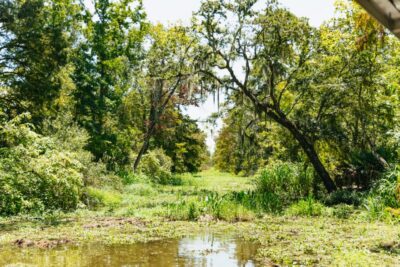
On board, the driver plays a real role. One guest specifically called out Brian for being punctual and fun in the best way—like he’s part of the experience, not just getting you there. As you head out of town, you also get glimpses of other plantations and, on at least some days, even a gator sighting. It’s not a zoo visit; it’s the local setting doing what it does best.
What this adds up to for you: you can arrive ready to listen. That matters here, because the plantation tour isn’t just a quick look at big houses. It’s a guided interpretation of how the sugar operation worked and who held power.
Tip that’s practical: the total duration is 390 minutes (around 6.5 hours), so wear shoes you’re comfortable walking in and keep your day-planning simple. You’re going to spend real time on your feet.
You can also read our reviews of more tours and experiences in New Orleans.



Creole women and plantation life: how the guide frames the day
One of the best reasons to do this tour is the way it centers the people who ran the plantation. Laura Plantation was run by Creole women for more than 60 years, and the storytelling is built around that fact. Instead of treating the site like a distant museum piece, the guide ties the buildings and gardens back to how daily life functioned.
When you step into the Laura Plantation House, you’ll hear stories about the inhabitants and the rhythms of the estate. The language isn’t just formal lecture mode. The guide’s job is to help you make sense of a complicated place—how family power worked, how work was organized, and how the plantation landscape shaped everything.
I also like that the day doesn’t only focus on one side. Later, the tour brings you into the 1840s slave quarters, and you’ll hear poignant accounts of lives and work there. That contrast is part of why the tour feels thoughtful rather than one-note.
If you’re the type who asks questions, this is a good match. You’ll get prompted to notice specific details as you move from structure to structure.
The 1829 Maison de Reprise and the Laura Plantation House
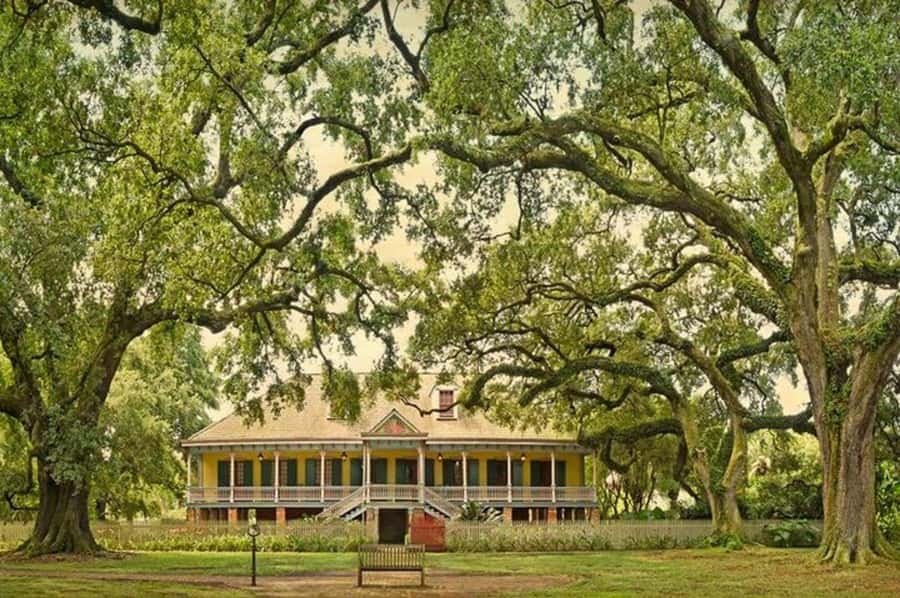
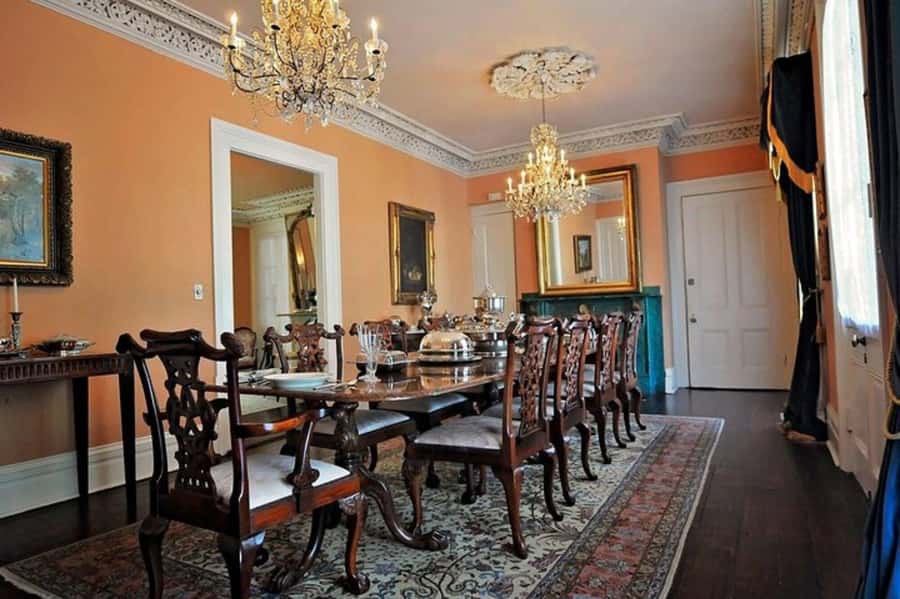
The house tour is where you start connecting architecture to story. This property has a major highlight you’ll want to keep on your mental map: the 1829 Maison de Reprise. It’s one of 12 historic buildings included on the National Register, and it’s the kind of stop that makes the plantation feel less like a single mansion and more like an operating system.
You’ll also hear about how the plantation’s present-day look ties back to what happened in the past. A key moment in the tour is the near-destruction from a 2003 fire and the careful reconstruction that followed, using materials from antique homes. For you, that means the tour isn’t only pointing backward. It’s showing how preservation choices affect what you see today.
What to do while you’re there: slow down for photos, yes, but also look for context cues the guide points out. The best moments aren’t always the grandest views—they’re the small clues that help you imagine how people moved through the estate.
Jardin Français, the kitchen potager, and Banana Land grove
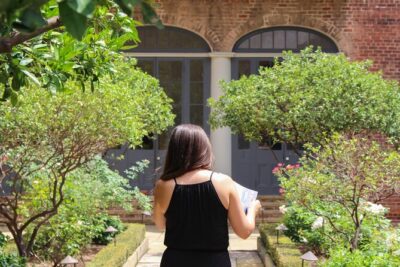
After the house, the pacing shifts in a helpful way. You’ll stroll through three gardens, and each one gives a different feel for how the plantation thought about plants, food, and function.
1) Jardin Français
This is where the garden setting feels more formal and designed, like a space meant for enjoyment and visual order.
2) Kitchen potager
This one is grounded. A kitchen potager connects directly to feeding a household and supporting day-to-day life.
3) Banana Land grove
This adds variety and a sense of what grew on-site beyond the mansion view. Even if you’re not a gardening person, it helps you understand the broader plantation environment.
Why I like including the gardens: they change your brain state. You get a break from heavy architecture and you get a place where the guide can show how different spaces served different purposes.
Also, it’s one of the easiest parts of the day to enjoy without needing to memorize dates. Just walk, look, and take your time.
12 historic buildings on the National Register: what to watch for
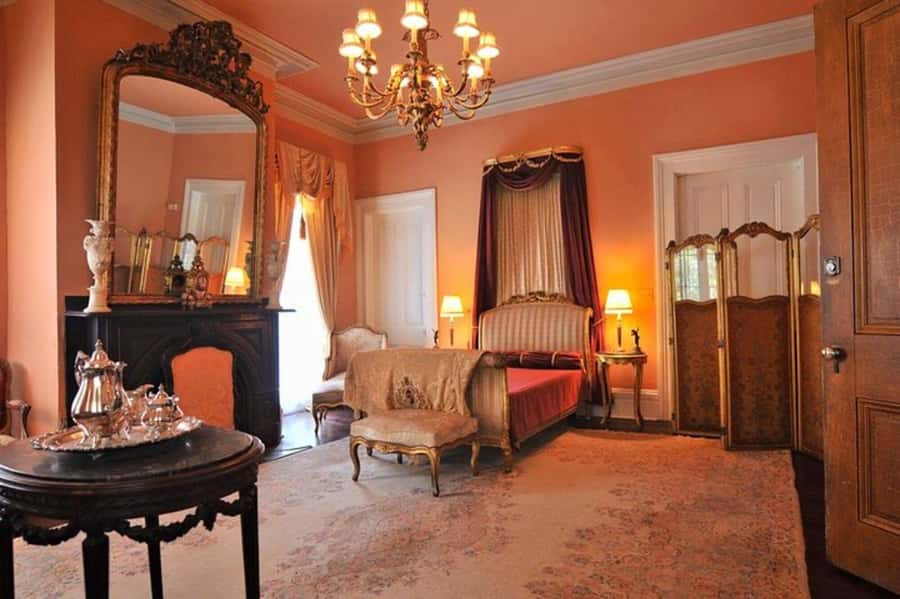
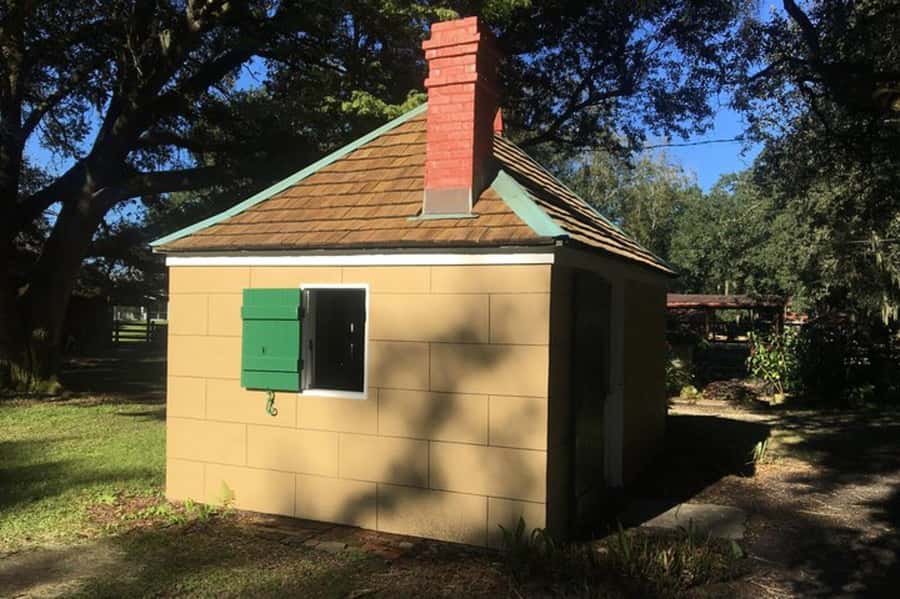
The day includes 12 historic buildings, not just one or two photo stops. You’ll see elements like animal barns and overseers’ cottages, plus that standout 1829 Maison de Reprise. These buildings matter because they shift your perspective from the house-as-stage to the estate-as-workplace.
If you’re worried the tour will feel like a long string of similar-looking structures, don’t. The guide’s focus helps you keep track: each building has a role, and the stories help you understand why it existed where it did.
Practical note: this part involves walking between stops. If you’re sensitive to heat and sun, take advantage of shaded moments where you can, and keep your water needs in mind. Meals and beverages aren’t included, so plan how you’ll handle your energy (more on that below).






1840s slave quarters: the emotional center of the tour
This is the part you shouldn’t rush.
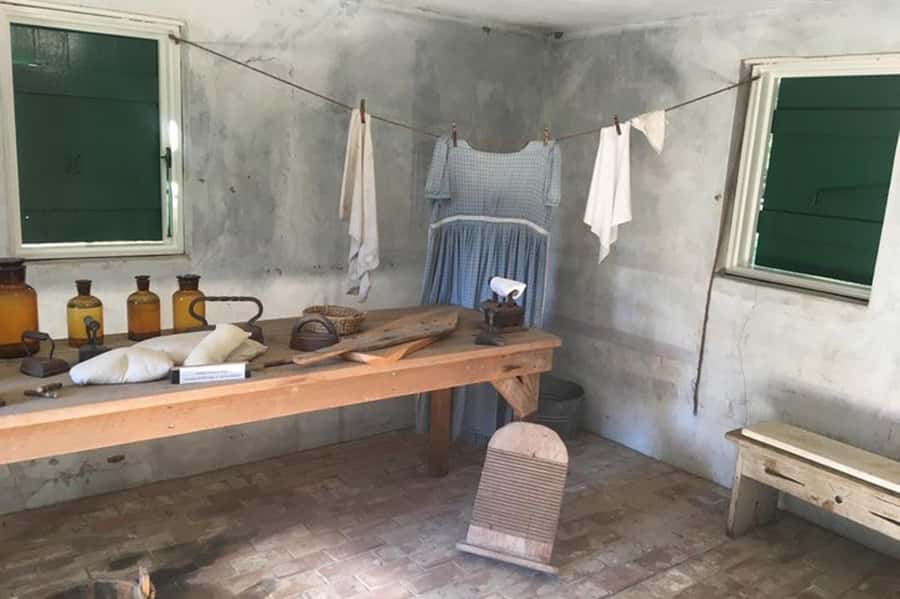
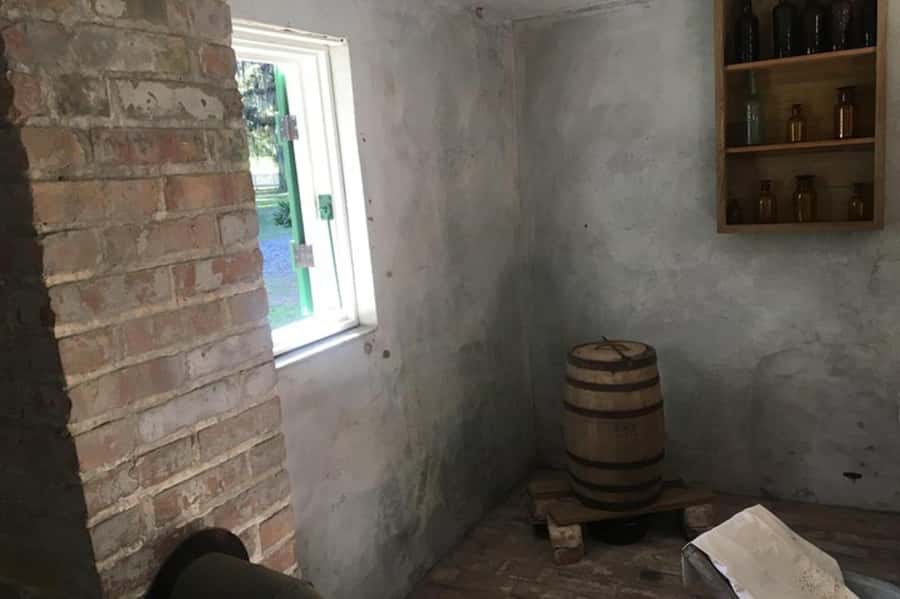
Visiting the 1840s slave quarters is when the tour turns from the built environment to the human cost of the plantation system. The guide shares poignant stories about the lives and work of the enslaved people who lived on the property. The details make it clear this wasn’t abstract tragedy. It was daily life under coercion, shaped by labor demands and tight control.
For me, the best way to handle this section is to treat it like a conversation with the past: listen carefully, don’t “power through,” and give yourself a moment after, even if it’s just a quiet pause before you move on.
If you’re a first-timer to plantation history, know that this visit may feel heavier than you expect, even if you’re prepared. It’s also one of the reasons this tour works: it doesn’t let you keep the focus only on elegance.
Br’er Rabbit connection: stories written here
One of the unique threads you’ll hear about is the plantation’s connection to Br’er Rabbit stories, which were written here. This is a smart addition because it shows how plantation life intersected with storytelling and local culture.
Why you might care: folk stories are often the most human part of any historical setting. They capture humor, survival, and imagination—sometimes in ways that plain records can’t. Here, the guide connects those stories to place, so you’re not just hearing a fun fact. You’re seeing how culture can take root even inside a system built on suffering.
If you like literature and local legends, you’ll probably enjoy this section a lot. It’s also a good mental break from the intensity of the slave quarters.
Bonus sights: passing Oak Alley and time to explore
After the guided portion, you get time to explore the grounds at your leisure. That’s a real quality-of-life bonus because it lets you go at your own pace, take photos without feeling rushed, and revisit whatever caught your attention most.
You’ll also have a chance to visit the gift shop. It won’t replace the guide, but it can help you keep learning after the tour if you pick up something relevant.
During the day, you’ll also get a glimpse of the front of Oak Alley Plantation while you’re out on the drive. It’s not a full visit, so don’t expect a second curated tour. Think of it as a quick preview of the broader plantation circuit.
Price and value: is $81 worth 6.5 hours?
At $81 per person for about 390 minutes, the value comes from what you don’t have to arrange yourself. You’re paying for:
- hotel pickup and drop-off
- a live English guide
- entry to the plantation and gardens
- a full day rhythm that includes guided history plus time to roam
Because meals and beverages are not included, you’ll want to budget for your own food plan. But even with that, the price can feel fair if you’d otherwise spend time figuring out driving, parking, and timing.
The biggest value lever here is the guide-led interpretation—especially since the tour includes multiple buildings, the three gardens, and the slave quarters. A self-guided approach would miss a lot of the “why this building exists” and “how this story fits together” context.
If you’re short on time in New Orleans or you just don’t want to coordinate transportation, this is the kind of organized day that makes sense.
Who should book this tour (and who might skip)
This tour is a strong match if you:
- want a guided plantation experience with structure and context
- care about Creole women’s leadership on the estate
- enjoy garden strolling in between heavier historical stops
- like historical sites that include multiple buildings, not just one main structure
You might choose something else if you:
- prefer strictly scenic outings with less focus on slavery and coercion
- need step-free access (the tour is not suitable for wheelchair users)
Also, consider your stamina. The overall duration is long, and you’ll be walking through gardens and between multiple stops. Good shoes help.
Should you book Laura Plantation with transportation?
I think this is worth booking if you want a guided, interpretation-rich day that’s easy to reach from New Orleans and doesn’t just skim the surface. The combination of house + gardens + multiple historic buildings + 1840s slave quarters is a powerful mix, and the guides matter here—Brian for the ride energy, and Lindie at the plantation for the way the tour comes alive with detail and engagement.
Book it if you like structure and context, and if you’re ready for the emotional weight of the slave quarters. Skip or reconsider if you’re searching for a lighter day trip with fewer heavy themes.
FAQ
FAQ
How long is the Laura Plantation tour with transportation?
The total duration is 390 minutes (about 6.5 hours).
Does the tour include hotel pickup and drop-off?
Yes. Pickup and drop-off from New Orleans hotels are included.
What language is the live tour guide?
The live tour guide speaks English.
What’s included in the price?
It includes hotel pickup and drop-off, a guided tour of Laura Plantation, and entry to the plantation and gardens.
Are meals included?
No. Meals and beverages are not included.
What can I expect to see during the tour?
You’ll see the Laura Plantation House, three gardens (Jardin Français, the kitchen potager, and Banana Land grove), 12 National Register buildings (including the 1829 Maison de Reprise), and the 1840s slave quarters. You’ll also learn about the Br’er Rabbit connection and get a glimpse of the front of Oak Alley Plantation.
Is this tour wheelchair accessible?
No, it is not suitable for wheelchair users.