REVIEW · NEW ORLEANS
New Orleans: 2-Hour Historical Walking Tour
Book on GetYourGuide →Operated by Show Me New Orleans Tours | New Orleans Drunk History Tours · Bookable on GetYourGuide
Ghost stories meet cathedral bells.
This 2-hour walking tour turns the Vieux Carré into a walkable storyline, with major landmarks and lesser-known street stops that help you understand what made the French Quarter so famous. I like the tight format: you get a clear route and enough time to connect the dots without rushing yourself into a full-day commitment.
I also like the way it threads the atmosphere of New Orleans’ past through specific stops like LaLaurie Mansion and the Sultan’s Palace (Gardette-LaPrete House). The haunted-history angle isn’t just for shock value; it’s tied to real buildings and the local lore around who lived there and why those stories stuck.
One consideration: the tour is only two hours, so it moves at a real walking pace. And there’s at least one reported case where a guide didn’t show up for about 40 minutes with no communication before the issue was explained later, so I’d plan to arrive a bit early and keep an eye on any day-of updates.
In This Review
- Key things to know before you go
- Entering the French Quarter with purpose, not just wandering
- Lafittes meeting point: where to stand and where not to go
- St. Anthony’s Garden to the Vieux Carré: the tour’s starting vibe
- Landmarks that anchor the story: Cathedral, Cabildo, Presbytere
- Jackson Square: the green pause that changes the mood
- The Haunted Stops: Sultan’s Palace (Gardette-LaPrete House) and LaLaurie Mansion
- What hidden-style stops actually do for you
- Price and value: is $35 worth 2 hours in the Quarter?
- Tour pace, drinks, and comfort: how to plan your walk
- Should you book this historical French Quarter walking tour?
- FAQ
- How long is the New Orleans historical walking tour?
- How much does the tour cost?
- Where do I meet the guide?
- Do I meet inside Lafittes Blacksmith Shop Bar?
- What language is the guide?
- What major sights are included?
- Are drink stops allowed during the tour?
- Is there a private tour option?
- Is the tour refundable if plans change?
Key things to know before you go
- Meet at Lafittes’ courtyard gate on Bourbon Street, not inside the bar
- St. Anthony’s Garden is the opening point, right in the Quarter’s story
- National Historic Landmarks stops include St. Louis Cathedral, Cabildo, and Presbytere
- Jackson Square gets its own moment as a calm break with big-photo potential
- Sultan’s Palace and LaLaurie bring the darker tales, tied to specific addresses/buildings
- Drink stops are allowed, but bar rules vary—especially around children
Entering the French Quarter with purpose, not just wandering
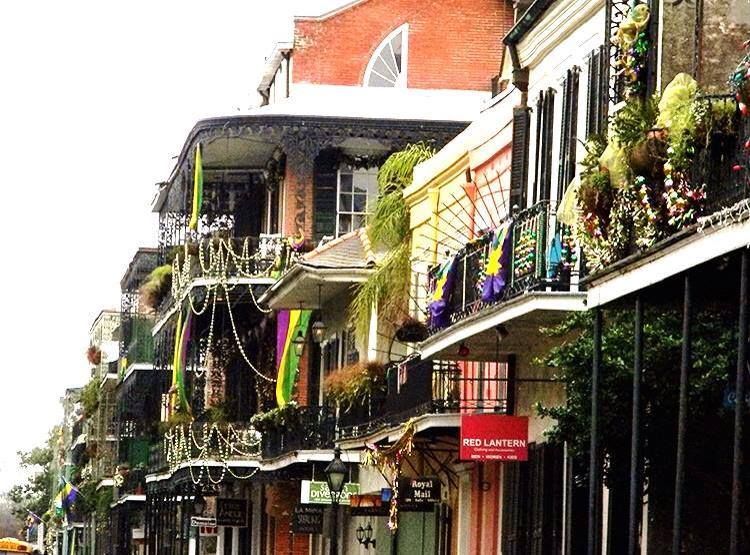
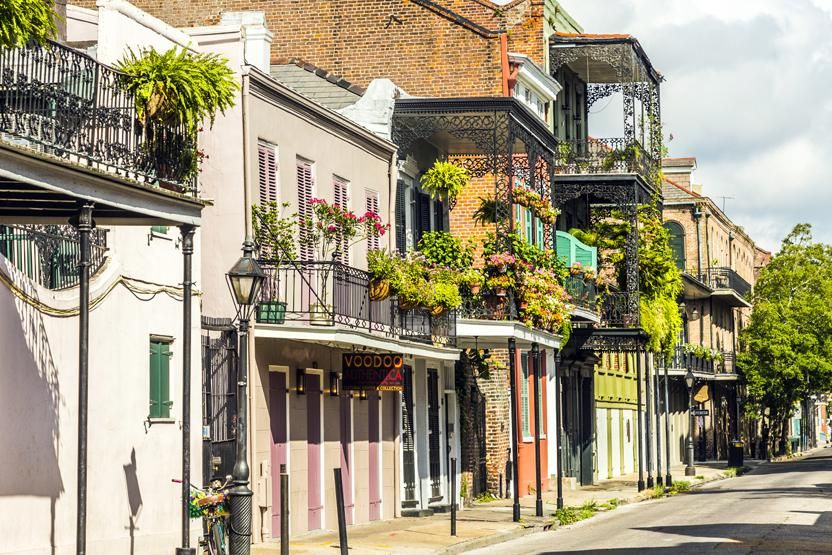
The best part of a short guided walk in New Orleans is that it prevents the most common mistake: aimless wandering through the French Quarter and then realizing you missed the “why.” This tour is built for exactly that, keeping you moving through a compact slice of the Vieux Carré while pairing streets and squares with the stories that shaped them.
At $35 per person for two hours, I think the value comes from the guide doing the sorting. You’re not just looking at facades; you’re getting context for major places like St. Louis Cathedral and the colonial government buildings (especially The Cabildo and The Presbytere). In a city where you can easily spend hours without learning much, a guided plan is what turns your time into actual understanding.
And because it’s only two hours, it’s a good “starter tour.” If you’re spending just a day in New Orleans, this is the kind of experience that helps you enjoy the next hours on your own more.
You can also read our reviews of more walking tours in New Orleans



Lafittes meeting point: where to stand and where not to go
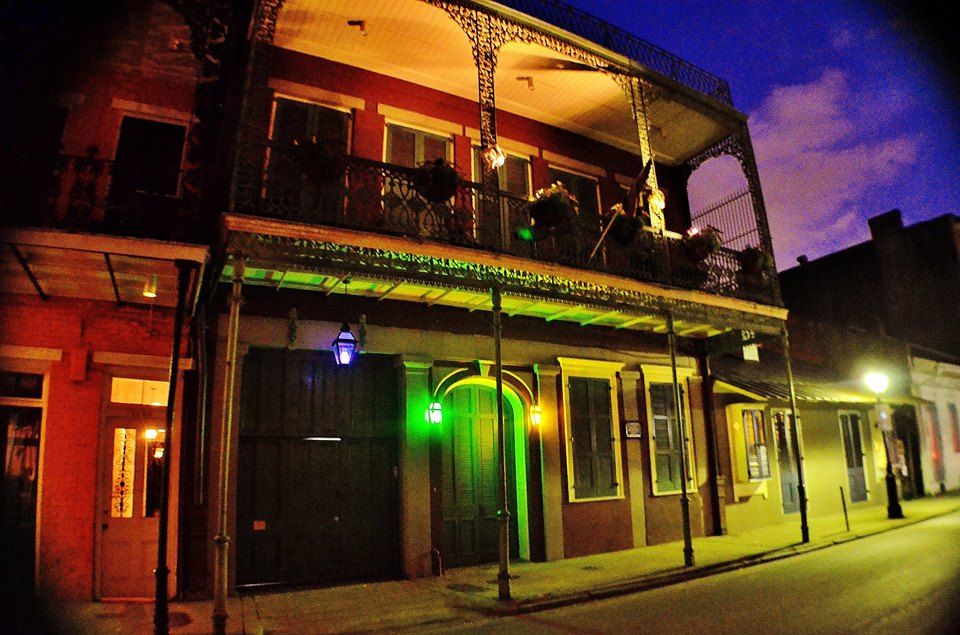
Meet your guide at the sidewalk at the gate of the courtyard attached to the Legendary Lafittes Blacksmith Shop Bar, 941 Bourbon Street (70116). Important detail: the tour does not meet inside Lafittes, and the bartenders there don’t have information about the tour.
I’d treat this like a real appointment. Bourbon Street has a lot of people, and courtyard gates are easy to miss if you’re looking for an obvious “group tour” sign. Arrive a few minutes early and position yourself where you can clearly see that gate and the people using that entrance.
If you’re bringing a wheelchair, the tour is listed as wheelchair accessible, so the key is to show up prepared to move through the streets with your guide’s pacing and stop choices.
St. Anthony’s Garden to the Vieux Carré: the tour’s starting vibe
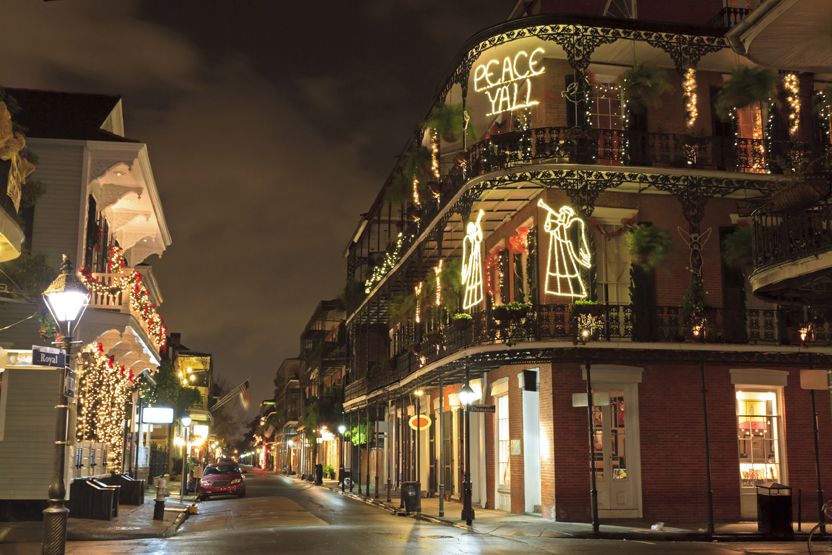
The tour starts at the gates of St. Anthony’s Garden for a fun, local-feeling kickoff. Even before you hit the biggest postcard locations, this sets the tone: the Quarter isn’t just one giant attraction. It’s a neighborhood with its own flow—green pockets, old stone, and story-heavy buildings that reward looking closely.
From there, you’ll stroll through the French Quarter’s 19th-century-style streets, guided in a way that helps you “read” what you see. That’s what I like about this part: it’s not a lecture from step one. It’s orientation through walking.
Landmarks that anchor the story: Cathedral, Cabildo, Presbytere
This tour’s route includes several major stops tied to New Orleans’ National Historic Landmarks list. You’ll pass or stop for context at:
- St. Louis Cathedral
- The Cabildo
- The Presbytere
These aren’t random big names. They’re the backbone of how the Quarter formed and governed itself—spiritual life, political life, and the buildings that still show those layers today.
St. Louis Cathedral helps you understand the city’s early “center.” It’s a reminder that this was never only about partying and romance—New Orleans grew as a place with institutions, ceremony, and long-lasting architecture.
Then The Cabildo and The Presbytere shift the focus from the sacred to the administrative. The Cabildo was the former seat of the colonial government, and the Presbytere’s ornate façade is the kind of visual detail you’d easily walk past without a guide’s explanation of what you’re looking at.
The tour also references:
- the oldest home in the Mississippi Valley
- the home of the fictional Count Saint-Germain
Even with the fictional piece, this matters. It shows how New Orleans culture blends documented history with the kind of storytelling people love here. If your goal is to understand the Quarter as a lived-in set of myths plus facts, these references are part of the point.
Jackson Square: the green pause that changes the mood
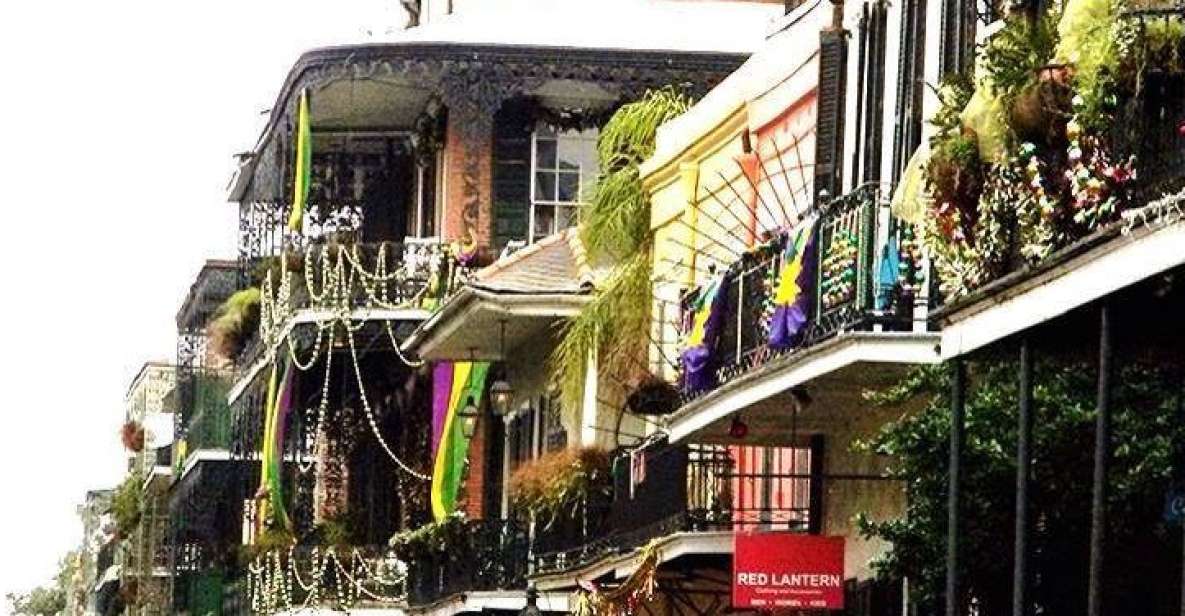
One of the smartest parts of this tour is that it doesn’t keep you in full “story intensity” the whole time. You’ll enjoy the green oasis of Jackson Square, and the pace feels different there—more breathing room, more light for photos, and an easier moment to let what you just learned settle.
I like Jackson Square on a guided walk because it helps you connect the earlier landmarks to the Quarter’s public space. You see how the city’s story plays out not only on buildings but also in gathering areas—places where locals and visitors alike use the space in real time.
If you’re worried about overheating or fatigue, this is a natural check-in point. Even if you don’t sit long, you get a mental reset.
You can also read our reviews of more historical tours in New Orleans






The Haunted Stops: Sultan’s Palace (Gardette-LaPrete House) and LaLaurie Mansion
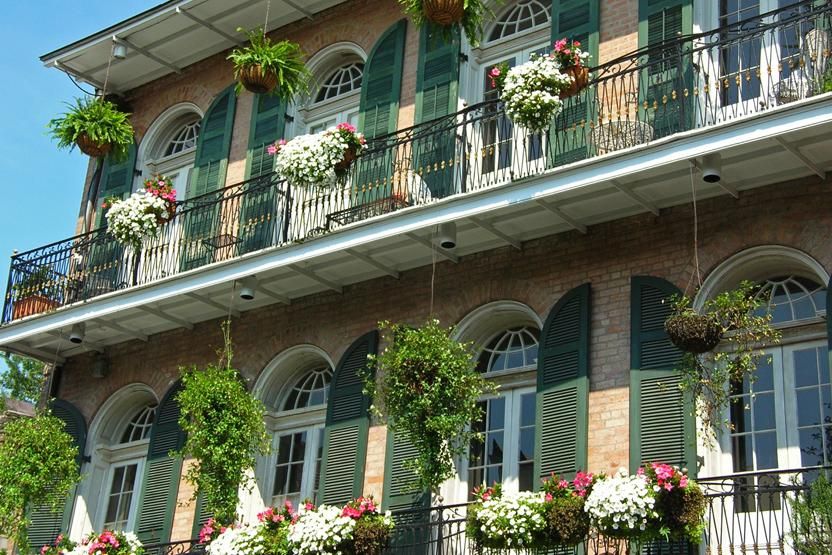
If you’re coming for the spooky side, this tour gives you the two biggest dark-story addresses people talk about in the French Quarter:
- Sultan’s Palace (Gardette-LaPrete House)
- LaLaurie Mansion
This is where the tour leans into haunted histories—gruesome stories tied to specific buildings. What’s practical here is that the guide’s job is to keep the facts, context, and storytelling organized in a way you can follow while you’re standing outside in real street light.
A note on expectations: since the stories are grim, I’d think about your own comfort level. If you don’t want darker topics on vacation, choose a more daytime-focused walking tour instead. But if you do enjoy history with edge, these stops are exactly the kind of “New Orleans-only” material you can’t get from a quick street look.
Also, this is one of those experiences where the building locations matter. Hearing about these legends while you can actually see the architecture and street setting makes them feel more real than any recap you might read later.
What hidden-style stops actually do for you
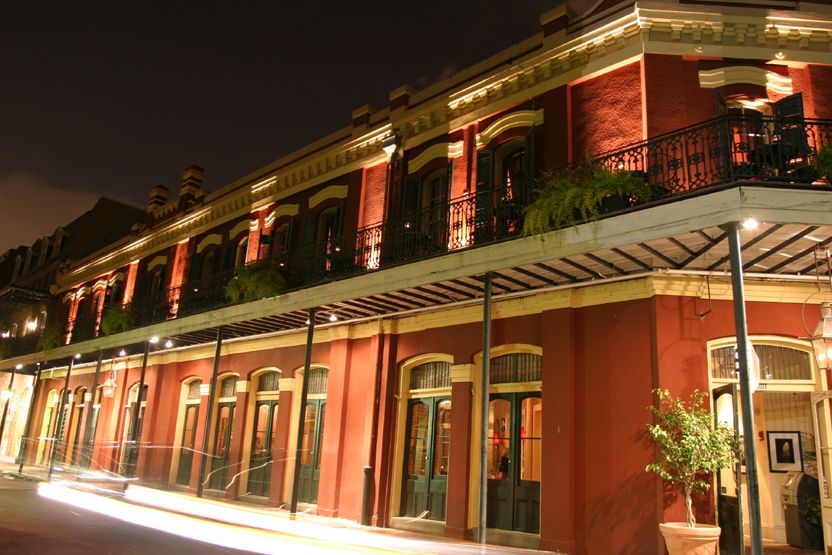
The tour includes places described as stops that only a local would know about. I don’t think of this as “mystery mini attractions.” I think of it as route intelligence: small detours that help you avoid the most confusing stretches and pick up context faster.
For example, the tour includes the Ursuline Convent (19th-century) as part of the walking flow. That’s the kind of stop that can be easy to miss on your own because it doesn’t always scream postcard from across the street. With a guide, it becomes part of the broader story of what the Quarter looked like and what different institutions represented.
If you like walking tours that feel like a smart conversation—one where you get to ask questions as you go—this format usually works best.
Price and value: is $35 worth 2 hours in the Quarter?
Let’s talk money plainly. $35 per person for a live guide and a two-hour walking route is in the range where you should feel value if the guide helps you understand more than you’d learn on your own in the same time.
Here’s where I see value:
- You cover multiple major landmarks in limited time (Cathedral, Cabildo, Presbytere, plus Jackson Square).
- You get interpretation of both historic anchors and famous haunted addresses.
- You’re paying for someone else to do the “story threading” so you don’t have to piece it together later.
If you’re the type of traveler who enjoys reading street plaques and going slow, you might spend less and get a similar feel DIY. But if you want your time in the French Quarter to feel useful instead of just busy, this price is reasonable for what’s included.
There’s also a private tour option for up to 28 guests, priced per tour instead of per guest. If you’re traveling with a group of friends or a family unit that wants the same route with more personal pacing, private can be a good value move.
Tour pace, drinks, and comfort: how to plan your walk
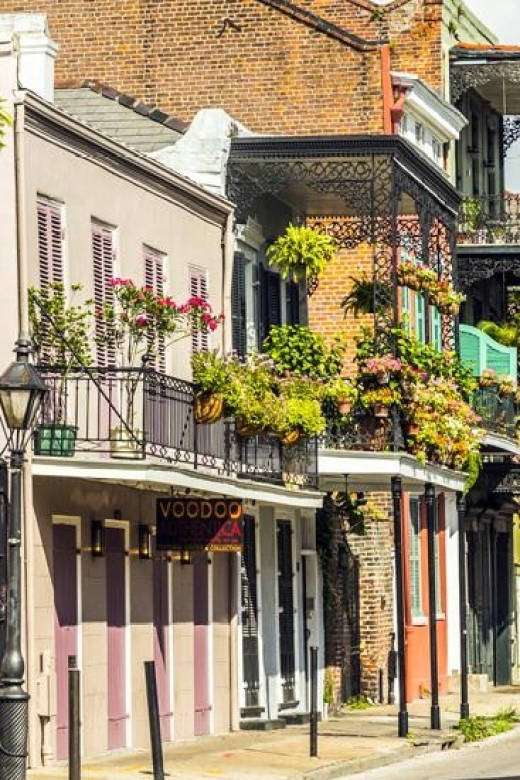
This is a walking tour, and it’s designed for a two-hour experience. That means you should come ready to walk steadily and accept that you won’t linger for long at every corner.
One practical detail: during the tour, you’re allowed to stop along the way to purchase drinks. Bar rules vary, and some allow children while others do not. If you’re traveling with kids, it’s worth remembering that “nearby bar” doesn’t automatically mean child-friendly.
I’d also plan your outfit like you’re touring a neighborhood, not just sightseeing:
- wear comfortable shoes for the Quarter’s walking surfaces
- bring water, especially in warmer months
- keep your phone charged if you want photos at Jackson Square and landmark stops
Wheelchair accessibility is listed, but that still doesn’t mean every curb and sidewalk feels identical. Build in patience and follow the guide’s pacing.
Should you book this historical French Quarter walking tour?
I’d book it if you want a structured way to understand the French Quarter in a short window—especially if you’re excited by the mix of major landmarks and haunted history at LaLaurie Mansion and Sultan’s Palace (Gardette-LaPrete House). It’s the kind of tour that makes the Quarter feel coherent, not random.
I’d pause before booking if you’re the type who needs high reliability at a specific time slot and can’t absorb delays. One reported incident involved a guide not showing and guests waiting around 40 minutes with no communication before an explanation came later. That doesn’t mean every tour will run into problems, but it does justify arriving early and staying alert for any day-of update.
If you like spooky stories grounded in recognizable locations, and you want to learn while you walk, this is a strong match.
FAQ
How long is the New Orleans historical walking tour?
It lasts about two hours.
How much does the tour cost?
The price is $35 per person.
Where do I meet the guide?
Meet on the sidewalk at the gate of the courtyard attached to the Legendary Lafittes Blacksmith Shop Bar at 941 Bourbon Street, New Orleans, LA 70116.
Do I meet inside Lafittes Blacksmith Shop Bar?
No. The tour meeting point is outside at the courtyard gate. Bartenders at the bar won’t have information about the tour.
What language is the guide?
The tour is conducted in English.
What major sights are included?
Stops include St. Louis Cathedral, The Cabildo, The Presbytere, Jackson Square, and also the haunted-history locations tied to Sultan’s Palace (Gardette-LaPrete House) and LaLaurie Mansion.
Are drink stops allowed during the tour?
Yes. Guests are allowed to stop along the way to purchase drinks, but bar policies vary (some allow children, some do not).
Is there a private tour option?
Yes. A private option is available for up to 28 guests, priced per tour rather than per guest.
Is the tour refundable if plans change?
Cancellation is free up to 24 hours in advance for a full refund.