
REVIEW · NEW ORLEANS
Historic Garden District Walking Tour
Book on Viator →Operated by Tours By NOLA - New Orleans Local Artists · Bookable on Viator
New Orleans history, minus the crowds. This Historic Garden District walking tour mixes big-mansion sightseeing with cemetery stories and an Irish Channel angle that explains how the wealth formed. It’s a tight loop, about two hours long, and it’s set up for real walking-city learning.
I especially love how the guide turns street scenes into clear stories. With guides like Robin (and the other guide named Harris), you get a chatty, human style that connects architecture, names, and money to what you see right in front of you. I also like the tour’s practical pace and small-group feel, with a maximum of 28 people and a licensed local guide plus a bit of lagniappe (extra).
One drawback to plan around: you need moderate fitness and you should expect standing and uneven sidewalks. Also, the Lafayette Cemetery No. 1 stop notes the cemetery is temporarily closed and admission isn’t included, so the “visit” may be more about the grounds and context than getting inside.
In This Review
- Key highlights to look for
- Walking the Garden District like a local, not a checklist
- Your $35 ticket: what you get and what to plan for
- Stop 1: Lafayette Cemetery No. 1 and how cemeteries teach the city’s logic
- Stop 2: The Garden District—mansion blocks, war-era change, and celebrity addresses
- Stop 3: The Irish Channel—migration, architects, and the wealth behind the streets
- Guides make or break this kind of tour: Robin and Harris as examples
- How to time your day around a two-hour Garden District walk
- What I think you’ll like most (and why)
- Who should book this tour, and who should skip it
- Should you book the Historic Garden District Walking Tour?
- FAQ
- How long is the Historic Garden District walking tour?
- Where does the tour start and end?
- What is included in the price?
- Is admission to Lafayette Cemetery No. 1 included?
- What language is the tour offered in?
- Is there a group size limit?
- What should I do if I have difficulty standing for long periods?
Key highlights to look for

- Lafayette Cemetery No. 1 context: one of the oldest cemeteries in the city, used as a story anchor
- Garden District mansion block: pre- and post–Civil War homes plus celebrity-address sightings
- Irish Channel money story: learn how Irish migration and architects shaped early Garden District building
- Small-group format: capped at 28, which usually means less rushing at each stop
- Licensed local storytelling: a Native Tour Guide and Cultural Ambassador style, not just dates and facts
- Lagniappe included: small “extra” touches that add value without adding stress
Walking the Garden District like a local, not a checklist

If you want New Orleans at a quieter volume, the Garden District is the right kind of switch. The streets feel more “neighborhoody” and less like a theme park, and the buildings give you that wow factor without needing any special effects. The best part is how the tour uses those buildings as evidence for bigger stories: who lived here, how the money worked, and why certain names show up again and again.
The tour is priced at $35 per person and runs about two hours. For that, you’re buying guided interpretation, not just “a walk past pretty houses.” You’ll also use a mobile ticket, and the tour is offered in English. Confirmation comes at booking time, and it’s near public transportation, which matters in a city where parking can be a headache.
You’ll walk enough to feel like you did something, but it isn’t a marathon. The operator asks for moderate physical fitness, and the tour is not recommended if standing long periods are difficult for you. New Orleans sidewalks can be bumpy and hot in the wrong weather, so treat this like a city stroll with real terrain, not a flat mall lap.
You can also read our reviews of more walking tours in New Orleans



Your $35 ticket: what you get and what to plan for

Here’s the plain math of value. At $35, the price is mostly paying for a licensed local guide, a cultural explanation that helps you “read” the neighborhood, and the added lagniappe. The itinerary includes three main stops, so you’re not doing an open-ended wandering session. You’re following a path that tries to connect cemetery, mansion blocks, and Irish Channel roots.
Two things are not included. Snacks and meals are not part of the tour, so eat before you go. Also, admission to Lafayette Cemetery No. 1 isn’t included, and the cemetery is listed as temporarily closed. That means you should expect the stop to be framed through stories and exterior viewing rather than a full interior walkthrough.
Finally, it’s capped at 28 travelers, and there’s a minimum group size of 2. If you’re traveling solo, this isn’t set up as a guaranteed single-person tour unless it’s booked as a private option, so check your plans if you’re the only traveler in your group.
Stop 1: Lafayette Cemetery No. 1 and how cemeteries teach the city’s logic
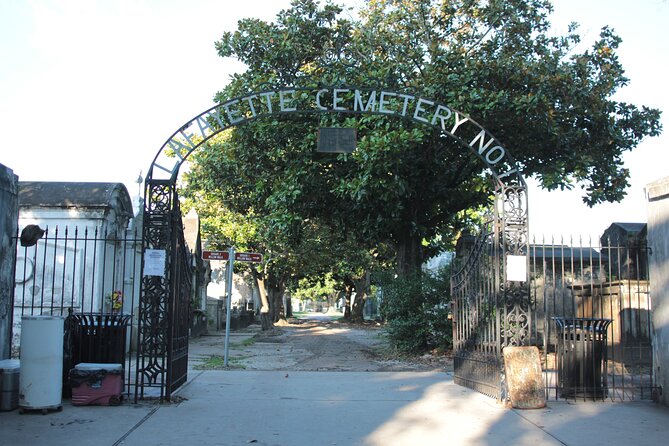
The tour starts at Lafayette Cemetery No. 1, one of the oldest cemeteries in the area. This stop is short, about 30 minutes, and it’s designed less like a museum visit and more like a foundation lesson. Cemeteries in New Orleans can feel confusing at first—until someone puts the pieces together.
Even if the cemetery is temporarily closed, the key value is the framing. You’ll learn how the cemetery relates to the neighborhood’s timeline and why the Garden District’s story isn’t only about houses and parties. Cemeteries show you how people lived with death, family, status, and community continuity over time.
This is a good place to reset your expectations for the walk. Instead of just hunting for architectural details, you start thinking in systems—who built what, who funded it, and how public space reflects private power. That makes the next two stops click faster.
Stop 2: The Garden District—mansion blocks, war-era change, and celebrity addresses

After the cemetery, you move into the Garden District, the neighborhood people often describe as both elite and historically tied to the Confederacy. This part runs about one hour, with time to absorb the street scale, front yards, and the way homes sit within the blocks. It’s a great example of how neighborhoods carry history in plain sight.
You’ll see pre- and post–Civil War mansions, and you’ll also get pointed out celebrity homes. The point isn’t to turn the tour into gossip. It’s to show how wealth creates a lasting footprint—architectural choices, neighborhood reputation, and who gets remembered.
One thing I like about this stop is that it helps you notice details without turning you into an architectural expert overnight. The guide’s job is to translate. You should come away with a better sense of what makes a home read as “before” and “after” a major turning point, and how that shows up in design choices you can actually spot at walking distance.
And yes, you’ll be outside the whole time. If you’re heat sensitive or not comfortable standing for long stretches, bring water and plan shade breaks. The sidewalks can feel like a light workout in New Orleans, even when the route is short.
Stop 3: The Irish Channel—migration, architects, and the wealth behind the streets

The final leg heads to the Irish Channel, where the tour shifts from houses as objects to houses as outcomes. The story starts with Irish migration after the potato famine, and it connects those arrivals to the New Orleans building boom that helped shape the Garden District.
This part is about 30 minutes, and it’s built around the idea that the neighborhood’s early wealth wasn’t random. Many of the architects involved in designing early Garden District homes are described here as Irish. That means you’re not just hearing a “cultural heritage” line—you’re learning how people and skills moved to where money and building opportunities were.
For me, the Irish Channel angle is what makes this tour feel more than a pretty-house walk. It gives you a cause-and-effect story: migration leads to settlement, settlement leads to labor and community growth, and growth supports development. When you go back later and look at the Garden District again on your own, you’ll notice that you’re seeing patterns, not just facades.
It also changes the emotional tone. The Garden District can feel polished, almost staged, and the Irish Channel story brings in real human stakes—survival, relocation, and building new lives in a new place.
You can also read our reviews of more historical tours in New Orleans






Guides make or break this kind of tour: Robin and Harris as examples
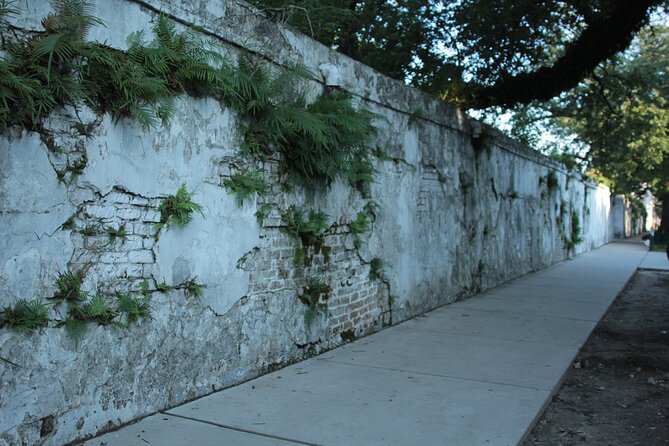
You can learn a lot on walking tours, but the best ones have one job: turn information into moments that stick. This tour clearly leans into story-driven guiding, and the names Robin and Harris show up in the experience descriptions people shared. In practice, that translates into a guide who talks like a person with a point of view, not like a voice reading facts off a card.
Robin’s style is highlighted as fun and interactive, with a lot of facts about houses, the cemetery, and the city’s development. Harris is described as warm and conversational, with strong recommendations afterward that help you keep exploring the city in the right direction. If you like guides who connect history to what you see now, you’ll likely appreciate this.
One practical advantage: good guides keep you moving and help you spot hazards. There’s also mention of the guide calling out tree roots and pot holes and trying to stick to shade when possible. That sounds minor until you’re on a New Orleans sidewalk that changes your footing three times in five minutes.
How to time your day around a two-hour Garden District walk

This is a “morning or late afternoon” type of activity in many seasons. You’ll feel the heat more than you expect if you’re used to cooler walking. The tour is around two hours, so it fits well between other New Orleans stops—especially if you’re trying to mix neighborhoods on the same day.
Since snacks aren’t included, I recommend eating earlier and bringing water. If you need to pace yourself, go slowly at every pause, and don’t fake a quick step if you’re thinking about your legs. Also, the route is near public transportation, so you can reduce stress if you don’t want to deal with parking.
If you’re doing this after the French Quarter, you’ll likely appreciate the change. The Garden District has a different vibe, and it’s the kind of day plan that balances out the louder parts of town.
What I think you’ll like most (and why)

Start with the fact that you’re not just paying for sightseeing. You’re paying for a local interpretation of why the Garden District looks the way it does. The cemetery stop sets a context for how the city remembers people, and the two neighborhood stops show you how money and identity shaped the street-level world you see today.
You’ll also like the structure. Three focused stops—Lafayette Cemetery No. 1, the Garden District mansion area, and the Irish Channel—means you’re not wandering. That matters in New Orleans, where it’s easy to burn time getting “close” to something without actually understanding it.
Another underrated plus is the group size. A max of 28 isn’t tiny, but it’s small enough that your guide can keep an eye on the pacing. One review response also pointed out that tour size can differ by date, which is worth keeping in mind. If you’re sensitive to crowds, aim for earlier departure times when possible.
Who should book this tour, and who should skip it
You should book if you want a guided walk that explains the Garden District beyond surface visuals. It’s ideal for couples, solo travelers who like meeting a guide face-to-face, and anyone who enjoys city storytelling tied to architecture and community origins. If Irish migration and New Orleans building history are your kind of themes, this one hits that note directly.
You might want to skip or think twice if you have trouble standing for long periods. The tour is explicitly not recommended for travelers with difficulty standing long periods of time. The sidewalks and streets can feel like a workout, so if that’s already a problem for you at home, plan for a different format.
Also consider the cemetery situation. Since the cemetery ticket isn’t included and the site is noted as temporarily closed, you’ll want to see it as a story stop first. If you specifically want an admission-based cemetery interior visit, you may need another plan.
Should you book the Historic Garden District Walking Tour?
Yes, if you want a well-told, money-and-migration story that uses the Garden District as a living classroom. For $35, you get a licensed local guide, a structured route, and a thematic focus that goes past “pretty streets.” The presence of strong guide personalities like Robin and Harris is a good sign that the storytelling part is taken seriously.
Skip it only if your main goal is an interior cemetery admission experience or if standing on uneven sidewalks is a real challenge. For most people who can handle a two-hour walking tour with stops, this is a solid way to see a different side of New Orleans—one where mansions, Irish roots, and cemetery history all connect in the same loop.
FAQ
How long is the Historic Garden District walking tour?
It runs for about 2 hours, approximately, with time built into three stops.
Where does the tour start and end?
It starts at The Rink Shopping Center, 2727 Prytania St, New Orleans, LA 70130, USA, and it ends back at the meeting point.
What is included in the price?
The tour includes a licensed Native Tour Guide and Cultural Ambassador, plus lagniappe (extra). It does not include snacks or meals.
Is admission to Lafayette Cemetery No. 1 included?
No. Admission to Lafayette Cemetery No. 1 is not included, and the information provided notes the cemetery is temporarily closed.
What language is the tour offered in?
The tour is offered in English.
Is there a group size limit?
Yes. The tour has a maximum of 28 travelers, and it operates with a minimum of 2 guests.
What should I do if I have difficulty standing for long periods?
The tour is not recommended for travelers with difficulty standing long periods of time. If you’re heat sensitive or don’t like uneven sidewalks, plan for extra breaks and consider whether this route fits your mobility needs.