REVIEW · NEW ORLEANS
Henley’s Private Tours – “Educational-Thoughtful-Entertaining”
Book on Viator →Operated by Henley's Private Tours - Guest say "Best New Orleans Private Tour" · Bookable on Viator
Four hours, and New Orleans clicks. With Henley’s Private Tours, I like the private SUV ride and the way guide Glen connects the Mississippi River to Lake Pontchartrain into one clear story. I also like that you can steer the route toward your group’s interests, with a real walk through St. Louis Cemetery No. 3 instead of only passing by. The one consideration: this is a fast-paced, history-and-recovery heavy route, so if you want a lighter day, tell Glen your style early.
Pickup is available at most hotels, B&Bs, and ports, and the plan keeps walking to a minimum. You’ll still cover a lot of ground: French Quarter and surrounding neighborhoods, City Park live oaks, Bayou St. John, Tulane and Loyola areas, the Garden District, and a stop at the WWII museum before you’re back to the meeting point.
In This Review
- Key things that make this tour work
- Efficient New Orleans in one loop: River to cemeteries to lakes
- Meet Glen and set the tone in a luxury SUV
- Mississippi River stop: the origin story before the postcard stuff
- French Quarter drive-by focus: why it was built, not just what it looks like
- St. Louis Cemetery No. 3: the walk that changes your perspective
- City Park and Bayou St. John: nature’s influence on the city
- Lake Pontchartrain: bridge views and Katrina reality in the same day
- Tulane and Loyola areas, plus St. Charles Avenue mansions
- Garden District drive: pretty streets with context
- WWII museum stop: why it’s here and why it matters
- Lunch, coffee, beignets, and how the food fits the pace
- Price and value: $498 per group, and what you actually get
- Who this tour is perfect for
- Who might want a different style
- Quick FAQ
- FAQ
- How long is the tour, and is it a lot of walking?
- Is pickup offered from hotels or ports?
- What’s the starting location if I’m not getting picked up?
- Are admission tickets included?
- What food is included?
- What if my mobility needs require help?
- Should you book this private New Orleans tour?
Key things that make this tour work

- A private half-day route that pairs street scenes with water-country context
- Glen’s humor plus clear, on-the-spot explanations at every stop
- St. Louis Cemetery No. 3 includes actual walking, not just photos from afar
- World record bridge and pumping station viewpoints tied to Katrina recovery
- Lots of photo opportunities built in, with a flexible tempo
- Minimal walking, with wheelchair or walker support available if needed
Efficient New Orleans in one loop: River to cemeteries to lakes
This tour is built for the way most people actually travel. You want to see the headline sights, but you also want the “why” behind them without wasting a day stitching neighborhoods together on your own.
That balance is the big win. You get the iconic stops, and you also get the environmental and historical context that helps everything click: the river that shaped the city, the bayous and wetlands that define the region, and the storm impacts that still show up in how neighborhoods are designed.
You can also read our reviews of more private tours in New Orleans


Meet Glen and set the tone in a luxury SUV

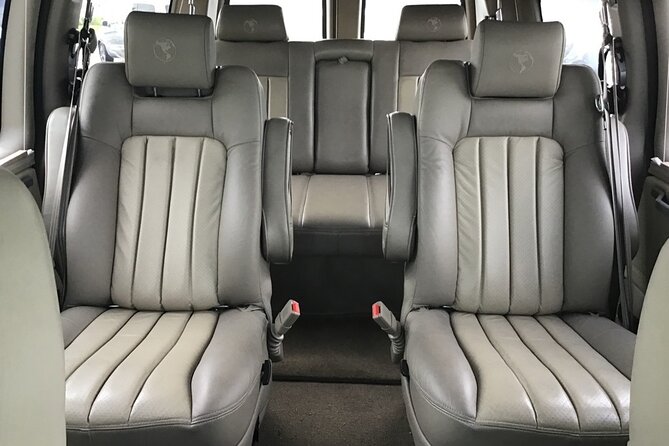
Your day starts with transportation in a comfortable, luxury SUV. It’s a private tour, so the pace and emphasis can match your group, and that matters when you’re traveling with mixed interests or different walking comfort.
The guide on this route is Glen, and the tone he brings shows up in the details. People repeatedly note his humor, his willingness to answer questions, and how he adjusts when a group wants more of one area and less of another. Even service moments stand out in reviews, like helping someone who needed a walker and handling last-minute issues like a delayed flight or a forgotten jacket.
A practical detail: the vehicle is listed as having room for 6 adults with luggage, but the price is shown as per group up to 3. If you’re traveling with more people, it’s worth asking how the pricing is handled for additional passengers so you know what you’re signing up for.
Mississippi River stop: the origin story before the postcard stuff
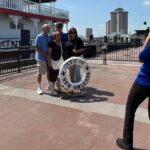
You’ll begin with a stop at the Mississippi River, with time to observe the river that started it all here in 1699. Even if you’ve seen the river from a distance before, this first stop acts like a mental anchor. You learn why New Orleans grew where it did, and why the water keeps coming back into the city’s decisions.
This is also one of those stops where timing matters. You get a short, focused view early, so the rest of the day feels less like random sightseeing and more like a connected route.
French Quarter drive-by focus: why it was built, not just what it looks like
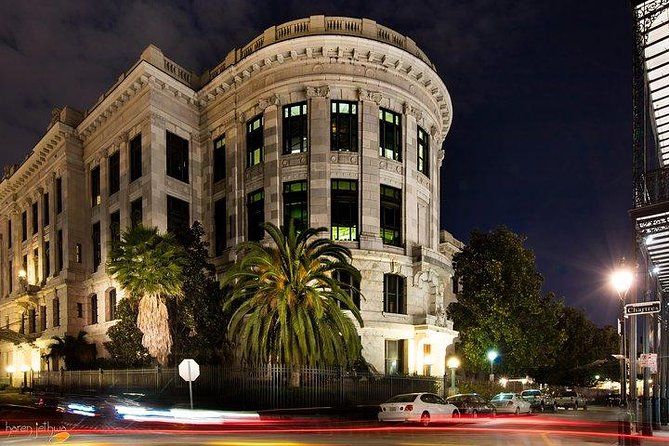
Next comes the French Quarter, first with a drive-through section where Glen explains where and why it was constructed. You’re not stuck waiting for the perfect photo moment. Instead, you’re learning the logic of the place while you move through it, which helps if you’re short on time.
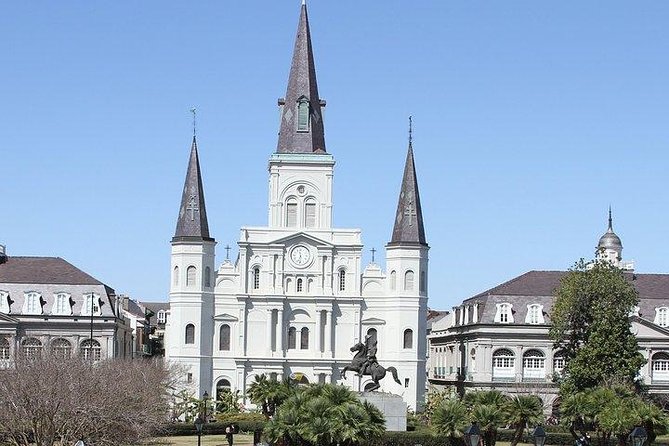
Then you’ll stop at Jackson Square to talk about the Saint Louis Cathedral, the Battle of New Orleans, and Café du Monde. This stop works best if you plan to look around while listening. The square is a “read it with your eyes” kind of spot, and the stories help you see more than the obvious scenery.
You’ll also get another French Quarter-related drive that expands outward into places like Treme. This stretch is where you start to connect neighborhoods to cultural roots: Creoles, jazz, colonial-era homes, oak trees, and how the city’s layout holds those themes.
Tip for you: if you care most about architecture, ask Glen to point out what to look for as you’re rolling. If you care more about music history, ask where those influences show up in the streets around you.
St. Louis Cemetery No. 3: the walk that changes your perspective
If you only care about one stop, make it this one. St. Louis Cemetery No. 3 is iconic, and you’ll do the key part in person: you stop and walk through the cemetery while the guide explains how citizens were interned for about 200 years.
Cemeteries can feel heavy, and this one is. But it’s also where New Orleans becomes emotionally understandable. You learn how the city’s burial traditions connect to geography, old building practices, and the way New Orleans has had to adapt over centuries.
This is the part of the route where comfortable shoes pay off. Walking is described as minimal overall, but you should still expect a real stroll here.




City Park and Bayou St. John: nature’s influence on the city
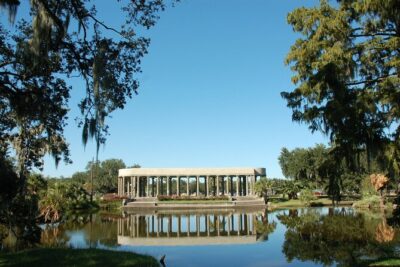
After the Quarter, the tour shifts from streets to green space and wetlands—an underrated move for first-time visitors. You drive through City Park, including 200-year-old live oaks and glimpses of the area’s amusement park and other beauty.
This isn’t just a break from crowds. It gives you a sense of how New Orleans holds onto large stretches of nature inside the city.
Then you head to Bayou St. John, where you drive along and talk about bayous, how to define one, and the history of Cajuns in the area. You’ll also cover wetlands and why they matter here. If you’ve ever wondered why New Orleans feels like it lives with water instead of fighting it, this is where that question gets answered.
Lake Pontchartrain: bridge views and Katrina reality in the same day
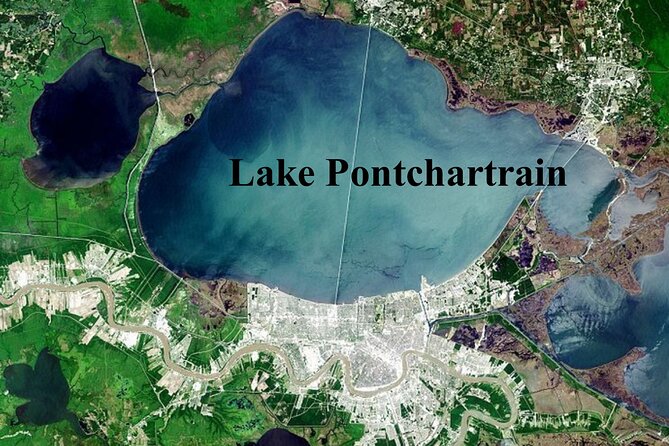
Lake Pontchartrain is the tour’s big water-and-weather chapter. You drive along the lake discussing what makes it unique and seeing a world record bridge.
You also pass by the largest marina on the lake. There’s even a possible add-on pause at an excellent seafood restaurant, but that’s at your expense. Think of that as flexible time you can use if your group wants it, and skip if you don’t.
One stop is especially meaningful: you’ll go to a world record pumping station, then see firsthand a neighborhood that had 9–12 feet of flood waters from the Katrina hurricane disaster. This portion doesn’t feel like a lecture. It helps you understand why the city’s flood protection and neighborhood patterns are still part of everyday life.
If your group wants a softer tone, tell Glen before you reach the Katrina-related stop. The route can feel emotional, and you’ll get more out of the day when the guide knows what kind of storytelling you want.
Tulane and Loyola areas, plus St. Charles Avenue mansions
From the waterline, the tour moves back to a different kind of New Orleans: grand homes, big universities, and the stories tied to wealth.
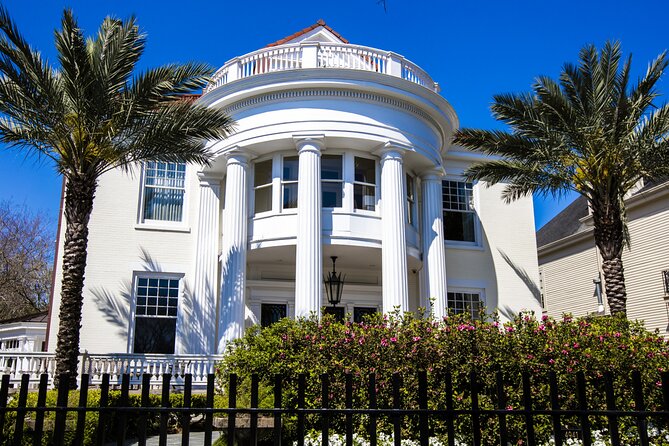
You’ll drive back to the uptown area and see mansions and estates along St. Charles Avenue, plus views of both Tulane and Loyola universities. Glen also discusses the Civil War here and how wealth shaped parts of the city.
If you like contrast, this section delivers. It’s a shift from Quarter textures to upscale streets, from cemetery symbolism to institutional life, from recovery stories to the power dynamics that shaped the skyline.
Garden District drive: pretty streets with context
Next is the Garden District. You’ll drive to and around the neighborhood, seeing beautiful streets and hearing the history of the area.
This part is designed to keep momentum. You get the feel of the streets without turning the day into hours of walking between spots. It’s a good fit if you want the look of the Garden District right away, then decide later whether you want to return for a longer self-guided visit.
WWII museum stop: why it’s here and why it matters
The tour finishes with a stop at the largest World War II museum in the world, with time to learn why and how it was built here in New Orleans. Even if you’re not a history buff, this stop tends to land because it’s concrete. You’re standing in a place with purpose, not just hearing abstract background.
The timing is built so you still have time to get back after. The tour returns to the meeting point to complete the 4- or 5-hour plan.
Lunch, coffee, beignets, and how the food fits the pace
There’s usually a lunch stop, or a coffee-and-beignet style break, or sometimes ice cream, but food is at your expense. That keeps the tour flexible and prevents surprise costs.
In reviews, people describe meals like chargrilled oysters and local spots for gumbo, all linked to Glen’s recommendations. You’ll get choices that match your group’s energy level: a sit-down lunch if you want comfort, or a quick sweet stop if you’d rather keep moving.
If you have dietary needs, plan to mention them upfront so Glen can steer you to a place that fits.
Price and value: $498 per group, and what you actually get
At $498 per group (up to 3) for a 4–5 hour private tour, the value comes from concentration. This isn’t just “see the big sights.” It’s transportation plus a guide plus a route that covers river, Quarter, cemetery, parks, bayou, lake, two universities, and the WWII museum in one day.
Here’s how I’d frame it for you:
- If you’re 2 or 3 people, the per-person cost can feel reasonable compared to paying separately for multiple guide days or trying to DIY with transportation and parking headaches.
- If you’re solo, you’ll likely find the price higher than a bus tour. But the private pacing can still be worth it if you want questions answered and the option to tailor.
- If you’re a bigger group, confirm how pricing works beyond the up-to-3 rate, since the vehicle is listed as fitting more people.
The other value element is “time saved with meaning.” You’re not just ticking boxes. You’re learning what connects the river to the city’s layout, how wetlands and bayous affect settlement, and how Katrina recovery shows up at the neighborhood level.
Who this tour is perfect for
This works especially well if you:
- are visiting New Orleans for the first time and want a fast orientation
- are time-pressed and still want more than the usual Quarter-only plan
- like history told through streets, water, and real places
- want a comfortable SUV day with minimal walking
- have mixed interests in one group, since the route can be customized
It can also work for people who are returning to New Orleans. One theme in reviews is that even repeat visitors learned new ways to understand the city’s development and the Katrina aftermath.
Who might want a different style
If you prefer a very light, mostly scenic tour with fewer historical and post-storm details, this route may feel heavier than you want. One lower rating mentioned a mismatch in interest level and focus during the Lake Pontchartrain portion.
My practical advice: tell Glen what you want more of and what to skip. If your group wants more culture, music, neighborhoods, or architecture and less storm recovery detail, flag that early so the storytelling matches your taste.
Quick FAQ
FAQ
How long is the tour, and is it a lot of walking?
The tour runs about 4 to 5 hours and keeps walking minimal. The main walking time is at St. Louis Cemetery No. 3.
Is pickup offered from hotels or ports?
Yes. Pickup is offered at most hotels, B&Bs, and ports in the New Orleans area. Airport or out-of-town pickups may cost extra depending on how long it takes.
What’s the starting location if I’m not getting picked up?
The meeting point is 510 Basin St, New Orleans, LA 70112.
Are admission tickets included?
Some stops list admission as included and some as free, and the day is set up so you are not scrambling last-minute for every stop. Food stops are at your expense.
What food is included?
Lunch is usually included as a lunch stop, or you may stop for coffee, beignets, and/or ice cream, but the actual food and drinks are at the guest’s expense.
What if my mobility needs require help?
The tour can include a wheelchair or walker if needed for mobility issues, and the route is designed to require minimal walking. Service animals are allowed.
Should you book this private New Orleans tour?
If you want a time-efficient, story-led introduction to New Orleans that goes beyond the French Quarter postcard loop, this tour is a smart choice. The best version of your day comes from telling Glen what you care about, then leaning back and letting the route connect the dots—from the Mississippi River to cemetery traditions, from bayous to Lake Pontchartrain, and into the WWII museum stop.
If you hate fast pacing or you want fewer history-heavy moments, still book only if you’re willing to set expectations early. This is a guided route built for learning, so your best outcome comes when your guide knows your preferred level of detail.