
REVIEW · NEW ORLEANS
New Orleans: Audubon Zoo Ticket and Combination Option
Book on GetYourGuide →Operated by Audubon Nature Institute · Bookable on GetYourGuide
A swamp zoo in the heart of New Orleans. Audubon Zoo packs 50+ acres of natural habitats with 1,700+ animals across more than 350 species, all in a setting that feels built for wandering.
I especially love how many of the big exhibits are designed to be up-close without feeling like you’re stuck behind barriers. It’s also a zoo where the map becomes a game, because each zone has its own theme and animal story.
Second highlight for me: the day-to-day animal care demonstrations add context beyond just spotting animals. One possible drawback to plan around is that this is a lot of walking over park-like grounds, and the site rules don’t allow outside food and drinks, so you’ll want to plan your meal timing accordingly.
In This Review
- Key things I’d focus on before you go
- Skip-the-line Audubon Zoo: what your ticket really includes
- First impressions on 50+ acres: shade, pace, and comfort
- Louisiana Swamp Exhibit: the urban swamp that changes your expectations
- Jaguar Jungle and Criaturas de la Noche: Central America in one zone
- Monkey Hill’s 5-level treehouse: fun that still fits the animal focus
- Lions, orangutans, cranes, and leopards: how to catch the big names
- Watoto Farm and the sustainable agriculture lesson
- Add-on upgrade: Aquarium and Insectarium give you weather-proof variety
- Putting it together: a simple way to plan your day
- Zoo-only day (best if you want to focus)
- Zoo + one add-on (best for first-time visitors)
- Zoo + all three (best for families and animal lovers)
- Price and value: does $39 make sense?
- Who should book this Audubon Zoo ticket
- FAQ
- FAQ
- How many animals and species can I see at Audubon Zoo?
- What are the opening hours for Audubon attractions?
- Is there a skip-the-line option?
- How long is the ticket valid?
- Can I visit the aquarium or insectarium first with a combo ticket?
- Are pets and outside food allowed?
- Should you book the Audubon Zoo ticket or combo in New Orleans?
Key things I’d focus on before you go
- Skip-the-line entry so you spend more time watching animals and less time waiting at the gates.
- Louisiana Swamp Exhibit, the world’s only urban swamp, with South Louisiana species like bobcats and a white alligator.
- Jaguar Jungle with an archaeological dig setting plus spider monkeys, ocelots, and a jaguar area.
- Monkey Hill’s 5-level treehouse, a big kid-pleaser even if you only go for the animals.
- Optional Aquarium and Insectarium access if you want indoor displays (and the butterfly garden vibe) too.
Skip-the-line Audubon Zoo: what your ticket really includes
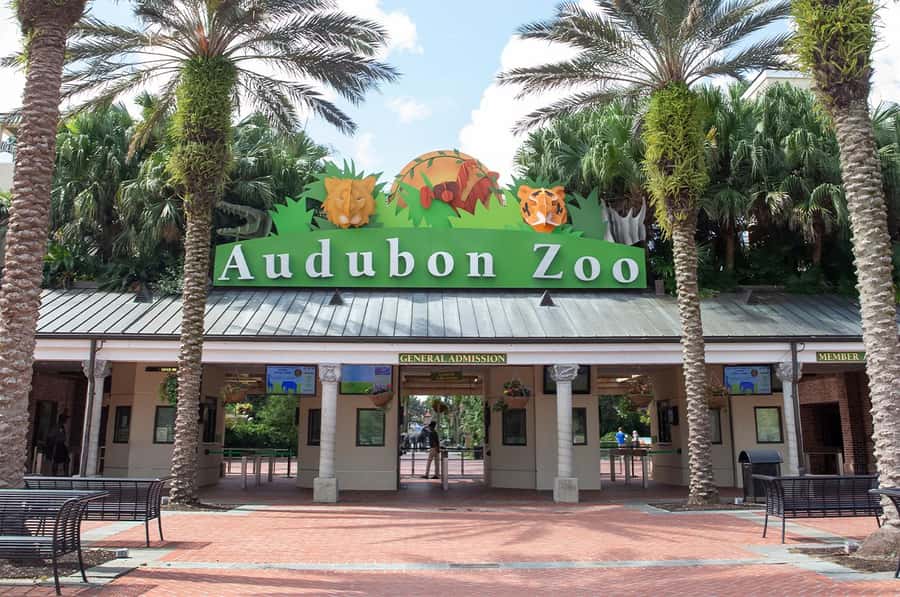
Your Audubon Zoo ticket is set up for easy entry. You book a date or entry window, then use your skip-the-line ticket to get inside rather than waiting with everyone else at opening.
If you choose the combo options, you can add skip-the-line access to the Audubon Aquarium and/or the Audubon Insectarium (plus the Butterfly Garden experience within that complex). This is where the value comes from: if you’re the type who can’t leave until you’ve seen both animals and the “behind the scenes” style displays, the add-ons let you turn one zoo day into a full attraction day.
Two timing notes matter:
- Hours run from 10:00 AM to 5:00 PM, with last entry 30 minutes before closing.
- Zoo-only tickets are for one entry on your scheduled date, while combination tickets let you redeem the other attraction(s) within a window after your scheduled zoo date.
Also, you’re looking at a validity range of 1 to 5 days, depending on what starting times are available when you book. So check your confirmation closely so you don’t show up on a day that isn’t in your allowed window.
You can also read our reviews of more tours and experiences in New Orleans



First impressions on 50+ acres: shade, pace, and comfort

Audubon Zoo spreads out over 50+ acres, which is great for animal space and good for your sanity. You’re not trapped in a tight loop. You can slow down, double back if you realize you missed something, and still feel like you’re in a park.
From what I’d plan for, this setup works best if you pace your day in chunks:
- Start with one “big draw” habitat zone.
- Move to a second zone with a different theme (swamp vs. jungle vs. treehouse).
- Then finish with indoor or smaller displays like the farm and insect areas (if you bought the combo).
Practical comfort tip: the grounds have lots of shade, which makes a big difference in New Orleans heat and glare. If you go in a cold or windy stretch, expect that you may want layers and a coat, even if the sun is out. The zoo stays enjoyable in those conditions, but you’ll feel better if you’re dressed for it.
Louisiana Swamp Exhibit: the urban swamp that changes your expectations
The Louisiana Swamp Exhibit is one of the biggest reasons to pick Audubon Zoo instead of a smaller animal park. This is presented as the world’s only urban swamp, which means you’re not just looking at animals in cages—you’re in a habitat meant to feel like the region they come from.
Here’s what you can look for in this area:
- South Louisiana species like black bears, bobcats, and foxes
- A white alligator, which tends to be the kind of animal that makes people stop mid-walk
This exhibit is especially worth your attention if you like seeing how regional ecosystems can be recreated in a city. It’s not just a theme name. The swamp concept also sets up a different vibe from the more rainforest/jungle areas later. Even if you only spend a portion of your day here, it helps you understand what the zoo is trying to do: build believable natural settings, not just display animals.
A small planning consideration: swamp-style habitats can feel cooler or damp depending on the layout. Wear shoes you’re happy to walk in for hours.
Jaguar Jungle and Criaturas de la Noche: Central America in one zone

If the swamp is about Louisiana, the Jaguar Jungle is about Central America. The zone is built as a themed environment with an archaeological dig, and it’s designed to make you curious as you move.
In this area, you’re looking for:
- Spider monkeys and ocelots
- A jaguar habitat area
- The Criaturas de la Noche bat house
I love that the bat house is part of the same zone concept. It shifts your attention toward nocturnal animals and different behaviors, instead of having every exhibit feel like the same daytime viewing experience. If you’re visiting with kids or teens, this kind of “walk-through story” helps keep interest up without turning the day into a strict schedule.
Tip for watching animals here: move slowly, pause where paths open up, and check both the ground level and elevated viewing areas. Many jungle animals show up when you’re quiet long enough to notice them.
Monkey Hill’s 5-level treehouse: fun that still fits the animal focus
Monkey Hill is a rare zoo feature that adds real physical fun. It’s built around a 5-level treehouse, which makes the area feel like a mini adventure. Even if you’re not the kind of person who loves playgrounds, it’s a great waypoint in the middle of a long day.
The concept works for families because kids get a “break” that doesn’t feel like a detour from animals. Adults get a chance to relax and regroup without the day becoming only about moving from one exhibit to the next.
If you’re planning a multi-attraction day, Monkey Hill is a strong mid-day stop. It’s the kind of place where people naturally slow down, take photos, and then continue on with better energy.
You can also read our reviews of more tours and experiences in New Orleans

Lions, orangutans, cranes, and leopards: how to catch the big names

Audubon Zoo highlights several star species, and the best approach is to treat them like your day’s anchor points. In the zoo’s lineup, you can expect major attractions such as:
- Whooping cranes
- Amur leopards
- Sumatran orangutans
Two of the most talked-about habitats on this side are the African lion area and the orangutan area:
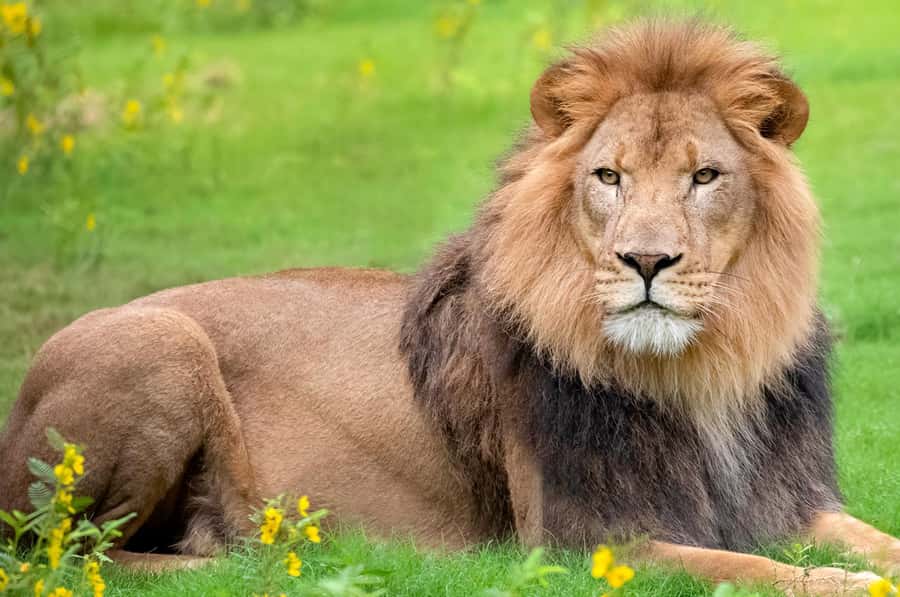
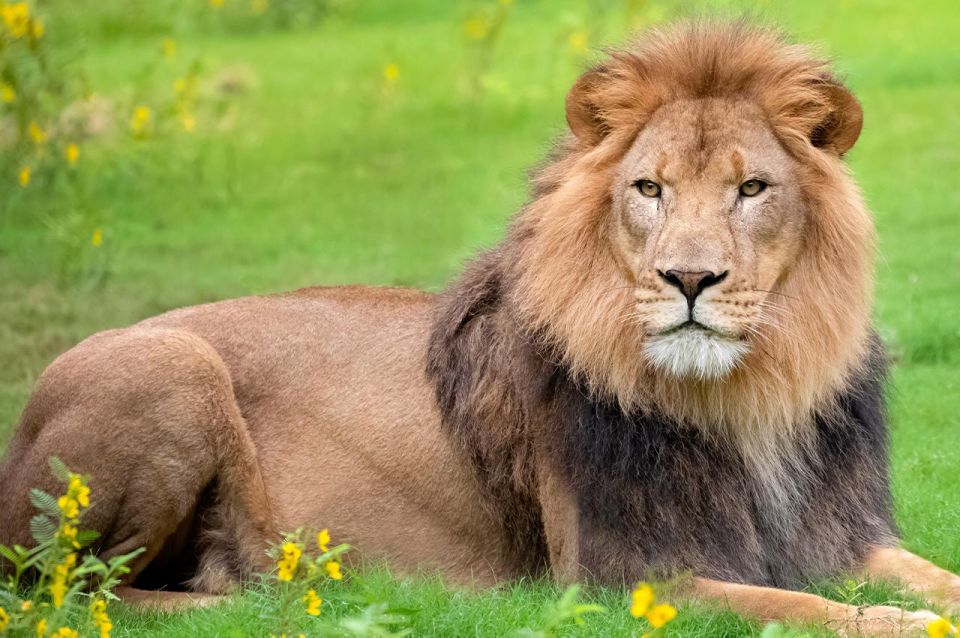
- The African lion habitat is described as showing close views of three females and one male.
- The outdoor Sumatran orangutan habitat is noted for orangutan babies born at the zoo.
I like using this method: when you enter, quickly scan the big habitat areas on your map, then circle back later. Animals don’t always move on schedule, so giving yourself a second chance improves your odds without adding stress.
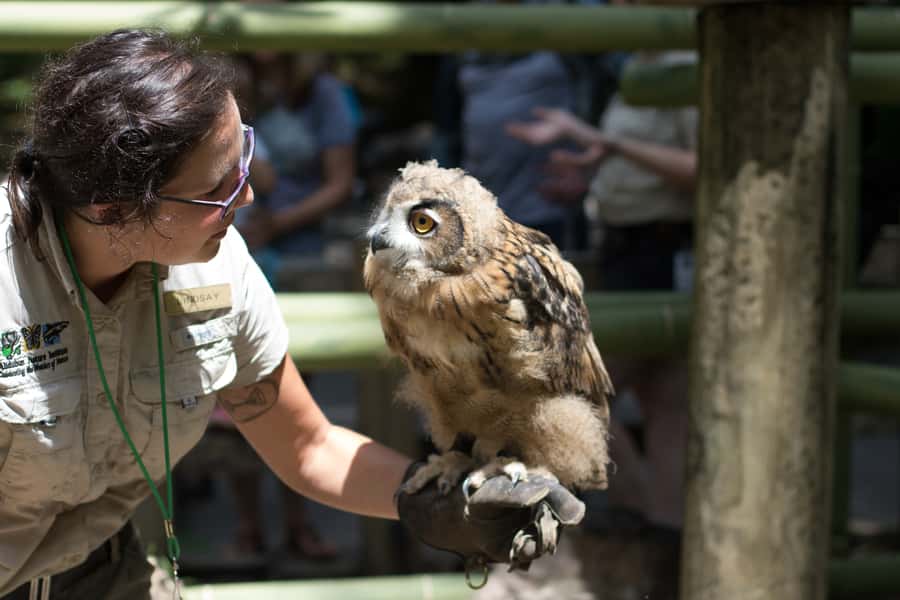
Also, pay attention to any daily animal care demonstrations. These can make the animal encounters feel more meaningful. You’re not just looking at fur and feathers—you’re learning what’s happening that day in terms of feeding, care, and behavior.
Watoto Farm and the sustainable agriculture lesson

Not every zoo stop needs to be about wild animals. Watoto Farm ties the animal experience to food and farming practices, with an emphasis on sustainable agriculture.
Here’s what stands out:
- You may see domestic species like sheep and goats
- The area includes learning about sustainable agricultural practices
This is a good “mental reset” zone when you’ve been focused on jungle and swamp exhibits for hours. It also helps kids connect animal care to everyday life in a way that feels grounded, not just themed.
If your family likes hands-on learning, keep Watoto Farm on your checklist. It gives the day a more rounded education angle without requiring extra tickets.
Add-on upgrade: Aquarium and Insectarium give you weather-proof variety
The combo options are designed for people who want more than just outdoor animal viewing. With the upgrade, you can access:
- Audubon Aquarium (skip-the-line)
- Audubon Insectarium, plus the Audubon Butterfly Garden experience
This matters in New Orleans because weather can swing fast. Indoor exhibits let you keep moving even when the heat spikes or the air turns windy.
In terms of what you’ll feel day-to-day, the Aquarium and Insectarium bring contrast:
- Zoo outdoors = larger habitats and a more natural “walk and explore” mood.
- Aquarium and insect areas = tighter focus, close-up viewing, and different sensory experiences.
Another practical bonus: combined tickets can be used to redeem the included attractions in a flexible order. If your aquarium or insect time slot is easier at the start of your visit, you can do that first with a combo redemption approach.
If you’re going only on the zoo experience, you can still feel like you got a full day. But if you want a bigger variety of animal types and indoor viewing, the add-ons are the way to go.
Putting it together: a simple way to plan your day

You don’t need an hour-by-hour plan, but a light structure helps.
Here are two practical approaches:
Zoo-only day (best if you want to focus)
- Start with your biggest habitat draw (swamp or jungle).
- Spend time on Monkey Hill so you’re not just rushing.
- Then move to the star species habitats like lions, orangutans, and cranes.
- Finish with Watoto Farm and any remaining demonstrations.
This works well if you’re traveling without a strict timetable and you’d rather sink time into outdoor exhibits rather than splitting your attention across multiple attractions.
Zoo + one add-on (best for first-time visitors)
- Do the zoo in the main morning and early afternoon.
- Add the Aquarium or Insectarium depending on the day’s conditions.
- Use animal demonstrations as your natural “break” markers.
Zoo + all three (best for families and animal lovers)
If you’re buying the larger combo, you’ll have more breathing room because your other attraction visits can be spaced out within the combo’s validity window. That’s helpful if you want to slow down, return to a habitat you missed, or avoid scheduling stress.
One important detail: combo timing windows differ depending on which combo you purchase. If you buy the zoo and aquarium combo, you have 3 days from your scheduled zoo date to visit the other attraction(s). If you buy the 3-attraction combo, you have 5 days.
Price and value: does $39 make sense?
The zoo-only ticket is listed at $39 per person. That’s not a bargain price, but it can be good value if you make it a full animal day and you actually use the skip-the-line benefit.
Here’s why $39 can feel worth it:
- You’re getting a full attraction with 1,700+ animals across 350+ species.
- The exhibits are built as themed habitats, not just a single row of enclosures.
- The zoo includes animal care demonstrations, which add meaning and pacing to your visit.
Where it becomes even better: if you know you’ll also want aquatic and insect displays. The combo options aren’t just “one more stop.” They help you turn one visit into a more complete animal-and-nature day, especially if you’re traveling with kids who get bored when a day is too repetitive.
Also remember: admission rules mean you’ll be thinking about snacks and meals. Food and drinks are not allowed inside, so plan where you’ll eat nearby before or after your entry time.
Who should book this Audubon Zoo ticket
This experience fits best if you:
- Want a large, city-based zoo with big themed exhibits
- Like seeing animals in habitat settings (swamp, jungle, farm)
- Have kids or teens who enjoy treehouse-style play areas like Monkey Hill
It also works for couples who want a calm stroll day with structured stops, especially if you pair it with one add-on.
Who might think twice:
- If you hate walking, this zoo’s 50+ acres layout can feel like a lot.
- If you’re the type who depends on bringing your own food and drinks, you’ll need to adjust since food and drinks aren’t allowed.
FAQ
FAQ
How many animals and species can I see at Audubon Zoo?
Audubon Zoo is described as featuring 1,700+ animals representing more than 350 species.
What are the opening hours for Audubon attractions?
Audubon attraction hours are 10:00 AM to 5:00 PM, and the last entry is 30 minutes before closing.
Is there a skip-the-line option?
Yes. Your ticket includes an Audubon Zoo skip-the-line ticket, and combo options also include skip-the-line tickets for the included attractions.
How long is the ticket valid?
Zoo tickets are valid for 1 to 5 days, depending on availability and starting times. Combination tickets also have time windows tied to your scheduled zoo date.
Can I visit the aquarium or insectarium first with a combo ticket?
Yes. Combination tickets can be redeemed first at any of the included attractions.
Are pets and outside food allowed?
No. Pets are not allowed, and food and drinks are not allowed.
Should you book the Audubon Zoo ticket or combo in New Orleans?
Book the zoo ticket if you want a strong, self-paced day centered on wildlife in themed habitats, especially the Louisiana Swamp and the jungle-style stops. The skip-the-line entry helps you use your time well, and the demonstrations add context.
Upgrade to a combo if you want variety across animal types and you like having indoor options in case the weather shifts. The Aquarium and Insectarium make your day feel less repetitive, and the flexibility of visiting within the combo’s validity window gives you room to breathe.
If you’re deciding between zoo-only and a combo, go with your energy level and your travel style. One attraction can be relaxing. Two or three turns the day into a bigger mission.