
The streetcar makes history ride with you. This guided tour threads together the French Quarter and Garden District with a local perspective, starting at the Mississippi River and ending at Magazine Street.
What I love most is the way Leanne blends place and context. Her family roots go back generations, and it shows—she points out details about architecture and neighborhoods and explains how New Orleans traditions grew into what you see today. I also liked the humor: at one point she delivered a perfect one-liner using Your done when talking about a former city job, and the whole group relaxed into the tour instead of just collecting facts.
One possible drawback: you’ll be on your feet for a moderate amount of time, and you’ll want solid walking shoes. Also, the tour is weather-dependent, so plan to be flexible.
In This Review
- Key things to know before you go
- Starting at the Monument to the Immigrant: a smarter way to open New Orleans
- The Mississippi River and Jackson Square: get the big story first
- French Quarter walking: Creole vs American New Orleans, in plain language
- Riding the St. Charles Streetcar: the city’s lesson in motion
- Garden District: mansions, Lafayette Cemetery, and ending at Magazine Street
- Architecture, culture, and why the comparisons actually help
- Price and value: what $165 gets you (and why it can be worth it)
- Food stops and pacing: keep the tour moving, without rushing you
- Getting around, fitness level, and weather reality
- Who should book the Garden District tour with a local guide?
- Should you book this New Orleans Garden District tour?
- FAQ
- How long is the tour?
- What does the price include?
- Are snacks included?
- Where does the tour start and end?
- Is the tour in English?
- What if the weather is bad?
Key things to know before you go

- Start at the Monument to the Immigrant, then move to the river so you get the big-picture story before the neighborhood tour starts
- Mississippi Riverwalk to Jackson Square gives you a dramatic set of views and a clear historical timeline
- French Quarter comparison of Creole and American sides helps you read what you’re seeing instead of getting lost in names
- St. Charles Streetcar is part of the lesson—you ride the oldest streetcar line in the country to reach the Garden District
- Garden District ends on Magazine Street so you finish in a practical place to keep exploring
- Private, local guiding (Leanne) with a paced schedule makes it easier to take breaks for coffee or beignets on your own
Starting at the Monument to the Immigrant: a smarter way to open New Orleans
Your tour starts at the Monument to the Immigrant in New Orleans. It’s a strong first move because it frames the city as a place built by arrivals—Native peoples, Europeans, enslaved Africans, and later waves of migration. When you start there, the tour doesn’t feel like a random hit list of landmarks. It feels like a story with momentum.
From minute one, you’re also walking with a guide who’s not reading a script. The vibe is personal and rooted in the city. Leanne’s family goes back generations, and that matters. She doesn’t just point out what’s pretty; she explains why people built New Orleans the way they did, and how that shapes what you see on the street today.
You can also read our reviews of more tours and experiences in New Orleans.



The Mississippi River and Jackson Square: get the big story first
The tour’s first real stop is the Mississippi River area. You begin with early history that connects Native American settlements, the first French market, and the arrival of West African and Central African enslaved people to the colony. It’s a lot of weight to cover in about 30 minutes, but the pacing keeps it focused.
Then you stroll down the Riverwalk toward Jackson Square. This is where the geography clicks. The river isn’t just a backdrop—it’s tied to trade, power, and how the city grew. And Jackson Square gives you that classic New Orleans “front porch” feeling where the skyline and streets pull you in from multiple angles.
Practical note: this part is outside, so wear what you’d wear for a normal walking afternoon in New Orleans. If it’s hot, you’ll appreciate the fact that the schedule shifts next into the neighborhoods rather than dragging you on more river time.
French Quarter walking: Creole vs American New Orleans, in plain language

After the river, you head into the French Quarter. The tour is a guided walk through historical sites with a specific theme: the differences between the Creole and American sides of the city.
That’s not a trivia lesson. It’s a practical way to “read” the Quarter. You start noticing how architecture, street layout, and neighborhood identity reflect different cultural influences and eras. Instead of asking yourself why one block feels one way and the next feels different, you get language for the pattern.
You’ll also get stops along the way so you can orient your eyes as you walk. The best tours don’t just show you things; they teach you what to look for. This one does that by comparing rather than listing.
When the walking segment wraps, you hop onto the streetcar to move you toward the Garden District. This is smart because it breaks up the day. You’re not doing back-to-back long blocks of pavement. You get motion, views, and a quick reset.
Riding the St. Charles Streetcar: the city’s lesson in motion
The streetcar ride on St. Charles is a highlight built into the route, not an afterthought. You’re riding the oldest streetcar line in the country, and you do it as part of the storytelling.
On the way, you pass through areas like Lafayette Square. Then you get off at Lafayette Cemetery, which is where the Garden District story starts to feel very specific and very real. Instead of staying in one “pretty postcard” zone, you’re using transit like a tour tool—seeing how the city connects neighborhoods and how people move through them.
This is also where a local guide pays off. You’re not just hearing dates; you’re getting context for why the streetcar route matters and how it shaped the movement between the French Quarter energy and the Garden District’s more residential, historic character.
Garden District: mansions, Lafayette Cemetery, and ending at Magazine Street
Once you reach the Garden District side, you shift from transit to a walking look at historic mansions and the neighborhood’s character. You tour many historic mansions along the way, and you end at Magazine Street.
That ending point is more useful than it sounds. Magazine Street is where you can keep going at your own pace after the tour ends. If you spot a place you like—shops, cafés, or just a building exterior—you’ve already got a ready-to-use walking corridor to continue.
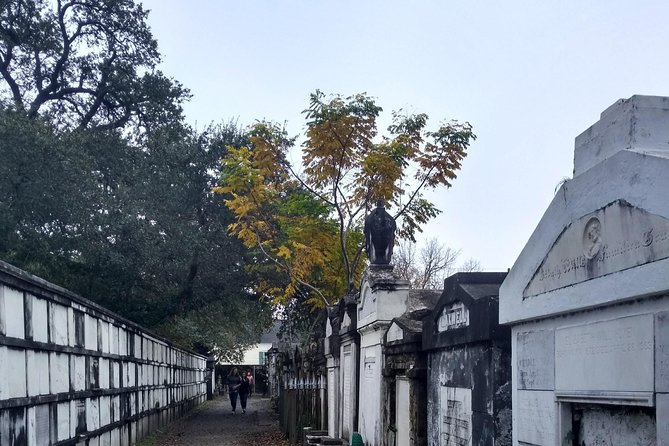
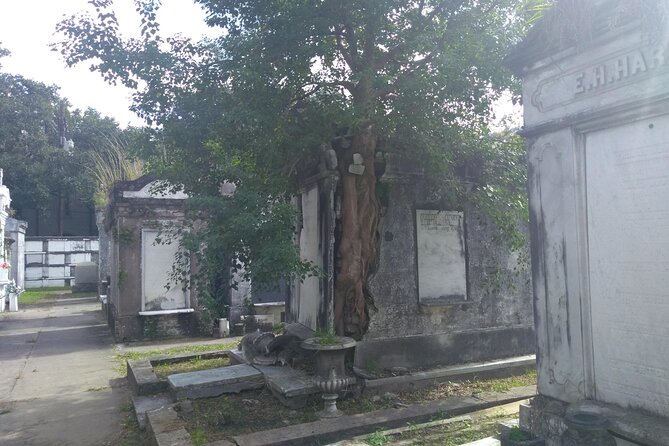
The Lafayette Cemetery stop is also a notable detail. It gives you a strong sense of how New Orleans handles memory and architecture in the same space. It’s not treated like a scary stop; it’s treated like part of the city’s identity—another place where you learn what locals notice.
As you move past mansions, you’ll likely start seeing why people love the Garden District for more than photos. The neighborhood has a consistent vibe: historic facades, a sense of order in the streetscape, and architectural personalities that feel different from what you saw earlier in the Quarter.
One drawback to keep in mind: the Garden District can involve uneven sidewalks and some extended walking between viewpoints. If your legs are the weak link, plan to take your time at photo stops and don’t force speed. The tour’s pacing is described as just right, but your comfort level still matters.






Architecture, culture, and why the comparisons actually help
A lot of tours repeat themselves: here’s a building, here’s another building, here’s a quick story, repeat. This one stays more focused because it compares neighborhoods and culture.
You’re basically training your eye:
- In the French Quarter, you learn how Creole and American influences show up differently.
- On the streetcar, you get the “how the city moves” angle.
- In the Garden District, you see how residential architecture and historic layouts create a different kind of streetscape.
I like that because it helps you later when you’re navigating on your own. By the time the tour ends near Magazine Street, you’re not starting from zero. You’ve got a mental map of why each area feels distinct.
And because the guide is local, the stories feel tied to the city itself. Leanne’s humor and family background also make it easier to remember what you learned. You don’t just hear facts; you catch impressions.
Price and value: what $165 gets you (and why it can be worth it)

At $165 per person for about 3 to 4 hours, this isn’t a bargain-basement walking tour. But it can be good value depending on how you travel.
Here’s what you’re paying for:
- Private, custom guiding services for only your group
- Streetcar rides as part of the itinerary, not something you have to arrange
- A route that covers multiple neighborhoods and key waypoints (Mississippi Riverwalk, Jackson Square area, French Quarter sites, Garden District mansions)
- A guide with deep New Orleans roots—Leanne’s perspective is a big part of why this tour rates so highly
If you’re the type who wants a guided route that also teaches you how to spot what matters, the price starts to make sense. You’re buying time with someone who knows how to connect the dots between architecture, culture, and traditions.
If you’re just trying to tick off landmarks quickly or you’re traveling on a tight budget, you might find this feels pricey compared to self-guided options. The deciding factor is whether you value local interpretation and a structured route.
Food stops and pacing: keep the tour moving, without rushing you
Snacks aren’t included. That said, the tour is set up so you can stop for food and drinks along the way if you want. The best part is that the schedule doesn’t treat breaks like lost time.
On this kind of route, pacing can make or break the experience. Here, the flow is described as well-balanced—long enough to see and learn, but not so long that you feel like you wasted your day stuck in “tour mode.” And yes, beignets and coffee come up naturally as a break you can work into the rhythm.
So if you’re craving a classic New Orleans break, bring some extra cash and plan to choose one stop you really care about. That way, you don’t end up buying snacks all day just to keep moving.
Getting around, fitness level, and weather reality
This is a walking-focused tour with streetcar rides. It’s a good match for people with moderate physical fitness. You’ll be on sidewalks and moving between points, including times when you’re standing for views or listening.
Two more practical realities:
- The tour requires good weather. If conditions are poor, it may be rescheduled or refunded.
- Service animals are allowed, and the tour is near public transportation, which is helpful if you’re combining it with other plans.
Who should book the Garden District tour with a local guide?
I’d put this tour at the top of your list if you want:
- A guided way to understand the difference between neighborhoods
- A local voice you can trust—especially someone like Leanne with generational ties
- A mix of walking plus the St. Charles Streetcar ride, so your day doesn’t feel like one long slog
It’s also a nice pick for first-time visitors who feel overwhelmed by New Orleans complexity. After this, you’ll likely feel more confident navigating on your own.
And if you’re celebrating something, this kind of private tour can feel more personal. You’re not competing with strangers for attention, and you can ask questions that fit your interests.
Should you book this New Orleans Garden District tour?
If you want a structured, local-led route that goes beyond surface sightseeing, I’d book it. The combination of Mississippi River context, French Quarter comparisons, and the St. Charles Streetcar ride gives you a fuller picture than most “just walk and look” tours. Plus, the humor and Leanne’s generations-deep connection to the city make it feel like you’re touring with a real insider.
Skip it if you have very limited mobility, hate walking in heat, or don’t care about architecture and neighborhood identity. If you’re more about wandering at your own pace with zero structure, a self-guided day might suit you better.
FAQ
How long is the tour?
The tour runs about 3 to 4 hours.
What does the price include?
The price includes streetcar rides and private, custom guiding services.
Are snacks included?
No, snacks are not included. You can stop for food and drinks along the way, but you pay for them separately.
Where does the tour start and end?
It starts at the Monument to the Immigrant in New Orleans and ends back at the same meeting point.
Is the tour in English?
Yes, the tour is offered in English.
What if the weather is bad?
The experience requires good weather. If it’s canceled due to poor weather, you’ll be offered a different date or a full refund.