REVIEW · NEW ORLEANS
St. Joseph and Felicity Plantation Combo Tour
Book on Viator →Operated by St. Joseph Plantation · Bookable on Viator
Two plantations, one ticket, at your pace. You’ll visit St. Joseph and Felicity in Vacherie and learn about the sugarcane trade and the enslaved people who powered it, plus spot filming locations from Twelve Years a Slave and more.
I also like that the tour uses one convenient ticket for entry to both sites, so you don’t spend your day juggling plans. And I’ve found the pacing to be calm and friendly—this is a tour where the guide keeps things moving without rushing you.
One thing to consider: each plantation stop is about 45 minutes, so if you want a super deep, stay-all-afternoon study session, you may wish for more time at each house.
In This Review
- Key things you should notice before you go
- The practical pitch: two plantations, one ticket, about three hours
- St. Joseph Plantation: houses, outbuildings, and sugarcane context
- Felicity Plantation: a more personal feel next to the museum-style experience
- How the tour handles slavery and the sugar economy with care
- Movie-location spotting: Twelve Years a Slave and more
- No-rush pacing: what the 45-minute stops feel like in real life
- Who should book this combo tour (and who might want a different pace)
- Getting the most out of your visit: comfort, timing, and weather reality
- Should you book the St. Joseph and Felicity Plantation combo?
- FAQ
- How long is the St. Joseph and Felicity Plantation combo tour?
- How much does the tour cost?
- Is admission to both St. Joseph and Felicity included?
- How long are the tours at each plantation stop?
- Is the tour offered in English?
- Does the tour include learning about enslaved people and sugarcane?
- Are filming locations part of the experience?
- Can I bring a service animal, and what’s the cancellation/refund policy?
Key things you should notice before you go
- One ticket, two plantations: entry covers St. Joseph and Felicity together.
- Working sugar plantation context: you’re not just looking at a stage set; the story is tied to sugarcane production.
- Respectful focus on enslaved people: the tour frames history in a thoughtful way, not as trivia.
- Sugarcane Museum stop: historic tools, photos, and documents help explain how cultivation worked.
- Film-location moments: you can connect real grounds to Twelve Years a Slave and more.
The practical pitch: two plantations, one ticket, about three hours
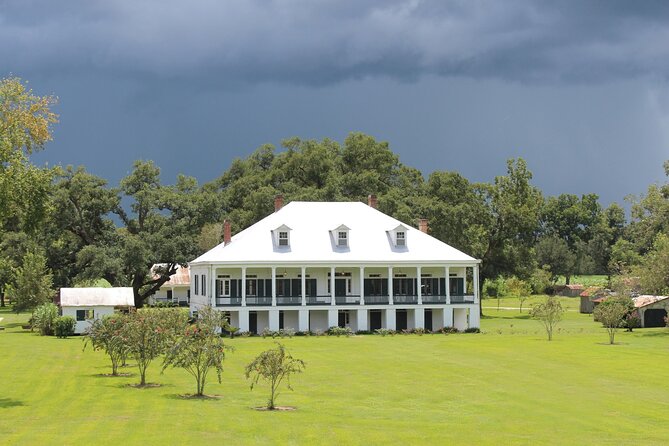
This combo tour is built for people who want a lot of meaning without a long, exhausting day. For $46 per person, you get admission to both plantation experiences using a single ticket, and the whole outing runs about 3 hours.
Timing is part of the value here. Each plantation portion lasts around 45 minutes, which is long enough for a real walk-through of the houses and key grounds, but short enough that you’re not stuck in one place until your brain goes numb. The reviews lean hard on the “no-rush” feel, and that matches the format: guides guide, then you’re out, refreshed, and ready for the second site.
If you’re basing your day out of New Orleans, this is also the kind of tour that makes planning easier. You know the duration, you know the stop structure, and you know you’ll hit both properties. That matters when you’re trying to keep your schedule realistic.
You can also read our reviews of more tours and experiences in New Orleans.



St. Joseph Plantation: houses, outbuildings, and sugarcane context
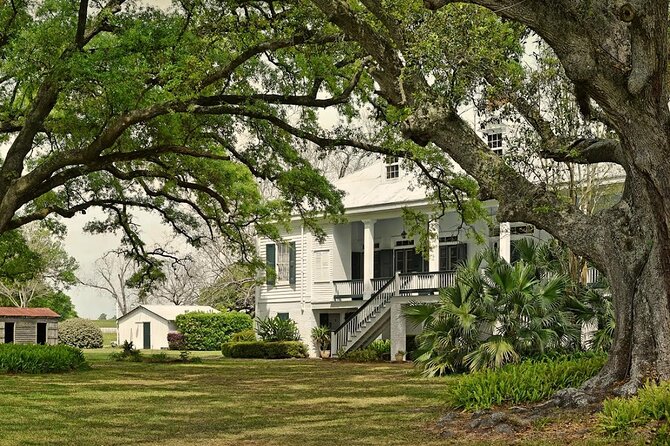
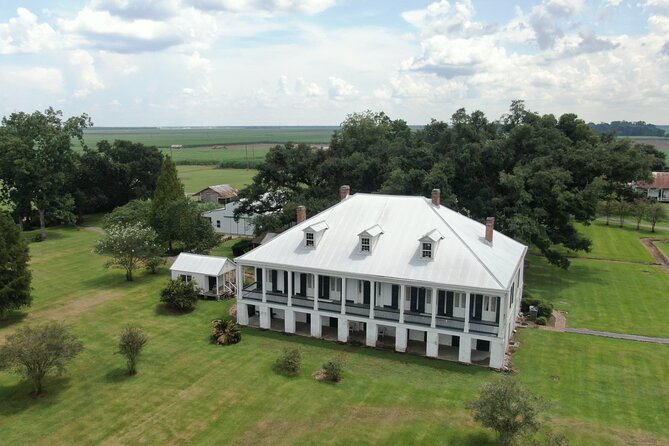
At St. Joseph, you’re led through preserved plantation houses where the architecture and furnishings reflect life across the 19th and 20th centuries. This isn’t just about pretty rooms. The layout and details are the clues that help you understand how the household functioned, how work lived beyond the main building, and how the plantation economy shaped everyday routines.
Then you move onto the grounds for original outbuildings, including cabins that were once inhabited by enslaved workers. That’s one of the most important parts of the day because it shifts the story from the front of the house to the human reality behind it. You’re given historical context as you see what’s still there.
A highlight within the tour is the Louisiana Sugarcane Museum, where you can look at historic tools, photographs, and documents connected to sugarcane cultivation. You’ll get a clearer sense of what “sugar plantation” actually means—how the crop was grown, and how production depended on a brutal system of forced labor. Even if you’ve read a little about Louisiana sugar history before, the museum materials help you connect the dots in a concrete way.
What to watch for: take your time looking at the outbuildings and cabin areas. The houses can feel like the main event, but the story lives in the spaces where daily labor happened.
Felicity Plantation: a more personal feel next to the museum-style experience
Felicity has a different mood, and that’s why the combo works so well. This is still tied to descendants of the original owner, so it can feel more original and less staged than a classic museum setting. In plain terms: it often feels like you’re stepping into a living legacy rather than walking through an exhibit hall.
You’ll tour the preserved plantation homes and walk the grounds, getting a chance to see how the property holds together as a whole place, not just a collection of rooms. You’ll also have more freedom to take photos inside and outside the homes, which is a real advantage if you like to capture details—doors, windows, decor, and the visual rhythm of the property.
The guides at both homes keep things practical and story-driven, and the best moments tend to come when they pause to explain what you’re looking at. One review highlighted how guides were friendly and stayed on top of the details, even when they weren’t fully sure—phrasing things in a careful, honest way instead of guessing.
Possible drawback to keep in mind: since each stop is about 45 minutes, Felicity won’t feel like a slow, long-form exploration. You’ll get the core experience, but you won’t have unlimited time for every room or every corner of the grounds.
How the tour handles slavery and the sugar economy with care
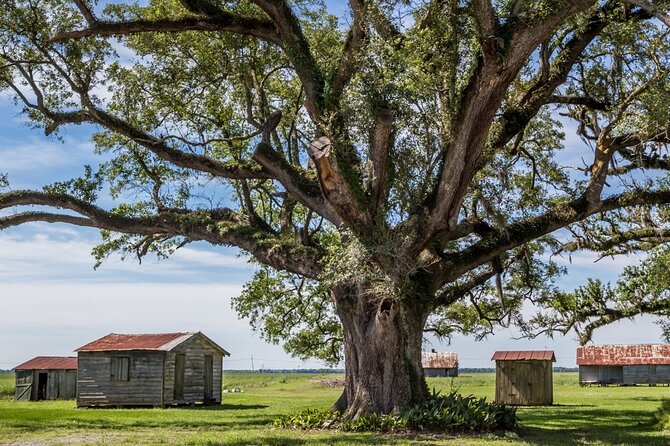
Let’s talk about the tone, because this is the heart of the day. The tour is designed to help you learn about enslaved people and the sugarcane trade in a respectful way, with guides providing history, culture, and architecture context as you move through the sites.
This matters because plantation tours can go wrong when they treat suffering like atmosphere. Here, the presence of cabins associated with enslaved workers and the sugarcane focus keep the conversation anchored to the real system that created plantation wealth. The museum materials reinforce that you’re not just seeing the aftermath—you’re learning the machinery and crop cycles that powered production.
I also like that the guides don’t try to inflate their certainty. In the best tours, you’ll hear careful language when something isn’t fully known. That sounds small, but it’s how you build trust. It also keeps the experience from turning into a dramatic monologue that steamrolls questions.
If you’re sensitive to this topic: you’ll likely appreciate the structure. The tour’s movement—house, outbuildings, cabins, museum—naturally separates themes. That makes it easier to process the information as you go.
Movie-location spotting: Twelve Years a Slave and more

One of the fun surprises is how often you’ll recognize places from film. As you explore, you can spot filming locations from Twelve Years a Slave and more, with guides pointing out sites where scenes were shot.
This is more than trivia if you go in with the right mindset. Film can make you think you’re watching a story disconnected from real terrain. Seeing those locations in person changes the scale. You start noticing distances, sightlines, and the way buildings sit on the grounds—details that cameras turn into emotion, but that you can actually measure with your own eyes.
If you’re a film fan, this layer adds energy to the tour. If you’re not, it still helps because it gives the guide a reason to talk about specific features of the property—what’s where, and why it matters visually.
My advice: don’t try to play detective the whole time. Let the guide point out the locations, then look around and compare what you thought you saw on-screen with what’s in front of you now.






No-rush pacing: what the 45-minute stops feel like in real life
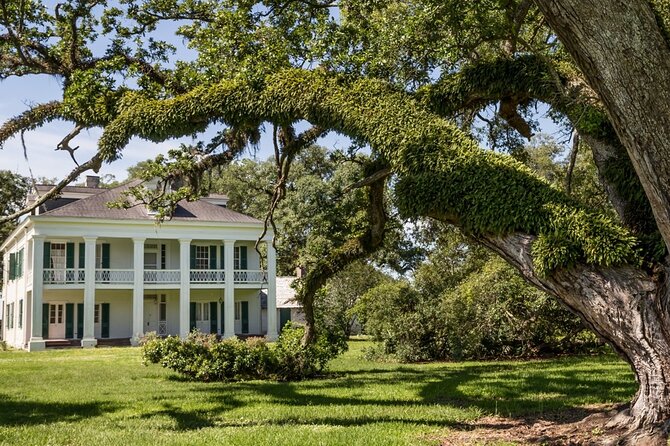
The combo tour is structured around two rounds of guided time—about 45 minutes at each plantation. That time window is long enough for you to see the core rooms, walk important grounds, and get explanations, but short enough that the tour stays energetic.
This is exactly why the reviews emphasize a calm, no-rush feel. In practice, it often means you can ask a question and get an answer without feeling like you’re slowing the line down. It also means you’re not left staring at an information placard, alone, while the rest of the group disappears.
Group size can vary. One review described a situation where the tour ran with only a few visitors, making it feel very personal. Even when it isn’t private, the guide-led format keeps you from feeling like you’re lost in a crowd.
Also, you’ll notice guides take time with the premises, pointing out details that you’d miss on your own. That pays off because plantation history is full of small cues—architectural choices, construction patterns, and the way the property is organized.
What to do during the stop: plan to walk at a steady pace and pause when something grabs you. If you’re in the “photos first” mode, you’ll miss some of the best explanations.
Who should book this combo tour (and who might want a different pace)
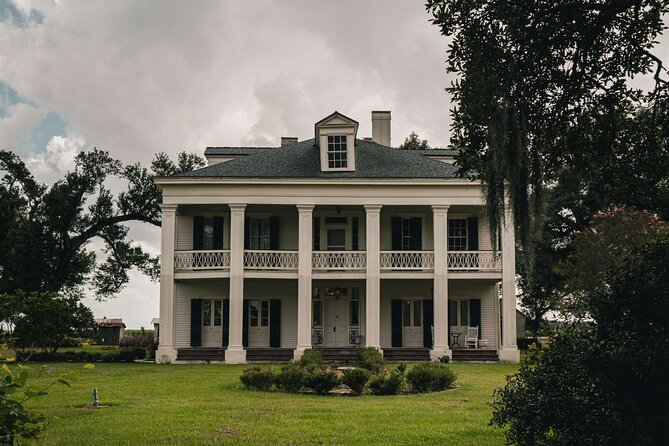
You’ll likely love this tour if you want a balanced mix of history, architecture, and sugarcane context without committing to a half-day or full-day adventure. It’s also a great match if you’re traveling with mixed interests: film fans get movie-location moments, house-and-details people get architecture and furnishings, and history-minded visitors get the plantation and sugarcane storyline.
It’s also a strong choice if you’re actively looking for a respectful way to learn about slavery. The tour includes spaces connected to enslaved workers and uses the sugarcane museum to anchor the story in how the crop and labor system worked together.
If you’re the type who likes to linger—reading every placard, re-walking rooms, and spending extra time on one building—this may feel a bit fast. Since each site is around 45 minutes, the combo gives you breadth over depth.
Finally, if your schedule is tight, you’ll appreciate the straightforward structure: two stops, one ticket, about three hours.
Getting the most out of your visit: comfort, timing, and weather reality

This experience depends on good weather, since you’ll be walking through grounds and moving between stops. That means you should dress for sun or light rain, and you should expect outdoor time as part of the “tour flow.”
Bring comfortable shoes. Plantation grounds include walking on paths and uneven areas, and you’ll want your feet happy so you can focus on what the guide is explaining instead of counting steps.
If you’re the kind of person who likes to read about places after, consider taking a few notes during the sugarcane museum portion. Historic tools, photos, and documents can spark follow-up questions, and jotting down what stood out helps you turn the visit into real learning.
And one more practical note: the tour is offered in English, and confirmation is received at booking time.
Should you book the St. Joseph and Felicity Plantation combo?
Yes, I’d book it if your goal is two plantation experiences in a single, well-paced outing that stays grounded in the sugarcane story. The big win is the combination of a single ticket for admission, a calm “no-rush” rhythm, and the way guides connect houses, grounds, and the sugar industry—plus film-location points from Twelve Years a Slave and more.
I’d skip—or at least rethink—if you’re seeking a long, slow, museum-level day where you can spend hours in one house and go ultra-deep on every detail. Here, you get the core experience at two sites.
FAQ
How long is the St. Joseph and Felicity Plantation combo tour?
The tour runs about 3 hours (approx.).
How much does the tour cost?
It costs $46.00 per person.
Is admission to both St. Joseph and Felicity included?
Yes. Your ticket provides entry to both St. Joseph and Felicity Plantations.
How long are the tours at each plantation stop?
Each tour lasts about 45 minutes.
Is the tour offered in English?
Yes, the tour is offered in English.
Does the tour include learning about enslaved people and sugarcane?
Yes. The experience explains the enslaved people’s role and the sugarcane trade in a respectful way, with history from guides and a sugarcane museum stop.
Are filming locations part of the experience?
Yes. You may spot filming locations from Twelve Years a Slave and more while on-site.
Can I bring a service animal, and what’s the cancellation/refund policy?
Service animals are allowed. You can cancel for a full refund up to 24 hours before the experience start time. If the experience is canceled due to poor weather, you’ll be offered a different date or a full refund.
If you want, tell me your travel dates and whether you’re more into history, architecture, or film connections—I can help you decide if this combo fits your day plan.