REVIEW · NEW ORLEANS
New Orleans Citywide Driving Tour
Book on Viator →Operated by New Orleans Private Tours · Bookable on Viator
New Orleans reads best from the window. This private citywide drive is a fast way to see how neighborhoods clash and connect—French Quarter charm, St. Charles Avenue elegance, and the Ninth Ward aftermath all in one half-day. I love that you get a personal guide (not a canned bus script), and you can ask questions as you go. I also like the built-in flexibility to pause for photos, a cemetery stop, or a museum moment without the day turning into a rigid checklist.
One watch-out: it’s a driving tour, so if you crave long walking time or want to control every minute yourself, you’ll want to plan for that. The route can run about 2–3 hours and may stretch or tighten with traffic and weather, so wear comfy shoes anyway and dress for the day.
In This Review
- Key things that make this tour worth your time
- A half-day drive that turns contrasts into a story
- The route you’re really booking: French Quarter to St. Charles and beyond
- City Park, the lakefront, and the Katrina storm-surge footprint
- Neighborhood history stops: cemeteries, sugar, and the 1884 World’s Fair thread
- University Section and the Tulane/Loyola angle on modern New Orleans
- Lafayette Square, French-versus-newcomer tensions, and the American sector shift
- World War II Museum, art district, the Superdome, and the port
- Price and what $595 per group gets you
- Who this tour suits best (and who should think twice)
- Meet the kind of guide you want on this route
- Should you book this driving tour?
Key things that make this tour worth your time

- A private minivan/mini bus route that covers about 50 miles without you doing the driving
- Hotel pickup and drop-off, plus a set start point at 701 Chartres St
- Flexible start times in the morning or afternoon (you pick what works)
- Cemetery, City Park, and lakefront stops mixed with modern city sights
- A guide-led history thread tying hurricanes, universities, fairs, and local industry together
A half-day drive that turns contrasts into a story
New Orleans can feel like two cities at once. One minute you’re staring at wrought-iron balconies in the French Quarter; the next, you’re looking at the real-life damage and resilience that shaped the skyline. This tour helps you see those connections instead of letting them blur together.
You’ll start near 701 Chartres St and end back at the same meeting point. From there, you’ll spend the day in motion in a private vehicle with a licensed, insured local guide. That matters more than you’d think. A city like this isn’t just about landmarks—it’s about why they sit where they sit, and how the people who lived here made choices that still show.
What I like most is the format: private time, open discussion, and the ability to stop when something grabs you. If you’re the type who wants one extra photo angle, or you’d rather trade one quick photo stop for a closer look at a favorite site, you can ask.
You can also read our reviews of more tours and experiences in New Orleans.



The route you’re really booking: French Quarter to St. Charles and beyond
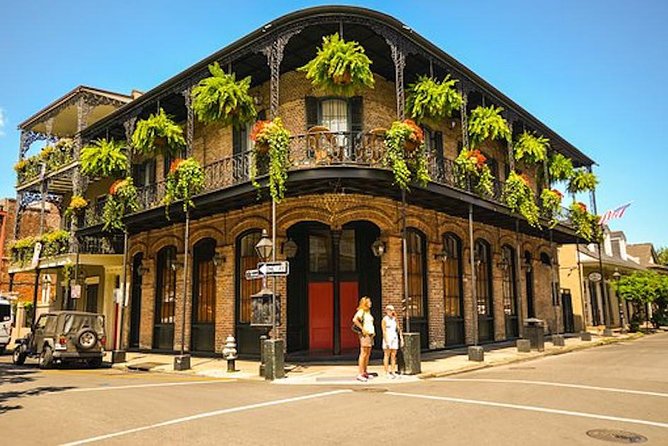
Even though it’s called a citywide driving tour, it doesn’t feel like a drive-by. You get a guided pass through major areas that usually take a lot more effort to cover on your own.
From the French Quarter, you’re guided through the neighborhoods and sights that help explain how the city grew and how it changed. You’ll pass areas like Marigny and Esplanade Avenue, then work toward City Park and the lakefront. After that, the tour heads through St. Charles Avenue, the University Section, and the Garden District, before reaching the central business district.
You don’t just see pretty streets and landmarks. You’re getting the story of how those areas developed—economically, politically, and socially—plus specific context that ties back to events you’ll recognize from history classes and TV documentaries.
A practical note: you’re moving through real traffic and real weather. That’s part of the New Orleans experience, but it also means the day may not match a perfect clock. Plan for a range, not a fantasy schedule.
City Park, the lakefront, and the Katrina storm-surge footprint
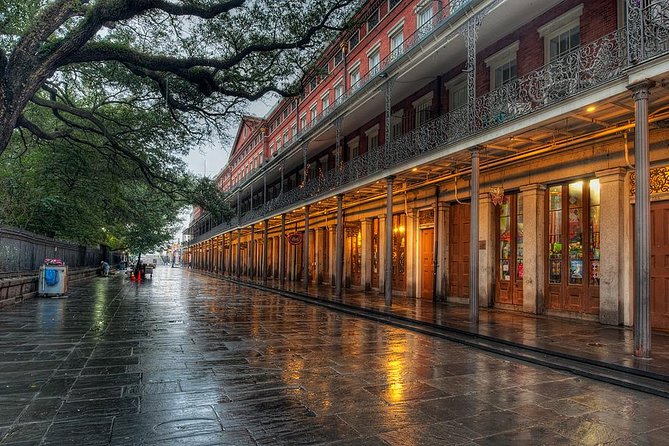
City Park is one of those places where New Orleans can feel peaceful—until the history reminders show up. On this tour, the stop doesn’t happen in a vacuum. You’ll learn the basic city setup first, then you’ll head through parts of town that connect to how the city sits against water.
The itinerary specifically includes City Park and the lakefront, and you’ll also discuss the storm surge from Hurricane Katrina making landfall. That topic can be heavy, but the value here is that it’s tied to the places you’re actually seeing. Instead of reading about damage later, you understand why certain parts of the city look the way they do now.
If you like tours that balance beauty with reality, this is the right mix. And if you’re not sure how much time to spend in City Park itself, the guide can steer you on whether you’re looking for a quick overview or a longer pause.
Neighborhood history stops: cemeteries, sugar, and the 1884 World’s Fair thread

New Orleans history isn’t linear. It stacks. A cemetery stop is one of the ways the city teaches you that lesson. You’ll have time to tour a cemetery along the route, and the guide uses that moment to talk about how the city carries its memory.
Then you’ll get a series of historical themes as the vehicle moves. One segment covers the invention of granulation of sugar and how that connects to the city’s past. There’s also discussion of the 1884 World’s Fair, plus how plantations fit into the broader story of wealth, labor, and change.
Here’s the practical value for you: if you’ve ever walked the French Quarter and felt like you’re missing the “why,” this is where the why shows up. You learn the backstory that explains what you’re seeing without turning the day into a lecture hall.
One thing to keep in mind: entrance fees for planned stops aren’t included. The tour is built for viewing and learning, but if you decide you want a longer museum or paid attraction time on the fly, budget extra.
University Section and the Tulane/Loyola angle on modern New Orleans
New Orleans has a strong academic presence, and it shapes neighborhoods and street life in ways you can spot once you know what to look for. This tour explicitly calls out Tulane and Loyola, plus discussion of the universities across the city.
The “why this matters” part: universities affect housing, food options, local business patterns, and even how you experience nightlife and public spaces. If you want New Orleans beyond the postcard level, this is one of the best ways to get there in a few hours.
You’ll see the University Section and move through areas like the Garden District, which helps connect the academic world to the city’s residential styles. It’s not just sightseeing—it’s learning how different parts of town grew around different needs.






Lafayette Square, French-versus-newcomer tensions, and the American sector shift
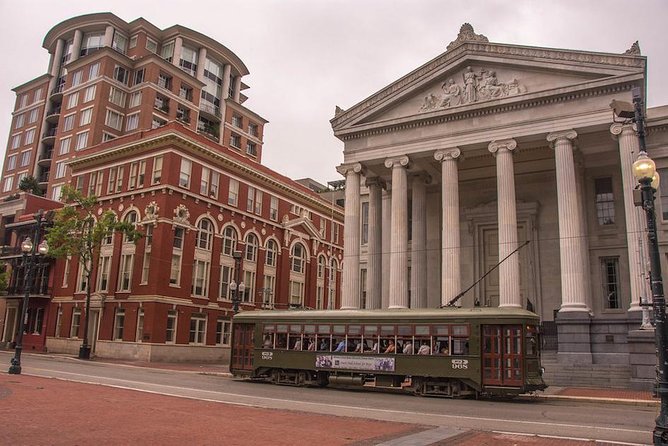
The tour covers more than one political era. You’ll hear about the development of the City of Lafayette and the struggles between the French and newcomers from the northeast after the Louisiana Purchase.
That theme pops up again when the tour shifts into discussions of the American Sector of the city. The guide ties these changes back to what you’ll see on the ground—different architectural styles, different neighborhood logic, and different power centers over time.
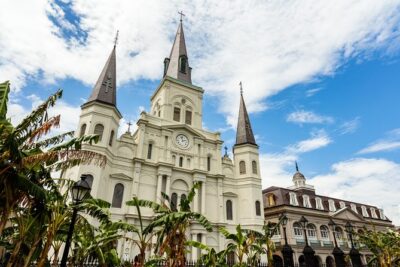
Then you’ll reach Lafayette Square, which is an anchor point for understanding how the city organizes itself in the middle of all the movement. If you’re the type who likes to learn while walking a little (or stopping often for photos), Lafayette Square is the kind of spot where the story “clicks” because it’s a known place with a clear setting.
World War II Museum, art district, the Superdome, and the port
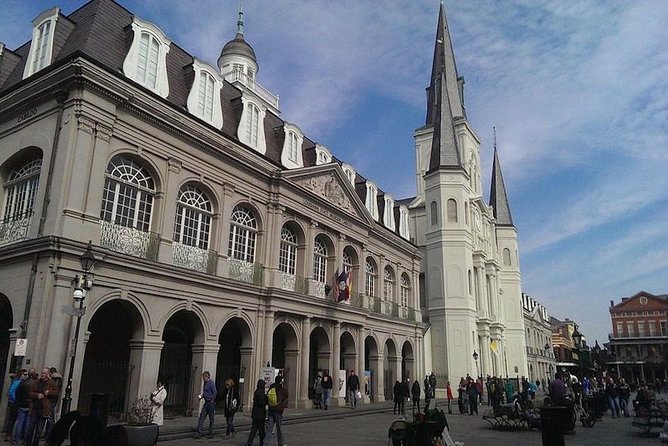
Modern New Orleans isn’t a footnote. It’s part of the story you’re learning, and the tour reflects that with stops and discussion that go beyond architecture.
You’ll talk about the World War II Museum, plus the art district, and you’ll visit Lafayette Square and continue toward major landmarks like the Superdome and the port.
These aren’t just big-name stops. They’re symbols of the city’s ongoing relationship with national events, industry, and global movement. The port connection is especially useful because New Orleans has always been shaped by shipping and trade. Seeing it from the road while the guide explains what’s behind it helps you understand why certain parts of the city feel built for commerce and others feel built for community.
If you’re short on time and want a broader sweep that doesn’t forget the present day, this section delivers.
Price and what $595 per group gets you
At $595 per group (up to 4), the price looks high if you compare it to a standard bus tour. But private driving tours are priced for time, access, and flexibility—and this one adds hotel pickup and drop-off plus a licensed guide and private transportation.
Here’s how I’d think about value:
- If you’re traveling as a couple or small group, splitting the cost can make it feel more reasonable fast.
- You’re paying for control. The ability to pick your start time, choose your pace, and request extra stops (for photos, refreshments, or a closer look at something) is real money saved in stress.
- You’re also buying context. The guide connects themes—Katrina’s storm-surge impact, sugar and the World’s Fair, universities, French–American shifts, and modern landmarks—so you don’t leave with a folder of random facts.
A small practical trade-off: because this is private, you’re not going to get that low-cost “just hop on” feeling. You’re committing to the experience. If you want to keep things casual and wandering on your own, this might be more than you need.
Who this tour suits best (and who should think twice)
This tour is a strong fit if you:
- Want to cover a lot of New Orleans in 2–3 hours without planning your route
- Like learning from a local guide who can answer questions as you go
- Prefer driving to walking when the weather is hot, wet, or unpredictable
- Want both the postcard sights and the hard history in the same day
You might think twice if you:
- Want a day made of long foot tours and lots of stops with minimal driving
- Don’t like being in a vehicle for stretches of time
- Need fully independent control over every detail without a guide shaping the flow
Meet the kind of guide you want on this route
One recent guide named Dominick stood out for being a long-time New Orleans resident with experience as a city planner. That kind of background is exactly what you hope for on a route like this, because it turns the city into a living map: how things fit together, why certain decisions were made, and what changes over time.
You don’t have to be a history nerd to benefit. You just need curiosity. The best part is that the guide keeps the discussion open, so your questions don’t feel like interruptions—they’re part of the day.
Should you book this driving tour?
I’d book this if you’re trying to make the most of limited time and you want a guided route that connects big-picture themes to real places. The price makes sense for small groups that want convenience, flexibility, and a coherent story instead of a grab bag of stops.
It’s also a smart move if you’re overwhelmed by the city on your own. New Orleans can be charming and confusing fast. This tour helps you get your bearings fast—without flattening the city into a set of talking points.
If you want, I can help you decide based on your travel style—are you more into architecture and neighborhoods, or into history and museums?