REVIEW · NEW ORLEANS
Soul of New Orleans City Tour: Enslavement to Modern Day Culture
Book on Viator →Operated by 2nd Line Tours/Experience · Bookable on Viator
New Orleans has a second story to read. This tour uses neighborhood walking stops and a moving, story-first guide to connect slavery’s legacy to present-day culture. I like that you get air-conditioned transport with a guide doing the navigation, so you’re free to focus on the people and places instead of maps.
Two things I especially like: you visit sites tied to African American life in New Orleans, and the guide supports the storytelling with video footage and clear pacing. One consideration: the topic is emotional, so if you want an all-party, low-feelings outing, this one may feel heavier than you expect.
In This Review
- Key takeaways
- Entering the Soul of New Orleans with a purpose-built route
- Price and value: $55 for transport, guided stops, and site admissions
- Getting started at 414 Canal St: where the tour begins and ends
- Stop 1: Treme, civil rights ground and the birthplace of jazz
- Stop 2: Congo Square and the meeting of African and Creole traditions
- Stop 3: Studio Be and the power of public murals
- How the guide turns facts into a moving neighborhood story
- The New Orleans that people remember after Hurricane Katrina
- Who this tour is best for (and who should consider another option)
- Small group limits and air-conditioned transport: comfort you’ll notice
- Weather, tickets, and cancellations: what to expect on the ground
- Should you book Soul of New Orleans City Tour: Enslavement to Modern Day Culture?
- FAQ
- How long is the Soul of New Orleans City Tour?
- What does it cost?
- Where does the tour start and end?
- What stops are included?
- Is transport included?
- What’s the cancellation policy?
Key takeaways
- Air-conditioned ride plus a guide up front means you spend less time figuring out streets and more time listening.
- Treme and Congo Square are treated like living history, not quick photo stops.
- Admission is built in for short, meaningful site visits.
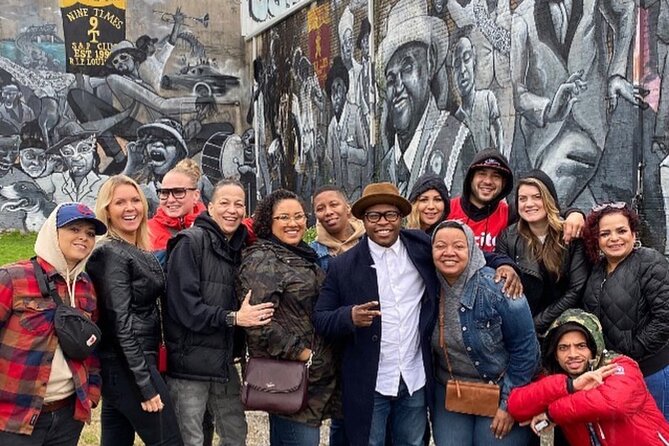
- Studio Be murals add a hopeful, creative layer to the story.
- Small groups (max 24) help keep questions in the flow.
- Guide-style storytelling often includes bus videos and slides to connect the dots.
Entering the Soul of New Orleans with a purpose-built route
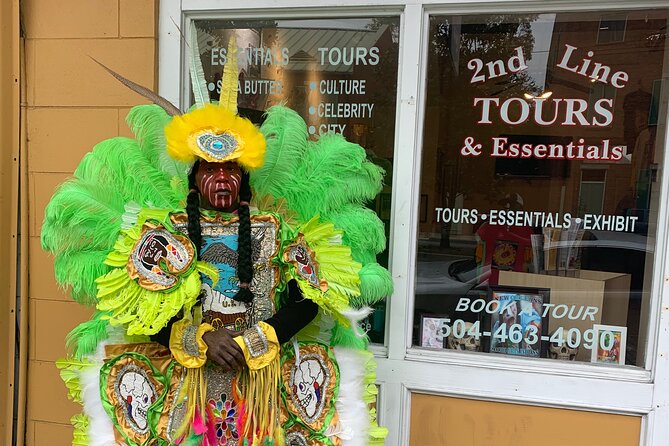
New Orleans is easy to experience wrong. If you only skim the surfaces, you miss the forces that shaped the city’s music, neighborhoods, and community life. This tour is built to keep the story grounded in people and culture, from the realities of enslavement to what still carries forward today.
What makes it practical is the structure. You’re not wandering alone across unfamiliar areas. The guide leads you, and the air-conditioned transport handles the in-between stretches, which matters in heat, humidity, or just plain travel exhaustion.
You can also read our reviews of more city tours in New Orleans



Price and value: $55 for transport, guided stops, and site admissions
At $55 per person for about 2 hours 45 minutes, the value comes from what’s included, not just the time. You get an organized route with air-conditioned transport, plus short visits where admission tickets are included.
That combo is especially useful in New Orleans because walking from stop to stop can quickly become a whole plan of its own. Here, it’s a plan you can show up to. With a small max group size (24 travelers), you also get a better chance of meaningful questions rather than feeling like you’re herded through a checklist.
If you’re comparing options, think of this as a “get your bearings fast” history-meets-culture tour, with enough guided time to make the neighborhoods feel real rather than abstract.
Getting started at 414 Canal St: where the tour begins and ends
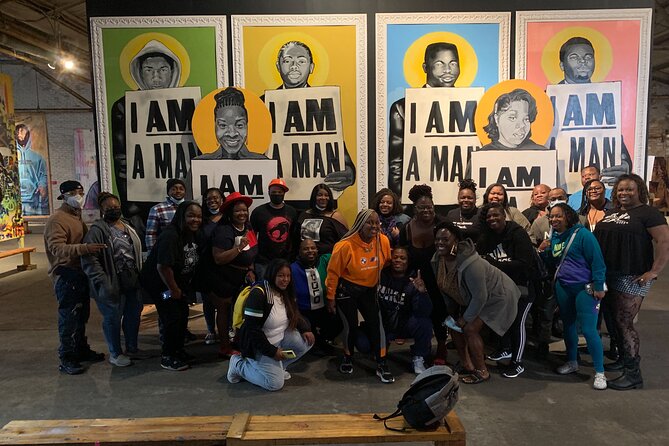
The tour meets at Adventures in New Orleans, 414 Canal St, New Orleans, LA 70130 and returns there at the end. That matters because Canal Street is easy to orient to, whether you’re arriving from another part of town or walking in from the French Quarter area.
You’ll also like the feel of a tour that doesn’t require you to plan transit. The tour notes it’s near public transportation, but you shouldn’t need to use it during the experience, since transport is included.
Also, it’s a mobile-ticket experience, and you’ll receive confirmation at booking time. In plain terms: less paper clutter, fewer steps on your end.
Stop 1: Treme, civil rights ground and the birthplace of jazz
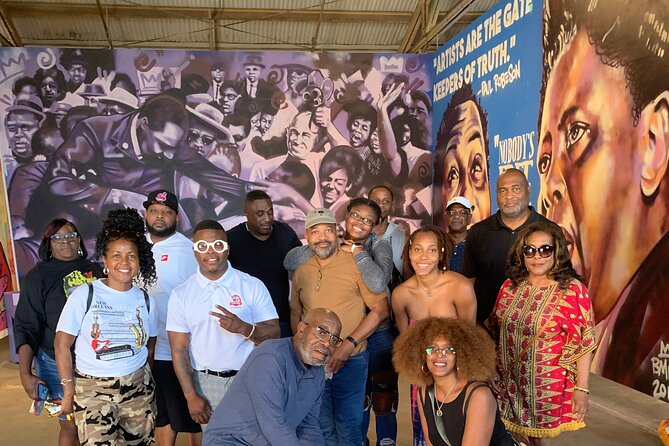
Treme is where New Orleans history stops being “background” and starts feeling personal. On this tour, you spend about 5 minutes at the stop, but the guide frames Treme’s role in the civil rights movement and highlights its significance as America’s oldest black community, along with its place as the birthplace of jazz.
The best part here isn’t just hearing facts. It’s the way the guide connects the neighborhood to the music you’re likely to hear elsewhere in town. You’re taught to read Treme as a cultural engine, not just a name on a map.
What to watch for: live-music energy is part of the neighborhood’s identity, so you may catch the rhythm of the area even during a brief stop. If your goal is to understand why New Orleans music has such deep roots, this is one of the most helpful stops.
Possible drawback: this is a short stop. If you want to linger for photos or longer explanations, plan to build extra time afterward on your own.
Stop 2: Congo Square and the meeting of African and Creole traditions
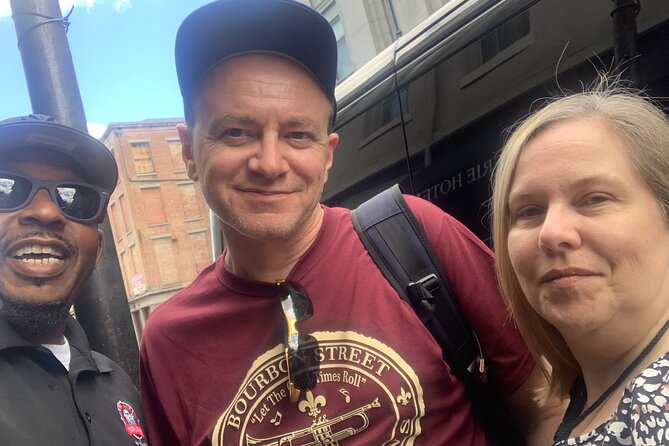
Next up is Congo Square, another stop built around meaning rather than length. Again, it’s about 5 minutes, but the storytelling focuses on the cultural mix that converged here—African rhythms and Creole traditions.
This is also where the tour brings in the human side of enslavement. You’re told stories about enslaved individuals who gathered in this space to share music, dance, and culture. That angle changes how you view the square. Instead of thinking of it as a historic landmark, you start seeing it as a place where people preserved identity and community through art.
Why this stop matters: it shows how culture isn’t only entertainment. It’s also survival, continuity, and shared memory.
How to get the most out of it: be ready to listen closely. The point isn’t to race through. It’s to let the guide’s explanation change what the place means in your mind.





Stop 3: Studio Be and the power of public murals
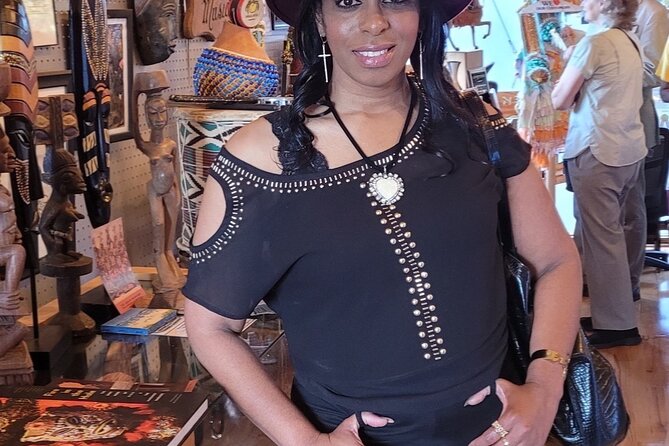
After the heavier, grounded history of Treme and Congo Square, Studio Be adds a different kind of emotion: creativity made visible. You get another short 5-minute visit, with time to observe some of New Orleans’ beautiful mural art.
Murals in neighborhoods like these aren’t just decoration. They’re community messages—visual storytelling that reflects pride, memory, and the ongoing work of being seen.
What I like about placing this stop here: it helps you carry the story beyond tragedy. If all you experience is the pain, you miss the resilience. Studio Be gives you a chance to see that resilience in color.
One note to plan around: since the stop is brief, bring an eye for detail—colors, figures, and symbols. If you care about street art, you’ll probably want more time later.
How the guide turns facts into a moving neighborhood story
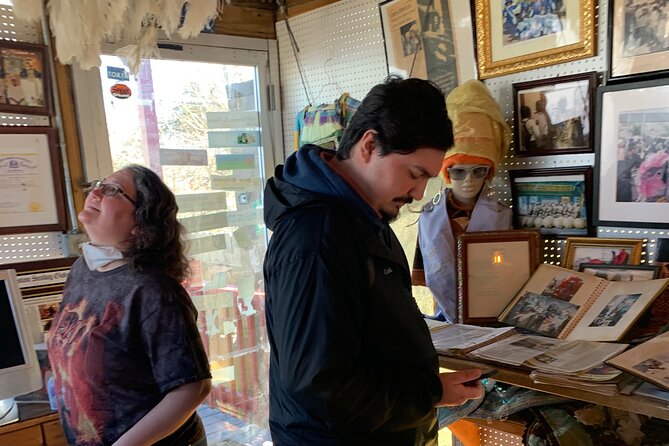
This is a story-first tour, and the guide quality is a big part of the experience. People have highlighted guides such as Jay and Dennis for thoughtful delivery, answering questions, and never rushing the group. You’ll also hear that the tour uses video footage and slides to connect what you’re seeing with the larger narrative.
That pacing matters. New Orleans has a lot of layers. A good guide doesn’t just list dates. They help you connect what you learned in one neighborhood to what you’ll notice in another.
I also like the way the tour seems built to keep you engaged even when you’re sitting in the bus. If you tend to space out on long rides, the structure here helps you stay with the story.
And there’s something else practical: because the guide leads and the route is organized, you don’t have to worry about navigating unfamiliar areas. That alone can make a history-focused tour feel more comfortable.
The New Orleans that people remember after Hurricane Katrina
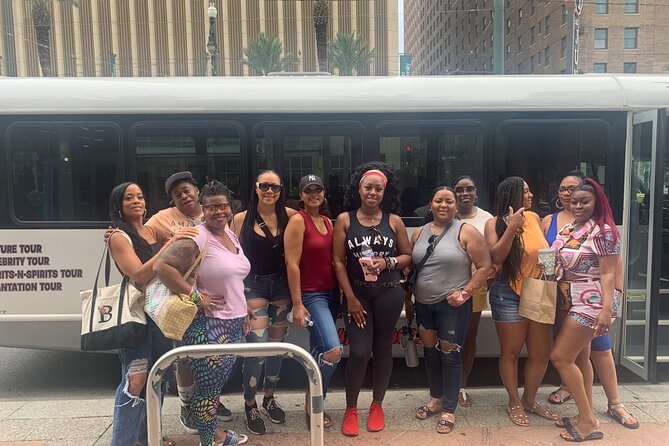
One more thing you may notice as you go, depending on the exact flow of your departure: many participants mention moments tied to the Lower 9th Ward and the continuing visual impact of Hurricane Katrina. People describe it as sad, but also informative, with clear explanations tied to what you’re seeing on the ground.
Some groups also mention meeting community figures such as Dr. Leona Tate and learning about topics linked to desegregation and school integration, including references like the McDonogh Three. Others bring up art history elements tied to local figures and creative works.
I can’t promise every single detail happens on every departure, but the theme is consistent in the way people talk about the tour: you’re not just learning abstract “history.” You’re learning how that history still shows up in neighborhoods, schools, and community life.
If you’re sensitive to heavy topics, give yourself mental room. This tour can feel like a guided walk through real challenges—then it moves you toward the parts where people rebuilt and kept culture alive.
Who this tour is best for (and who should consider another option)
This is a strong fit if you want more than a sightseeing loop. If you’re the kind of traveler who asks why a neighborhood sounds different, why the music matters, or why specific public spaces carry weight, you’ll probably enjoy it.
It’s also a good option for solo travelers. You’re part of a group, but the format supports questions and interaction, and the tour length is short enough that you can still enjoy the rest of your trip.
If you’re traveling with teens or multigenerational groups, the tour’s mix of bus storytelling plus short site stops tends to work well. People have pointed out that it can hold attention across ages.
Consider another option if you’re looking for a light, party-focused afternoon only. This one deals with enslavement’s legacy and modern-day consequences through the lens of culture and community.
Small group limits and air-conditioned transport: comfort you’ll notice
With a maximum of 24 travelers, the group size is tight enough to feel human, not chaotic. That can make a difference when a guide is trying to answer questions or explain context without sounding rushed.
And the air-conditioned transport matters more than you’d think. New Orleans heat can wear you down fast, and history tours require mental energy. Having rides between stops lets you stay sharper for what’s being explained.
If you get motion-sick, you may find that frequent short transitions help. If you hate riding buses, though, this tour still includes transport as a core feature, so it’s not a walking-only experience.
Weather, tickets, and cancellations: what to expect on the ground
The tour requires good weather. If conditions aren’t right, you’ll be offered another date or a full refund. That’s a practical detail for a city where plans can get interrupted by rain.
You can also cancel for free up to 24 hours in advance for a full refund, but within 24 hours the cost isn’t refunded. Plan with enough buffer if your schedule is tight.
Should you book Soul of New Orleans City Tour: Enslavement to Modern Day Culture?
If your goal is to understand New Orleans beyond the postcard, I’d say yes. The tour’s biggest strength is that it keeps the story anchored in places tied to African American life—Treme, Congo Square, and Studio Be—and it uses transport and guided pacing to make the experience manageable.
Book it if you want a tour where the guide’s work matters, where video and storytelling help connect the dots, and where you’re likely to leave with a clearer sense of how culture persisted through hardship.
Skip it only if you want a purely casual outing. This one leans emotional, and the point isn’t to forget that. It’s to learn, see, and understand why the soul of New Orleans is still felt today.
FAQ
How long is the Soul of New Orleans City Tour?
The tour lasts about 2 hours 45 minutes.
What does it cost?
It costs $55.00 per person.
Where does the tour start and end?
It starts at Adventures in New Orleans, 414 Canal St, New Orleans, LA 70130 and ends back at the same meeting point.
What stops are included?
The tour includes stops at Treme, Congo Square, and Studio Be, each with an admission ticket included.
Is transport included?
Yes. The tour includes air-conditioned transport, and you do not need public transport to get between areas during the tour.
What’s the cancellation policy?
You can cancel up to 24 hours in advance for a full refund. If you cancel less than 24 hours before the start time, the amount paid is not refunded. If the tour is canceled due to poor weather, you’ll be offered a different date or a full refund.