REVIEW · NEW ORLEANS
Small-Group Laura and Whitney Plantation Tour from New Orleans
Book on Viator →Operated by Tours by Isabelle · Bookable on Viator
Two plantations, one hard truth. This small-group Laura and Whitney Plantation tour pairs guided Creole storytelling at Laura with a self-guided, app-based audio walk at Whitney that confronts slavery head-on. I love the 14-passenger van feel and the way driver-guides like Giselle or René set context on the road. I also love that Whitney’s visit is built around the Museum of Slavery and specific memorial spaces. The only drawback: Whitney is self-guided on your phone, so you’ll listen mostly without live Q&A in the moment.
Plan for a full, absorbing day. You’ll start with hotel pickup around 11:00am, ride out past Lake Ponchartrain and along the Great River Road, then split time between Whitney Plantation (about 1.5 hours), a quick photo stop at Evergreen, and a guided Laura Plantation tour (about 1.5 hours). You’ll end with drop-off back at your pickup point in mid-afternoon or early evening.
In This Review
- Key highlights worth centering
- From New Orleans to plantation country on a 14-passenger van
- Whitney Plantation self-guided audio: how to handle a heavy visit
- Evergreen Plantation: the quick oak-lined photo moment that refreshes the day
- Laura Plantation guided tour: Creole architecture, slave quarters, and folktale threads
- Drive-by film locations and the little road stories you’ll remember
- Price and logistics: does $159 feel fair for six hours?
- What to bring (so the day goes smoothly)
- Who should book this tour, and who should consider another option
- Should you book the Laura and Whitney small-group tour?
- FAQ
- Is pickup from hotels included?
- What time does the tour start and how long is it?
- Is Whitney Plantation guided or self-guided?
- Do I need headphones for Whitney?
- What admission fees are included?
- Will I have time to see the Laura mansion and slave quarters?
- Is food included during the tour?
- How big is the group?
Key highlights worth centering
- Small-group travel (max 14): less crowd noise, more real conversation on the ride
- Whitney Plantation audio app: phone-based self-guided walk through cabins, church, kitchen, and memorial spaces
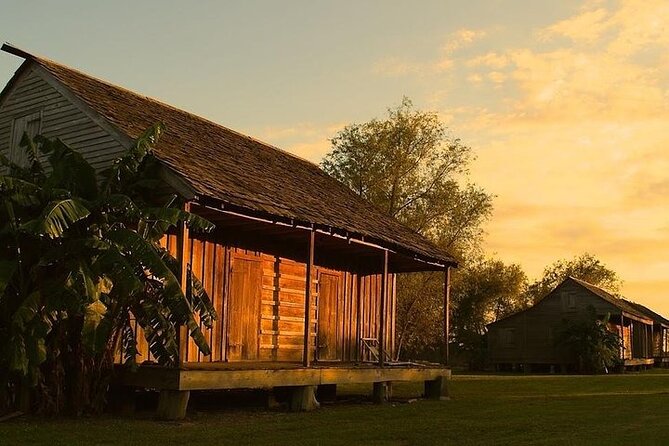
- Laura Plantation guided tour: mansion, outbuildings, and slave quarters plus Creole culture stories and West African folktale connections
- Time-efficient route: Lake Ponchartrain drive + photo moments at Evergreen without dragging the day out
- Guides who balance mood: history-first narration that can turn sobering topics into something you can actually process
From New Orleans to plantation country on a 14-passenger van
This is the kind of New Orleans outing that starts by getting your bearings fast. Pickup runs from many central areas—uptown near St. Charles Ave., the French Quarter area, and on the Westbank—with exact pickup times sent the day before. Since the group is limited to 14 people, the van ride doesn’t feel like a herd. It’s also air-conditioned, which matters in Louisiana’s weather swings.
Once you’re on the road, your driver-guide gives lively commentary as you head out via Lake Ponchartrain and along the Great River Road. That matters more than it sounds. If all you do is arrive at the plantation gates with only general knowledge, the day can feel like two separate attractions. With the on-road context, you start connecting the dots before you ever step out of the van.
A useful bonus from the route: there are short roadside photo chances. Some people have gotten views of other major plantation spots from the road—like Oak Alley—without turning this into an all-day driving contest. Expect drive-by moments more than extended stops, but they help you understand how the plantation world sat in a broader landscape of estates.
You can also read our reviews of more tours and experiences in New Orleans.

Whitney Plantation self-guided audio: how to handle a heavy visit
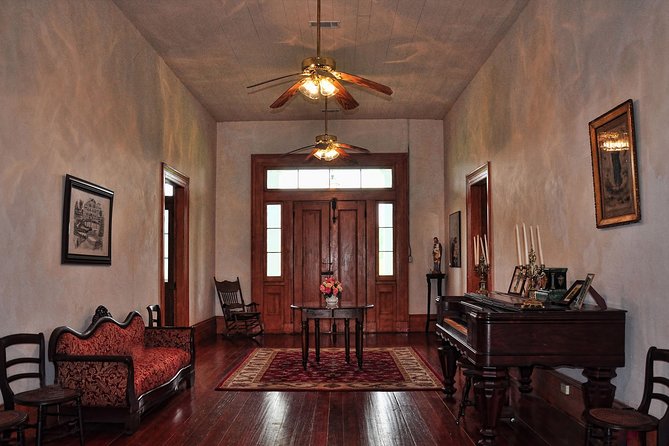
Whitney Plantation is the emotional anchor of this tour. You spend about 1 hour 30 minutes on a self-guided audio walking tour, and you’ll use your own cell phone with the Whitney Tour App. When you book, your confirmation includes a link to download it, and the tour specifically encourages you to bring headphones for sanitary safety.
Here’s what you can expect to see, in plain terms:
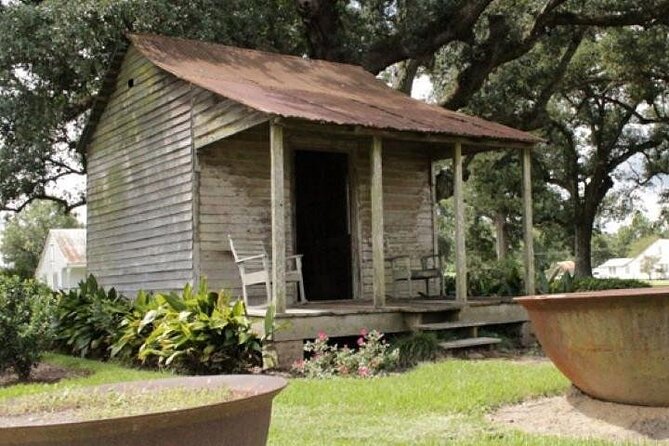
- slave cabins
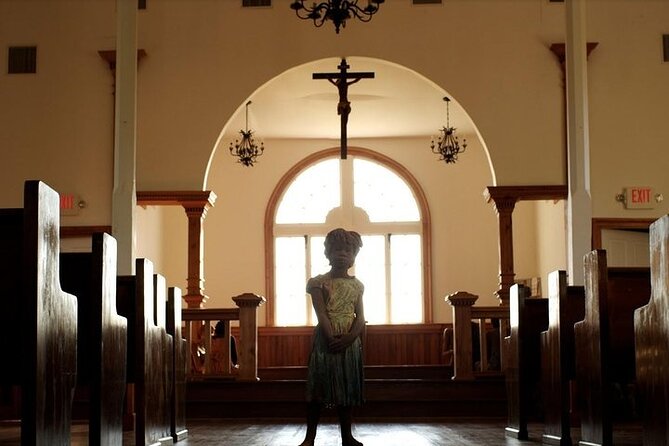
- a freedmen’s church
- a detached kitchen
- a 1790s owner’s house
- memorials honoring people enslaved on the grounds
The site is tied to a historical plantation established in 1752 and focused on sugar, rice, and indigo—so you’re not just looking at buildings. You’re reading the story of a system that lasted more than a century. Whitney’s Museum of Slavery is part of the visit, and it’s designed to keep the emphasis on the lives of people held in bondage.
Because the experience is app-based, you should plan to treat it like an intentional quiet hour rather than a casual stroll. If you’re traveling with low phone battery anxiety, charge your device ahead of time. If you’re sensitive to heavy subjects, take breaks when you need them; self-guided tours let you slow down. The trade-off is real, though: you won’t have a live docent in your ear the whole time, and one person noted they wished for more personalized guidance. Still, the structure works well when you want to absorb details at your own pace.
Evergreen Plantation: the quick oak-lined photo moment that refreshes the day
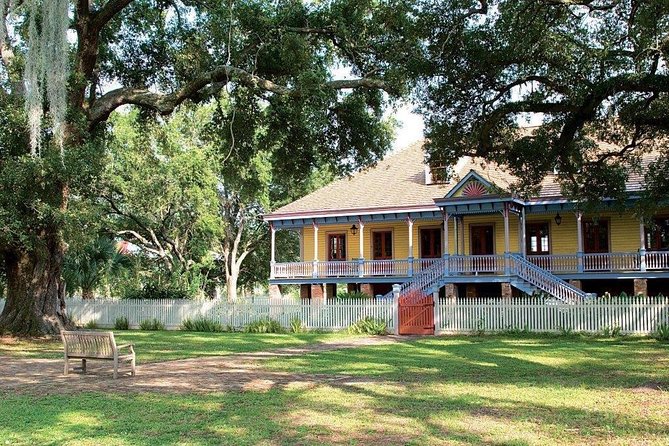
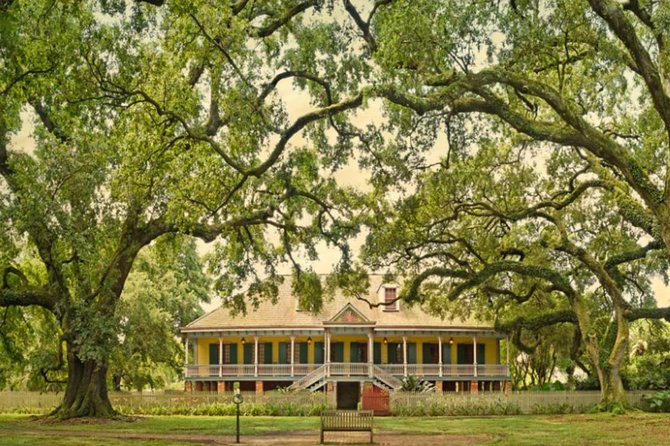
Between the two larger stops, you get a short breather at Evergreen Plantation. This is mostly a photo stop—about 5 minutes—with no paid admission. You’ll see Evergreen’s famous oak-lined esplanade, which gives you a classic Louisiana plantation vista in a fast, controlled hit.
Think of this as a reset button. Whitney can leave your head spinning. Laura follows with a guided tour and lots of culture and architecture details. Evergreen’s quick arrival helps you shift from “systems and suffering” to “place and built environment” without losing momentum or turning the day into a multi-stop marathon.
Don’t expect time to wander here. If you want the oak-lined view on camera, you’ll want to be ready when your group arrives.
Laura Plantation guided tour: Creole architecture, slave quarters, and folktale threads
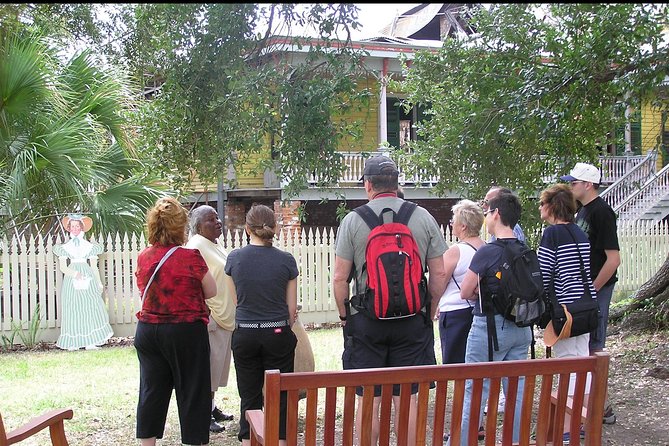
After Evergreen, you ride through sugar cane fields to reach Laura Plantation. This part of the drive matters because it sets up what you’ll see next: Laura is a Creole plantation with distinctive, colorful architecture, and the tour is designed to reflect both charm and tragedy side by side.
Your visit at Laura is guided, about 1 hour 30 minutes. You’ll tour:
- the mansion
- outbuildings
- slave quarters
One reason this stop lands well for many people is that the guide ties the story to Creole culture. The tour includes stories about four generations of Creole owners and their enslaved community, and it also connects to West African folktales—said to be an inspiration for the Br’er Rabbit stories you may recognize from popular American folklore.
Then you get time to meander through the flower and vegetable gardens. It can feel beautiful in the way old Southern gardens can be beautiful—and that’s exactly why it’s important. The gardens sit beside sugarcane fields that act as a visual reminder of how tightly farming, labor, and inequality were linked.
If you’ve done other plantation tours, you’ll still likely find Laura worthwhile because it adds a different angle than a purely architecture-and-owner-focused visit. It centers the living spaces and stories rather than treating the plantation as just a scenic backdrop.
Drive-by film locations and the little road stories you’ll remember

A nice feature of this tour is what happens between stops. As you move along, you’ll do drive-bys that give cultural context for how plantation settings show up in modern storytelling. The van route includes sightings of filming locations tied to movies and TV such as 12 Years a Slave, Django Unchained, Skeleton Key, and Queen Sugar.
You’ll also likely pass the tree-lined alley in front of the mansion. These details can seem minor, but they help you map what you’re later seeing in front of you. It’s the difference between looking at a postcard and understanding where the view sits in real space.
One more thing: drivers on this route often keep the road part engaging. Names that have come up include Giselle, René, Robert, and Ellen as driver-guides who share history while still handling the practical challenge of New Orleans driving—especially during parade season. Even if you’re not traveling during Mardi Gras, the streets can be chaotic; a confident driver means you stay relaxed enough to focus on the stories.





Price and logistics: does $159 feel fair for six hours?
At $159 per person, the tour isn’t a bargain snack. But it’s also not overpriced for what you’re getting. You’re paying for:
- round-trip transportation in an air-conditioned 14-passenger van
- guided touring at Laura Plantation (not just a drop-off)
- self-guided admission at Whitney, supported with an app-based audio experience
- a driver-guide who provides onboard narration
- included time at Evergreen for a quick photo moment
Most of the value here is about reducing friction. You don’t have to arrange separate transportation to each plantation, fight schedules, or figure out how to fit everything in one day. For many visitors, that alone is worth real money.
Also, admissions for both Whitney and Laura are included in the tour price, while Evergreen’s photo stop is free. You’ll still want to budget for food and drinks on your own—there’s no meal included, though purchases are available.
The day runs around 6 hours. That’s a workable length for a topic like this. If you try to do two plantations solo with no help, you risk spending most of the time managing logistics instead of learning. Here, the planning is done for you, and you get a focused route with enough time at both sites to actually absorb the experience.
What to bring (so the day goes smoothly)
This is a practical tour in a practical part of Louisiana—meaning your comfort matters when the subject matter gets heavy.
Bring:
- headphones for Whitney’s app-based audio tour (sanitary safety is specifically encouraged)
- your charged cell phone (the Whitney experience relies on it)
- comfortable walking shoes for the self-guided grounds
- a light layer for the van ride and any weather swings
You’ll also want to think about emotional pacing. Whitney is raw and confrontational. Laura is story-rich and also includes slave quarters and tragic realities. If you know you’ll need breaks, plan to take them rather than rushing because you feel pressed by the schedule.
Finally, remember that food and drinks aren’t included. If you tend to get cranky when hungry, pack a small snack for the time gap, or plan to buy something during the day.
Who should book this tour, and who should consider another option
Book it if you want a two-plantation comparison in one day: Whitney for the slavery-centered, memorial-focused experience, and Laura for Creole culture, architecture, and guided context at a different plantation site.
This is also a strong pick for history-minded travelers who don’t want a big bus crowd. The max 14 travelers helps keep the experience calm enough to ask questions on the ride and to process what you’re seeing on the grounds.
You might choose something else if:
- you strongly prefer live docent guidance at every step (Whitney is self-guided via app)
- you want a lighter, purely scenic plantation tour
- you have low phone comfort or would struggle with the app-based format
One helpful note: a few guides have been cited by name in positive accounts, including Gisele, René, Renee, Krysten, and Crystal at Laura. That suggests the tour company typically assigns guides who can keep narration lively while still respecting the seriousness of the material.
Should you book the Laura and Whitney small-group tour?
I think you should book this tour if you’re coming to New Orleans for real context, not just postcards. The pairing works: Whitney gives you the hardest truths through an intentionally structured, audio-driven walk, and Laura adds guided depth through Creole stories and West African folktale connections tied to Br’er Rabbit.
If you’re okay doing a self-guided segment at Whitney and you can bring headphones plus a charged phone, you’ll get a lot of value out of the format. If you need full live guidance at every moment, you might feel the self-guided part more than you expect.
My practical bottom line: this is a solid $159 day trip when you want both history and clear logistics, with a small group size that helps you stay human while the stories get heavy.
FAQ
Is pickup from hotels included?
Yes. Pickup is offered in New Orleans at any hotel, Bed & Breakfast, and select Airbnbs, including areas uptown near St. Charles Ave., in and close to the French Quarter, and on the Westbank. The exact pickup time is provided by the supplier the day before.
What time does the tour start and how long is it?
The start time is 11:00am, and the duration is about 6 hours. The tour ends with drop-off back at your point of origin in the mid-afternoon or evening.
Is Whitney Plantation guided or self-guided?
Whitney Plantation is self-guided. You’ll use a Whitney Tour App on your cell phone for the audio walking tour.
Do I need headphones for Whitney?
It’s encouraged. The tour recommends bringing your own headphones for sanitary safety while using the audio app.
What admission fees are included?
Admission tickets are included for Whitney Plantation and for Laura Plantation. Evergreen Plantation has a free photo stop.
Will I have time to see the Laura mansion and slave quarters?
Yes. At Laura Plantation you’ll have a guided tour that includes the mansion, outbuildings, and slave quarters, plus time to walk through the gardens.
Is food included during the tour?
No. Food and drinks are not included, but purchases are available.
How big is the group?
This experience is limited to a maximum of 14 travelers, using an air-conditioned 14-passenger van.