REVIEW · NEW ORLEANS
New Orleans: Pestilence and Plagues Guided Tour
Book on GetYourGuide →Operated by Unique NOLA · Bookable on GetYourGuide
Fever stories walk beside you. This New Orleans pestilence and plagues guided tour is a focused walk through the French Quarter, telling how outbreaks shaped everyday life and how the city clawed its way back.
I especially like the way the tour keeps swapping “scary” for “explainable.” You get clear stories about Yellow Fever and Cholera, how people lived when disease was a constant threat, and why certain conditions made outbreaks worse. It’s history with cause-and-effect, not just dates on a plaque.
One consideration: the subject is grim, and you’ll take it rain or shine. You’re also walking about a mile, and the tour can run a bit long, so plan your afternoon with some buffer.
In This Review
- Key things to know before you go
- Pestilence in the French Quarter: what this tour is really about
- Meeting on Toulouse Street and keeping your feet happy
- Following the spread: Yellow Fever, Cholera, and why places mattered
- Squalid conditions and the everyday mechanics of outbreaks
- Mosquitoes, illness, and the city’s invisible enemy
- When medicine wasn’t enough: voodoo, religion, and coping
- Resilience after the fever: how New Orleans adapted
- Guide power: why Dane and Delvin-style storytelling clicks
- Price and value: is $37 for 2 hours worth it?
- What kind of traveler should take this tour?
- After the tour: use your new lens while you explore
- Should you book this pestilence and plagues walk?
- FAQ
- How long is the New Orleans pestilence and plagues guided tour?
- What does it cost?
- Where do I meet the guide?
- How far will I walk?
- What language is the tour guide?
- Does the tour run in bad weather?
- Is video recording allowed?
- What should I bring?
- Is the tour wheelchair accessible?
- Can I cancel if my plans change?
Key things to know before you go
- A 2-hour French Quarter walk that covers about a mile total
- Yellow Fever and Cholera are the headline diseases, with others woven in
- Disease spread explained through daily life factors like sanitation and insects
- Voodoo, religion, and unconventional medicine show up as part of the coping toolbox
- Outbreaks to recovery: you’ll end with how New Orleans adapted and returned
Pestilence in the French Quarter: what this tour is really about
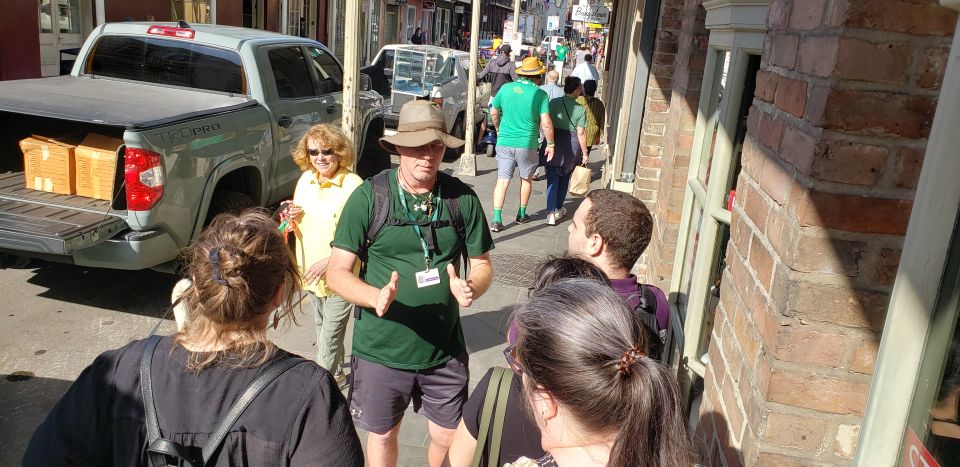
New Orleans is famous for music, food, and architecture. But under that shine, the city also carried a long record of outbreaks. This tour leans into the darker side on purpose, walking you through the way epidemics hit the Crescent City and how people tried—often with limited tools—to stop them.
The big win is the balance. You’re not just hearing that thousands died. You’re learning the mechanisms: how disease spread, why certain neighborhoods and conditions made transmission easier, and what people did when they had fear, faith, and whatever medicine they could access. That turns the story from gloomy to useful. You come away understanding the logic of why outbreaks happened where they did.
And you’ll hear the resilience angle too. The ending matters. The story doesn’t stop at collapse; it follows the slow work of recovery and adaptation that allowed New Orleans to keep going.
You can also read our reviews of more guided tours in New Orleans



Meeting on Toulouse Street and keeping your feet happy
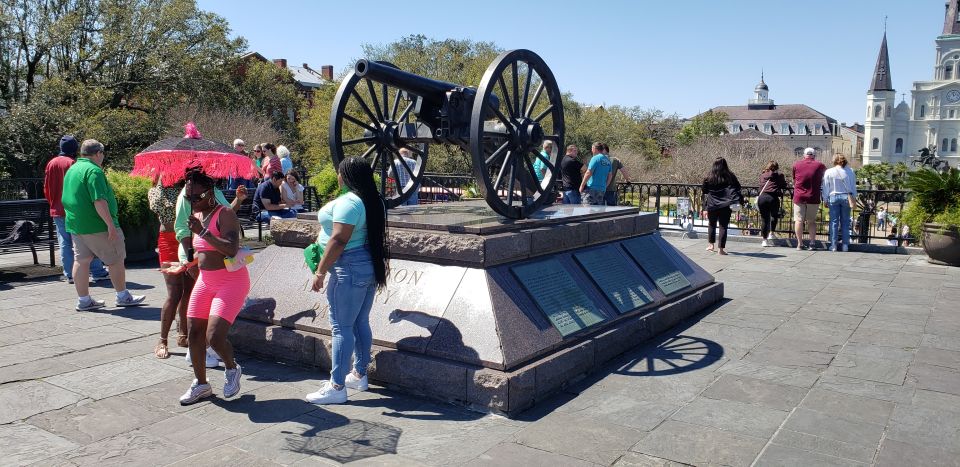
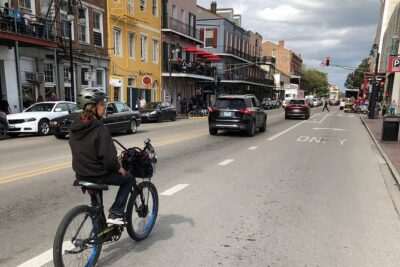
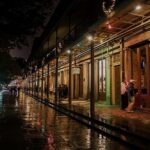
You meet your guide in front of the activity provider’s store on Toulouse Street. That’s a practical start point because Toulouse is easy to find and it puts you right in the heart of the French Quarter’s street grid.
The tour runs about 2 hours and covers roughly 1 mile on foot. That’s not a long distance, but it’s also not a sit-down lecture. You should wear comfortable shoes and treat this like a walking storytelling session through dense, older streets where you’ll be stopping frequently.
The tour is described as rain or shine, which is important in the Gulf Coast weather pattern. If you’re someone who hates getting wet, bring what you need to stay comfortable. And keep in mind the tour may run over the allotted time, so don’t schedule something back-to-back that you can’t move.
Following the spread: Yellow Fever, Cholera, and why places mattered
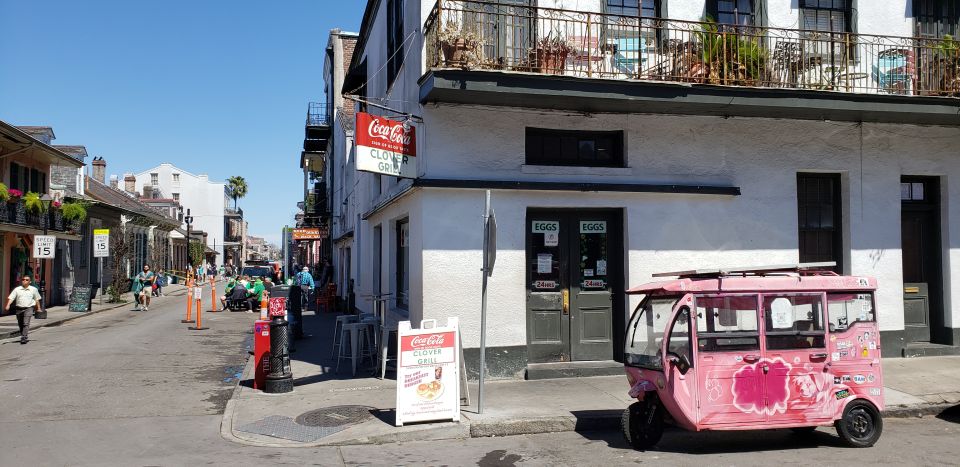
A lot of plague tours stop at “this happened.” This one tries to explain the how, especially through major illnesses like Yellow Fever and Cholera. I like that focus because it helps you connect the outbreak story to something you can picture: how people moved through the city, where risk concentrated, and why certain conditions pushed transmission forward.
As you walk, you’ll hear about the ways disease spread in a city where outbreaks could sweep through quickly. You’ll also hear about contagious residents and the role of infectious vectors—especially insects, including mosquitoes—in the story of how fever traveled.
Cholera, in particular, is often tied to water and sanitation realities, and this tour’s framing helps you understand why outbreaks weren’t random. They were linked to the physical conditions of daily life: crowding, waste handling, and the difficulty of breaking cycles once an illness took hold.
Even if you don’t consider yourself a history nerd, this kind of explanation is satisfying. It turns “pestilence” from a spooky word into a real public health problem with identifiable causes.
Squalid conditions and the everyday mechanics of outbreaks
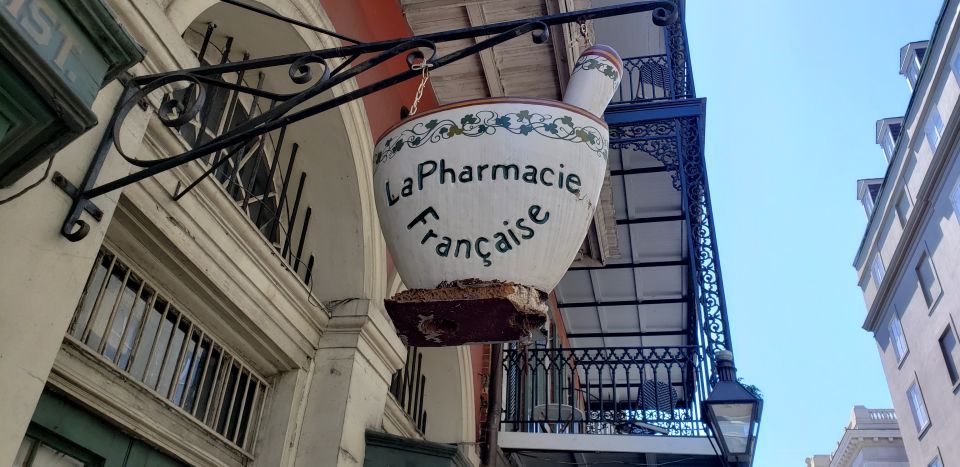
Outbreaks don’t just appear out of nowhere. They build from the ground up—how a city manages waste, how close people live, how safe water is, and what people know (or don’t know) about transmission.
This tour highlights the squalid conditions that helped disease outbreaks take off. You’ll hear about the setting where “contagion” wasn’t an abstract concept. It was a lived environment—hard to avoid, hard to control, and easy to misread early on.
I also like the way the tour connects that discomfort to practical consequences. You’ll understand why people got sick even when they weren’t doing anything “wrong,” and why the response had to involve more than individual choices. When you grasp that, you can make sense of why recovery took time. It wasn’t just about surviving one fever season; it was about changing conditions that allowed repeats.
Mosquitoes, illness, and the city’s invisible enemy
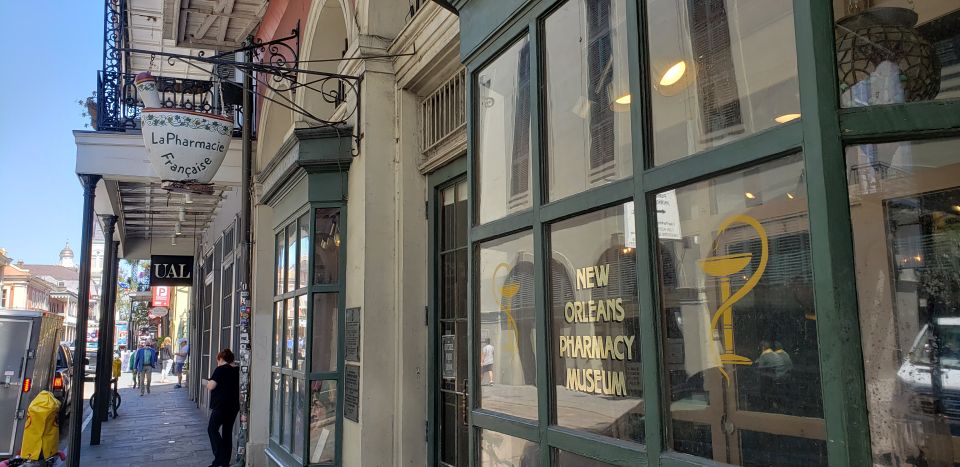
New Orleans has an insect reputation for a reason, and this tour leans into that idea without turning it into a scare tactic. The story of infectious mosquitos shows up as part of the explanation for how outbreaks surged.
That matters because it helps you visualize the invisible side of epidemics. You’re not just thinking about patients and hospitals. You’re thinking about daily exposure—night air, outdoor living, and the fact that something you can’t see can still drive spread.
And it’s not only mosquitos. The tour also references other diseases and transmission factors so you don’t end up with a one-disease lecture. You’ll build a sense of how multiple threats could overlap in the same era, stressing a city already dealing with poverty and crowded conditions.




When medicine wasn’t enough: voodoo, religion, and coping
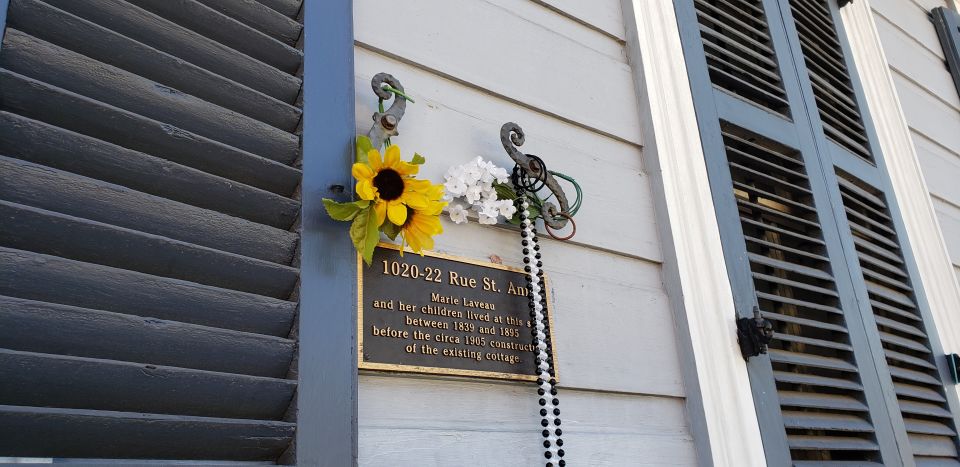
One of the most interesting parts of the tour is how it treats belief and coping as part of the historical record. You’ll hear about voodoo and religion and how they fit into people’s attempts to contain the uncontainable.
This isn’t presented as a modern argument. It’s framed as what people did when faced with an enemy they couldn’t fully control. That might include rituals, prayers, and community practices alongside whatever medical help was available.
You’ll also learn about unconventional medical practices in the era when doctors and public health systems had limited tools. The key takeaway is that people were trying to act. Even when success was uncertain, the impulse to fight back shaped behavior and community life.
This section works especially well if you’re the type who likes cultural context. It shows how fear, faith, and the desire for relief were all mixed together in real time.
Resilience after the fever: how New Orleans adapted
A plague story can feel like a dead end. This tour avoids that by ending with recovery and resilience—how New Orleans coped after waves of illness and how the city kept functioning.
That recovery isn’t portrayed as instant. It’s framed as a process. You’ll hear how the city responded in the aftermath—what changed socially, how people adjusted, and why the long-term survival of New Orleans depended on adaptation as much as luck.
I like that the ending is tied back to the neighborhood you’ve been walking through. Instead of sending you off into abstract history, you finish in the heart of the French Quarter and can look at the streets with new context.
It also helps you leave with momentum. When your guide wraps up, they’re there for directions and recommendations on where to go next—useful if you want to keep exploring without restarting from scratch.
Guide power: why Dane and Delvin-style storytelling clicks
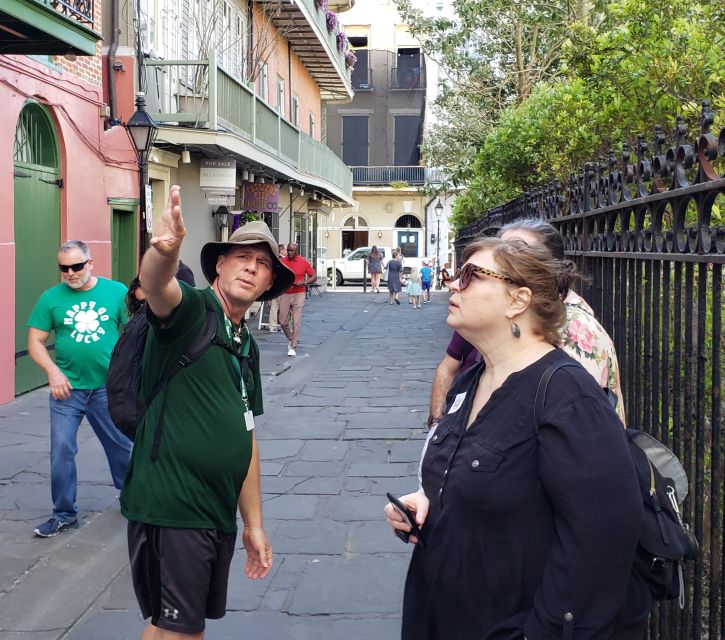
The guides are a major reason this tour seems to work for people. Names that come up strongly are Dane and Delvin, and the common thread is storytelling that’s engaging without losing the historical thread.
In plain terms, the guides are doing two hard jobs at once:
1) Packing a lot of information into short stops.
2) Keeping the tone fun enough that you can stay mentally with the subject.
That combination matters. Epidemics can feel heavy. If the guide is only grim, you tune out. If the guide is only spooky, you learn nothing. The best versions of this tour hit that middle zone where you’re paying attention and still enjoying the walk.
If you’re booking because you want facts, you’ll get them. If you’re booking because you want stories, you’ll get those too. And if you’re booking because you want a different angle on New Orleans beyond the usual, the guide helps you see it.
Price and value: is $37 for 2 hours worth it?
At $37 per person for about 2 hours, this tour sits in the “small price, big context” category. You’re paying for a professional guide and a guided walking format that takes you through the French Quarter without requiring you to assemble research on your own.
Here’s why I think the value is solid:
- It’s time-efficient. Two hours is long enough to cover multiple diseases and themes, not just one lecture.
- It’s focused. The entire experience centers on pestilence, spread, coping, and recovery, so you don’t waste time hopping between unrelated stops.
- It’s practical. You learn a lens for the French Quarter that you can carry into the rest of your visit.
You do give up one thing: video recording isn’t allowed. If that matters to you, plan to take notes or photos in the normal way. But for most people, the guide-led street storytelling is the point, not recording yourself with a gadget.
What kind of traveler should take this tour?
This works best if you fall into one of these buckets:
- You like history but want it explained through real cause-and-effect.
- You want a New Orleans experience that isn’t only food, music, and haunted vibes.
- You’re curious about how communities respond when science and public health are still evolving.
It may be less ideal if you want a light, breezy stroll. This is disease-focused, and the details can get uncomfortable. Also, because it’s rain or shine and the route involves walking about a mile, it helps to be comfortable with short-distance outdoor time in the French Quarter.
If you’re visiting with kids, it depends on their comfort level with illness stories. If you’re going with adults who like serious topics, you’ll likely enjoy it more.
After the tour: use your new lens while you explore
Ending in the French Quarter is handy because it puts you close to more choices. Once you’re done, you can ask your guide for directions or recommendations on where to go next.
The bigger benefit is how you’ll look at the area after the walk. You’ll start noticing patterns that are easy to miss when you’re only thinking about architecture or nightlife. You’ll understand that the city’s shape and living conditions have always mattered—and that epidemics were part of the city’s story, not a side note.
That’s the kind of travel payoff I like: you don’t just watch history; you carry it with you.
Should you book this pestilence and plagues walk?
Yes, if you want a smart, street-level way to understand how disease shaped New Orleans. For $37 and a 2-hour guided walk, you get multiple outbreak themes—Yellow Fever, Cholera, mosquitos, squalid conditions, and the cultural side of coping like voodoo and religion—plus the recovery story that keeps the ending from turning bleak.
Book it with realistic expectations. This is rain or shine, it’s about walking a mile, and the subject is heavy even when told with fun facts. If that fits your mood, you’ll come away with a new lens on the French Quarter that makes your next hours in New Orleans feel more alive and more meaningful.
FAQ
How long is the New Orleans pestilence and plagues guided tour?
The tour lasts about 2 hours.
What does it cost?
The price is $37 per person.
Where do I meet the guide?
Meet your guide in front of the activity provider’s store on Toulouse Street.
How far will I walk?
The total distance walked is about 1 mile.
What language is the tour guide?
The live tour guide speaks English.
Does the tour run in bad weather?
Yes. The tour takes place rain or shine.
Is video recording allowed?
No, video recording is not allowed.
What should I bring?
Bring comfortable shoes for walking.
Is the tour wheelchair accessible?
Yes, the tour is wheelchair accessible.
Can I cancel if my plans change?
Free cancellation is available up to 24 hours in advance for a full refund.