REVIEW · NEW ORLEANS
New Orleans: 1.5-Hour Voodoo History Evening Tour
Book on GetYourGuide →Operated by Haunted History Tours · Bookable on GetYourGuide
One key idea: Voodoo is explained, not sold. This 1.5-hour New Orleans evening walk focuses on the religion’s origins, how it arrived in the city, and how people practice it today—without leaning on cheap scares. I like that it feels more like an academic history chat than a spooky show, and I also like the myth-busting angle, especially around Hollywood stories that get repeated way too often. One thing to consider: if you’re hoping for lots of dramatic “boo” moments, you may find it calmer and more lecture-style than you expected.
You’ll meet on St. Peter Street, then head out with a guide to a small set of tour-only locations. Along the way, you’ll hear how Voodoo took shape in New Orleans, why it doesn’t look exactly the same as the tradition found in Haiti and parts of Africa, and what the religion looks like in everyday life. There’s also a major thread about a citywide streak of fear and hysteria that lasted more than 100 years.
In This Review
- Key highlights you’ll actually feel on this tour
- Entering the Voodoo conversation on St. Peter Street
- What makes this tour more educational than spooky
- The 90-minute format: walking a few blocks, not doing a hike
- Why the guide’s tone makes a difference (Juliet, Vi, V, Kristi)
- Tour-only locations: what you see and why it’s worth it
- Origins of Voodoo in New Orleans: where the story starts
- Myth-busting: separating Hollywood Voodoo from real life
- How Voodoo is practiced today—and why New Orleans isn’t a copy-paste
- The 100+ years of hysteria: the darker side of misinformation
- Price and value: is $25 worth 90 minutes?
- Who should book this tour (and who might skip it)
- Should you book the 1.5-Hour Voodoo History Evening Tour?
- FAQ
- Where do I meet for the tour?
- Where does the tour depart from?
- When is the tour offered?
- How long is the tour?
- What does the tour cost?
- Is this tour spooky or more history-focused?
- Is the tour wheelchair accessible?
- Can I cancel and get a refund?
Key highlights you’ll actually feel on this tour
- Tour-only French Quarter stops that you wouldn’t just stumble into
- Myth-busting that separates Hollywood Voodoo from real religion and culture
- How Voodoo reached New Orleans and why the city became a key crossroads
- Modern practice today, plus how New Orleans Voodoo differs from Haiti/Africa forms
- Stories behind long-running hysteria in New Orleans that lasted over a century
- A Q-and-A friendly guide style in reviews, with emphasis on safety and comfort
Entering the Voodoo conversation on St. Peter Street
This tour is designed for people who want understanding, not adrenaline. You’re stepping into a topic that New Orleans is famous for, but you’re also getting the context that usually gets left out when Voodoo is treated like a costume. It’s offered Friday, Saturday, and Sunday evenings at 19:30, and it runs about 90 minutes—long enough to feel like you learned something real, short enough that it won’t eat your whole night.
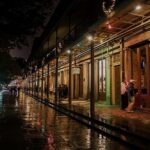
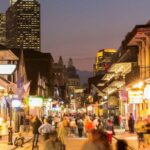
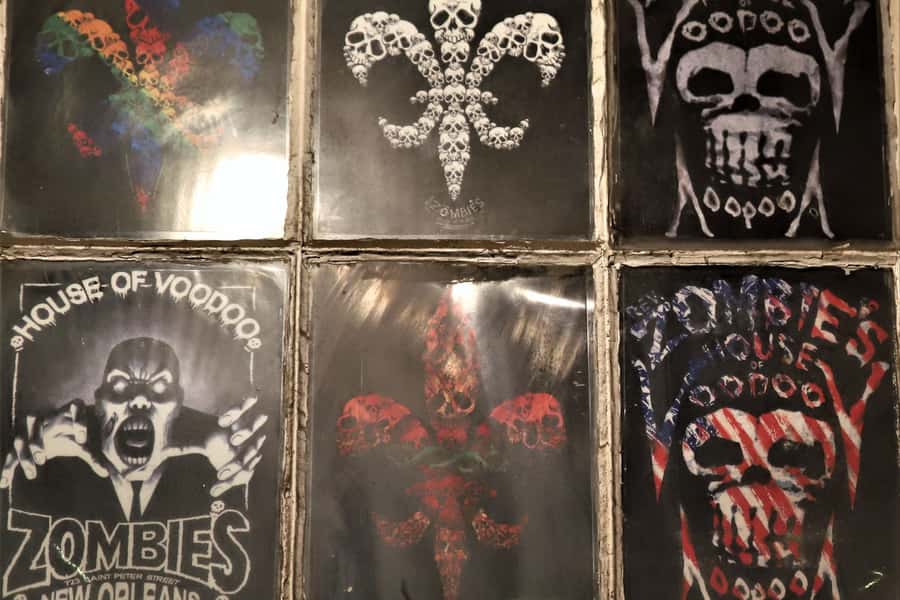
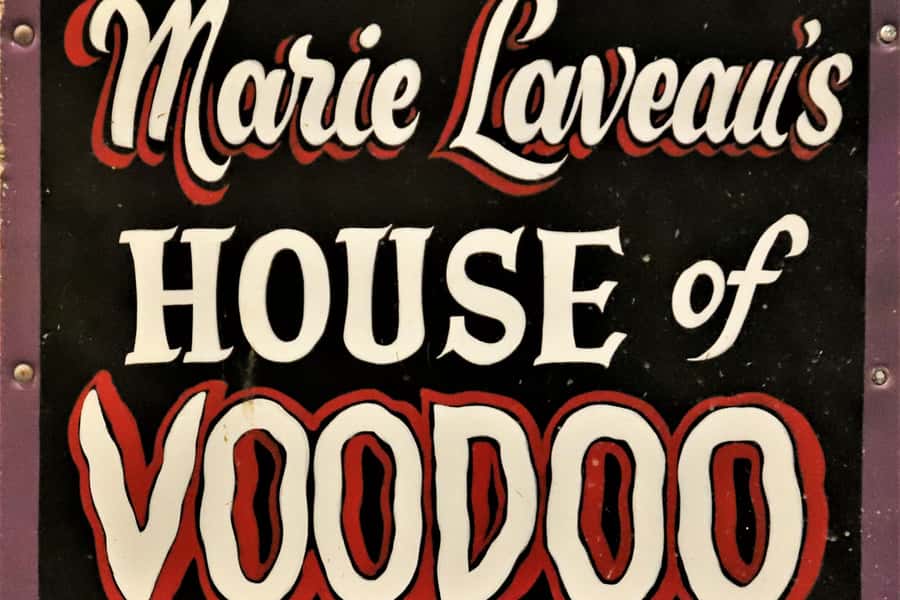
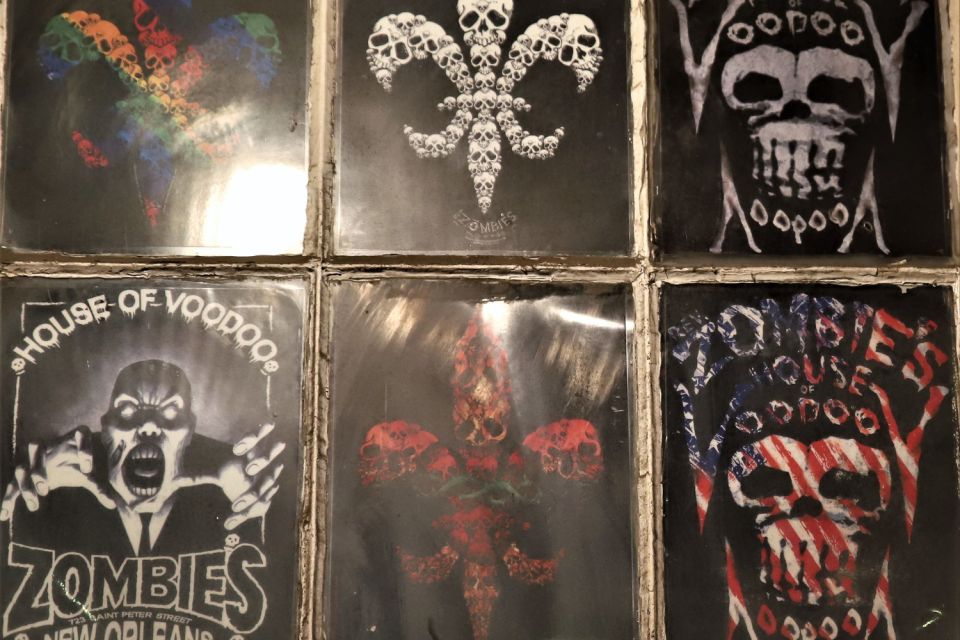
The meetup spot is simple: Vampire Apothecary Restaurant & Bar at 725 St. Peter Street, right between Bourbon and Royal in the French Quarter. The tour departs from Rev. Zombie’s Voodoo Shop at 723 St. Peter Street. They’re on the same street and close by, so you’re not dealing with a long pre-walk shuffle. It’s a good setup because you start your evening in the exact neighborhood that frames the whole story—tight streets, old buildings, and that “you’re in it” feeling that only the French Quarter can give.
Before you start walking, you’re set up for what this tour is really doing: correcting misconceptions. The goal isn’t to shock you. It’s to explain the religion’s history, its meaning, and its place in the city now.
You can also read our reviews of more historical tours in New Orleans


What makes this tour more educational than spooky
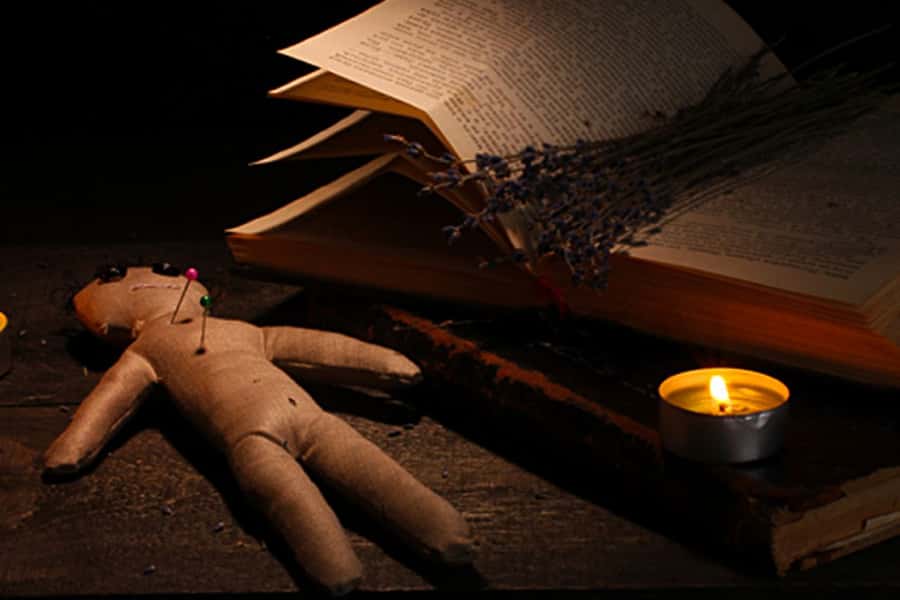
New Orleans attracts all kinds of themed experiences, and Voodoo is often packaged as a scare. This one takes a different route. It’s described as more academic than spooky, and the content matches that. You’re not just hearing spooky legends—you’re getting a guided story about how Voodoo came to New Orleans, how it’s practiced, and where it stands today.
That matters for your expectations. A history-forward approach means you’ll spend more time on cause-and-effect: how beliefs traveled, how communities formed, how traditions adapted, and why myths spread so easily. It also means you’ll likely feel less like you’re being entertained and more like you’re being informed—without losing the human stories that make the topic memorable.
I also think this matters because Voodoo is one of those subjects that Hollywood flattened. This tour is specifically built to dispel the Hollywood myths about Voodoo, which is exactly what helps you start seeing the topic as culture and faith, not just a film trope.
The 90-minute format: walking a few blocks, not doing a hike
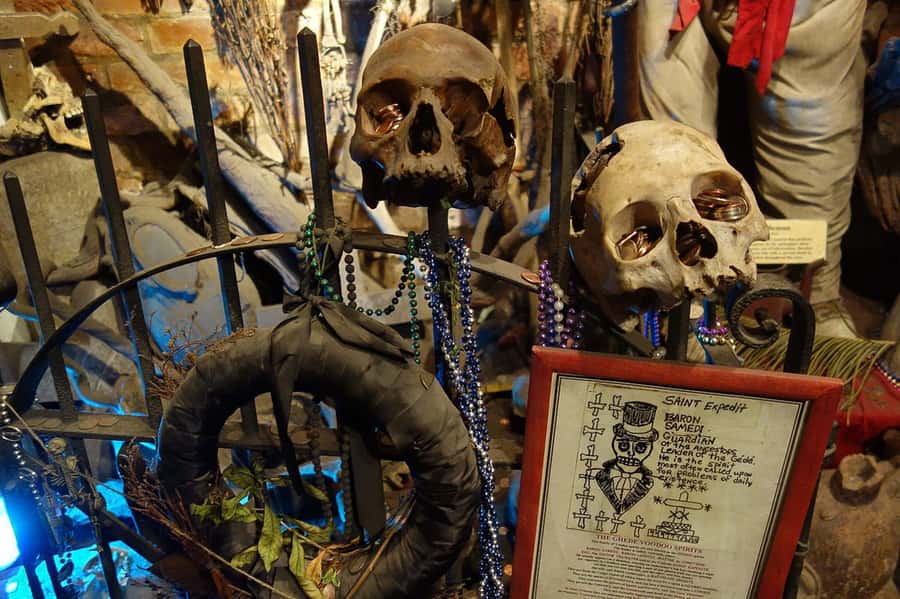
This is a walking tour, but you’re not trudging around for hours. You’ll only walk a few blocks, and the rest of the time is focused on the guide’s explanations and the stops along the way. Wear comfortable shoes. That’s the practical advice you should take most seriously here, because the streets in the French Quarter can be uneven, and it’s starting at 19:30—after dark.
The pacing also tends to feel intentional. Since you’re not doing long distances, you can actually pay attention. You’re free to ask questions, too, and the better guides keep the group moving at a pace where you don’t feel rushed. In the reviews, the guides come across as enthusiastic and attentive to safety, which is a big deal on any nighttime walking tour.
Why the guide’s tone makes a difference (Juliet, Vi, V, Kristi)
The strongest part of this experience is how the guide handles the subject. In the reviews, I saw names like Juliet, Vi, V, and Kristi showing up as memorable hosts—each described as passionate, open to questions, and respectful in how they framed the religion. That kind of guide tone matters because Voodoo can be polarizing or misunderstood.
If your guide leans into stereotypes, you’ll get nonsense. If they approach it like a real cultural practice, the whole tour clicks. The consistent theme in the feedback is trust and comfort—people felt they could learn without being talked down to or treated like they were there for a jump-scare.
You don’t need to already know anything before you go. What you do need is curiosity and respect. This tour rewards both.
Tour-only locations: what you see and why it’s worth it
One line in the tour description does a lot of heavy lifting: you visit properties and locations exclusive to this tour. That’s not a throwaway marketing claim. It’s the main reason this experience isn’t just another “walk and talk” through the same public corners you can see on your own.
Even if the French Quarter is packed with Voodoo-themed storefronts, this tour focuses on places tied to the story and the people behind it. The stops are there to give you a sense of continuity—how the religion’s presence connects to New Orleans identity, not just to Halloween vibes.
What might feel different for you is that the tour uses these locations as teaching tools. Instead of simply pointing and naming, the guide ties each stop back to what you’re learning: origins, practice, myths, and the city’s long history of fear and misinformation.
A possible drawback: because these are special, tour-only stops, you should expect more instruction than wandering. If you like to roam and freestyle photos, this may feel structured.
You can also read our reviews of more evening experiences in New Orleans



Origins of Voodoo in New Orleans: where the story starts
The tour’s main storyline begins with the origins of Voodoo and how it arrived in New Orleans. You’ll learn how Voodoo came to the city and then how it took root. That’s the part many people miss when they only see the surface-level symbols or the spooky movie version.
This “where it came from” framing is important because Voodoo doesn’t pop out of nowhere. It developed through contact between cultures and through communities building meaning together. In a city like New Orleans, those cultural crossroads are a big deal—and the tour treats them like the reason behind the story, not just background color.
You’ll also learn how New Orleans Voodoo is practiced and how it stands today. The tour specifically points out that it’s different from the purer form found in Haiti and Africa. That distinction helps you avoid a common trap: thinking there’s only one correct version of a living tradition. Traditions shift when communities shift.
Myth-busting: separating Hollywood Voodoo from real life
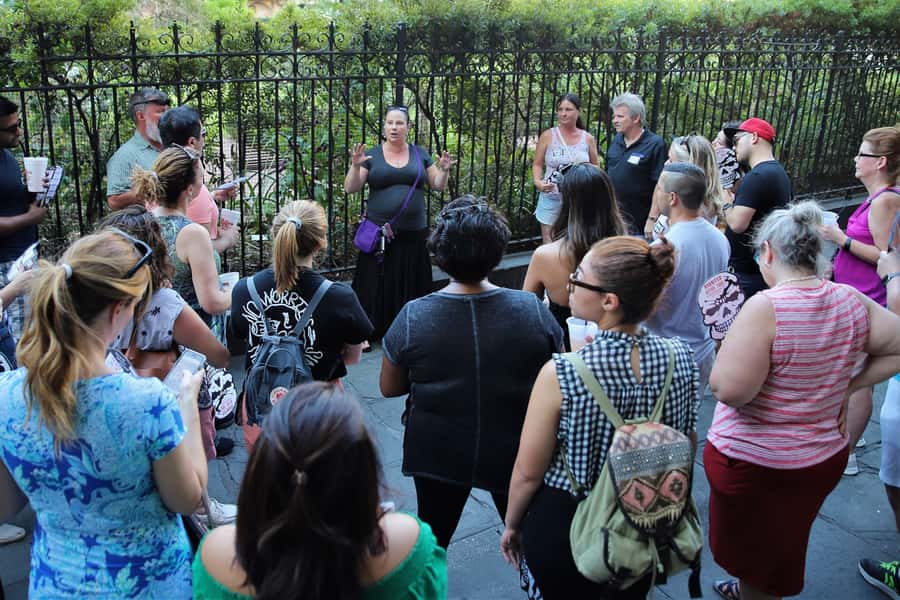
The tour is very explicit about dispelling Hollywood myths about Voodoo, and that’s one of its best values. Hollywood reduces complex faiths into a shorthand of dark rituals and villains. Once you’ve heard the myths, it’s hard to unhear them—but a good explanation gives you a replacement story.
Here’s the real-world benefit for you: you’ll leave with language and context that help you recognize misinformation fast. That means if you see Voodoo presented in a sensational way later (in media or in tourist ads), you’ll have a better sense of what’s missing.
Also, because the tour talks about how Voodoo is practiced, it shifts the focus from rumors to reality. You’re not just hearing opinions. You’re getting a guided explanation of what the religion means to practitioners and where it sits in modern New Orleans.
How Voodoo is practiced today—and why New Orleans isn’t a copy-paste
A big theme is how the religion is practiced and how it exists in New Orleans today. You’ll meet Voodoo practitioners during the tour, which is a key ingredient for trust. It turns the whole experience from secondhand chatter into direct human perspective.
You’ll also hear why New Orleans Voodoo is very different from what’s described as the more original forms in Haiti and Africa. That doesn’t mean New Orleans is doing it wrong. It means communities adapt. Locations, histories, and cultures all shape how beliefs are practiced and understood.
And this is where the tour’s respect-forward approach pays off. If you go in expecting an argument, you’ll be disappointed. If you go in expecting explanation, you’ll get it.
The 100+ years of hysteria: the darker side of misinformation
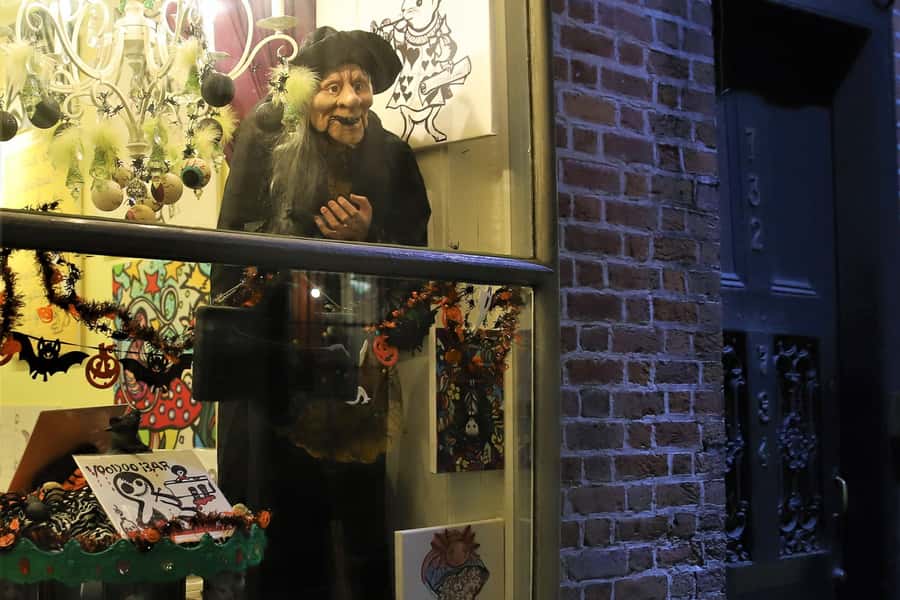
One of the tour’s most specific promises is the stories about a hysteria that gripped the city for over 100 years. That’s not just spooky folklore for shock value. It’s about how fear spreads, how rumors get institutionalized, and how a misunderstood practice can get blamed for things people didn’t want to explain in any other way.
This part of the tour is valuable because it helps you understand why Voodoo got flattened into a villain story. Once you know how long fear lasted, you can see the pattern: superstition becomes a social weapon. People start building myths to justify prejudice, and then the myths become hard to escape.
For you, that context changes the whole experience. It makes the myth-busting section feel less like a random correction and more like a long overdue repair.
Price and value: is $25 worth 90 minutes?
At $25 per person for about 90 minutes, this tour sits in the “reasonable and focused” category for the French Quarter. You’re paying for three things that are hard to DIY:
1) A guided, structured explanation with a host who can handle sensitive misconceptions
2) Tour-only access to specific properties and locations
3) The chance to hear directly from practitioners
If you tried to build this on your own, you’d spend money and time chasing sources that may be sensational or incomplete. Here, the guide frames what you see and connects it to the bigger story. That makes the price feel fair for what you get.
Also, the reviews reflect that the guides tend to keep the experience engaging and Q-and-A friendly. That’s a practical value point: if you can ask questions and get clear answers, you’re getting your money’s worth in real time, not later from a book you may not read.
One more thing: gratuity isn’t included. If you plan to tip, budget for it so you’re not scrambling at the end of your walk.
Who should book this tour (and who might skip it)
I think this tour is a great match if:
- You want Voodoo explained respectfully, with context
- You’re tired of movie myths and want a clearer story
- You like short guided walks where you actually learn something
- You’re interested in how fear and misinformation shaped New Orleans for generations
I’d skip it if:
- You want a loud, scare-heavy performance
- You prefer long walking routes or lots of free-roam time
- You’re looking for guaranteed spooky set pieces rather than history-and-context stops
If you’re in the middle—curious but cautious—this is exactly the sweet spot. You’ll get structure and respect, plus a better mental model for what you’re seeing in the French Quarter.
Should you book the 1.5-Hour Voodoo History Evening Tour?
If your goal is to understand Voodoo beyond the tourist version, I’d book it. The tour’s strongest selling point is that it’s built around history, myth correction, and real-practice perspective, not just spooky storytelling. The format is short, the walking is limited to a few blocks, and the guide approach in reviews consistently sounds respectful and comfortable—exactly what you want for a topic people often get wrong.
If you go in with the right expectations—curious, open, and not hunting for jump scares—you’ll walk away with a clearer, more grounded view of how Voodoo shaped New Orleans, and how the city tried to fear it out of existence for more than a century.
FAQ
Where do I meet for the tour?
You meet at the Vampire Apothecary Restaurant & Bar, 725 St. Peter Street, in the French Quarter.
Where does the tour depart from?
The tour departs from Rev. Zombie’s Voodoo Shop at 723 St. Peter Street.
When is the tour offered?
It runs at 19:30 on Friday, Saturday, and Sunday nights.
How long is the tour?
It lasts about 90 minutes.
What does the tour cost?
The price is $25 per person.
Is this tour spooky or more history-focused?
It’s more of an academic, history-focused experience than a spooky tour.
Is the tour wheelchair accessible?
Yes, it’s wheelchair accessible.
Can I cancel and get a refund?
Yes. You can cancel up to 24 hours in advance for a full refund.