REVIEW · NEW ORLEANS
French Quarter History: Walking Tour
Book on GetYourGuide →Operated by DuPont and Company Tours · Bookable on GetYourGuide
History sounds better on foot. This French Quarter tour brings the past to life with a Living Legacy guide’s family-linked storytelling.
I especially like how the guide uses the words and experiences of ancestors to explain how New Orleans formed, not just a textbook summary. I also love the focus on architecture—Spanish and French styles, plus standout historic landmarks like St Louis Cathedral and very old buildings tied to the Mississippi Valley.
One thing to plan for: the French Quarter can get crowded or partially blocked during big events, so you may not cover every spot you’d expect on a quieter day.
In This Review
- Key things that make this tour worth your time
- A 2-hour story walk through the French Quarter
- Meeting at Decatur and getting oriented near the US Mint
- St Louis Cathedral and the easiest way to understand the Quarter’s look
- Mississippi River: the real reason the city exists
- Architecture and the oldest Mississippi Valley building you’ll spot
- Beyond the postcard: jazz, Mardi Gras, and legalized prostitution
- Living Legacy guides: the storytelling style that keeps you engaged
- How the route usually moves and where you finish for beignets
- Price and value: is $30 for a 2-hour walk fair?
- Who should book this French Quarter History Walking Tour
- Should you book it? My honest take
- FAQ
- How long is the French Quarter History: Walking Tour?
- Where do I meet the tour?
- What language is the guided tour in?
- Is the tour wheelchair accessible?
- What should I bring?
- What is included in the ticket price?
- Can I cancel after booking?
Key things that make this tour worth your time
- Living Legacy guides share history through family-linked perspectives, with plenty of on-the-ground anecdotes
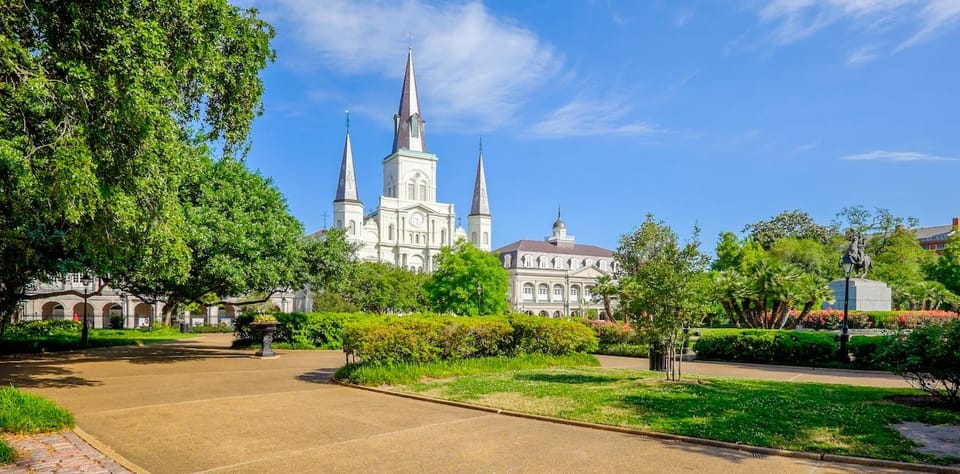
- St Louis Cathedral is a must-see stop, and it’s easy to understand why it’s so photographed
- You’ll connect the city’s origin to the Mississippi River, not just its party reputation
- Stories cover jazz, Mardi Gras, and legalized prostitution—history with the uncomfortable parts included
- Expect Spanish and French architecture on a route that’s built for walking
- The walk ends near Café Du Monde, so you can keep going with beignet plans
A 2-hour story walk through the French Quarter
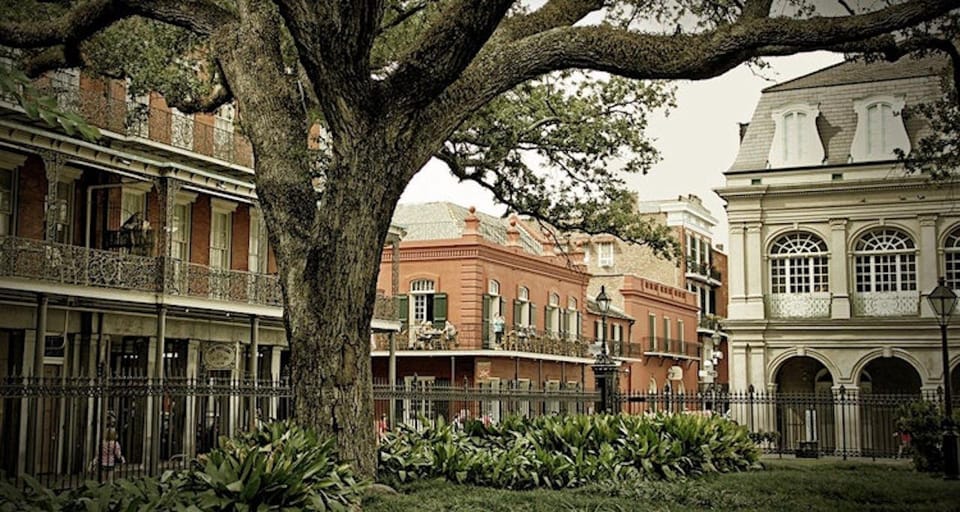
The French Quarter is famous for music, costumes, and late-night energy. This tour uses that stage to do something smarter: it tells you how the city actually got that way. In about two hours, you’ll walk through the streets and buildings where culture clashed, mixed, and turned into something distinctly New Orleans.
What helps is the pacing. You’re not stuck in one spot listening to facts. You’re moving past architecture and landmarks while the guide ties each one to the people and events that shaped the neighborhood. That makes the history feel practical—like you’re reading the city’s “notes in the margins” as you go.
If you’ve only got a short window and you want more than postcard sightseeing, this is the kind of tour that gives you real footing fast.
You can also read our reviews of more walking tours in New Orleans



Meeting at Decatur and getting oriented near the US Mint
You meet at the bottom of the concrete steps at 768 Decatur Street. From there, you’ll get walking, and the route brings you into the historic spine of the Quarter, including the area around the US Mint on Esplanade Avenue (near 400 Esplanade).
Why this matters: New Orleans history isn’t evenly spread. It’s concentrated. Starting near Decatur and working toward landmarks along Esplanade helps you build a mental map quickly, so the Quarter stops feeling like a maze.
Bring comfortable shoes and water. You’re on your feet the whole time, and the route is designed around older streets and pedestrian-friendly viewing, not quick shortcuts.
St Louis Cathedral and the easiest way to understand the Quarter’s look
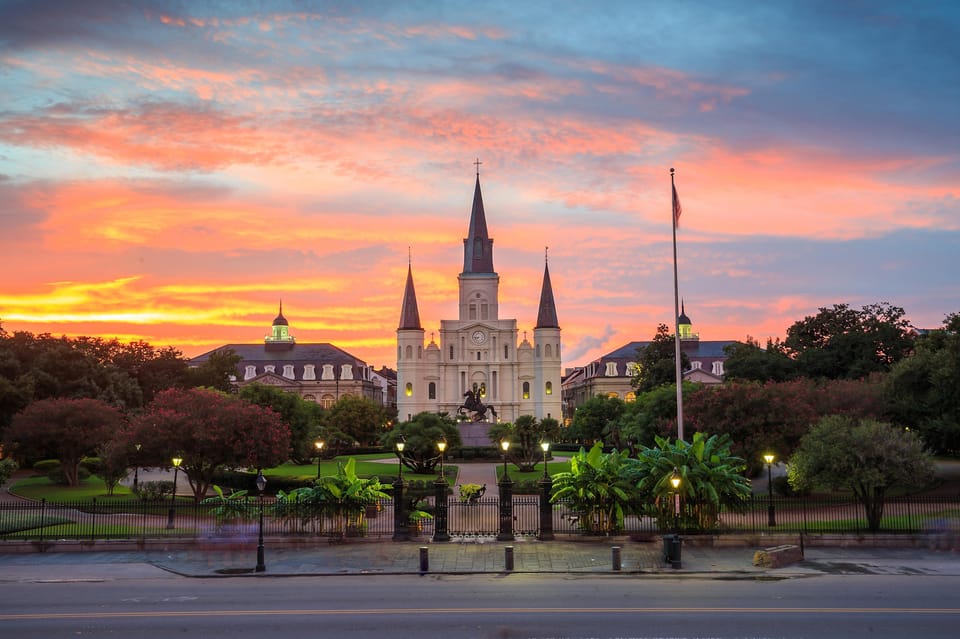
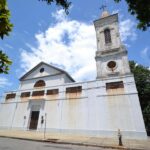
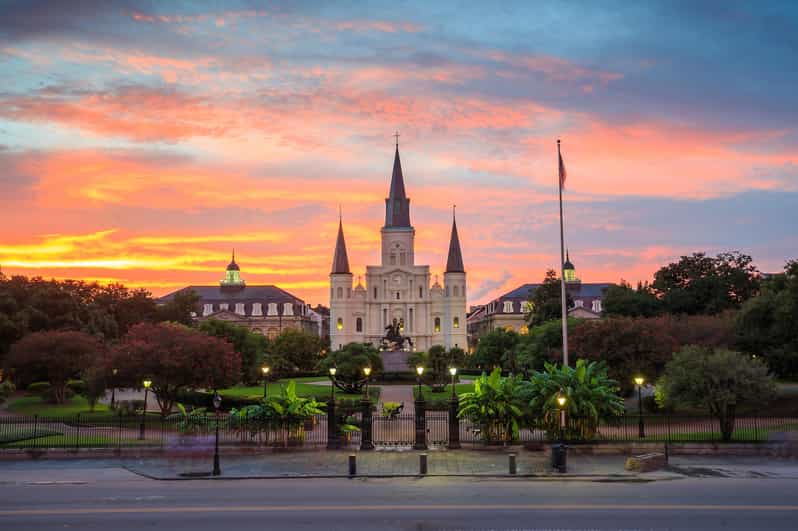
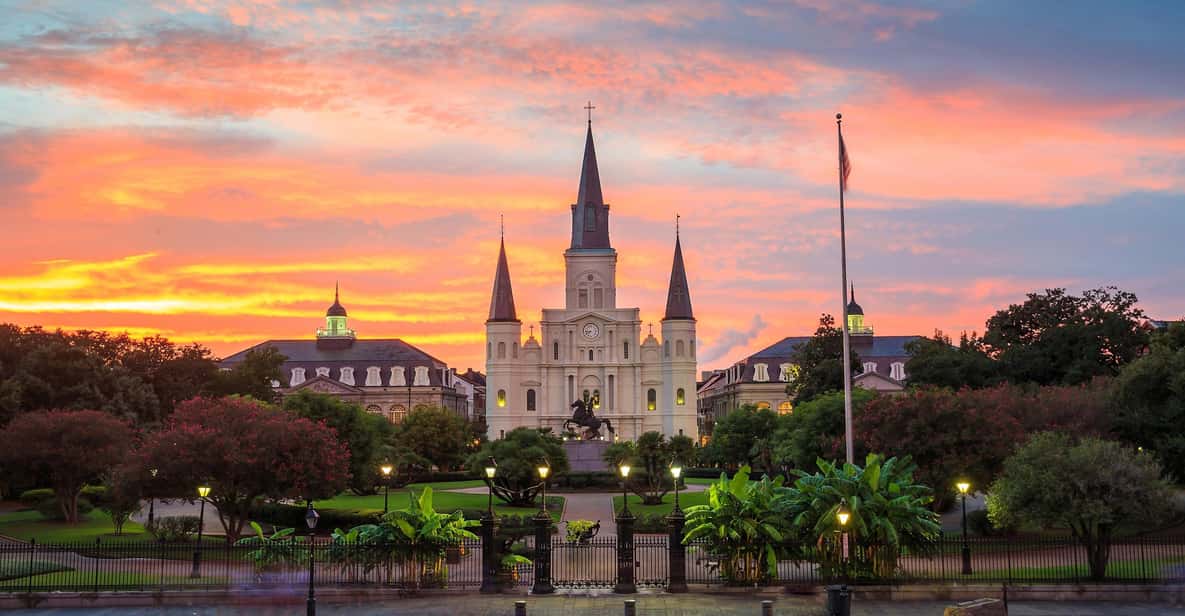
One of the best early wins on this walk is seeing St Louis Cathedral, described as the most photographed church in the South. Even if you’ve seen photos before, seeing it in place changes things.
The guide’s angle is what makes it click. As you look at the building, you get context for how New Orleans’s history layered over time—Native American presence, then waves of French and Spanish influence, and later a mixed Creole society shaped by enslaved labor and cultural mixing. The point isn’t to memorize a timeline. It’s to understand why certain styles and institutions look the way they do.
Also, the Cathedral is a natural “anchor” for the tour. It gives you a reference point for the rest of what you’ll see, including the way the Quarter’s street life flows around major landmarks.
Mississippi River: the real reason the city exists
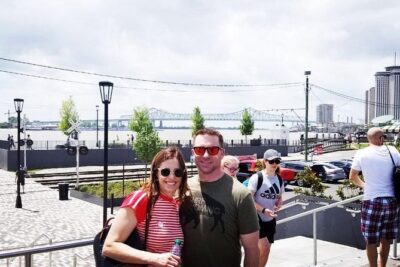
At some point you’ll visit the area where the tour connects you directly to the Mississippi River. This isn’t just scenic filler. It’s the explanation.
The River is why New Orleans exists at all—trade, movement of people, and the pressures that came with living next to a powerful waterway. Once you hear the story through that lens, the city’s geography starts making sense. Floods, hurricanes, and the constant need to adapt aren’t random disasters. They’re part of the long-term equation that shaped everything from building choices to the city’s attitude.
If you’re the type who likes your travel with cause-and-effect, this part will feel like it’s giving you the backbone for the rest of the Quarter.
Architecture and the oldest Mississippi Valley building you’ll spot
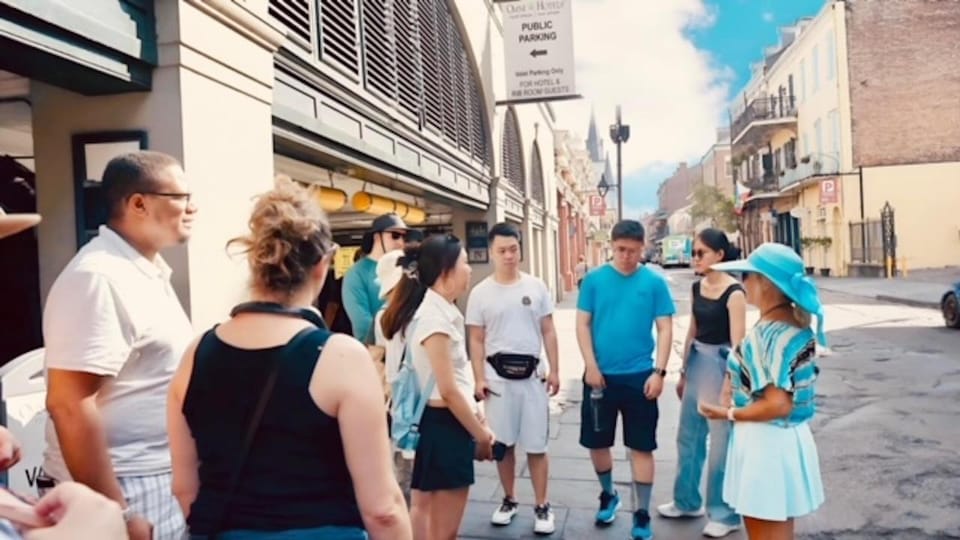
The tour leans hard into what the Quarter looks like, and that’s a smart approach. You’re not just listening to history—you’re watching it.
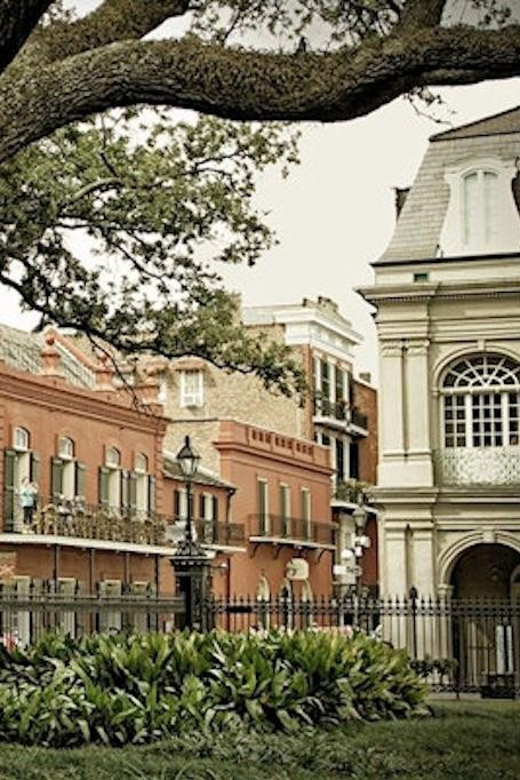
You’ll see Spanish and French architecture, and you’ll also get to landmarks that are hundreds of years old, including the oldest building in the entire Mississippi Valley. That’s the kind of detail that turns the walk from “interesting facts” into “oh wow, I’m standing in a real slice of time.”
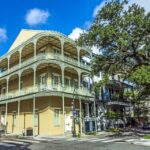
If you’ve ever walked past old buildings and wondered what you’re supposed to notice, this tour helps with that. You’ll learn what to look for as you go—how the Quarter’s architecture reflects the people who arrived, the cultures that shaped local life, and the long memory of the place.
Practical note: architecture viewing means you’ll stop and look. If you tend to get impatient, just remember the stops are doing real work.
You can also read our reviews of more historical tours in New Orleans





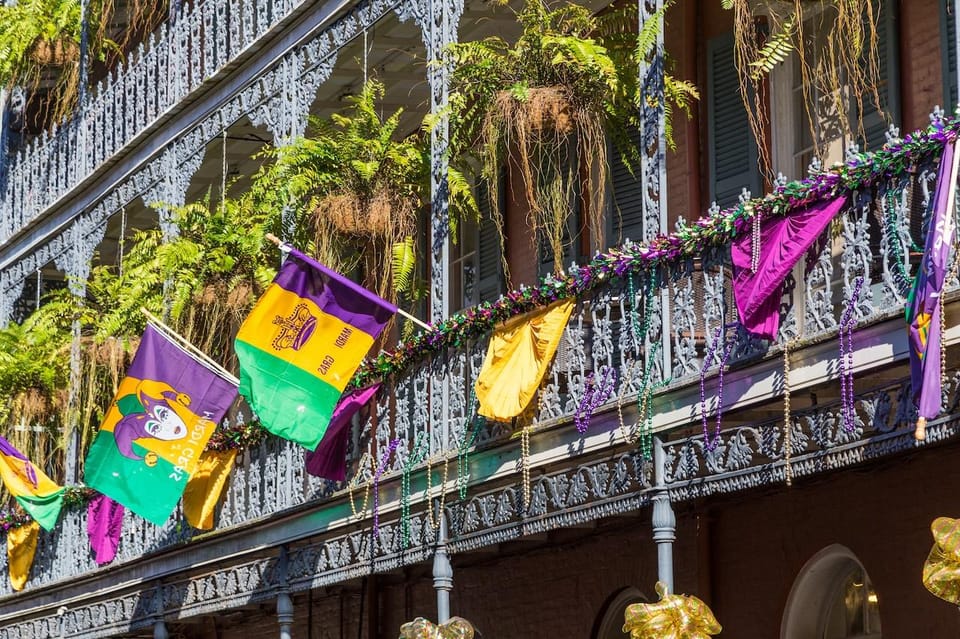
Beyond the postcard: jazz, Mardi Gras, and legalized prostitution
Here’s where the tour earns its keep. The French Quarter story isn’t only music and masquerades. You’ll hear about legalized prostitution, and how that fit into the city’s rules and social structure.
You’ll also learn how the area connects to the creation of jazz and Mardi Gras. These themes can sound like separate entertainment topics until a guide ties them back to community life, economics, and cultural mixing. When it’s told as one evolving system, it feels more honest—and way more interesting.
There’s also mention of original cuisine and even America’s first cocktails, plus the way the city keeps showing up in headlines through floods and hurricanes. The message is consistent: New Orleans doesn’t hide its complicated sides. It makes them part of the public story.
The uncomfortable bits matter here. If you want a “sanitized only” history, this isn’t that. If you want the truth that makes the Quarter understandable, you’ll probably appreciate the balance.
Living Legacy guides: the storytelling style that keeps you engaged
This tour uses licensed guides who are described as descendants of founding families tied to the area, and the storytelling is built around that “lived-through” perspective. That’s not just a marketing line—it changes how the facts land.
From past guide experiences, I’ve seen names like Angela, Charmaine, and DeAnna associated with the style of the walk. Angela has come across as very knowledgeable and friendly. Charmaine has been described as helpful. DeAnna is credited with keeping the group interested with anecdotes and a steady flow of tales.
You can feel how that matters when you’re on a walking tour. The guide isn’t just listing sites. They’re weaving the Quarter’s culture with specific stories, so you leave with details you can actually use when you explore on your own.
How the route usually moves and where you finish for beignets
The tour ends near 848 Decatur Street, close to Café Du Monde. It’s a perfect finish because it turns the last stretch of the tour into a low-stress plan.
Your guide will wrap things up by making sure you’re pointed in the right direction and offering recommendations for where to see or eat and drink next. And yes, beignets are an obvious idea here because you’ll be right by the place, and you’ll have earned the break.
This ending also helps you build continuity. After the history talk, you’re not stuck trying to guess what to do next. You walk out with a suggested next step.
Price and value: is $30 for a 2-hour walk fair?
At $30 per person for a two-hour walking tour, the value depends on what you want your time to buy.
If your goal is quick photos, you can probably do the French Quarter on your own. But if you want context—why the Quarter looks the way it does, how cultures formed the neighborhood, and why major events like jazz and Mardi Gras became part of daily identity—then this is a solid use of time.
The strongest value points are:
- a licensed guide
- a route focused on hundreds-of-years-old places
- story coverage that includes both entertainment and harder social history
- a payoff that connects you to the River, architecture, and then a practical finish near Café Du Monde
Also, the tour is short enough that it works even if you’re not planning a full day in the Quarter. You can still fit in other stops after, without feeling like you’ve locked yourself into a long commitment.
Who should book this French Quarter History Walking Tour
I’d put this tour high on your list if you:
- want a guided way to understand the French Quarter in a short time
- care about architecture and what historic buildings mean
- prefer history that includes the messy parts, like social rules and legalized vice
- like guides who tell stories with a strong sense of place and character
It’s also a good match for first-time visitors who don’t want to waste their limited time walking in circles.
If you’re the type who hates crowds, plan your day thoughtfully. During major events, parts of the Quarter can be crowded or blocked, which can affect how many exact spots you get to see in the time allotted.
Should you book it? My honest take
Book this tour if you want the French Quarter with meaning attached. The mix of Spanish and French architecture, landmark stops like St Louis Cathedral, and the story coverage of jazz, Mardi Gras, and even legalized prostitution makes it more than a typical walk.
Skip it only if you’re mainly after a casual stroll for photos and don’t care about how the city formed. Or if you’re visiting during the busiest times and know you’ll be unhappy if you can’t hit every stop perfectly.
If you’re okay with walking, and you want your French Quarter experience to come with context you can actually remember, this one is easy to recommend.
FAQ
How long is the French Quarter History: Walking Tour?
It runs for 2 hours.
Where do I meet the tour?
You meet at the bottom of the concrete steps at 768 Decatur St.
What language is the guided tour in?
The tour guide speaks English.
Is the tour wheelchair accessible?
Yes, the tour is listed as wheelchair accessible.
What should I bring?
Wear comfortable shoes and bring water.
What is included in the ticket price?
You get a walking tour with historical stories, accuracy, and a licensed tour guide, plus stops for historic sites including Spanish and French architecture and places hundreds of years old.
Can I cancel after booking?
The tour offers free cancellation up to 24 hours in advance for a full refund.