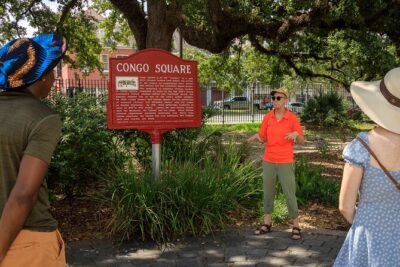
REVIEW · NEW ORLEANS
Whitney Plantation Tour with Transportation from New Orleans
Book on Viator →Operated by Gray Line New Orleans · Bookable on Viator
A plantation visit with real names and real pain. This Whitney Plantation trip is a hassle-free way to reach the River Road and then tour the museum at your own pace with a Whitney Plantation app audio guide. You’re not just seeing buildings; you’re learning how enslavement shaped Louisiana through exhibits and first-person narratives.
I also like the round-trip transportation from central New Orleans. The bus ride is part logistics, part education, and it keeps you from dealing with driving, parking, or figuring out timing on your own. One possible drawback: the time at the plantation is set (about two hours), so if you want to linger everywhere, you may wish you had more time.
In This Review
- Key Highlights Worth Your Time
- Why the Whitney Plantation Museum isn’t like other plantation tours
- French Quarter departure and the River Road drive with real scenery
- What’s included (and why that matters for value)
- Whitney Plantation self-guided touring: how the audio app shapes your visit
- The grounds you’ll see: slave cabins, the Big House, and preserved architecture
- Timing and pacing: 2 hours sounds short, but it’s structured
- The optional 90-minute pontoon swamp tour upgrade
- Getting there and getting back: what the ride contributes
- What to bring: comfort, shoes, and food planning
- Who this tour is best for (and who should think twice)
- Should you book the Whitney Plantation tour with transportation?
- FAQ
- Where does the Whitney Plantation tour start in New Orleans?
- Is the Whitney Plantation portion guided or self-guided?
- How long will I spend at Whitney Plantation?
- Is the swamp tour included with the price?
- What type of vehicle do you use for the transportation?
- How many people are in the group?
- Is the tour handicap accessible?
- What about food and drinks during the tour?
Key Highlights Worth Your Time
- Prebooked admission means you’re not hunting for tickets when you arrive
- Audio-first self-guided touring lets you control the pace in a heavy museum
- River Road drive plus views includes stops and scenery like the Bonnet Carre Spillway and Lake Pontchartrain
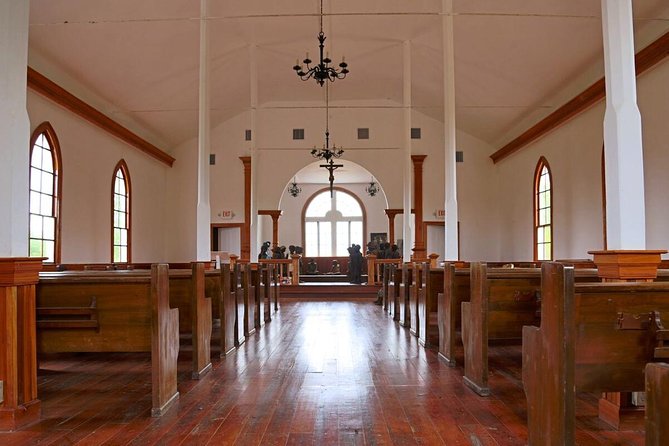
- Restored slave cabins and the Big House help you connect daily life to place and architecture
- Optional 90-minute pontoon swamp tour adds a different Louisiana lens after the museum visit
- Air-conditioned vehicle and a smallish group size (up to 55) keep things comfortable
Why the Whitney Plantation Museum isn’t like other plantation tours
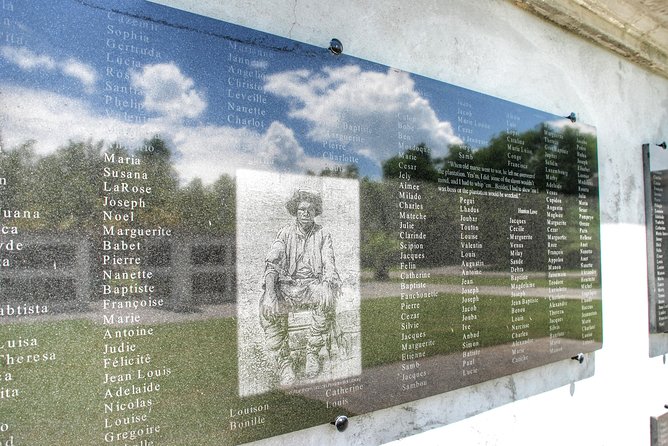
Whitney Plantation is built around one mission: helping you understand slavery in Louisiana, without sanding off the edges. Most plantation visits focus on owners, scenery, and big houses. Whitney flips the script and centers the people who were enslaved—through exhibits, preserved buildings, and recordings that try to carry voices forward.
I think that is the big reason this tour works so well for visitors who want more than a photo stop. You’ll walk the grounds and learn, but you’ll do it in a way that respects the subject matter. It’s a self-guided experience, which matters here, because the museum asks you to slow down and absorb.
The other reason it feels different is the way the stories are presented. You’ll encounter first-person narratives tied to the Federal Writers’ Project, recorded from people who had been enslaved. That choice changes the mood from textbook to human.
You can also read our reviews of more tours and experiences in New Orleans.



French Quarter departure and the River Road drive with real scenery
Your day starts in the French Quarter at the Gray Line New Orleans ticket office (400 Toulouse St, at the Steamboat Natchez Dock). You’ll want to arrive about 15 minutes early so check-in doesn’t eat into your day.
From there, the ride heads outside the city along the Mississippi River. Along the way, you cross the Bonnet Carre Spillway and get panoramic views of Lake Pontchartrain. Even if you’ve seen River Road postcards before, this stretch gives you an actual feel for the geography that shaped the plantations’ world.
You’ll also pass by well-known plantation names along the route—Evergreen, Felicity, and St. Joseph—so you can picture how the river system connects these estates. This is one of those “small” parts that makes the day better, because it helps you link what you see later at Whitney to the bigger region.
What’s included (and why that matters for value)
This tour price includes a lot of the stuff that’s annoying to figure out solo: round-trip transport plus admission. It’s also built around a structure that keeps the logistics simple—air-conditioned vehicle, organized pickup, and a preplanned block of time at Whitney.
What’s included, in practical terms:
- Transportation from central New Orleans and back
- Admission tickets into Whitney Plantation
- A self-guided audio experience through the Whitney Plantation app
- About two hours on the grounds (the rest of the time is travel)
- An optional upgrade: a 90-minute pontoon swamp tour
What’s not included: food and drinks (you can purchase), and hotel pickup/drop-off.
For $89, I see the value in the bundle. You’re paying mainly for the ride, the ticketing, and time management. If you don’t have a car, that convenience is huge. Even if you do have a car, prebooking and avoiding timing hassles is still worth something, especially on a day where you’ll want mental energy for the museum.
Whitney Plantation self-guided touring: how the audio app shapes your visit

At Whitney Plantation, the museum portion is self guided. That’s not a throwaway detail—it’s a key feature for this specific site. The content is intense and sometimes upsetting, and being able to pause, step back, and move at your own pace helps you absorb without rushing.
The tour is accompanied by an audio guide accessed via the Whitney Plantation app. You’ll download and use it on-site, and the experience is designed so you can move between points of interest without waiting for a group to catch up.
This format also helps if you learn in different ways. Some people want to read everything carefully. Others prefer listening while looking at buildings and artifacts. Audio gives you that option without turning the visit into a series of announcements.
And the app setup matters because it keeps the museum experience consistent. You get the same core structure whether the day feels calm or busy.
The grounds you’ll see: slave cabins, the Big House, and preserved architecture

Once you arrive, you’ll spend your time walking through buildings and exhibits that cover how the plantation functioned and what enslavement did to real lives.
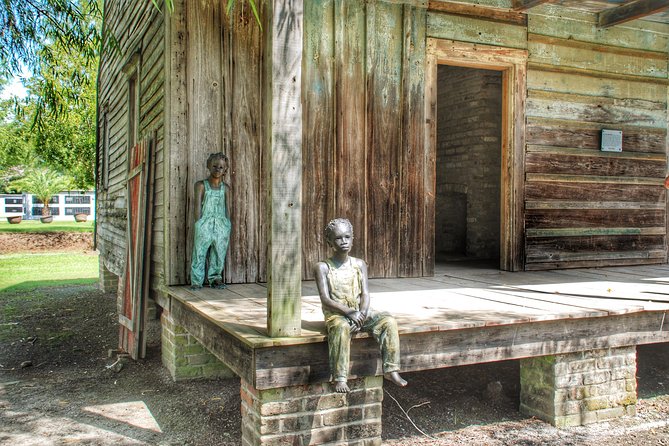
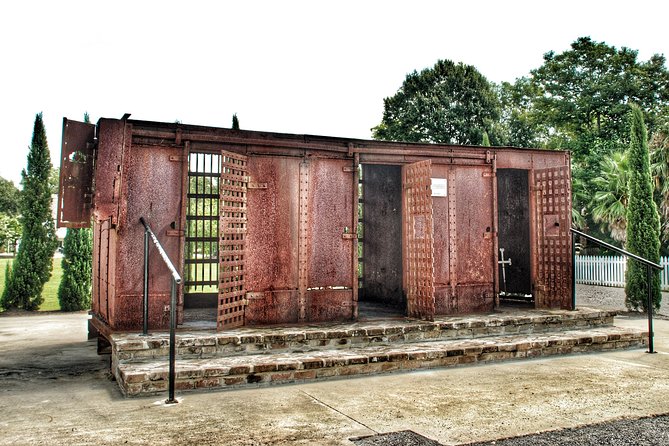
You’ll see original and restored slave cabins. The estate originally had 22 on-site structures, and several of the remaining cabins reflect that history. Even when you’re looking at just timber, floors, and doorways, it’s hard to forget what kind of life was forced into those spaces.
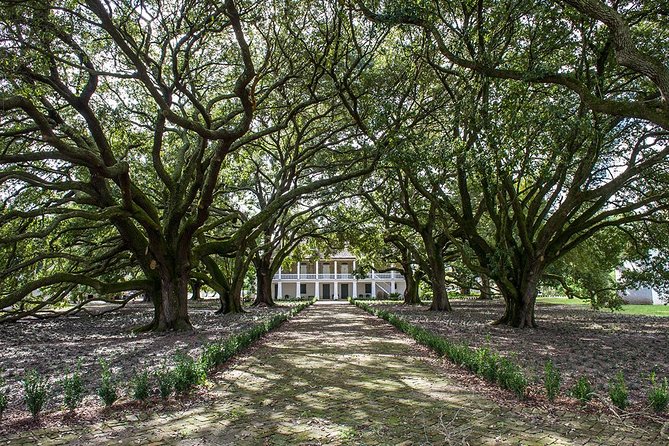
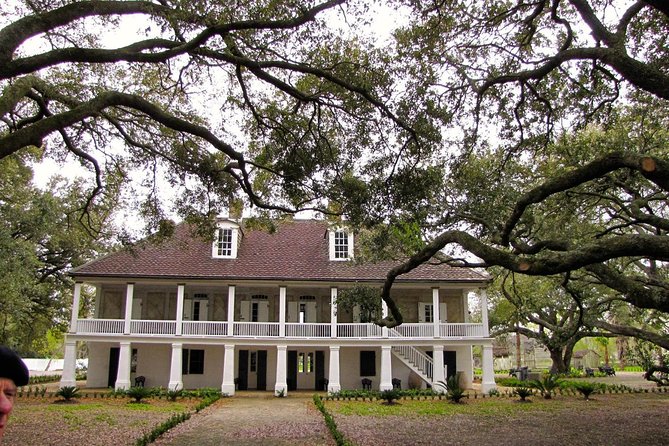
You’ll also visit the Big House, described as one of the best surviving examples of Spanish Creole architecture in Louisiana. This is one of the most effective juxtapositions at the site: you see a major house designed to represent power and status, while the rest of the grounds carry the human cost that made that power possible.
The museum also uses exhibits and recorded testimony to help you connect the dots between daily plantation life and the long-term legacy of slavery in the American South. The first-person narratives recorded by the Federal Writers’ Project are part of what gives Whitney its emotional weight.
One tip: give yourself permission to skip around if you need to. If one cabin section feels like too much, step to another point of interest and come back later. A self-guided museum is best used like a choose-your-own-pace walk.






Timing and pacing: 2 hours sounds short, but it’s structured
This trip gives you about two hours at Whitney Plantation, and the total duration is about five hours and change. That includes a full round-trip from New Orleans plus time to move between the city and the museum area.
In real terms, two hours can feel both right and tight. Right, because you’re not sitting through an entire day in one place. Tight, because a museum like this rewards careful reading and lingering at the buildings.
If you’re the type who wants to take photos, read each interpretive panel, and sit with the audio at every stop, you may feel a pinch. One way to handle it: do a quick sweep first—hit the main points, then use your remaining time to slow down where the audio hits hardest.
Also remember: the tour schedule assumes you can keep moving through the site. If you stop and talk to staff or linger longer than planned, it can compress your audio time.
The optional 90-minute pontoon swamp tour upgrade
If you choose the upgrade, you’ll add a 90-minute pontoon swamp tour. This is a different kind of experience than Whitney Plantation. Instead of history through exhibits, you get Louisiana through the bayou environment and the ride itself.
A common way to enjoy both parts is to treat them as two lenses on the same region. Whitney shows the human story. The swamp tour helps you understand the geography that shaped settlement, labor, and transportation in Louisiana’s river and coastal systems.
It’s also a morale shift in a good way. After a heavier museum visit, many people appreciate time outside—water, wildlife, and open-air talking. Just note that you should still plan your day so you don’t feel rushed between the museum and the boat.
Getting there and getting back: what the ride contributes
The transportation isn’t just a bus to a destination. The ride can add context about New Orleans and the surrounding plantation region, and several drivers have been praised for bringing local history to life on the way.
Names that come up in that kind of narration include Robert D., Nicholas, Alton, and Dominique. Some of these drivers also point out landmarks you can later connect to what you’re learning at Whitney.
The vehicle is air-conditioned, and the group size is capped at 55 travelers, which tends to keep the ride from feeling too chaotic. And because it’s organized, you don’t have to spend your morning stressing over parking or driving times.
If you’re prone to motion sickness, it may still help to sit toward the front and keep water handy. (Nothing is mentioned as a specific issue, but the route involves driving outside the city.)
What to bring: comfort, shoes, and food planning
Comfort matters here. The museum grounds involve walking, and you’ll likely cover uneven sidewalks and streets on the way around.
Wear comfortable shoes and casual clothes. In warmer months, light-colored clothing can help, and sunscreen is smart. Hats and umbrellas can be useful depending on the weather.
Food is the one thing you should plan for. Food and drinks aren’t included, and while there are purchasing options somewhere along the day, Whitney itself is not set up like a full meal stop. A safe move: pack a snack or light lunch so you’re not hungry while you’re trying to focus on the audio and exhibits.
Also consider bringing a small bag for water and any purchases from the museum shop. The shop is often mentioned as a solid place to pick up relevant books and other materials, which can help you continue learning after you leave.
Who this tour is best for (and who should think twice)
This tour fits best if you want:
- A no-car way to reach the Whitney Plantation area
- A museum experience you can do at your own pace
- A clearer understanding of slavery in Louisiana through preserved sites and audio stories
- An option to add nature and bayou scenery with the swamp boat
It’s less ideal if you’re looking for a classic plantation “souvenir” experience or if you expect a light, entertaining day. Whitney is heavy. It’s meant to teach, and it does.
Also, if you strongly prefer long museum time, two hours may feel short. You can still have a powerful visit, but you’ll want to plan how you’ll use that time.
Finally, if you have mobility needs, note that Whitney is described as handicap accessible, but portions of the plantation are only accessible via stairs. If stairs are a deal-breaker for you, you’ll want to think carefully before booking.
Should you book the Whitney Plantation tour with transportation?
I’d book this tour if you want a straightforward trip from New Orleans where the hard part—getting there—already has a plan. You also get prebooked entry and an audio-led, self-paced museum visit, which is exactly what you want at a site like Whitney Plantation.
I’d hesitate only if your schedule can’t handle a half-day commitment (the total is about 5 hours and 25 minutes) or if you know you need longer time at museums than the allotted block. And I’d make sure you arrive mentally ready for a serious subject. This isn’t about pretty buildings; it’s about human lives and their consequences.
If you’re open to learning through the people-centered stories Whitney presents, this is one of the most meaningful plantation experiences you can do from New Orleans.
FAQ
Where does the Whitney Plantation tour start in New Orleans?
It starts at the Gray Line New Orleans meeting point at 400 Toulouse St in the French Quarter, at the Steamboat Natchez Dock.
Is the Whitney Plantation portion guided or self-guided?
The Whitney Plantation tour is self guided, using an audio guide through the Whitney Plantation app.
How long will I spend at Whitney Plantation?
You’ll spend about 2.25 hours (about two hours) exploring the grounds at Whitney Plantation.
Is the swamp tour included with the price?
The swamp tour is included only if you choose the upgrade option. It’s a 90-minute pontoon swamp tour.
What type of vehicle do you use for the transportation?
You travel in an air-conditioned vehicle.
How many people are in the group?
The tour has a maximum of 55 travelers.
Is the tour handicap accessible?
The tour is described as handicap accessible, but portions of the plantation are only accessible by stairs.
What about food and drinks during the tour?
Food and drinks are not included. There are options to purchase food and drinks during the experience.