REVIEW · NEW ORLEANS
New Orleans: Whitney Plantation + Soul of New Orleans Tour
Book on GetYourGuide →Operated by 2nd Line Tours · Bookable on GetYourGuide
Hard history, told with respect and clarity. This Whitney Plantation + Soul of New Orleans combo turns your day into a moving timeline: firsthand voices at the plantation, then a guided street-and-neighborhood look at how Black life reshaped New Orleans. You’ll ride the River Road, then shift from grounds and memorials to the city streets where culture grew from oppression.
Two things I love about this tour are the way the Whitney visit uses headsets for an audio self-guided experience, and the fact that the day doesn’t stop at slavery. It follows the story into music, masking traditions, Mardi Gras Indians, and Creole identity, with a live guide giving you context as you go.
One possible drawback: Whitney Plantation deals in heavy material. If you’re hoping for a light, easy day, this won’t match that mood. Also, part of the experience is self-guided, so you’ll need to be comfortable reading your own pace while the commentary runs in your ears.
In This Review
- Key Things to Know Before You Go
- Why This Combo Tour Works: Plantation Truth Meets City Life
- Whitney Plantation: Walking the Grounds With Voices in Your Head
- What You’ll See at Whitney Plantation: Cabins, Memorials, and Film Scenes
- The River Road Bus Tour: Reading the Landscape From the Bus Window
- Lunch Break and Recharge Time (Then Back on the Street)
- Soul of New Orleans City Tour: Congo Square, Tremé, and the Story Under Your Feet
- Hurricane Katrina Aftermath and the Legacy of the 9th Ward
- Finding Meaning in the Details: Second Line, Black Owned Business, and Identity
- The Guide Matters: English Commentary That Keeps the Day Clear
- Price and Value: What $120 Buys for an 8-Hour Day
- Who Should Book This Tour (and Who Might Skip It)
- Should You Book Whitney Plantation + Soul of New Orleans?
- FAQ
- How long is the Whitney Plantation + Soul of New Orleans tour?
- What time does pickup start?
- Is there a grace period for hotel pickup?
- Is the Whitney Plantation portion guided?
- Do you include entry tickets for Whitney Plantation?
- Is the city tour guided?
- What’s included in transportation?
- Is there a lunch break during the day?
- What are the cancellation and payment options?
Key Things to Know Before You Go
- Audio self-guided at Whitney with headsets, so you can linger at memorials and preserved spaces
- River Road bus tour that helps you see how the region’s plantation landscape shaped the day
- Soul of New Orleans city tour stops around major Black cultural touchpoints like Congo Square and Tremé
- A clear through-line from slavery’s system to later Black creativity in jazz and street traditions
- New Orleans history beyond the postcard, including Hurricane Katrina aftermath and the legacy of the 9th ward
Why This Combo Tour Works: Plantation Truth Meets City Life
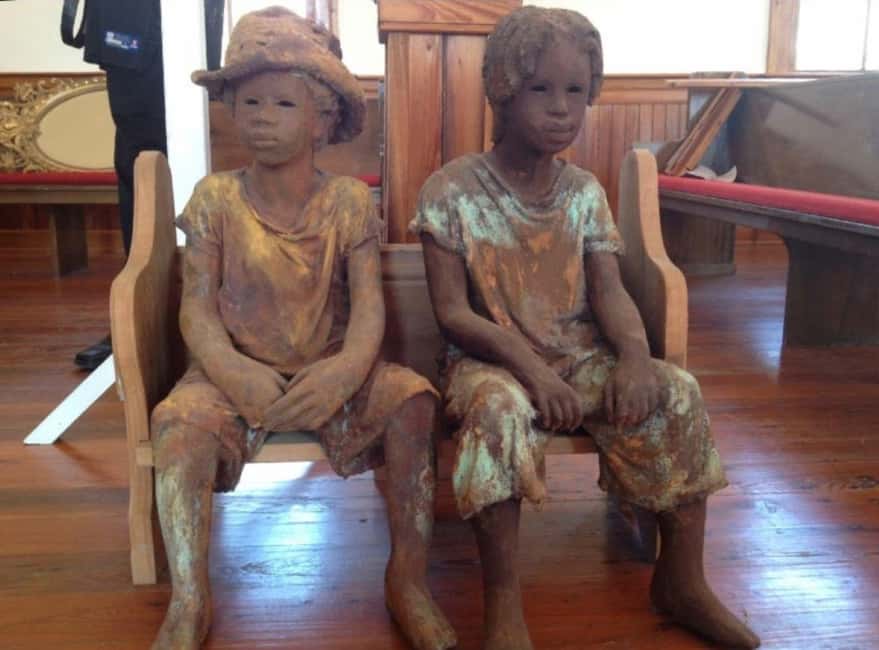
This is the kind of tour that gives you a “then and now” feeling without turning the past into a museum display. Whitney Plantation handles the plantation era through the lens of enslaved people’s lives, while the Soul of New Orleans portion shows how New Orleans’ streets became a place for survival, faith, art, and identity.
What makes the day genuinely useful is the structure. You don’t just visit one site and call it a day. You start with the plantation’s preserved spaces and memorials, then you travel back into the city’s neighborhoods and learn how Black communities built culture and infrastructure under brutal conditions. The result is a story you can actually keep straight.
You can also read our reviews of more tours and experiences in New Orleans.


Whitney Plantation: Walking the Grounds With Voices in Your Head
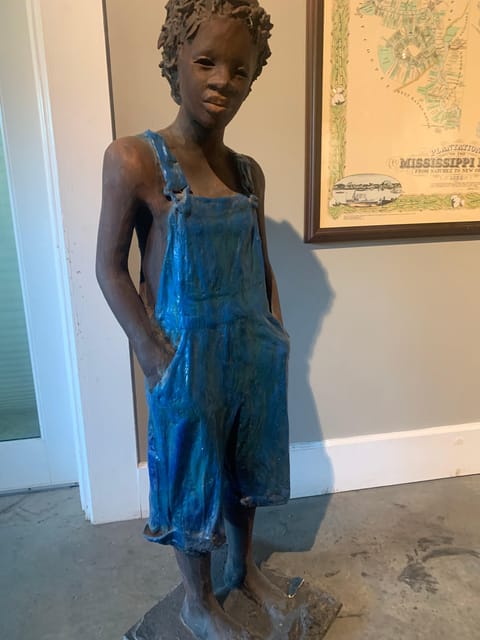
At Whitney Plantation, the centerpiece is the audio self-guided tour. You get headsets, then you follow the experience at your own pace while the narration brings in firsthand perspectives. That matters because the grounds include preserved slave cabins and memorials that are meant for reflection, not rushing.
The audio approach can feel more personal than a standard group script. You can pause when something hits you—like names, dates, or descriptions of daily life—without worrying about catching up to the group. If you like to absorb information on your own rhythm, you’ll probably enjoy this format.
You should also be ready for the emotional weight. The museum is dedicated to interpreting the lives of enslaved people in Louisiana through their own voices and perspectives, and it does not soften the reality.
What You’ll See at Whitney Plantation: Cabins, Memorials, and Film Scenes
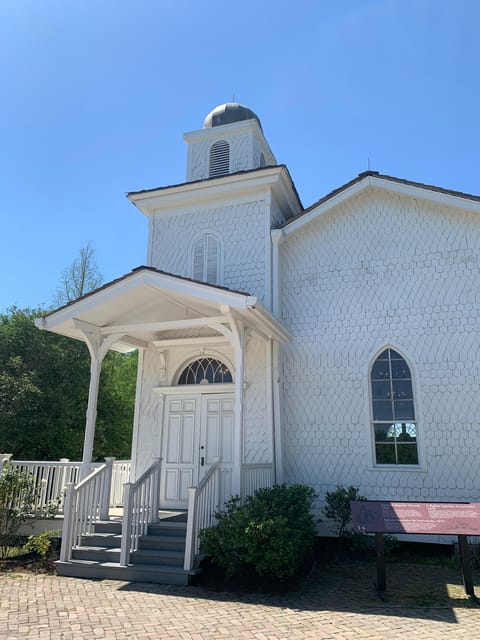
Whitney isn’t just a quick walk past a few plaques. It’s a mapped experience across preserved parts of the plantation landscape and interpretive elements. From what’s included in this tour, you’ll be looking at several distinct parts of the museum visit, including:
- Preserved slave cabins, which ground the experience in everyday space
- Powerful memorials designed to hold memory in a very direct way
- Antebellum guest house as part of the broader plantation setting you’re learning to read critically
- Studio B and scenes from movies, which add a modern interpretive layer to the historical site
- Time connected to the historical story of the largest slave rebellion in U.S. history
That last topic is important because it’s not just trivia. It pushes you to understand that enslaved people fought back, organized, and resisted in ways that shaped U.S. history—not only in textbooks, but in how societies reacted afterward.
If you’re the type who hates being rushed, you’ll appreciate that this is not a “see everything in ten minutes” stop. The pacing is built around you taking the time you need.
The River Road Bus Tour: Reading the Landscape From the Bus Window

After Whitney, you’ll head into the wider regional context with the River Road bus tour included as part of the day. Even if you know the basics of plantation Louisiana, this portion helps you see the scale and geography that made plantation life possible.
From a practical standpoint, it’s also efficient. You’re not trying to coordinate rides or figure out where the historic zones sit relative to New Orleans. The bus tour stitches the day together into a logical flow: grounds first, then context in motion.
One smart tip: keep your eyes on what the landscape looks like and what the bus route suggests about how farms operated. You don’t need to memorize place names. You just want to understand why this region became one of the core plantation systems in the South.
Lunch Break and Recharge Time (Then Back on the Street)
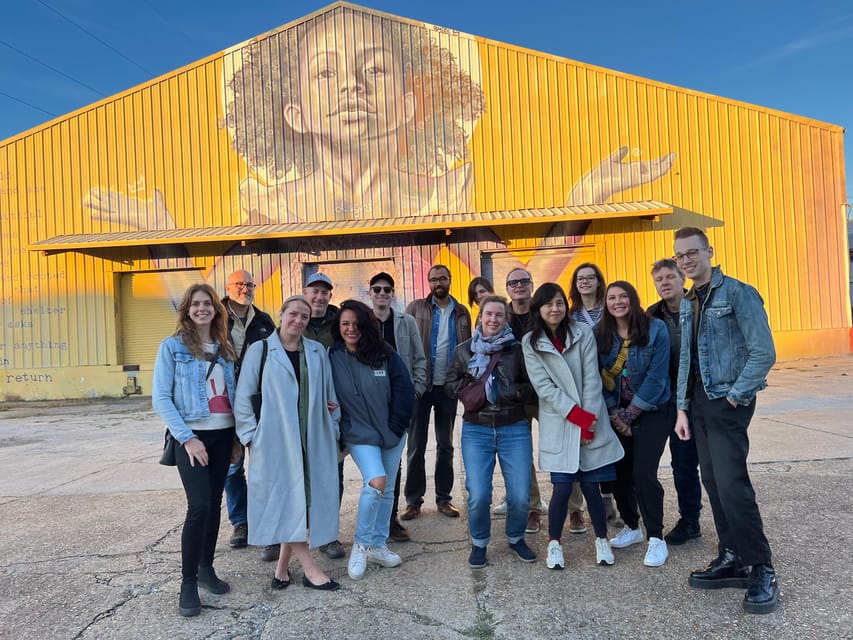
This combo tour includes a lunch break before you switch from plantation history to the city tour. I like that the schedule builds in time to reset your attention. When one half of the day is heavy, you don’t want the second half arriving in a fog.
Use the break to hydrate and step away from the emotional tone of the morning. Also, it’s a good time to jot down questions you want answered during the city portion—especially if you’re trying to understand the link between oppression and the cultural explosion that came afterward.






Soul of New Orleans City Tour: Congo Square, Tremé, and the Story Under Your Feet
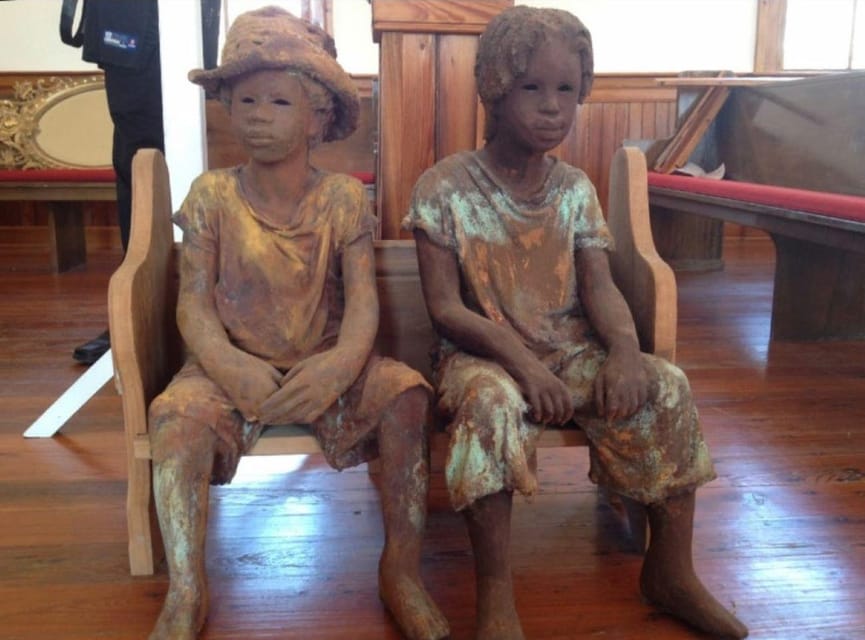
In the second half of the day, the focus shifts to the city—and specifically how slavery operated in an urban setting. The Soul of New Orleans tour is guided (in English) and it’s built around major stops and cultural anchors.
You’ll spend time in and around places such as:
- Congo Square
- Tremé
- The Mississippi Riverfront
- Hidden corners of the French Quarter
This part is powerful because it’s not only about old buildings. It’s about how enslaved Africans and Black communities helped shape the city’s infrastructure and laid groundwork for enduring traditions. The tour doesn’t treat jazz and celebration as separate from slavery; it draws an honest line between the system and the cultural revolution that followed.
If you’re curious about origins, this is where the details matter. The tour connects history to culture through topics like:
- Birthplace of jazz context (as part of the included highlights)
- Black masking culture
- Mardi Gras Indians
- Creole identity
- Faith and creativity as tools for survival and meaning
You’ll also learn about the idea of an urban slavery system, which can be harder to picture than plantation slavery. But once you see how the city’s life and labor were organized, the story becomes clearer.
Hurricane Katrina Aftermath and the Legacy of the 9th Ward
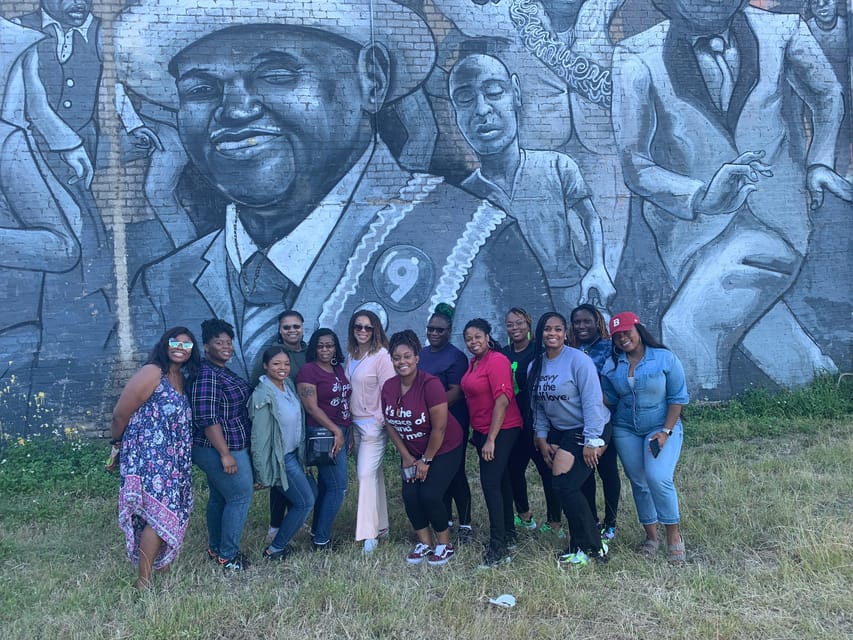
One standout strength of this experience is that it doesn’t stop at earlier history. It includes Hurricane Katrina aftermath and references the legacy of the 9th ward, which brings the story into more modern New Orleans realities.
That matters because it shows how history doesn’t stay locked in the past. Communities experience loss, displacement, and rebuilding, and those events shape what people see today when they walk neighborhoods, visit institutions, and talk about identity.
I appreciate how this tour treats modern history as part of the same long narrative: power, survival, and community response keep showing up in different eras.
Finding Meaning in the Details: Second Line, Black Owned Business, and Identity
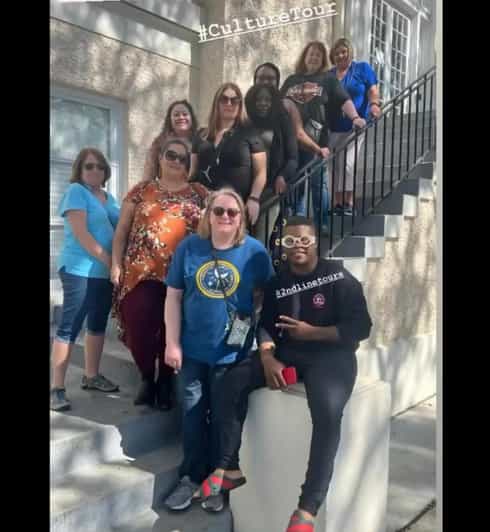
During the city portion, you may encounter cultural and community themes that help you connect what you learned on the plantation grounds to what you’re seeing in New Orleans now. One review highlight I found especially compelling was the chance to talk about Second Line celebration and Black owned businesses in New Orleans before gentrification.
Even if you’re not hunting for shopping stops, that kind of context helps you understand why New Orleans protects culture with such stubborn pride. It’s not only about parties. It’s also about continuity—who created the traditions, who paid the costs, and who gets recognized afterward.
The Guide Matters: English Commentary That Keeps the Day Clear
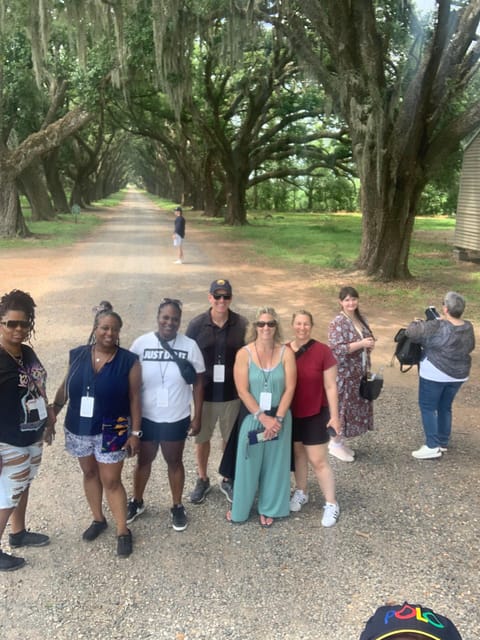
This is a live tour with an English-speaking guide, and that’s a key part of why this combo works. Audio at Whitney helps you slow down. The live commentary later helps you stitch the whole picture together so it doesn’t feel like two separate attractions.
In at least one verified experience, the guide was Dennis, and the tone was described as kind and careful—exactly what you want when the subject matter is difficult. Even beyond personality, a good guide keeps you oriented: what you’re seeing, why it matters, and how the pieces connect.
Practical advice: listen for the guide’s connections. If you catch one main theme you should remember, write it down. You’ll feel the tour much more clearly later.
Price and Value: What $120 Buys for an 8-Hour Day
At $120 per person for an 8-hour experience, you’re not just paying for transportation and entry. This price bundles several real value items together:
- Hotel pickup and drop-off
- A river road bus tour
- Entry tickets to Whitney Plantation for the tour
- Headsets for clear audio during the self-guided portion
- A guided Soul of New Orleans city tour (live commentary)
That combination matters in New Orleans, where DIY can be slower and harder to organize—especially if you want the historical context without doing research on the fly. For me, the best “value test” here is this: you’re spending a full day learning in two formats (audio + live guide) with access included. You’re also getting the city context that many plantation visits don’t cover.
So yes, $120 isn’t cheap, but it’s the kind of spend that can save you both time and effort—while giving you a coherent story from start to finish.
Who Should Book This Tour (and Who Might Skip It)
Book this if you want history with directness, not soft edges. You’ll probably enjoy it most if:
- You care about Black history presented with specificity and respect
- You like learning through a mix of audio narration and live guidance
- You want culture explained through its origins, not treated like separate entertainment
I’d hesitate if you’re looking for a casual, carefree day. Whitney Plantation’s themes are difficult. And because part of the day is self-guided, this tour works best if you’re okay taking your time and listening carefully.
Should You Book Whitney Plantation + Soul of New Orleans?
I think this is worth booking if you want the full story of New Orleans—plantation truths in the morning, then the city’s cultural and neighborhood history in the afternoon. The paired format is the selling point: it prevents your day from becoming either one long museum visit or a music-and-streets overview that skips the hard context.
My final advice: go in with a calm mindset, plan to take notes, and don’t treat it like a checklist. If you give it the attention it asks for, you’ll leave with a clearer sense of how suffering and creativity shaped the city you came to see.
FAQ
How long is the Whitney Plantation + Soul of New Orleans tour?
The duration is listed as 8 hours.
What time does pickup start?
Pickups begin at 8:00 AM, and you should be ready at your pickup location by then.
Is there a grace period for hotel pickup?
Yes. There is a 30-minute grace period for pickups.
Is the Whitney Plantation portion guided?
Whitney Plantation is self-guided with an audio tour, and you’ll be given headsets.
Do you include entry tickets for Whitney Plantation?
Yes, the tour includes entry tickets to Whitney Plantation tour.
Is the city tour guided?
Yes. The Soul of New Orleans City Tour includes a live tour guide in English.
What’s included in transportation?
You get hotel pickup and drop-off, plus a river road bus tour.
Is there a lunch break during the day?
Yes, there is a lunch break built into the schedule.
What are the cancellation and payment options?
You can cancel up to 24 hours in advance for a full refund, and you can reserve now & pay later.