REVIEW · NEW ORLEANS
Laura Plantation Half-Day Tour from New Orleans
Book on Viator →Operated by K's Luxury Transportation and Tours · Bookable on Viator
Leaving New Orleans for real stories. This Laura Plantation half-day tour from New Orleans pairs time outside the city with guided interpretation of Creole life, including both free and enslaved people, on an 1805 sugar plantation. It’s structured, but it never feels rushed, and it gives you context you can’t get from looking at buildings alone.
I love the way the Laura Plantation tour is built around personal stories found in archives in the U.S. and France, then tied to four generations of Louisiana Créole women and children. Another highlight for me is the “start-to-finish” convenience: roundtrip luxury transportation with bottled water, air-conditioning, and even a USB charging outlet, plus a small max group size of 12.
One thing to consider: this is still a morning-to-midday plan, and it doesn’t include breakfast or lunch, so you’ll want to eat before you’re picked up and plan a simple meal after. Also, the subject matter is serious, so it helps to go in with your expectations set.
In This Review
- Key things I’d plan around
- Why this tour feels different than the usual plantation visit
- Getting there: pickup timing, group size, and the comfort details
- Stop 1: Laura Plantation and what you’re actually walking through
- From the Big House to the Quarters: why the exhibit pairing matters
- St. Joseph Plantation: oak-tree alley and working sugarcane context
- The Lake Pontchartrain finish: Bonnet Carre Spillway Bridge views
- Price and value: what $86.70 gets you (and why it’s not just a ticket)
- The guide factor: respect, balance, and good answers
- Who should book this tour (and who might not)
- Practical tips so your day goes smoothly
- Should you book the Laura Plantation half-day tour?
- FAQ
- How long is the Laura Plantation half-day tour?
- What is the price per person?
- Where do we meet, and what time does the tour start?
- Is pickup from my accommodation included?
- Does the tour include admission to Laura Plantation?
- Is lunch or breakfast included?
- Is Wi-Fi provided on the vehicle?
- FAQ
- Is the Lake Pontchartrain stop included, and is there an admission fee?
- Is the tour in English?
- Can service animals join the tour?
Key things I’d plan around
- Laura Plantation’s guided focus: a 75-minute tour with interpreters and specific attention to Creole women and children
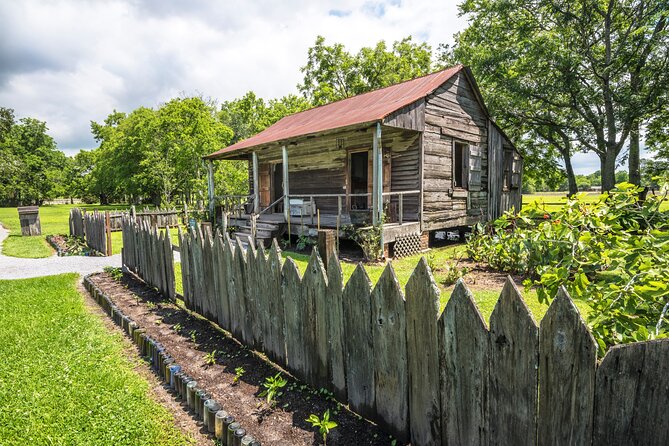
- On-site slave-cabin history you can actually see: including original 1840s cabins and the Big House + gardens
- A respectful, research-based exhibit connection: From the Big House to the Quarters: Slavery on Laura Plantation
- St. Joseph Plantation for contrast: sugarcane working-plantation history and the iconic oak-tree alley view
- Lake Pontchartrain by road-bridge views: a 45-minute ride across the Bonnet Carre Spillway Bridge
Why this tour feels different than the usual plantation visit
Plantation tours can blur together fast: big house, photo stop, moving on. This one tries to do something more grounded. At Laura Plantation, you’re guided through Creole heritage with a strong emphasis on lived experience—free and enslaved people, and the roles women and children played across generations.
The payoff for you is context. You’re not just hearing what life was like in general; you’re hearing it tied to records and specific interpretation. That matters because it helps you understand the plantation system as a human system—who had power, who didn’t, and how family life and survival worked within it.
And since the tour is only 5–6 hours, you get the countryside-and-history fix without turning your whole day into logistics and driving. You’ll be back around the morning meeting point, which is handy if you still want time for New Orleans food and music afterward.
You can also read our reviews of more tours and experiences in New Orleans


Getting there: pickup timing, group size, and the comfort details
The tour starts at 9:00am, with pickup usually happening between 8:00am and 8:45am. The exact arrival depends on group size and the number of stops. You’ll meet at St. Louis Cathedral (615 Pere Antoine Alley, New Orleans, LA 70116), but pickup means you don’t have to do the “find parking and walk” dance.
This matters for two reasons:
- You start earlier than you might if you were going on your own, and
- You avoid spending half the day coordinating transport.
The vehicle is air-conditioned, and it includes bottled water plus a USB charging outlet. No Wi‑Fi is listed, so bring whatever you need for entertainment or offline maps. Also note the limit: maximum 12 travelers. That smaller size usually means you can ask questions and hear the guide without shouting over a bus full of people.
One practical tip: the pickup instructions stress that giving your cell number helps on the day-of communication. I’d do it. When you’re on a timed pickup, small communication speedups save stress.
Stop 1: Laura Plantation and what you’re actually walking through
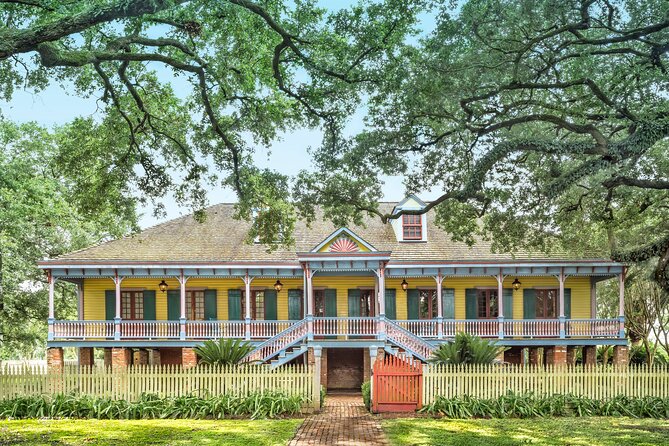
Laura Plantation is framed here as Louisiana’s Creole heritage site, and the tour format matches that focus. You get a fully guided 75-minute experience led by interpreters who use stories they found in archives in both the U.S. and France.
Here’s what you’re set up to see and understand:
- The Big House and gardens
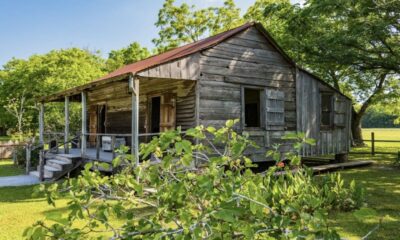
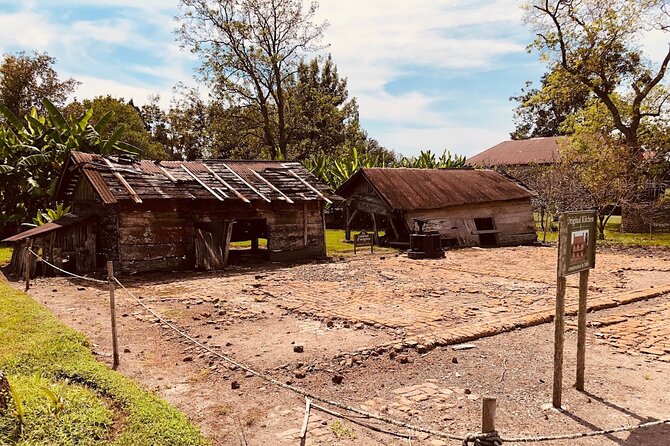
- Original 1840s slave cabins
- A guided narrative covering four generations of Louisiana Créole women and children
- Discussion of both free and enslaved people who lived and worked on the plantation
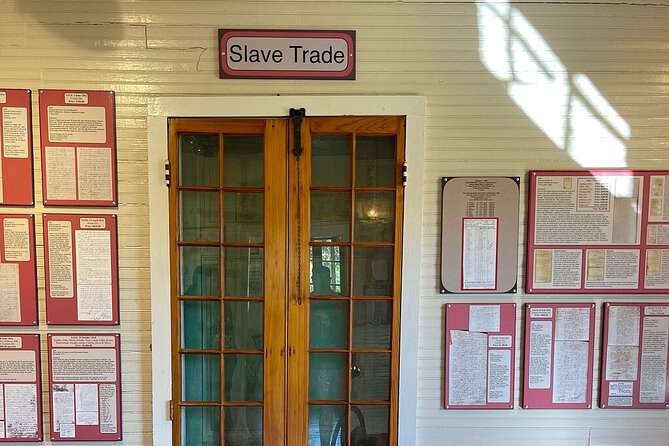
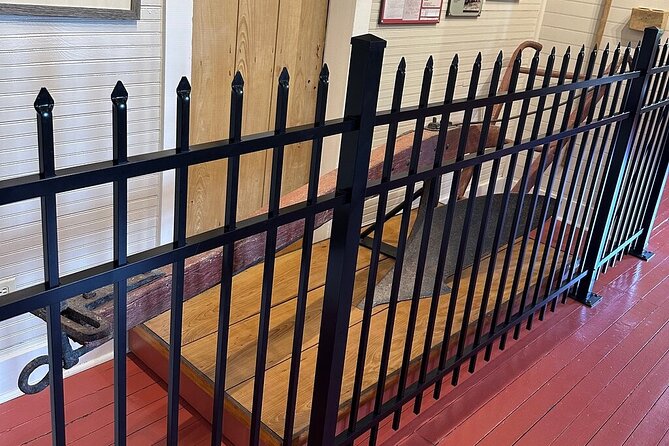
The original slave cabins are the kind of thing that turns history from abstract to concrete. You’re not just imagining the scale or layout. You’re standing in part of the landscape where people lived, worked, and endured. That’s also why the tour leans on respectful, research-based storytelling: it’s not a theme park.
A standout feature is that the site includes spaces inhabited by descendants of enslaved West-Africans until 1977. That detail helps you understand the plantation site as something with long aftereffects, not just an “old building” moment.
Time-wise, you’re on-site with a guided segment plus the museum-style component described below, so you’re not left wandering with a vague audio guide. You’ll follow a structure, which is what many people want when the topic is heavy and details matter.
From the Big House to the Quarters: why the exhibit pairing matters
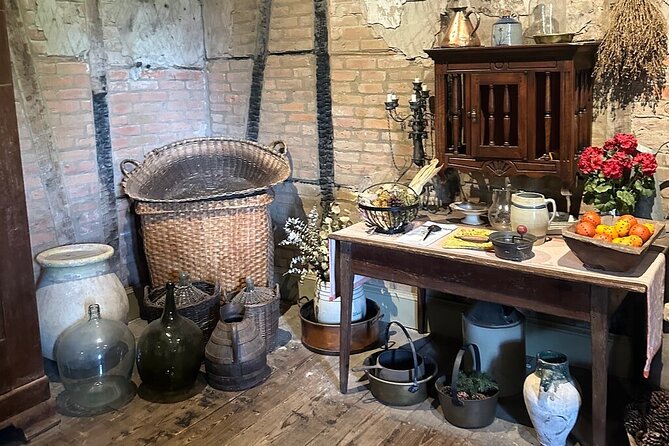
On Laura Plantation, there’s also a behind-the-scenes component tied to an exhibit called From the Big House to the Quarters: Slavery on Laura Plantation. The tour description says these are curated group visits focused on slavery research and women in Créole Louisiana.
Why you should care: the exhibit connection helps explain how the site knows what it knows. Plantation history is loaded with myths and simplified narratives. When the program connects interpretation to research, it gives you tools to think critically after you leave.
It’s also a good reminder that this isn’t just about the plantation era. The way the interpretation is laid out encourages you to think about people’s lives beyond one snapshot in time, including the difficult realities that followed.
If you’re the kind of traveler who likes museums that answer “how did we learn this?” as well as “what happened?”, this is the part that tends to feel most rewarding.
St. Joseph Plantation: oak-tree alley and working sugarcane context
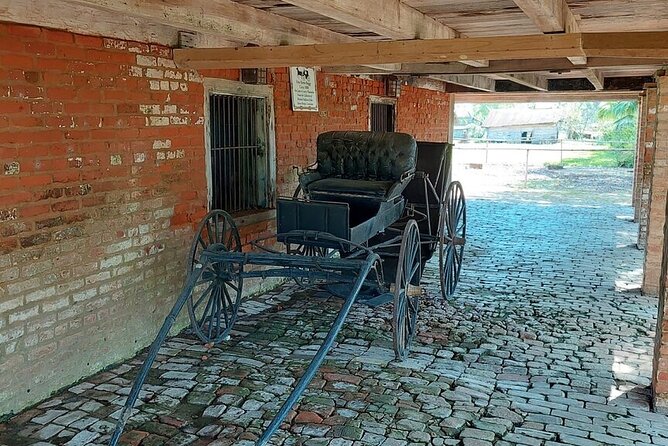
After Laura, you’ll make another historic stop at St. Joseph Plantation. This site is described as being dedicated to preserving and interpreting the history its inhabitants left behind. The interpretation emphasizes its time as a working sugarcane plantation and includes a view of the iconic allee of oak trees.
You’ll also hear how the plantation fits into family wealth and inheritance: it’s described as a wedding gift from her father Valcour, one of the wealthiest men of his time.
What you get from this stop is contrast. Laura Plantation’s focus is Creole women’s generations and the estate’s specific archives-based storytelling. St. Joseph adds a different angle: sugarcane operations and the setting of oak allee views tied to how plantations were landscaped and lived in.
Potential drawback (minor): because this is a half-day tour with multiple stops, you shouldn’t expect deep, extended wandering time at every site. If you want to spend hours at a single museum-level interpretation space, you might prefer a full-day program. Here, the structure is the point.





The Lake Pontchartrain finish: Bonnet Carre Spillway Bridge views
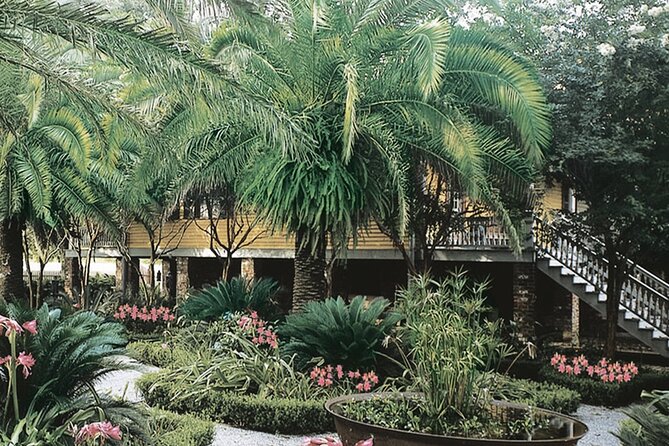
To close out the day, you’ll take a 45-minute ride back toward the city with a scenic component: you’ll travel on the Bonnet Carre Spillway Bridge overlooking Lake Pontchartrain before heading back to your hotel.
This stop functions like a palate cleanser. You finish the plantation storytelling, then you get open-water views and a change of pace on the ride back. Even if you’re not a “bridge photography” person, it’s a nice way to see how the region’s geography connects to the lives and industries tied to water and land.
The tour description lists the Lake Pontchartrain stop as having free admission, so you’re not hit with another ticket expense at the end.
Price and value: what $86.70 gets you (and why it’s not just a ticket)
At $86.70 per person, this tour sits in the “you’re paying for convenience and interpretation” category. Here’s what you’re getting for that price:
- Admission to Laura Plantation and the guided tour
- A second plantation stop (St. Joseph) as part of the day’s itinerary
- Roundtrip luxury transportation with air-conditioning
- Bottled water
- USB port charging
- Mobile ticket entry
- English-language tour
Not included: breakfast, lunch, and Wi‑Fi on board.
So is it good value? For me, it often comes down to whether you’d otherwise pay for a guided Laura visit plus transport. If you’re traveling without a car, the included ride is the big win. Even if you could drive yourself, you’d still need to time everything, handle parking, and coordinate entry windows. This tour smooths that out.
Also, the small group size (max 12) supports the idea that you’re paying for a more human-scale experience rather than a busload-and-go script.
The guide factor: respect, balance, and good answers
One of the most praised parts of this experience is the way guides handle the subject matter—respectfully and with clarity. In past tour days, drivers like Kin and guides like Kindrell and Ken have been singled out for being engaging, hospitable, and careful with historical context.
What that means for you: you’ll get more than names and dates. You’ll get guidance on how to interpret what you’re seeing, and you’ll have a chance to ask questions during the tour flow.
A small note on tone: one participant highlighted the emotional and historical weight tied to post-emancipation repression. That’s a reminder to bring patience for difficult themes. The tour isn’t designed to be light entertainment, and that seriousness is part of the value.
Who should book this tour (and who might not)
This fits best if you:
- Want a half-day break from New Orleans that still feels meaningful
- Like guided history where the site connects buildings to people’s lives
- Prefer a structured plan (limited free time, but clear pacing)
- Don’t want to handle transportation on your own
You might choose something else if:
- You’re looking for a relaxed, self-paced day with lots of independent wandering
- You hate the idea of short stops and prefer one site per day
- You want meals provided during the tour (this one doesn’t include breakfast or lunch)
Practical tips so your day goes smoothly
A few things I’d do to make this half-day feel easy:
- Eat before pickup. No breakfast or lunch is included, and your day starts early enough that waiting until you arrive could leave you hungry.
- Bring a fully charged phone. There’s a USB outlet in the vehicle, but you’ll also want battery for photos and maps after you return.
- Wear comfortable walking shoes. You’ll be moving through multiple historic areas and outdoor paths.
- Expect serious history. Plantation sites cover slavery and long-term impacts; if you’re sensitive to heavy topics, mentally prepare for that.
- Bring patience for timing. Pickup can vary between 8:00–8:45am, and the sites are timed to keep the itinerary flowing.
And if you’re the type who likes to plan ahead: confirm your cell number for day-of communication. It’s a small step that can prevent the classic travel-day scramble.
Should you book the Laura Plantation half-day tour?
If you want a focused, respectful plantation experience without losing an entire day to transport, I think this is a strong booking. The best reason is the Laura Plantation guided structure, especially the way it links Creole heritage and four generations to stories supported by archives. Add in comfortable pickup with a small group size, plus the St. Joseph stop and the Lake Pontchartrain bridge ride, and you have a day that feels like more than a checkbox.
My quick “yes” checklist for you:
- You’re okay with serious history.
- You want guided interpretation rather than self-guided wandering.
- You want a half-day plan that still shows you more than just the city.
If that’s you, this tour should land right in the sweet spot. You’ll return to New Orleans with stories you can actually explain—and views that remind you this region is bigger than its riverfront.
FAQ
How long is the Laura Plantation half-day tour?
The tour runs about 5 to 6 hours.
What is the price per person?
The price is $86.70 per person.
Where do we meet, and what time does the tour start?
You meet at St. Louis Cathedral (615 Pere Antoine Alley, New Orleans, LA 70116), and the tour starts at 9:00am.
Is pickup from my accommodation included?
Yes. Pickup is offered, and it typically happens between 8:00am and 8:45am depending on group size and the number of stops.
Does the tour include admission to Laura Plantation?
Yes. Admission to Laura Plantation and the guided tour is included.
Is lunch or breakfast included?
No. Breakfast and lunch are not included.
Is Wi-Fi provided on the vehicle?
No. Wi‑Fi on board is not included. Wi-Fi isn’t listed as part of the tour amenities.
FAQ
Is the Lake Pontchartrain stop included, and is there an admission fee?
You’ll take a scenic 45-minute ride overlooking Lake Pontchartrain via the Bonnet Carre Spillway Bridge, and the admission there is listed as free.
Is the tour in English?
Yes, the tour is offered in English.
Can service animals join the tour?
Yes. Service animals are allowed.