REVIEW · NEW ORLEANS
New Orleans Music Tour
Book on Viator →Operated by Historic New Orleans Tours · Bookable on Viator
If you like your jazz with places attached, this tour fits. It’s a 2-hour walking route where New Orleans music is the thread. You’ll move from cemetery to neighborhood to studio rooms, with stories that connect artists to specific corners.
I especially love the way the stops are built around meaning, not random sightseeing. Two standouts for me: Congo Square’s spiritual music roots, and the J&M Studios stop that explains the New Orleans Sound and leads into Bounce music.
One caution: this is more of a walking history storytelling experience than a concert. If you’re hoping for lots of live music during the route, set your expectations accordingly.
In This Review
- Key highlights worth knowing before you go
- A 2-hour New Orleans music walk through the places that made the sound
- Start point and practical timing: 2:00 pm on foot
- Stop 1: St. Louis Cemetery No. 1 and the Musicians Tomb angle
- Stop 2: Storyville District remains and the musicians who showed up
- Stop 3: Louis Armstrong Park, Basin Street Station, and the Congo Square connection
- Stop 4: Congo Square’s influence, J&M Studios, and Bounce music
- The live-music expectation check
- The guide makes (or breaks) the experience
- Price and value: what $25 gets you in New Orleans
- What to expect day-of: pacing, weather, and listening focus
- Who should book this tour
- Should you book the New Orleans Music Tour?
- FAQ
- How long is the New Orleans Music Tour?
- How much does the tour cost?
- Where does the tour start, and when does it begin?
- Is food or drinks included?
- Are tickets needed for the stops?
- What language is the tour offered in?
- What is the cancellation policy?
Key highlights worth knowing before you go
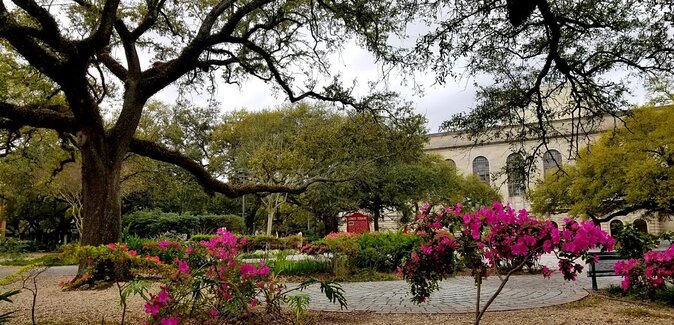
- St. Louis Cemetery No. 1 musicians’ burial story: You’ll hear how the Barbarin Family donated space for free burial of musicians, including Lloyd Washington of the Ink Spots (Oct 23, 2004).
- Storyville’s jazz-linked cast: You’ll connect the red-light district remains to figures like King Oliver, Buddy Bolden, Jelly Roll Morton, and Sidney Bechet.
- Congo Square’s African ritual importance: The tour points out why Congo Square mattered for West African religious ritual and music traditions.
- J&M Studios and the New Orleans Sound: You’ll learn how that studio helped shape the city’s recognizable style.
- Bounce music origins: You’ll hear how Bounce fits into the larger story of New Orleans rhythm.
- Small group size: With a maximum of 15, it feels personal without being too tight.
A 2-hour New Orleans music walk through the places that made the sound
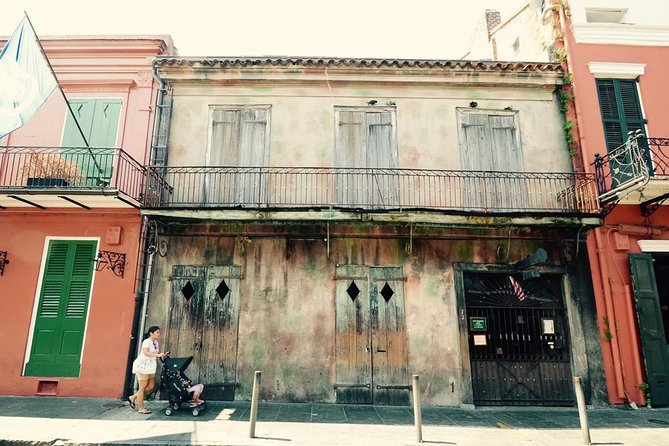
This tour is built for people who want an orientation to New Orleans that doesn’t feel generic. You start with the surprising solemnity of a cemetery, then move into Storyville’s complicated past, then end in the zone where you can feel the city’s rhythm and street music tradition.
At $25 per person for about two hours, it’s good value because you’re paying for a guide who connects the dots between locations and musicians. And because the planned stops note free entry, you’re not stacking extra ticket costs on top.
It’s also a smart length. Two hours in New Orleans is enough time to learn names and patterns, but short enough that you’re not forced into a full day commitment just to understand jazz’s geography.
You can also read our reviews of more tours and experiences in New Orleans.
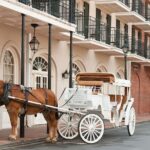
Start point and practical timing: 2:00 pm on foot
You’ll meet at 806 N Rampart St and the tour starts at 2:00 pm, ending back at the same place. There’s no hotel pickup or drop-off, so I’d plan to get there on your own (walking from nearby areas, taxi, rideshare, or the streetcar depending on where you’re staying).
Wear shoes you can trust. You’re on a walking route, and your comfort matters more than you think when you’re listening hard. If you go in colder, damp, or windy weather, I’d bring a layer that blocks wind and keeps your hands usable—New Orleans weather can flip fast, and it’s not fun to keep adjusting your clothes while trying to follow the story.
And if you’re there in summer, remember you start at 2 pm. That timing can mean heat and glare, so bring water and plan to shade when you can.
Stop 1: St. Louis Cemetery No. 1 and the Musicians Tomb angle
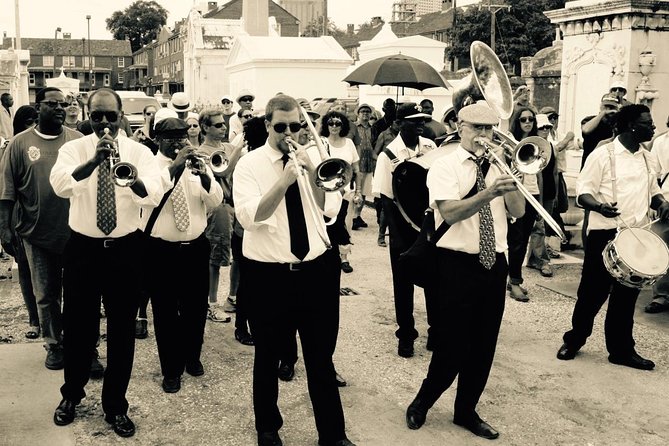
The first stop sets the tone in a memorable way. You’ll stroll through the Tango Belt to the New Orleans Musicians Tomb inside St. Louis Cemetery No. 1. The story here is not just “famous people are buried there.” It’s about how the city treats musicians—how the Barbarin Family donated the use of the tomb for free burial to musicians.
One detail I really like is the grounding date: the first burial in that Musicians Tomb was Lloyd Washington of the Ink Spots on October 23, 2004. That kind of specific fact helps you remember this stop as a real link between New Orleans’ past and what the city continues to value today.
Practical note: cemeteries are quiet places, so keep your voice low and your phone light. You’ll get the most out of the stop if you give the guide your full attention for a few minutes.
Stop 2: Storyville District remains and the musicians who showed up
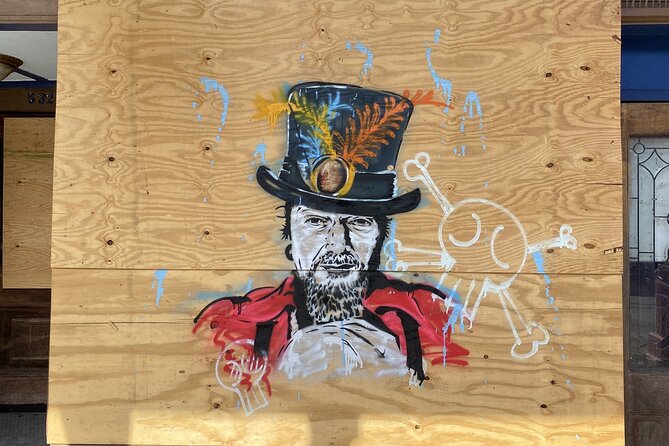
From the cemetery area, you move into the Storyville District section of the story—specifically, the remains of the neighborhood that once functioned as a turn-of-the-century red light district.
The tour doesn’t treat Storyville as a museum exhibit. It ties the setting to the people who played there and to how early jazz grew in that kind of environment. You’ll hear about Frank Early’s My Place Saloon, where Pretty Baby was written, and you’ll get the names of musicians associated with the scene: King Oliver, Buddy Bolden, Jelly Roll Morton, and Sidney Bechet, plus others.
This stop works well because it explains why the music wasn’t “floating above culture.” It was embedded in jobs, neighborhoods, crowds, and nightlife economics. You’ll come away understanding that jazz didn’t appear in a vacuum. It grew where people gathered and where performers needed steady work.
One consideration: Storyville is part of the city’s adult past. If you want a strictly family-friendly tone, tell yourself that this section is about context, not graphic details. The value is in how it frames the music’s early social ecosystem.
Stop 3: Louis Armstrong Park, Basin Street Station, and the Congo Square connection
Next you’ll head into Louis Armstrong Park, starting with the Basin Street Station area and then working toward Congo Square.
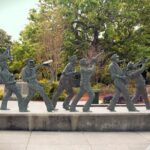
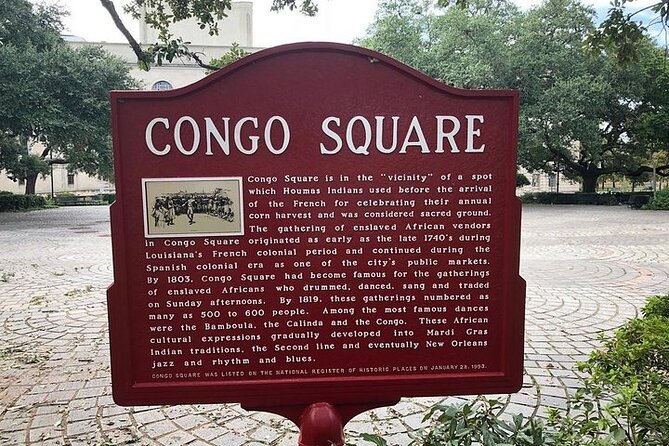
This part is especially useful if you want to learn New Orleans by geography. Armstrong Park isn’t just a pretty park stop—it’s where the story loops back to what many people treat as jazz’s roots. The tour highlights Congo Square as the historic site of African slave gatherings, and it points out a key point that makes Congo Square stand out: it’s described as the only place in North America where pure West African religious ritual and musical traditions were performed.
That’s a big claim, and the reason it matters is simple: it makes the music feel physical. You’re not just learning about jazz as a style. You’re learning about the cultural practices that shaped how rhythm and music community worked in the first place.
A small practical win here: parks give you a breather. You’ll often find that the walking rhythm slows down while the guide explains how the city’s different strands link together.





Stop 4: Congo Square’s influence, J&M Studios, and Bounce music
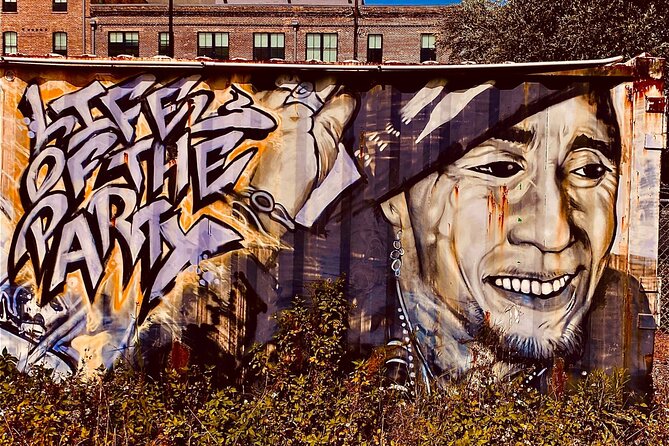
After Armstrong Park, the route lands on Congo Square as a kind of wellspring—described as the starting point for New Orleans music, influencing some of the world’s most popular songs. The tour also connects Congo Square to events, including the first New Orleans Jazz and Heritage Festival in 1970 and the Municipal Auditorium.
Then comes a step that many music tours skip: you move into the building connected to J&M Studios. This is where the tour explains the New Orleans Sound and names the people tied to that studio era, including Professor Longhair, Dave Bartholomew, Fats Domino, Guitar Slim, Shirley & Lee, Lloyd Price, Ernie K-Doe, Allen Toussaint, and Clarence Frogman Henry. It also mentions major visitors like Little Richard, Ray Charles, and Jerry Lee Lewis.
I like this stop because it bridges the earlier community and performance story to the recording era. You leave with a clearer mental map: tradition feeds style, style gets recorded, and the recorded sound then feeds new generations.
The tour then moves into the origin of New Orleans Bounce music. Bounce is often talked about as something you dance to, but here it’s explained as part of the city’s ongoing musical logic. And the final stretch includes checking out street music energy—described as world-class street musicians carrying the flame to this day.
The live-music expectation check
A few people hoped to hear more live music during the walk. Based on how this tour is structured, I’d expect mostly guided storytelling at the landmarks, not a guaranteed concert moment. The upside is that you’ll likely understand what you’re hearing later, since you’ll know why the beats and styles developed where they did.
So my advice is: do this tour as your context plan, then go out afterward and listen for yourself.
The guide makes (or breaks) the experience
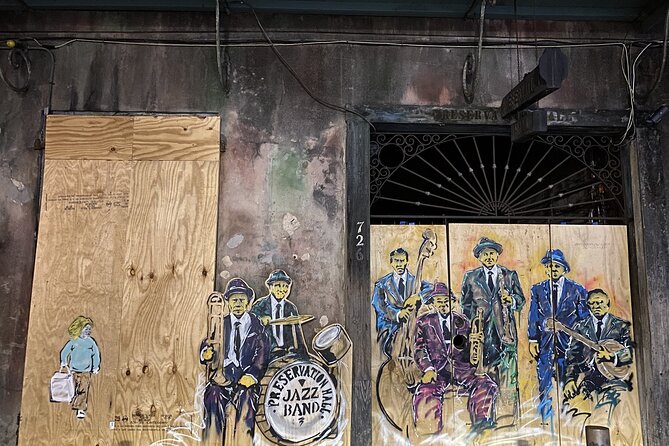
The tour includes a local guide, and that matters here. The route covers several heavy-hitting locations, but it’s the guide who connects them into a single story you can actually hold in your head.
One name you’ll often see attached to this tour is David. People describe him as funny and energetic, and they praise the way he weaves in more than music—touching on politics, religion, and even architecture as part of how New Orleans developed. In a small-group setup, that kind of storytelling can turn a “two-hour walk” into a memorable afternoon.
There’s also an element of flexibility. At least one family experience mentioned hands-on participation—like a child being able to play piano during the tour—so if you travel with kids, it’s worth asking your guide if there’s any hands-on moment available on your day.
Given the small group size (max 15), you’ll usually have a better shot at asking questions than on large bus-style tours.
Price and value: what $25 gets you in New Orleans
Let’s be honest: $25 is low for a guided two-hour experience in a city that’s famous for spending money. The value comes from three places.
First, you’re not just looking at one neighborhood—you’re getting a connected route that links cemetery space, Storyville’s scene, Congo Square’s cultural role, and the studio era at J&M Studios.
Second, the planned stops list free admission. That means your money goes toward the guide and time, not toward paying separate entry fees.
Third, you’re getting a clear orientation to New Orleans through music. Many visitors leave with a few song titles. Here, you should leave with a framework: where the sound came from, what shaped it, and why it’s tied to specific people and places.
If you’re trying to be strategic with limited vacation days, this is the kind of tour that can make later sightseeing feel easier, because you’ll know what you’re looking at.
What to expect day-of: pacing, weather, and listening focus
This is a walking tour with multiple stops, and the pacing can feel quick if you’re not used to listening while moving. The route is about two hours, and the stop lengths are designed to keep you moving while still giving you enough time to absorb key details.
Bring a mindset shift: don’t treat this like a photo safari. Treat it like a guided lecture you can move through. If you do that, the “walking” part becomes an advantage, not a distraction.
Weather is the big variable you can’t control. One review experience noted cold, damp, and windy conditions. If the day is miserable, your comfort gear matters: hat, gloves (if needed), and a rain layer.
And if you’re traveling in summer, the 2 pm start means you’ll want sun protection and water. You’ll get more out of the tour when your body feels okay.
Who should book this tour
This tour is a strong match for you if:
- You want to learn jazz and New Orleans music history through the actual locations.
- You like tours where the guide tells stories and connects culture, not just names.
- You’d rather spend $25 wisely than pay for one-off museum tickets without context.
It’s not the best match if:
- You’re mainly hunting for live performances during the walk.
- You expect tons of stops and constant photo opportunities with minimal explanation.
- You prefer a very quiet, low-talking format.
Should you book the New Orleans Music Tour?
Yes, if your goal is to understand New Orleans music as a place-based story. At $25 for about two hours, you’re paying for context that helps the rest of your trip click—especially if you plan to spend time around jazz neighborhoods afterward.
I’d book it even more confidently if you like guides who bring energy and humor, because the route gives them room to keep the story moving. And if you’re picky about live music, do this tour first for the background, then go listen on your own schedule.
If your priorities are strict concert-style entertainment, you might feel underfed. But if you want the why behind the sound, this is a great use of an afternoon.
FAQ
How long is the New Orleans Music Tour?
It runs for about 2 hours.
How much does the tour cost?
The price is $25.00 per person.
Where does the tour start, and when does it begin?
It starts at 806 N Rampart St, New Orleans, LA 70116, USA, and the start time is 2:00 pm. It ends back at the meeting point.
Is food or drinks included?
No. Food and drinks are not included.
Are tickets needed for the stops?
The itinerary lists admission tickets as free for the listed stops.
What language is the tour offered in?
The tour is offered in English.
What is the cancellation policy?
You can cancel for a full refund up to 24 hours before the experience’s start time. Free cancellation is available.