REVIEW · NEW ORLEANS
More Than Mardi Gras: French Quarter Tour (Small Group)
Book on Viator →Operated by Tours by Foot New Orleans · Bookable on Viator
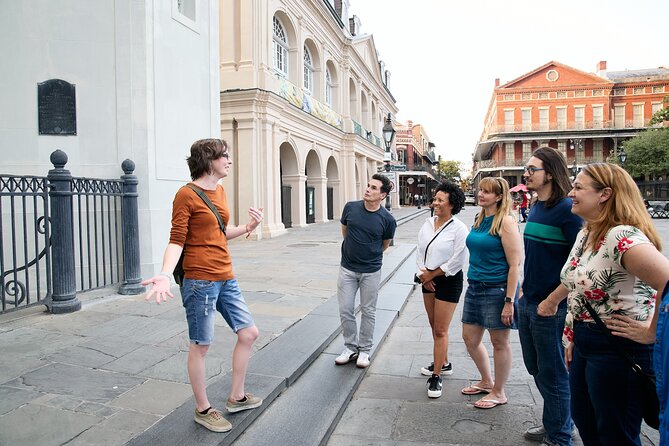
French Quarter lessons start at Jackson Square. This 1.5-hour small-group walk is built for learning the Vieux Carré for real, with stops like St. Louis Cathedral and a finish at the Presbytère museum. You get the Louisiana story in human-sized chunks, not just photo ops and party noise.
What I like most is how the tour connects architecture to people—Michaela Pontalba’s housing battles, the political role of the Cabildo, and why Catholicism mattered to Louisiana’s early communities. Second, the ending matters: you leave with context for the city’s Mardi Gras traditions and the way New Orleans rebuilt after Hurricane Katrina, through exhibits at the Presbytère.
One consideration: this is a history-and-streets tour, not a long Bourbon Street hang. If you mainly want a late-night crawl or lots of free time inside attractions, you may wish you had a longer, more flexible outing.
In This Review
- Key Points at a Glance
- A 90-Minute French Quarter Walk That Actually Teaches You Something
- Jackson Square to St. Louis Cathedral: Colonial Louisiana, Up Close
- The Pontalba Story at the Early Apartment Buildings
- Cabildo to the Louisiana State Museum: When Empires Controlled the Corner
- Privateers, Pirate Alley, and the Real Money Behind the Legend
- Ursuline Convent: Colonial Religious Architecture With a Real Timeline
- Royal Streets and Live Music: Learn the Neighborhood, Not Just the Landmarks
- Bourbon Street With Context: Sordid History and a Quick How-To
- Presbytère Finish: Mardi Gras and Hurricane Katrina Exhibits
- Price and Value: Why $39 Works for a First French Quarter Pass
- Guides Matter: Andrew and Daniel’s History-First Style
- Who Should Book This Tour (And Who Might Want a Different Vibe)
- Should You Book This French Quarter Tour?
- FAQ
- What time does the tour start, and where do I meet?
- How long is the tour?
- Where does the tour end?
- Is it a small group tour?
- Do I need to use a mobile ticket?
- Is the Presbytère visit guided or self-guided?
Key Points at a Glance
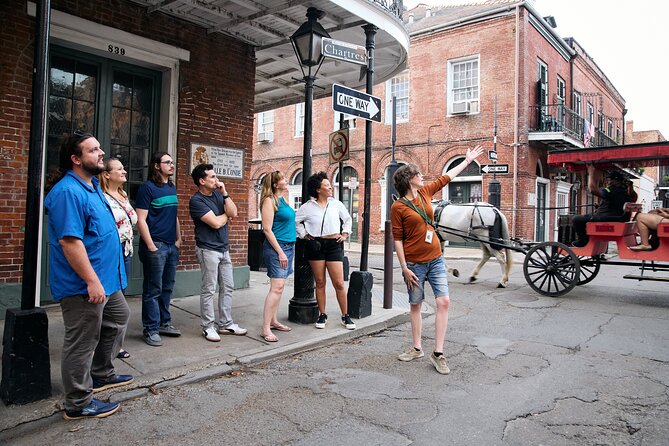
- Small group pace: max 27 people, so the guide can actually explain things as you walk.
- Guided foundation fast: St. Louis Cathedral, Pontalba apartments, Cabildo, and more, in about 90 minutes.
- Street-level details: Royal and Bourbon streets are covered with history and practical pointers.
- Pirate Alley context: privateers and their role in the region’s growth get explained.
- A meaningful museum finish: Presbytère Mardi Gras and Hurricane Katrina exhibits for a clearer picture of the city.
- Mobile ticket day-of: convenient setup for a walk that starts at 10:30 am.
A 90-Minute French Quarter Walk That Actually Teaches You Something
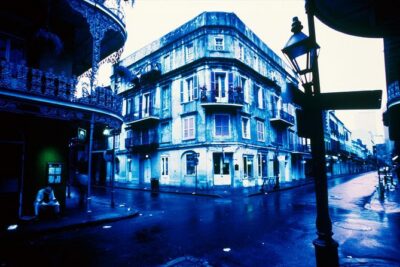
The French Quarter can trick you. You see gorgeous balconies, you hear music, you smell good food—and then the place feels like random scenes instead of a story. This tour is built to prevent that. You start at Jackson Square (a natural orientation point), then move through a tight loop of sites that explain how the neighborhood formed and why it looks the way it does.
The duration also helps. At about 1 hour 30 minutes, you’re not committing your whole day. You’ll still get a “first pass” understanding that makes your self-guided wandering afterward feel smarter. And because it’s capped at 27 travelers, it’s easier to keep the pace comfortable while the guide points out details you’d otherwise miss.
The practical upside: you’re using a mobile ticket, which means less fuss before you meet your guide. If you like a clean start—show up, walk, learn, and then go explore on your own—this format fits.
You can also read our reviews of more tours and experiences in New Orleans.

Jackson Square to St. Louis Cathedral: Colonial Louisiana, Up Close
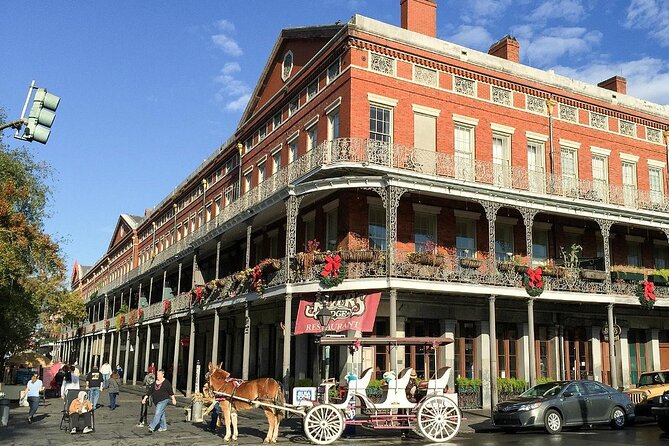
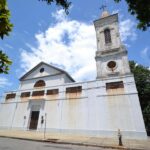
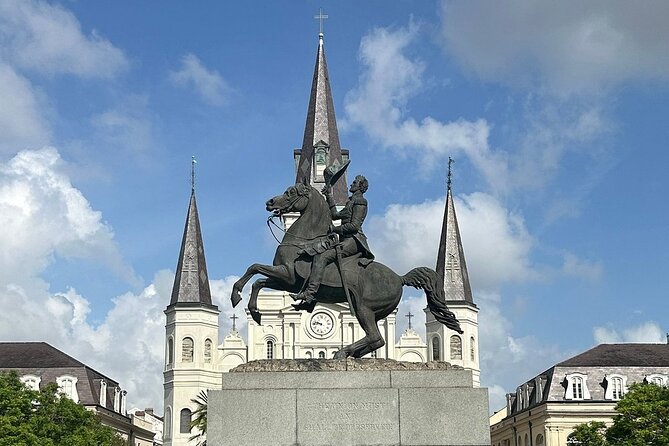
The tour kicks off at Jackson Square and immediately sets the tone with its biggest landmark: St. Louis Cathedral. This is the oldest continuously in-use cathedral in the United States, and the guide uses that fact to talk about colonial Louisiana architecture and why these buildings were so important to the region.
I like this stop because it’s not just “big church, pretty photos.” The cathedral is a turning point in how you read the Quarter. Once you understand that the city’s religious and civic center grew together, the streets make more sense. You start noticing how the Quarter’s layout supports gatherings—public life near the places that held community power.
What to keep an eye out for: colonial-era design cues and the way the space feels like a hub, not a random monument. Even if you’re not religious, this is a chance to understand why Catholicism became central to Louisiana’s identity.
The Pontalba Story at the Early Apartment Buildings
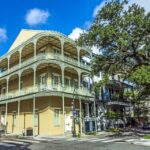
Next, you’ll learn about the Pontalba buildings and the woman behind them: Michaela Pontalba. The tour frames these as some of the first apartments in the United States, and then ties the architecture back to her struggle to make it happen.
That human angle is where this stop really clicks. In a city famous for history headlines, it’s easy to overlook the daily-life decisions that shaped the neighborhood’s look and density. Learning how early housing ideas were fought for (and eventually built) makes the French Quarter feel less like scenery and more like a working community that had to solve real problems.
A possible drawback here is that the explanation is story-driven. If you only want design facts and zero politics, you might prefer an architecture-only walk. But if you like “who fought for this and why,” this stop is one of the most memorable.
Cabildo to the Louisiana State Museum: When Empires Controlled the Corner
Then comes the Cabildo, which today houses the Louisiana State Museum. The guide explains how this building served as the seat of government for the French, Spanish, and Americans—basically, power changing hands right in the middle of the Quarter.
This is a great stop for understanding why the Quarter doesn’t look like one single European style. Instead, you see layers. The guide also covers what’s worth seeing inside and helps you with a few simple do’s and don’ts, so you don’t waste time later once you’re inside on your own.
If you like planning your museum time, you’ll appreciate this. It’s one thing to enter a museum and wander. It’s another to have a guide set you up with a short list of what matters most.
Privateers, Pirate Alley, and the Real Money Behind the Legend
The tour doesn’t leave pirate talk as pure folklore. You’ll learn about the importance of privateers and how they played a pivotal role in the region’s growth—connecting that “pirate” energy to economics and political conflict.
This works because it reframes the Quarter’s romance. The French Quarter has plenty of swashbuckling imagery, but the guide pushes you toward the less glamorous truth: maritime activity wasn’t just adventure. It was risk, profit, and influence.
If you’ve ever wondered why “pirate” stories are so strongly tied to New Orleans, this is your answer. You’ll walk away understanding that piracy and privateering were tied to state interests, not just troublemakers looking for fun.





Ursuline Convent: Colonial Religious Architecture With a Real Timeline
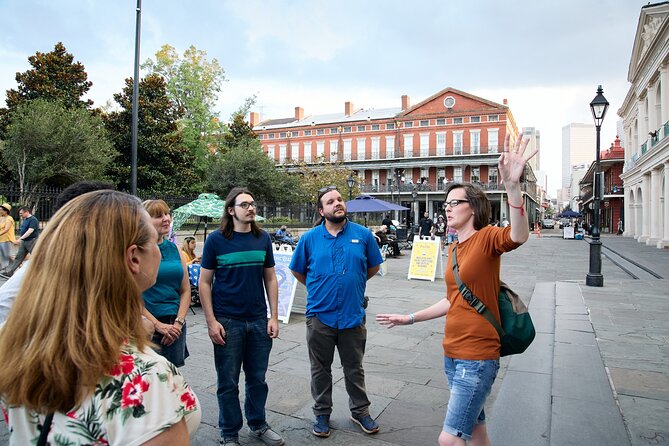
Another strong stop is the Ursuline Convent. The tour highlights it as the first religious order to come to New Orleans and uses that to frame the architecture and its colonial roots.
I like this stop because it adds a different kind of New Orleans story. If you’re mostly hearing about music and festivals, the convent gives you a longer view—how communities organized education, care, and religious life when the city was still forming.
What you’ll likely notice: the colonial feel of the building and the sense that it wasn’t built for tourism. It’s a working historical presence in the Quarter’s texture.
Royal Streets and Live Music: Learn the Neighborhood, Not Just the Landmarks
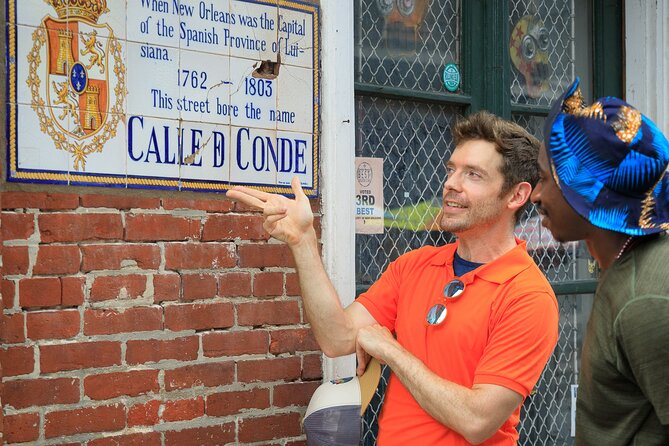
As you move through the Quarter’s side streets, you’ll walk down Royal Streets and also get time for street-level explanation. The guide talks about unique architecture and points out what’s happening along the route, including live music you may hear while you’re there.
This part matters because it changes how you experience the Quarter after the tour. When you learn to spot architectural patterns and understand why streets developed the way they did, you stop seeing the French Quarter as a stage. You start seeing it as a neighborhood with its own rules, rhythms, and history.
This is also where you get the best “practical imagination.” Your guide’s walking commentary helps you picture what daily life might have been like, long before you came for selfies.
Bourbon Street With Context: Sordid History and a Quick How-To
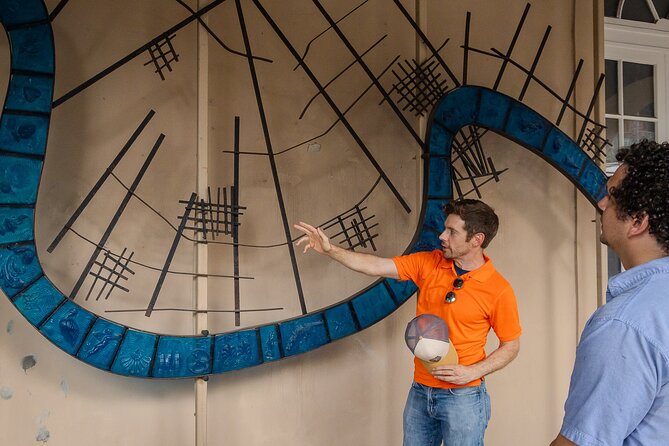
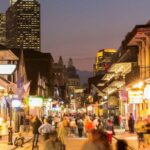
Yes, you’ll walk Bourbon Street, but you won’t treat it like a one-note party strip. The guide covers Bourbon’s sordid history and gives a quick “how to” for navigating it.
That’s the key difference. Bourbon Street can be fun, but it can also be chaos if you don’t know what you’re stepping into. A short guided explanation helps you understand how the street became famous and what kind of atmosphere to expect.
One consideration: if you’re sensitive to noise or late-night energy (and Bourbon is not quiet by default), you may want to mentally plan for that stretch. This tour doesn’t hide it. It gives you context so you can decide how much time you want to keep there.
Presbytère Finish: Mardi Gras and Hurricane Katrina Exhibits
The tour ends at the Presbytère at 751 Chartres St, about 20 minutes for a self-guided museum visit. This is where the experience shifts from street narrative to deeper meaning.
You’ll focus on Mardi Gras exhibits and on how the city was rebuilt after Hurricane Katrina. The guide also discusses the importance of the Catholic faith to Louisiana and notes that this structure once served as a home for local priests.
I like ending here because it gives you something to carry forward. Bourbon Street is a headline. The Presbytère is where you learn why those traditions matter—and how hardship changed the city. If you’re the kind of traveler who wants the emotional and historical “why” behind what you see, this stop is worth the walk.
Ticket note: the admission is described as not included in the stop detail, but your guide will have tickets for you to enter for the self-guided visit. Bottom line for your planning: expect to spend the last part inside and follow the guide’s lead.
Price and Value: Why $39 Works for a First French Quarter Pass
At $39 per person for about 1.5 hours, this isn’t a budget bargain tour, but it also isn’t trying to sell you a full day of attractions. You’re paying for something that’s hard to replicate alone: a guided thread that ties religion, government, housing, privateers, and street design together in a tight route.
The value shows up in three places:
- Expert guidance that turns landmarks into story, not just sight.
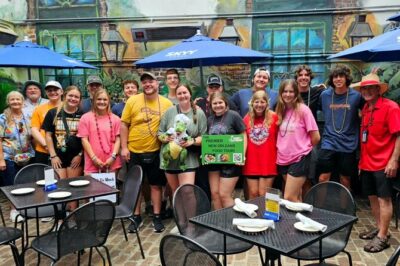
- A small-group setting (max 27) that keeps the tour from feeling like a cattle line.
- A museum-based ending at the Presbytère that helps you understand Mardi Gras and Katrina without you needing to research for hours first.
If you only have a short window in New Orleans, this is a smart “foundation” choice. If you already know a lot about colonial Louisiana and just want to wander, you might skip it and use a map. But if you’re starting from scratch, $39 feels like a fair trade for clarity.
Guides Matter: Andrew and Daniel’s History-First Style
The reviews highlight guides who take the material seriously. For example, Andrew is described as very knowledgeable and able to add detail even for someone visiting New Orleans again. Daniel is also described as a history major–type guide, with a way of connecting city origins to what you see on the street.
Even though you can’t choose your guide, this is a good sign for the overall experience quality. You’re not just getting someone who reads a script. You’re getting a person who can explain why the French Quarter looks like it does and what the big forces were.
That’s what you want from a tour at this price point: real understanding, not just facts dumped on you.
Who Should Book This Tour (And Who Might Want a Different Vibe)
This tour is a strong match if:
- you want a first-time French Quarter orientation
- you like your history tied to real buildings and named people
- you want to understand Mardi Gras beyond costumes
- you’d rather know what you’re looking at while you walk than after
It may be less ideal if:
- you want a long, nightlife-heavy experience with lots of free time
- you only want entertainment and not the political and religious context
- you’re hoping for a fully inside-the-building tour at every stop
That said, even if you’re here for party energy, the background can make your whole visit better. You can still have fun. You’ll just know why the city became what it is.
Should You Book This French Quarter Tour?
Yes—if you want a smart, efficient French Quarter start that goes beyond Bourbon Street and gives you context you can build on for the rest of your trip.
I’d book it if you care about how New Orleans formed: the cathedral as a community anchor, the Pontalba story as an example of early urban housing ambition, the Cabildo’s government layers, and the Presbytère’s Mardi Gras and Hurricane Katrina exhibits. The price is reasonable for a guided foundation, and the small group setup keeps it from feeling rushed.
If you’re only in town for a couple of hours and you want to keep things light, you might look for a shorter or more relaxed option. But if you want the French Quarter to click, this one is a good bet.
FAQ
What time does the tour start, and where do I meet?
The tour starts at 10:30 am at Jackson Square, New Orleans, LA 70116.
How long is the tour?
It runs about 1 hour 30 minutes.
Where does the tour end?
It ends at the Presbytère, 751 Chartres St, New Orleans, LA 70116.
Is it a small group tour?
Yes. This experience has a maximum of 27 travelers.
Do I need to use a mobile ticket?
Yes. You receive a mobile ticket.
Is the Presbytère visit guided or self-guided?
The end stop is a self-guided visit at the Presbytère, focused on the Mardi Gras and Hurricane Katrina exhibits.