REVIEW · NEW ORLEANS
Destrehan Plantation Tour
Book on Viator →Operated by Destrehan Plantation · Bookable on Viator
A plantation tour with real political teeth.
At Destrehan Plantation, you’ll see how the plantation system shaped everyday life, and you’ll learn about the 1811 slave revolt, framed as a major event in U.S. history.
I really like two things about this tour. First, the guide-led stories bring both free and enslaved people into focus, instead of treating the plantation like a museum display. Second, after the main talk, you get time to walk the grounds and explore the dependency buildings at your own pace.
The main drawback is that you should expect heavy history. You’re not just touring pretty buildings; you’re facing the realities of slavery and uprising, and that can be emotionally intense.
In This Review
- Key things to know before you go
- Destrehan Plantation tour: what you’re actually signing up for
- Price and time: is $29.70 good value?
- Getting there from New Orleans: easiest way and meeting point
- How the tour flows once you arrive
- Stop 1: the grounds and dependency buildings self-explore
- A practical note on exploring
- The 1811 Slave Revolt: what to look for in the exhibit
- Folk-life demonstration: what it adds (and what it doesn’t)
- The guide’s role: period costume and strong storytelling
- Main takeaway: why the “political, social, economic” framing matters
- What to do with your time after the guided portion
- Who this tour suits best
- Should you book the Destrehan Plantation tour?
- FAQ
- Is the tour in English?
- How long is the Destrehan Plantation tour?
- Where do I meet for the tour?
- What’s included in the visit?
- Can I cancel and get a refund?
- How big are the groups?
Key things to know before you go
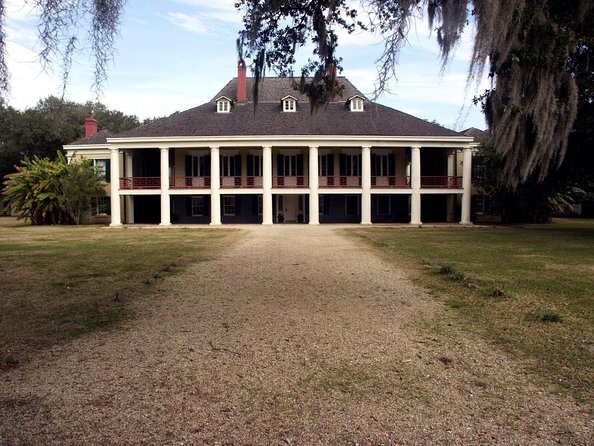
- Small group size (max 19): less crowding, easier questions.
- Political, social, and economic focus: the tour explains plantation life as a system.
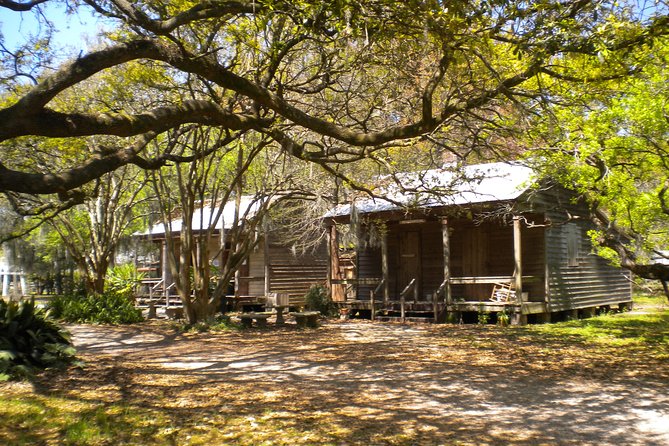
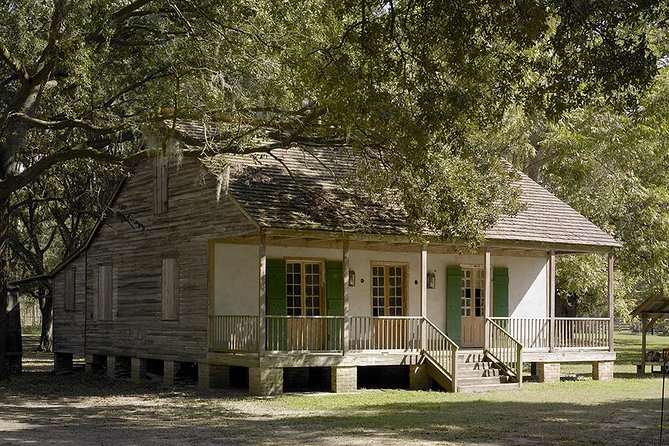
- Dependency buildings self-explore: slave cabin, overseer cabin, kitchen, washroom, and more.
- 1811 Slave Revolt Exhibit: housed in the overseer cabin area.
- Legacy Room originals: original documents and artifacts are on display.
Destrehan Plantation tour: what you’re actually signing up for
This is a straightforward plantation tour with a clear purpose: show how power worked, who benefited, and what it cost. The tone isn’t just architectural sightseeing. It’s about people, roles, and daily routines—free and enslaved—and how those routines connected to the larger political and economic world around the plantation.
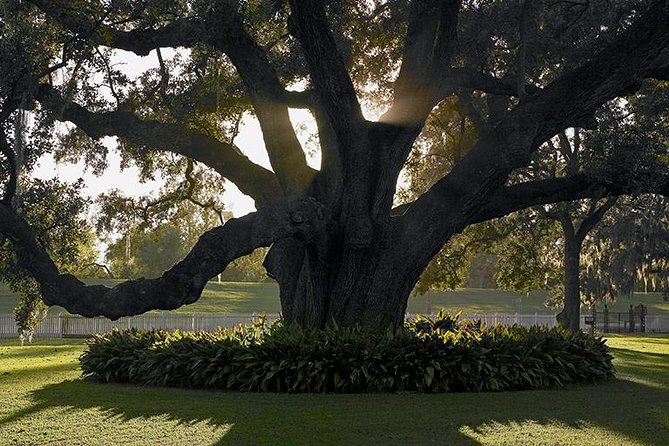
The setting helps. Destrehan’s grounds are described as scenic and peaceful, with lots of time outdoors. That matters, because you’ll be spending more than a token stop “for photos.” You’ll get a walk you can actually enjoy, even when the subject matter turns serious.
You can also read our reviews of more tours and experiences in New Orleans.


Price and time: is $29.70 good value?
The price is $29.70 per person, which is often where day tours near New Orleans start to feel expensive—unless the content is doing real work. Here, the value comes from three things you can feel right away:
- You’re getting guided interpretation plus time to explore on your own.
- You see multiple outbuildings, not just the main house exterior.
- The tour covers the 1811 revolt and how it affected plantation life.
Time is the one area where you should plan for a bit of flexibility. The tour duration is listed as about 45 minutes in one place, but the plantation stop includes an about 2-hour block with admission. Practically, plan for closer to 2 hours on-site so you don’t feel rushed when the walking and self-exploration take a little longer than you expected.
Getting there from New Orleans: easiest way and meeting point
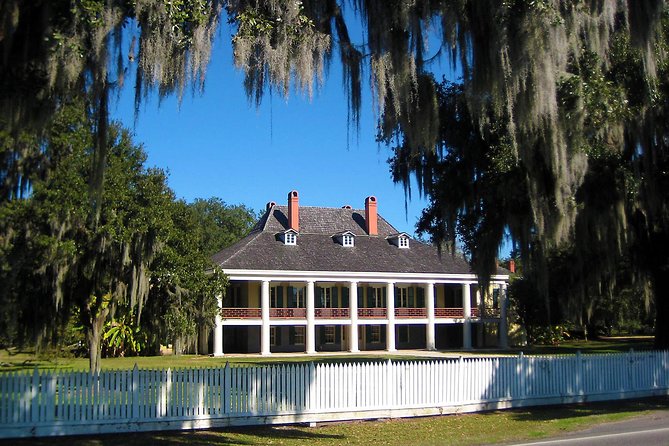
This is set up for easy solo planning. You can get there by rideshare or taxi, and the tour ends back at the meeting point. The start location is:
13034 River Rd, Destrehan, LA 70047, USA
That fixed meeting point is helpful if you’re arriving from New Orleans and don’t want to guess where to pull over. Also, since the activity returns you to the same location, you avoid the stress of coordinating a separate pickup window.
How the tour flows once you arrive
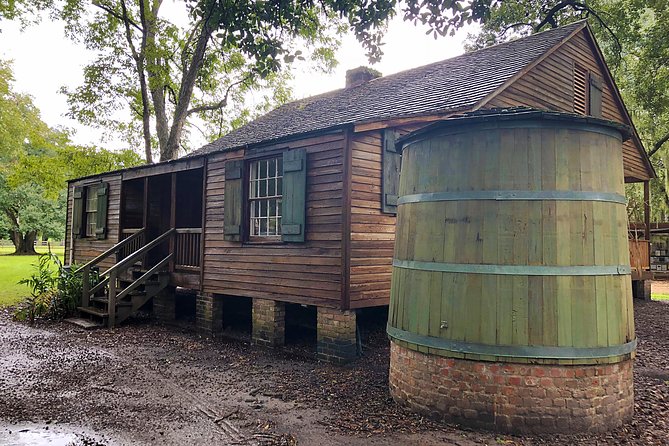
The experience is built around a guided introduction, followed by a self-paced portion. The guide uses costumed historical storytelling, which helps explain roles and routines in a more human way than a standard slideshow.
What I like about this format is that it gives you two kinds of learning:
- You get the main storyline with context from the guide.
- Then you slow down and look closely at the buildings and exhibits on your own.
That rhythm fits most travelers, especially if you’re the type who learns better by moving around.
Stop 1: the grounds and dependency buildings self-explore
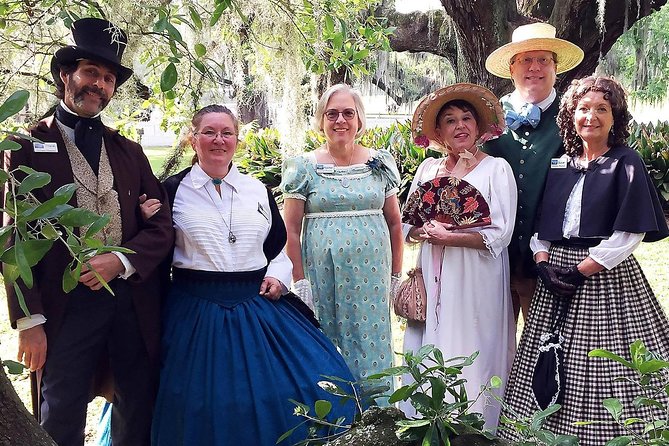
Once you’re on site, you start with guided interpretation and then transition into exploring the grounds and dependency buildings. This is where the tour turns from “interesting” into “memorable,” because the plantation isn’t presented as one big dramatic building. It’s presented as a whole working setup.
Here’s what you can expect to see and experience as you walk:
- A slave cabin area, including an enslaved registry display.
- An overseer’s cabin with an 1811 Slave Revolt Exhibit.
- An outdoor kitchen that helps you picture daily work and food systems.
- A washroom building, which grounds you in routines people had to follow.
- A trapper’s cabin, which adds another layer to the plantation’s day-to-day operations.
- The Legacy Room, with original documents and artifacts from the family.
Even if you’re not a history buff, these stops help you understand the plantation as a machine. Each building answers a question: who worked there, what it was used for, and how control was maintained.






A practical note on exploring
Wear comfortable shoes. You’re doing real walking across grounds and through multiple building spaces. If you’re the kind of traveler who likes to stop and read every sign, give yourself extra time—this is exactly the kind of tour where rushing can make the best parts feel thin.
The 1811 Slave Revolt: what to look for in the exhibit
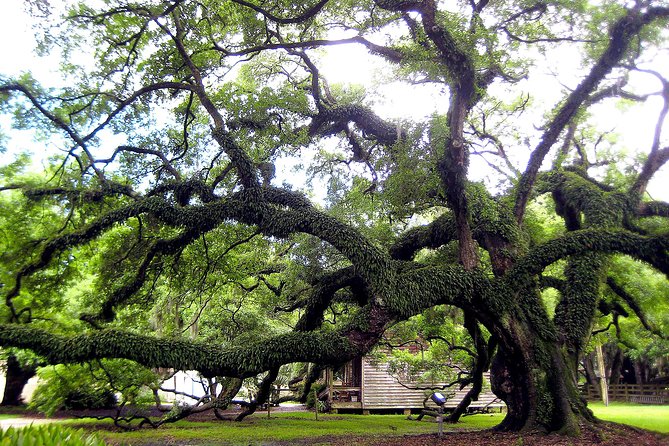
The 1811 slave revolt is called out as the largest uprising in U.S. history, and it’s not treated like a trivia footnote. It’s tied directly to plantation life through the exhibit location in the overseer cabin area.
When you reach that part of the tour, slow down. This is the moment where the tour’s focus on political and social life becomes visible. You’re seeing how an uprising isn’t just a dramatic event—it’s something that erupts out of oppression and then reshapes how people respond.
If you want a simple strategy: while you’re in the exhibit area, note what questions you still have. Save those for later when the guide is available for Q&A or when you move back to the main storyline.
Folk-life demonstration: what it adds (and what it doesn’t)
A folk-life demonstration is part of the experience, and it plays a specific role. It’s not a replacement for the hard history. It’s a separate way of showing how people lived—through routines, skills, and culture.
I find this kind of addition valuable because it prevents the story from becoming one-note. Plantation history can easily get reduced to buildings and dates. A demonstration helps you picture the texture of lived experience, which makes the rest of the tour hit harder.
Still, keep your expectations realistic. The core of this tour is the plantation system and the 1811 revolt framing. The demonstration is a piece of the broader story, not the entire point.
The guide’s role: period costume and strong storytelling
The guides on this tour come through clearly in the feedback. Names like Jim show up repeatedly, along with Ann for museum interpretation, and Beverley in period costume. Other names that appear in the experience include Kellie, Jordan, Clint, and Alan and Ann together.
Beyond names, what seems consistent is the guiding style: clear explanations, good pacing, and a knack for making the setting feel lived-in rather than distant. You’ll often feel like you’re getting more than facts—you’re getting a way to connect the exhibits to human choices and human suffering.
If you’re worried about tours where you’re talked at for 45 minutes, this one doesn’t feel like that. The small group size (max 19) helps, and the mix of guided and self-exploration keeps your attention from burning out.
Main takeaway: why the “political, social, economic” framing matters
Many plantation tours stop at architecture and general descriptions. This one keeps returning to how the plantation ran as a system—economically, socially, and politically.
That framing makes a practical difference for your understanding. It helps you see that slavery wasn’t accidental or peripheral to plantation life. It was central to how the property operated and how power was enforced. And because the tour includes the uprising story, you also see that resistance and control were part of the same landscape.
That’s a heavy theme, but it’s also one of the reasons the tour earns such strong ratings. The goal isn’t comfort. It’s comprehension.
What to do with your time after the guided portion
After the guided talk, you’re allowed to self-explore the grounds and dependency buildings. That means you can linger where you want, rather than sprinting to match someone else’s pace.
A couple tips that help:
- If you’re moved by the revolt and slavery sections, give yourself time to step back outdoors afterward. It can help your brain reset before you hit the document displays in the Legacy Room.
- If you love reading, plan a slower pace. The Legacy Room includes original documents and artifacts, and that’s the kind of place where time disappears fast.
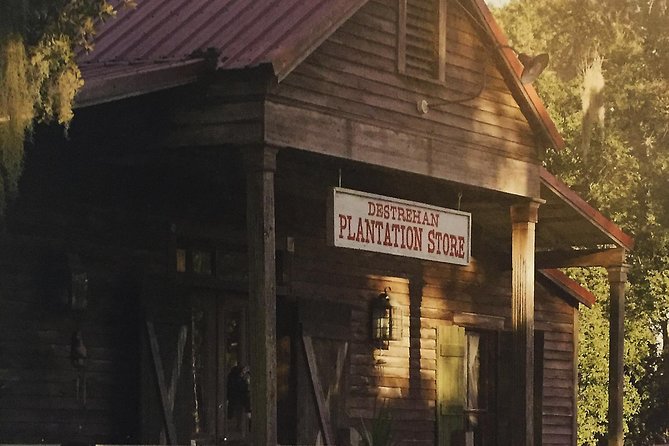
Also, there’s mention of an on-site gift shop. If you want a small takeaway, it’s a convenient place to browse without needing extra transportation plans.
Who this tour suits best
This is a good match if you:
- Want a plantation visit that includes the enslaved experience directly, including the 1811 revolt.
- Prefer a small group rather than a bus-sized crowd.
- Like tours that mix guided storytelling with time to look on your own.
- Are staying near New Orleans and want something short-drive practical.
It may be less ideal if you strongly dislike difficult history or need entertainment-only stops. This tour doesn’t sugarcoat the subject, and the emotional weight is part of the experience.
Should you book the Destrehan Plantation tour?
Yes, if you’re looking for a plantation tour that’s structured, paced, and focused on real human stakes. The best reason to book is the combination of guided interpretation plus a build-out of exhibits across multiple dependency buildings, culminating with original documents and artifacts in the Legacy Room.
If you’re on the fence, make your decision based on one question: can you handle learning about slavery and an uprising in a direct way? If that feels doable, this is the kind of tour that gives you more than “pretty photos.” It gives you context you can actually carry with you when you keep exploring Louisiana.
FAQ
Is the tour in English?
Yes. The tour is offered in English.
How long is the Destrehan Plantation tour?
The duration is listed as about 45 minutes approximately, and the plantation stop includes about 2 hours with the admission ticket. Plan for closer to 2 hours on site to avoid feeling rushed.
Where do I meet for the tour?
The meeting point is 13034 River Rd, Destrehan, LA 70047, USA, and the tour ends back at the same place.
What’s included in the visit?
The plantation stop includes admission ticket access, plus you’ll tour and self-explore areas such as the slave cabin, overseer cabin with the 1811 exhibit, outdoor kitchen, washroom, trapper’s cabin, and the Legacy Room with original documents and artifacts.
Can I cancel and get a refund?
Yes, free cancellation is available. You can cancel up to 24 hours in advance for a full refund. If you cancel less than 24 hours before the start time, it’s not refunded.
How big are the groups?
The tour has a maximum of 19 travelers, which helps keep the experience more personal.