REVIEW · NEW ORLEANS
New Orleans Plantation Tour with Transportation
Book on Viator →Operated by "La Vie" New Orleans Private Tours · Bookable on Viator
Oak Alley sets the tone fast. This is a private, pickup-in-New-Orleans tour that pairs the famous live-oak avenue with Creole heritage storytelling at Laura Plantation and the heavy history of slave-built grounds at Evergreen.
I especially loved how the day is guided with clear, human details. Ben helps history feel organized, and Pam brings the stories to life in a way that makes the past easier to hold in your mind.
One thing to keep in mind: it’s only about 3 hours 30 minutes, so the stops are focused rather than slow and leisurely. Also, the subject matter is dark—slave cabins and the American slave trade are part of what you’ll learn.
In This Review
- Key highlights to know before you go
- A private route that makes sense for a short New Orleans day
- Oak Alley: live oaks, steamboat nicknames, and a mansion from 1839
- Laura Plantation: Creole heritage, 5,000-page documents, and Alcée Fortier
- What you’ll walk through at Laura
- The West-African stories and Br’er Rabbit connection
- Evergreen Plantation: 37 registered buildings and the weight of slave-cabin layout
- Live oaks, sugar infrastructure, and what the grounds reveal
- Transportation and timing: making 3.5 hours feel full
- What the guides do that makes the history land
- Price and value: is $297.50 worth it?
- Who should book this New Orleans plantation tour
- Should you book it?
- FAQ
- How long is the plantation tour?
- What time does the tour start?
- Is pickup included, and where does it work?
- Is this a private tour?
- Which plantation stops are included?
- Is there a mobile ticket?
- Is admission to Laura Plantation included?
- What language is the tour offered in?
- Are service animals allowed?
- What is the cancellation policy?
Key highlights to know before you go
- Oak Alley’s 28 live oaks: a quarter-mile approach that gave the plantation its steamboat nickname
- Laura Plantation’s archive-based tour: built from 5,000 pages of French National Archives documents
- West-African stories at Laura: tied to Alcée Fortier and the later English Tales of Br’er Rabbit
- Evergreen’s scale: 37 buildings and 22 slave cabins in their original double-row layout
- Old live oaks at Evergreen: some estimated around 300 years old, with a largest trunk girth of 23 feet
A private route that makes sense for a short New Orleans day
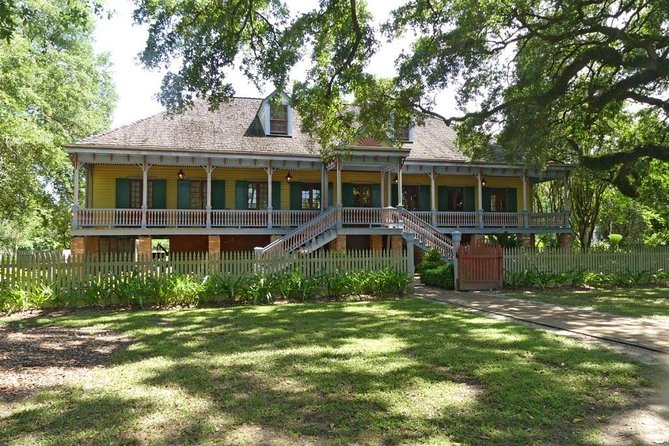
If you want plantation history without turning your day into a logistics puzzle, this is a strong setup. You get pickup within New Orleans city limits, and you’re traveling with only your group, so the pace stays aligned to your plans and questions.
The other smart part: the day isn’t just “pretty houses.” You also see how plantations worked through the built landscape—gardens, cottages, kitchens, slave cabins, and the physical traces of sugar production.
And yes, you’ll still get the wow factor. Oak Alley is one of those places where you instantly understand why it became so photographed, even if you’re not a picture person.
You can also read our reviews of more tours and experiences in New Orleans.
Oak Alley: live oaks, steamboat nicknames, and a mansion from 1839
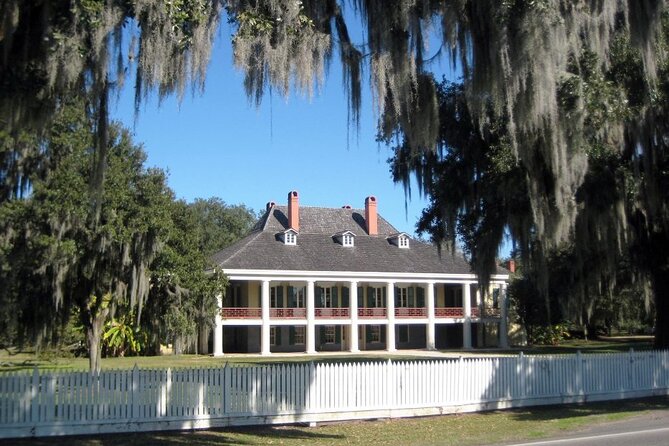
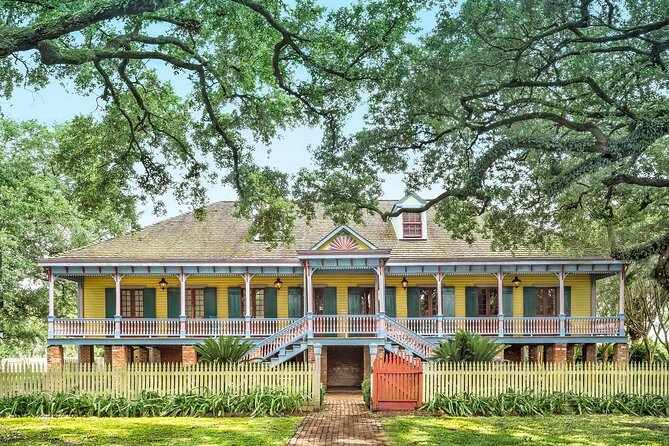
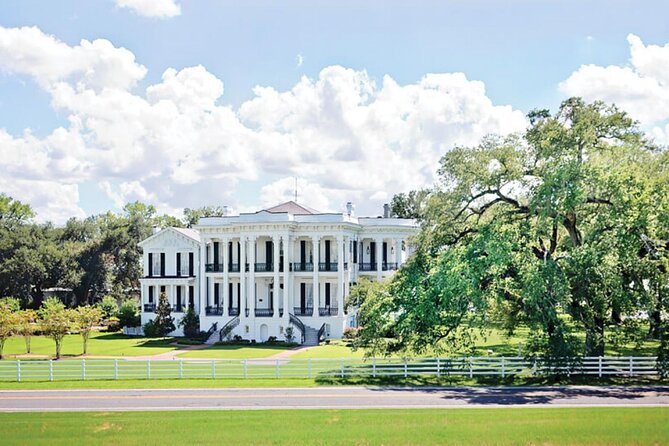
You start at a plantation known as the Grand Dame of River Road, built in 1839. The original name was Bon Séjour, and the famous walkway of 28 giant, live oak trees is the reason steamboat passengers called it Oak Alley.
This stop is less about a long lecture and more about seeing the plantation as a designed space. When you walk under those oaks, you understand how the avenue functions as a social signal—shade, spectacle, and a controlled arrival.
Practical tip: bring a little patience for the crowding at a highly photographed site. Even on a guided day, these famous places tend to draw attention, so keep your expectations flexible if you want photos at exactly the same angles everyone else wants.
Laura Plantation: Creole heritage, 5,000-page documents, and Alcée Fortier
Laura Plantation is the heart of the Creole focus on this tour. You’ll take a guided experience that lasts about 70 minutes, and it’s built on 5,000 pages of documents from the French National Archives.
What I find valuable here is the way the tour anchors stories in records. You’re not just hearing general plantation talk—you’re getting accounts tied to free and enslaved families and then carried forward through 7 generations at Laura.
What you’ll walk through at Laura
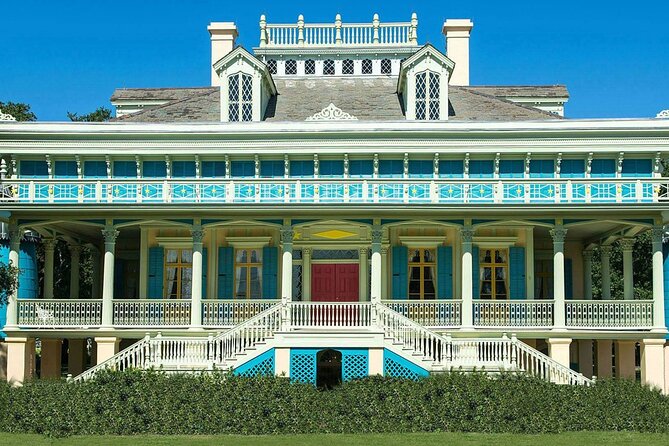
Laura has 11 structures listed on the National Register of Historic Places. On the grounds, you can explore the newly restored Manor House, the formal and kitchen gardens, the Banana-Land grove, and the Creole cottages and slave cabins.
That mix matters. The gardens and cottages show daily life and community structure, while the slave cabins bring you back to the reality that plantation wealth was enforced by human bondage.
The West-African stories and Br’er Rabbit connection
One of the most interesting threads at Laura is the West-African storytelling connected to folklorist Alcée Fortier. Formerly enslaved people shared stories while they were at the slave cabins, recorded in the 1870s, and those accounts later gained popularity in English as Tales of Br’er Rabbit.
If you enjoy cultural history—how stories travel, change, and survive—this is the kind of stop that sticks with you long after you leave. It’s not just architecture; it’s memory.




Evergreen Plantation: 37 registered buildings and the weight of slave-cabin layout
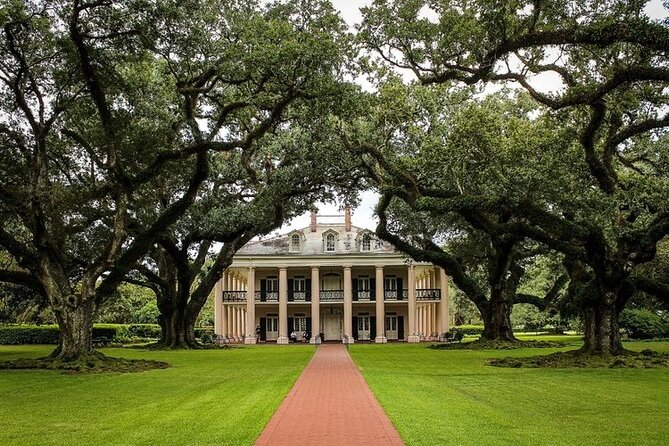
Evergreen Plantation is the other major history stop, and it’s big in a very specific way. The site has 37 buildings listed on the National Register of Historic Places, including 22 slave cabins still in their original double-row configuration.
That double-row layout is the kind of detail that changes how you understand a plantation. You can look at the spacing and the grouping and realize this wasn’t an accidental arrangement—it was a system.
Live oaks, sugar infrastructure, and what the grounds reveal
Evergreen also leans hard into the physical landscape. Live Oak Society of Louisiana lists 16 registered live oaks on the property, with the largest having an estimated trunk girth of 23 feet. Officials estimate the oldest trees are about 300 years old.
Some of the huge oaks shade the St. Joseph home’s backyard well and the big iron syrup kettle, which is about 10 feet wide. The property also includes remnants of a narrow gauge railroad that once carried sugar cane from fields, plus a detached kitchen and slave quarters with documented building frames.
This is where the plantation story stops feeling abstract. You’re looking at the machinery of power—literally ironwork and transportation remnants—while also seeing the human spaces that were built for enslaved workers.
Quick consideration: because this stop is dense with structures and meanings, you’ll get the most out of it if you move slowly and read the cues your guide shares. Don’t rush. The details are doing real interpretive work.
Transportation and timing: making 3.5 hours feel full
This tour starts at 9:00 am, and you’re picked up at your chosen location within New Orleans city limits. That matters more than people think. It removes the stress of getting to the plantations on your own and helps you use the day for actual looking and listening.
The total duration is about 3 hours 30 minutes. With Laura’s guided portion running about 70 minutes, you can expect the other stops to be efficient but not overly long.
Here’s how to set your expectations: you’ll cover three named plantation sites and key interpretive moments. You likely won’t get the kind of leisurely, linger-at-one-building for an hour pace that you might want at a museum.
If you hate rushing, I’d still consider this, but only if you’re okay with a focused route. If you love detail and you tend to read everything slowly, you might wish for more time at Laura or Evergreen.
What the guides do that makes the history land
The guide quality is one of the clearest reasons this tour earns strong ratings. Ben/Benjamin gets repeatedly praised for how he presents local history clearly and in a way that feels friendly, not stiff.
Pam shows up in the storytelling too, and that pairing matters. You get a blend of structured historical context plus narrative energy—exactly the combination that helps hard topics feel understandable without becoming soft.
If you’re the type who asks questions, a private group format gives you better odds to do it. And if you’re not much of a talker, you’ll still benefit because the guide-led pacing helps you connect what you’re seeing to what you’re hearing.
Price and value: is $297.50 worth it?
At $297.50 per person, this is not a bargain compared with tours that run as big bus groups. But the cost makes more sense when you look at what’s included and how efficiently the day is used.
You’re paying for:
- Private transportation from New Orleans hotel-area pickup
- A focused route that hits Oak Alley plus two major plantation sites
- A guided Laura Plantation experience with an admission ticket included
- A smaller, group-only format that supports questions and flow
For many travelers, paying extra for pickup and a private group is the difference between a smooth day and a stressful one—especially when you’re leaving New Orleans in the morning.
One value check for you: this works best if you truly want both Creole context and slavery-era realities in the same outing. If you only want one of those themes, you might compare prices against tours that target just one plantation.
Who should book this New Orleans plantation tour
This is a great fit if you:
- Want a high-impact plantation day with guided context
- Care about Creole heritage history as more than background scenery
- Appreciate that “plantation history” includes slave cabins and the American slave trade
- Prefer a private, pickup-based format over DIY driving
It might not be your best match if you:
- Want a slow, unstructured wandering day
- Are hoping for mostly scenic sightseeing with minimal discussion of slavery
- Struggle with absorbing a lot of history in a short time window
Should you book it?
I think you should book if you want a plantation tour that treats the story seriously and gives you enough guidance to make the grounds meaningful. The pairing of Oak Alley’s iconic live-oak arrival with Laura’s Creole documentary-based storytelling and Evergreen’s large-scale slave-cabin layout creates a full picture—one that’s hard to recreate on your own in a simple half-day.
One last tip: pack water and plan for emotional heaviness. This day doesn’t shy away from the realities behind plantation wealth, and that’s exactly why it’s worth doing with a guide.
FAQ
How long is the plantation tour?
The tour is approximately 3 hours 30 minutes.
What time does the tour start?
The start time is 9:00 am.
Is pickup included, and where does it work?
Pickup is offered within New Orleans city limits. You can choose your pickup location.
Is this a private tour?
Yes. It’s private, and only your group participates.
Which plantation stops are included?
The tour includes stops at Oak Alley, Laura Plantation, and Evergreen Plantation.
Is there a mobile ticket?
Yes, a mobile ticket is included.
Is admission to Laura Plantation included?
Yes. The Laura Plantation ticket/admission is included.
What language is the tour offered in?
The tour is offered in English.
Are service animals allowed?
Yes, service animals are allowed.
What is the cancellation policy?
The experience is non-refundable and cannot be changed for any reason. If you cancel or ask for an amendment, the amount paid is not refunded.