REVIEW · NEW ORLEANS
Two Plantation Tour: Oak Alley and Laura or Whitney
Book on Viator →Operated by CRESCENT CITY TOURS & TRANSPORTATION · Bookable on Viator
Plantations here make you face the whole story. This day trip pairs Oak Alley with Whitney Plantation or Laura, plus stops tied to famous films and major events in Louisiana’s past.
I love the way the tour mixes guided interpretation with time to see on your own, so you get both context and space to process what you’re looking at. I also like that the pace is built for convenience: downtown pickup, an air-conditioned vehicle, and a day that packs multiple key sites into about seven hours.
One thing to plan for: snacks aren’t included, and this is a long drive day. If lunch matters to you, you’ll want to budget for food (Oak Alley has a restaurant option).
In This Review
- Key things to know before you go
- How the Oak Alley + Whitney/Laura day tour really works
- Downtown pickup and a small-group feel
- The drive begins at Evergreen: Django Unchained and Queen Sugar locations
- Destrehan Plantation and the 1811 German Coast slave revolt
- Saint Joseph Plantation: a 12 Years a Slave filming connection
- Crossing Lake Pontchartrain: marsh views and big water scale
- Laura’s Creole Plantation stop: seeing a different thread of Louisiana
- Oak Alley: big-house guidance and self-paced time on the grounds
- Whitney Plantation: an education-first visit about enslavement
- The two “main” choices: Laura or Whitney, and how to pick
- What the 7-hour day feels like (pace, quiet time, and breaks)
- Price and value: why $152 can make sense here
- Who should book this tour (and who might not love it)
- Should you book? My practical take
- FAQ
- What time does the tour start, and where do I meet?
- Do they pick you up from hotels?
- How long is the experience?
- Is anything besides the tour included in the price?
- Are the plantation visits fully guided?
- Which plantations are included?
- What is the group size limit?
- What happens if the weather is poor, or if I need to cancel?
Key things to know before you go
- Oak Alley plus either Whitney or Laura: you get more than one plantation experience in a single outing.
- A mix of guided and self-guided time: Oak Alley includes both docent coverage and independent exploring.
- Film and history stops on the drive: Evergreen, Destrehan, and Saint Joseph tie to Django Unchained, Queen Sugar, and 12 Years a Slave.
- Destrehan and the 1811 German Coast revolt: a major event in the fight for freedom is part of the route.
- Lake Pontchartrain marsh crossing: you travel across a wide salt-water lake area to break up the long day.
How the Oak Alley + Whitney/Laura day tour really works
This is a full-day plantation loop that starts in New Orleans and takes you out past several historic sites before you settle into your main plantation visits. The big idea is simple: you see two different plantation experiences back-to-back, so your brain doesn’t get stuck in just one perspective.
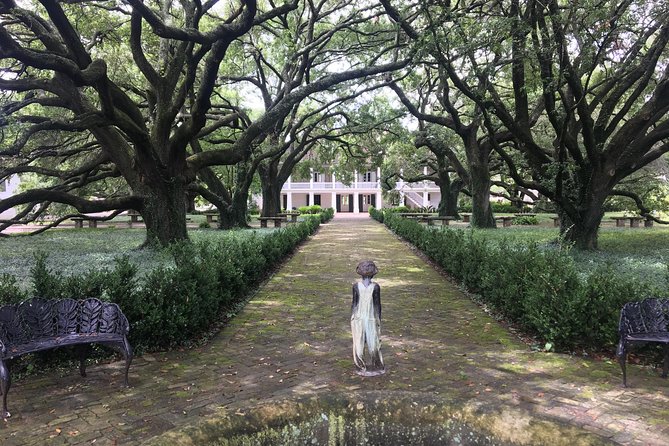
Oak Alley is the photo-famous stop, with its big house and the dramatic oak canopy. Whitney Plantation is the emotionally heavy one, designed as an educational monument that keeps the focus on people who were enslaved and the system that harmed them.
A third layer is the drive itself. Along the way, you’ll pass places tied to major slave-revolt history and scenes from well-known film and TV projects, which makes the day feel like more than just walking around a single estate.
You can also read our reviews of more tours and experiences in New Orleans.
Downtown pickup and a small-group feel
The tour meets at Wyndham Garden Baronne Plaza New Orleans, at 201 Baronne Street. Start time is 8:30 AM, with pickup offered from most downtown hotels between 8:30 and 9:00 AM. If your hotel isn’t listed, pickup is arranged from the nearest option.
The group size is kept intentionally small. The tour notes a small-group cap of 12, while also stating a maximum of 24 travelers, so you should expect a controlled, bus-and-guide style of day—not a huge crowd shuffle.
There’s also a rule worth knowing: during transfer and travel time, the group is asked to keep silence. It’s not scary, just one of those small adjustments that makes the ride calmer.
The drive begins at Evergreen: Django Unchained and Queen Sugar locations
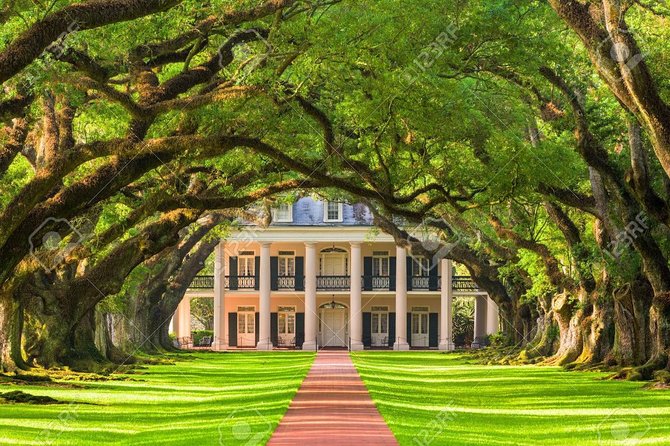
One of the first stops is Evergreen Plantation, known here because it was used as a filming location. The stop is tied to scenes from Django Unchained and Queen Sugar (the mini series on the Oprah Winfrey network).
Even if you’re not a movie buff, this helps you get oriented fast. You’re traveling through a landscape where Louisiana’s history and pop culture keep crossing paths, and seeing a familiar visual reference can make the next sites easier to place.
Think of Evergreen as a warm-up for the rest of the day. You’re not just riding out—you’re building a mental map of what you’re about to face.
Destrehan Plantation and the 1811 German Coast slave revolt
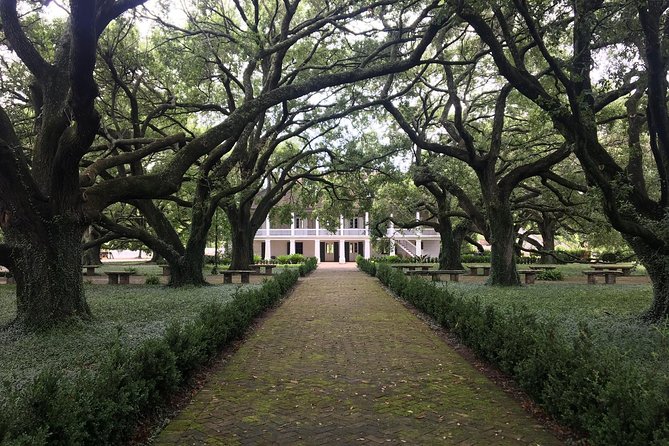
Next up is Destrehan Plantation, a site connected to the 1811 German Coast slave revolt. The day frames it as the largest slave revolt ever recorded in American history.
That matters, because most people visiting plantations only get told about the plantation owners and the property. Here, the story turns toward resistance and the brutal stakes of freedom being fought for.
You’ll want to bring a mindset shift with you: this stop is not there for a pretty photo. It’s there to point you toward a specific moment when enslaved people pushed back as far as they could.
Saint Joseph Plantation: a 12 Years a Slave filming connection
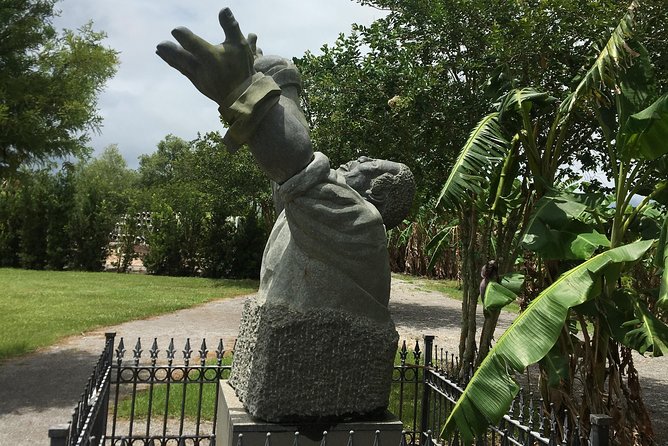
Then you’ll reach Saint Joseph Plantation, another route stop tied to film history. It’s referenced as a location where a scene for 12 Years a Slave was shot.
The practical benefit of these film-location stops is that they give you a concrete anchor. When you later hear or read about the period, your brain has a place to stick the details.
The emotional benefit is also real, but it’s different: those movie connections can pull your attention toward the lived experience the films try to dramatize. From there, the tour becomes less about entertainment and more about witnessing.




Crossing Lake Pontchartrain: marsh views and big water scale
Between historic stops, the route includes a travel moment across Lake Pontchartrain. The tour describes it as one of the largest salt-water lakes in the world, and you’ll cross the marsh tied to this massive body of water.
This is the part of the day that helps you reset. Long plantation days can start to feel repetitive because the same kind of buildings keep appearing. Big water and marsh views break that pattern and add breathing room before the next heavy stop.
It also helps you understand the region as more than just plantations on a map. These estates lived inside a wider system of water, land, and transport.
Laura’s Creole Plantation stop: seeing a different thread of Louisiana
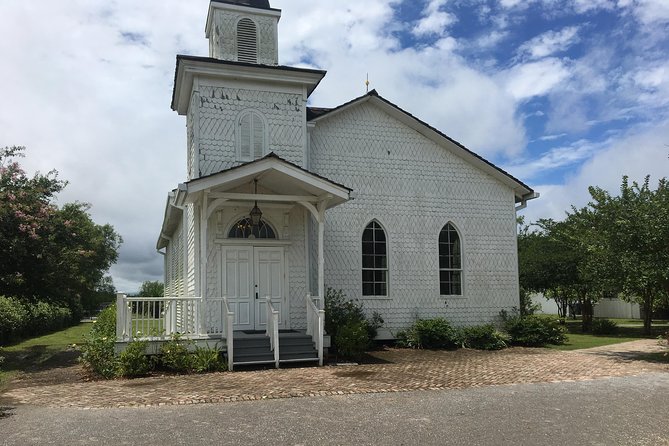
As you head toward the main destination, the route includes a look at Laura’s Creole Plantation. That’s a useful addition because it reminds you Louisiana isn’t one single story line.
Creole identity, architecture, and plantation economics don’t work the same way everywhere. Even a “see it on the way” moment can help you recognize that the plantation world wasn’t uniform.
This stop is especially helpful if you’re the kind of person who likes patterns. The day keeps giving you contrasts, and that’s how the bigger picture forms.
Oak Alley: big-house guidance and self-paced time on the grounds
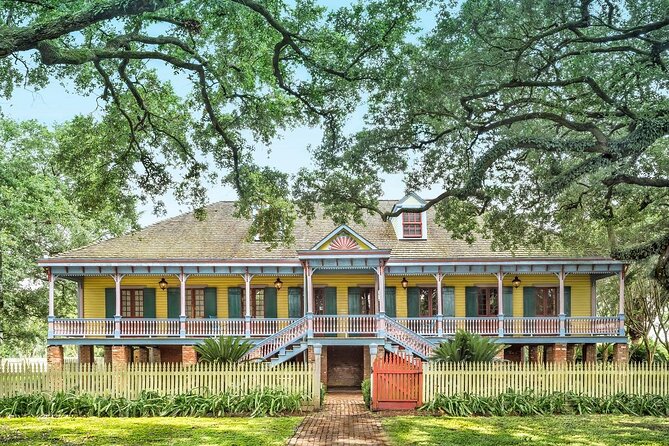
Oak Alley is where the day turns into one of those classic Louisiana plantation experiences people talk about for a reason. It has the iconic big house, garden areas, and especially the oak trees that dominate the site.
From one account of this tour, the oaks are described with specifics that stick: thick trunks, branches that hang low, and a canopy that feels physically weighty. Even if you don’t remember every measurement, you’ll remember how the trees shape the whole view.
Oak Alley also gets split how you’d hope it would be. You get part guided coverage (including the big house) and part on your own exploring—particularly around the slave quarters and grounds.
That mix is smart. A guide can explain the big picture quickly, and then your own pace lets you slow down where you need to. If you’re taking photos, Oak Alley is the most straightforward place on the day for classic exterior shots.
Food note: there’s typically time built in where lunch is possible at Oak Alley, but it’s not included in the tour price. If you want lunch, plan to pay for it separately.
Whitney Plantation: an education-first visit about enslavement
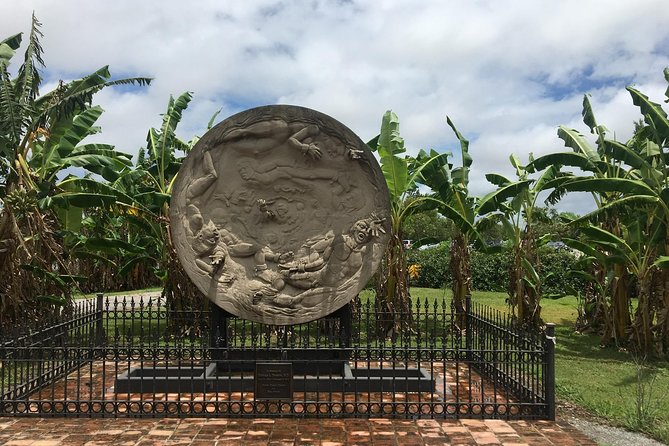
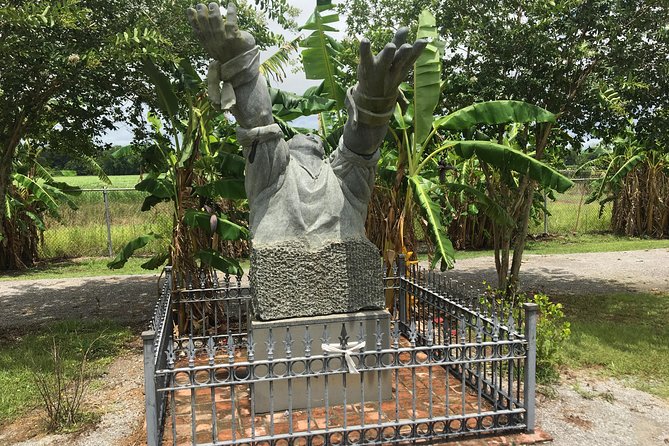
If Oak Alley is about the estate’s visible beauty, Whitney Plantation is about turning the lens onto what the plantation system did to human beings. The tour positions Whitney as an educational monument honoring lives affected by the American enslavement trade.
One important detail: Whitney’s visit is described as unguided, with around two hours at the plantation. That doesn’t mean you’re left in the dark. It means you can read, reflect, and move through the exhibits without feeling rushed by narration.
This is the stop that tends to feel the most personal, because the museum-style approach guides you toward the purpose rather than encouraging you to treat the site like a scenic attraction.
If you want a balanced day—seeing the estate’s structure and then confronting the human cost—this pairing works. It also helps you understand why plantation tours in Louisiana can’t be only one thing.
The two “main” choices: Laura or Whitney, and how to pick
This tour is sold as Oak Alley and Laura or Whitney, meaning you’re choosing between a second plantation experience that changes the emotional weight and the focus. Either way, you get Oak Alley, and the route includes a look at Laura’s Creole Plantation.
Here’s the practical way to decide:
- If you want a site built specifically to teach about enslavement and its harms, lean toward Whitney.
- If you’re more interested in Creole roots and a different plantation angle, lean toward Laura.
If you’re stuck between them, a good strategy is to ask yourself what you want the day to do most. Oak Alley tends to pull you into the estate side. Whitney tends to pull you into the truth-and-memory side. Laura leans into a cultural and family-story perspective.
What the 7-hour day feels like (pace, quiet time, and breaks)
Plan on roughly seven hours on the clock. With pickup starting as early as 8:30 AM and the drive taking time, this is not an evening stroll.
The tour also asks for silence during transfers. That can be a relief if you want calm and reflection, but it’s worth knowing because you won’t be chatting freely with the driver while moving between sites.
You’ll get your structured time at the plantations, plus drive time between them. The balance of guided versus self-paced visiting is a real strength here: you get interpretation when it helps, and you get control when it matters.
Food is the biggest “self-management” piece of the day. Snacks aren’t included, so if you tend to get hungry, you’ll want a plan before you set out. Lunch availability at Oak Alley is there, but it’s separate from the tour price.
Price and value: why $152 can make sense here
At $152 per person, this isn’t a bargain-basement tour. But you’re paying for several concrete things that add up.
First, you’re getting transportation from New Orleans with air-conditioned comfort for a long day. Second, you’re getting multiple major historic stops, not just two plantations in isolation. Third, you’re getting a mix of docent-led interpretation and on-site time.
When you compare it to doing Oak Alley and Whitney separately on your own, this route wins on time and planning. Both are about an hour drive out of the city area, and stacking the day reduces your headache.
One more value point: the tour is described as a small group. That helps you feel like part of a real experience, not a cattle-line pickup.
Who should book this tour (and who might not love it)
This tour suits you if you want a full day that connects dots. You like guided context, but you also like being able to step away on your own when a site hits hard.
It’s also a strong fit if you can’t decide between plantation experiences. The format gives you the estate side at Oak Alley and a heavier, more educational approach with Whitney, or an alternative focus when Laura is chosen.
You might want to pass if you hate long driving days. This is a packed route, and you’ll be on the road enough that you’ll want to feel patient with the schedule.
Also consider your comfort level with silence on transfers. If you prefer constant conversation, the quiet ride rule is something you’ll notice.
Should you book? My practical take
I’d book this tour if you want two plantation experiences in one efficient day without turning it into a stress marathon. The Oak Alley + Whitney/Laura combination gives you contrast—architecture and framing on one side, memory and education on the other.
I’d think twice if you need snacks covered and a lighter schedule. Since snacks aren’t included, plan food ahead of time or be ready to purchase lunch at Oak Alley.
Finally, book ahead if your dates are fixed. The tour’s average booking window is about 32 days in advance, which suggests it can fill up.
If you want a thoughtful day that respects the subject while still giving you plenty to see, this one is an easy yes.
FAQ
What time does the tour start, and where do I meet?
The tour starts at 8:30 AM at Wyndham Garden Baronne Plaza New Orleans, 201 Baronne Street.
Do they pick you up from hotels?
Yes. Pickup is offered from most downtown hotels. If your hotel is not listed, you’ll be picked up at the nearest available option, between 8:30 AM and 9:00 AM.
How long is the experience?
The duration is approximately 7 hours.
Is anything besides the tour included in the price?
The price includes an air-conditioned vehicle. You should note that snacks are not included.
Are the plantation visits fully guided?
No. The day includes docent-led content, but Whitney is described as unguided with about two hours there, and Oak Alley is described as partly guided (big house) and partly self-guided (grounds/quarters).
Which plantations are included?
This is a two-plantation format with Oak Alley plus Laura or Whitney. The route also includes a chance to see Laura’s Creole Plantation.
What is the group size limit?
The tour has a maximum of 24 travelers, and it’s described as a small group limited to 12.
What happens if the weather is poor, or if I need to cancel?
The tour requires good weather. If it’s canceled due to poor weather, you’ll be offered a different date or a full refund. Free cancellation is available up to 24 hours before the start time for a full refund.