
REVIEW · NEW ORLEANS
Nutty New Orleans Scavenger Hunt
Book on Viator →Operated by Alley Kat Adventures · Bookable on Viator
New Orleans turns into a game board in this app-led scavenger hunt. I like that it mixes a mobile quest with a live remote host, so you’re not just walking around hoping your clue works. You’ll start at a well-known landmark near Canal Street and get your instructions right through your phone.
I also love the competitive edge of the live leaderboard. It keeps everyone moving, and it’s built for teams who enjoy a little friendly chaos, whether you’re there as a couple, a family, or a group with dogs. The format also alternates between indoor and outdoor moments, which helps when the weather shifts.
One important drawback to consider: if a checkpoint location is unexpectedly closed, you can end up feeling rushed or blocked while other teams keep playing. And because the hunt is remotely hosted, you must have a working domestic phone (or use WhatsApp/email if needed) and a fully charged smartphone with GPS and data.
In This Review
- Nutty New Orleans Scavenger Hunt in Plain Terms
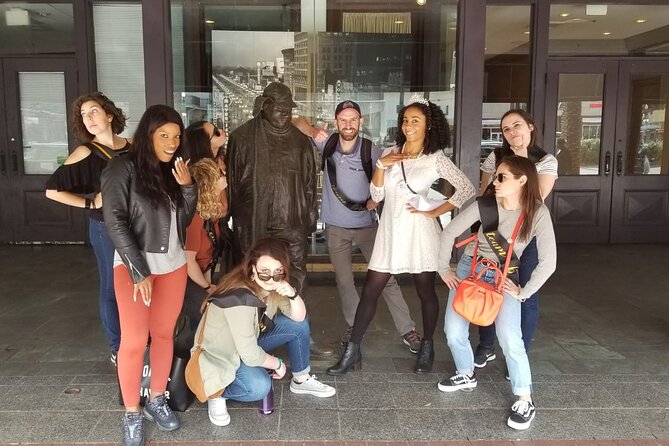
- Starting at the Ignatius J. Reilly Statue: Your Game Launch Point
- French Quarter Stop: Classic Streets, Clue-Driven Walking
- Gallery Orange Stop: Your Indoor Break and Photo Moments
- The Remote Host: Live Help That Keeps the Game Moving
- Leaderboard Pressure: How Scoring Changes Your Strategy
- Walking, Timing, and Fitness: What Two Hours Really Means
- Who This Hunt Suits Best (and Who Might Find It Annoying)
- Should You Book It? My Decision Guide
- FAQ
- How long is the Nutty New Orleans Scavenger Hunt?
- What language is the hunt offered in?
- Where do we meet, and where does it end?
- Do we need a smartphone to play?
- Do I need a specific phone number for the remote host?
- Is the hunt family and dog friendly?
- Can I cancel, and can the hunt be extended?
Nutty New Orleans Scavenger Hunt in Plain Terms

Think of this as a short New Orleans walking game that turns sightseeing into problem-solving. Instead of buying a ticket to sit and watch, you’ll chase objects, answer riddles, and complete odd challenges designed to get you out of your usual route.
The key twist is that the guide isn’t standing next to you. Alley Kat Adventures runs it with a remote interactive host. You message, upload photos, and get help while you play, which makes it feel closer to a team “game show” than a traditional tour.
You’ll be part of a structured loop that lasts about two hours. The pace works best when you’re willing to stop, read your phone, and follow directions quickly. This isn’t a slow stroll where you can wander off-photo for 20 minutes and still finish on time.
Starting at the Ignatius J. Reilly Statue: Your Game Launch Point
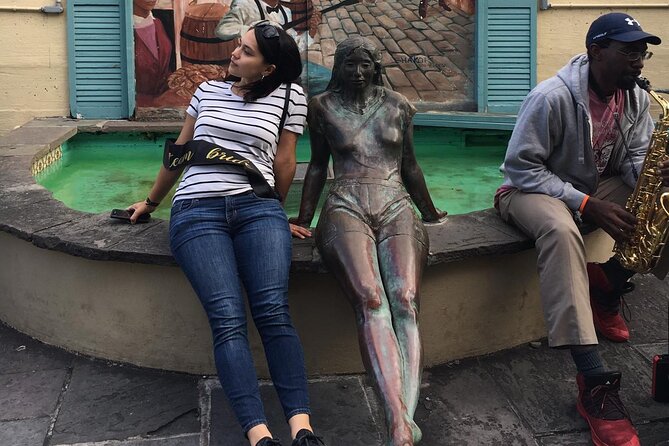
Your hunt begins at 811 Canal St, at the Ignatius J. Reilly Statue. Starting from a central, easy-to-find spot matters. It reduces the awkward early scramble of finding a group or trying to match faces—this game runs on your phone.
From there, you’ll receive your digital quest from the remote host. After that, you’re on your own for the checkpoints. “On your own” doesn’t mean alone, though. You’ll still be texting the host and sending photos as you move through the stops.
Practical tip: make sure your phone is ready before you arrive. You’ll need enough battery for uploads and clue checking. The hunt also depends on GPS and the ability to send and receive data, photos, videos, and text messages.
You can also read our reviews of more tours and experiences in New Orleans.



French Quarter Stop: Classic Streets, Clue-Driven Walking

Your first checkpoint is in the French Quarter. This is a smart choice for a scavenger hunt because you can find lots of interesting visual angles fast—perfect for spotting the items the game asks for and answering questions on the move.
Expect this portion to feel like a mix of:
- short walks between clues
- reading your phone carefully
- taking photos you’ll later send to the host
- solving riddles that push you to look at details you might skip
A drawback to keep in mind: older areas can have closures, restricted access, or changes in how a spot looks on a given day. If a clue depends on a specific location being reachable, those real-world interruptions can slow you down.
Gallery Orange Stop: Your Indoor Break and Photo Moments
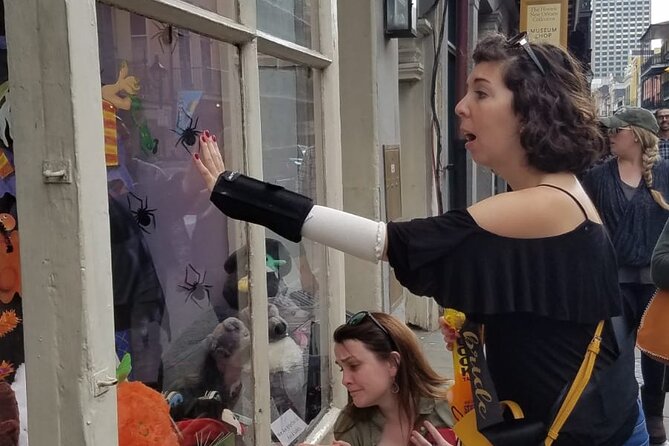
The hunt’s second listed stop is Gallery Orange. This is a nice contrast to the outdoor portion, since the experience alternates between indoors and outdoors.
Indoor checkpoints tend to reward patience. You may need to get closer, read something carefully, or handle a challenge that doesn’t work if you speed through. It’s also where photo-based tasks can matter more, because you might need to capture exactly what the clue is pointing to.
If you’re playing with kids or a dog, this is also a useful change of pace. You can reset your energy, regroup as a team, and make sure everyone is aligned on the next step before you head back out.
The Remote Host: Live Help That Keeps the Game Moving
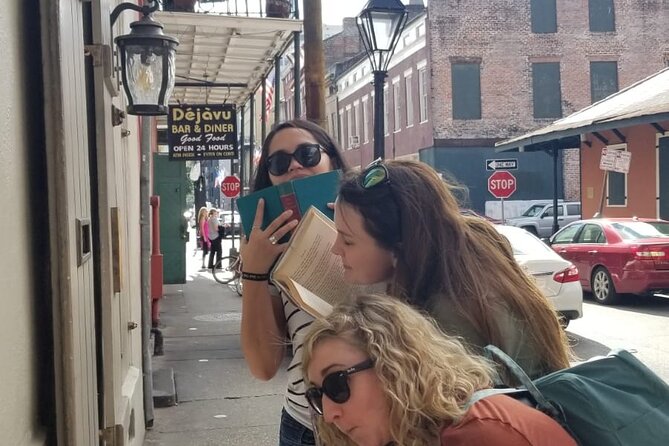
This is one of the most useful parts of the experience: you’re not stuck. The remote host stays engaged as you play, cheering you on and assisting when you hit a snag.
In practice, you’ll:
- text the host during the hunt
- send photos to document progress
- get guidance without stopping the entire team
This is the difference between a DIY scavenger hunt and a hosted one. With a remote guide, you can ask for help fast instead of guessing whether you solved the clue correctly.
One technical note that matters more than people expect: every team must bring at least one fully charged smartphone with GPS and the ability to send and receive data plus media files. If your phone is low on battery or weak on signal, the game will feel harder than it should.
Leaderboard Pressure: How Scoring Changes Your Strategy
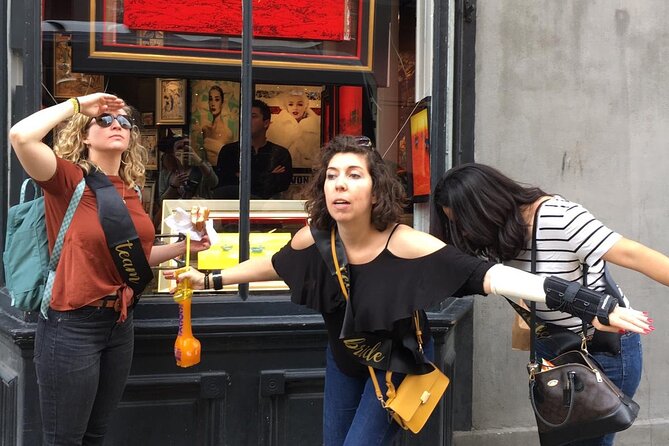
You’ll be competing on a live leaderboard. That has two big effects on your experience.
First, it pushes you to keep momentum. If you solve quickly, you’ll likely climb the rankings. Second, it encourages a more team-style approach: split tasks, move together, and don’t overthink a single clue for too long.
There’s also a social side. Even if you’re playing for fun, you’ll still check the app and feel the tug of competition. It’s a simple motivator, and it helps the hunt avoid turning into a series of random stops.
The caution here is about fairness during disruptions. If a clue depends on a place being open or accessible, one team can have a smoother run than another. So if you’re someone who hates losing time to circumstances outside your control, come in with flexible expectations.






Walking, Timing, and Fitness: What Two Hours Really Means
The hunt runs about two hours. That’s long enough to feel like you did something real, but short enough that you won’t want to stop for long breaks.
The activity works for people with moderate physical fitness. You’ll likely do a mix of walking and quick repositioning between checkpoints, plus indoor moments where you pause to solve and take photos.
Also, it’s designed to be family and dog friendly. Service animals are allowed, and it’s near public transportation. If you plan around the transit options in the area, you can keep the day easy.
A simple planning tip: wear shoes you’re comfortable walking in for the length of the game. Even if the clues pull you in short bursts, you’ll still rack up steps.
Who This Hunt Suits Best (and Who Might Find It Annoying)
This is a great fit if you like:
- playful problem-solving
- exploring on foot with a goal
- using your phone as a tool, not a distraction
- friendly team competition
It also makes sense for corporate groups, tourists, curious locals, bachelor(ettes), birthdays, friend trips, and families. If your group has mixed ages, the indoor/outdoor alternation and the phone-based clues can help everyone stay involved.
It may feel less ideal if:
- your group hates tech setup or phone-based instructions
- you’re traveling with limited data or weak phone reception
- you want a guided narration style, where you’re mainly listening instead of participating
The remote-host approach is efficient, but it relies on you being ready to communicate quickly.
Should You Book It? My Decision Guide

I’d book Nutty New Orleans Scavenger Hunt if you want an active, team-based way to see key parts of the city without hiring a full-time guide. The combination of a live remote host, photo check-ins, and a leaderboard adds structure and energy that typical self-guided walks usually lack.
I’d think twice if your group is very sensitive to interruptions. Since performance depends on checkpoint access, a closed spot or a slow clue can feel like wasted time—especially when scores are tied to real-time progress. If you’re okay with a bit of unpredictability and you bring a charged phone plus a working domestic number (or WhatsApp/email), this should land as fun, memorable, and different.
FAQ
How long is the Nutty New Orleans Scavenger Hunt?
It’s about 2 hours.
What language is the hunt offered in?
The experience is offered in English.
Where do we meet, and where does it end?
You meet at the Ignatius J. Reilly Statue at 811 Canal St, New Orleans, and the activity ends back at the meeting point.
Do we need a smartphone to play?
Yes. Each team must bring at least one fully charged smart phone with GPS and the ability to send and receive data, photos, videos, and text messages.
Do I need a specific phone number for the remote host?
Yes. You must provide a correct, working domestic phone number. If you have an international phone number or technical issues, you can use WhatsApp or email instead.
Is the hunt family and dog friendly?
Yes. It’s described as family and dog friendly, and service animals are allowed.
Can I cancel, and can the hunt be extended?
Free cancellation is available up to 24 hours in advance for a full refund. There’s also a choice to extend the hunt for free.